Key takeaways
- Weight class: many regions have lighter registration and flight rules for drones under 250 grams, which affects where and how a drone can legally be flown.
- Flight time per battery: stated flight times are measured in ideal conditions; real-world flight time with wind and video recording is usually shorter.
- Camera sensor size and video resolution: larger sensors generally produce better low-light and dynamic range performance than small sensors regardless of advertised resolution.
- Obstacle avoidance sensors: higher-tier drones add forward, downward, or omnidirectional sensors that reduce crash risk, a meaningful factor for beginners.
- Wind resistance rating: lighter drones are more affected by wind, which matters for coastal or elevated flying locations.
- Controller and app ecosystem: some drones rely on a smartphone as the display, while others include a dedicated controller screen, affecting visibility in bright sunlight.
A compact sub-250g drone suits casual flyers wanting easy travel and relaxed registration rules, a mid-range camera drone suits hobbyists who want strong photo and video quality without flagship pricing, and a budget mini drone suits beginners learning to fly before investing more; the best value pick depends on which of those three uses matters most.
As an Amazon Associate, we earn from qualifying purchases made through links on this page.
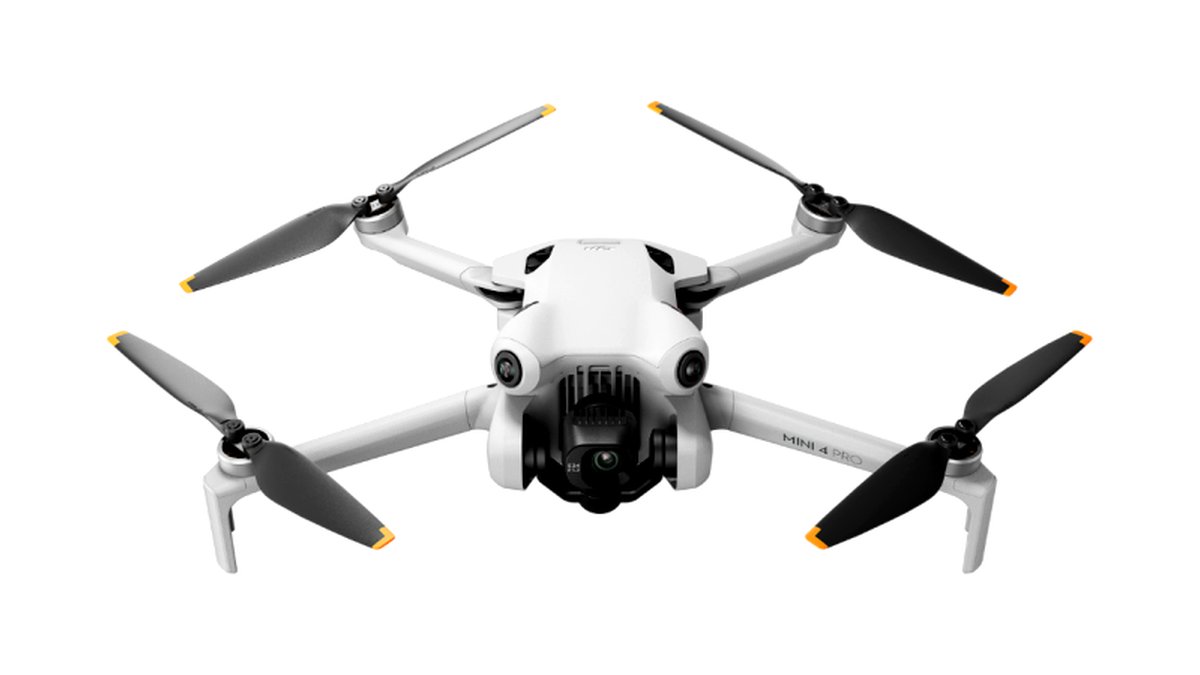
“Best for the money” in drones usually means the sweet spot where camera quality, flight time, and flight stability outperform the price tier, rather than the single cheapest option available. Flight time, camera sensor size, obstacle avoidance, and wind resistance are the specs that most affect real-world usefulness, and a drone that is a good value on paper can still disappoint if its camera or stability can’t handle outdoor conditions. Matching the drone to actual use, casual backyard flying, travel photography, or learning to fly, prevents overspending on features that won’t get used.
Who Should Buy Which Type
Beginners who have never flown a drone benefit from a smaller, lower-cost model with basic stabilization and crash-resistant propeller guards, since early flights often end in minor crashes while learning control. Travelers and hobbyist photographers get the most value from a mid-range folding camera drone under the 250-gram threshold in many regions, which simplifies registration and carry-on travel while still delivering strong photo and video quality. Enthusiasts wanting longer range, better obstacle avoidance, or professional-grade footage should expect to pay into the premium tier, where sensor size and flight-assist features improve meaningfully.
Key Factors Before Buying
- Weight class: many regions have lighter registration and flight rules for drones under 250 grams, which affects where and how a drone can legally be flown.
- Flight time per battery: stated flight times are measured in ideal conditions; real-world flight time with wind and video recording is usually shorter.
- Camera sensor size and video resolution: larger sensors generally produce better low-light and dynamic range performance than small sensors regardless of advertised resolution.
- Obstacle avoidance sensors: higher-tier drones add forward, downward, or omnidirectional sensors that reduce crash risk, a meaningful factor for beginners.
- Wind resistance rating: lighter drones are more affected by wind, which matters for coastal or elevated flying locations.
- Controller and app ecosystem: some drones rely on a smartphone as the display, while others include a dedicated controller screen, affecting visibility in bright sunlight.
At a Glance Comparison
| Drone Tier | Best For | Stated Specs/Design | Limits |
|---|---|---|---|
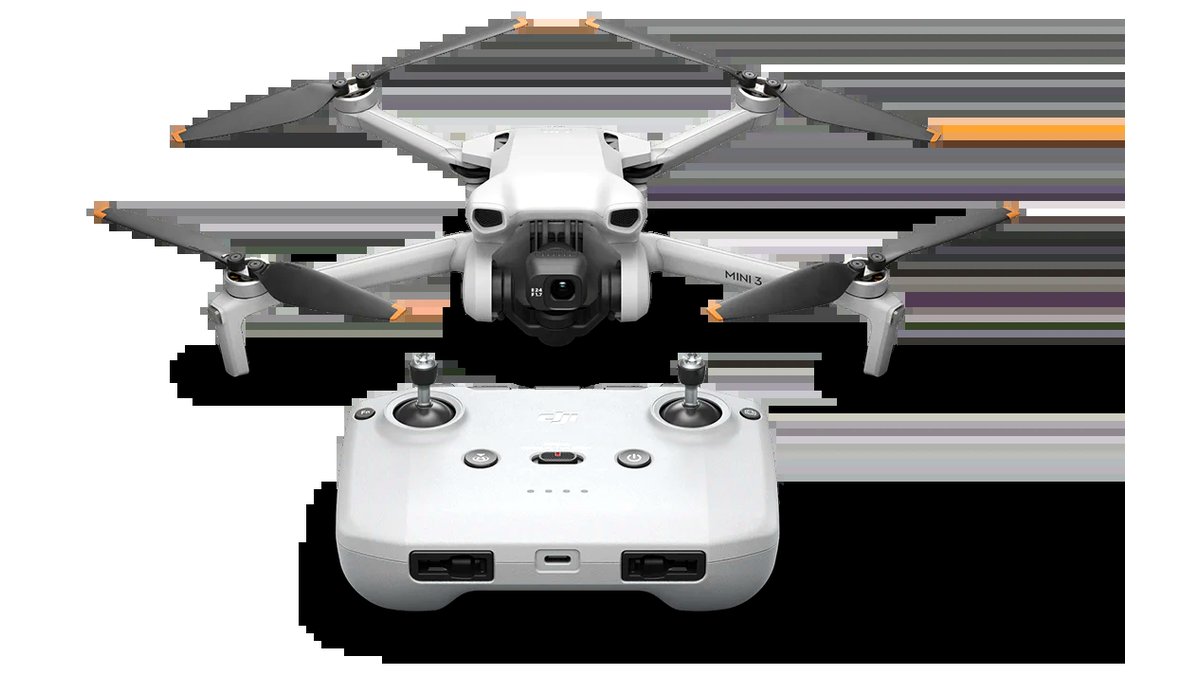
| Budget mini drone | First-time flyers learning basic control | Lightweight, propeller guards, basic camera or no camera | Shorter flight time, weaker wind resistance, limited camera quality |
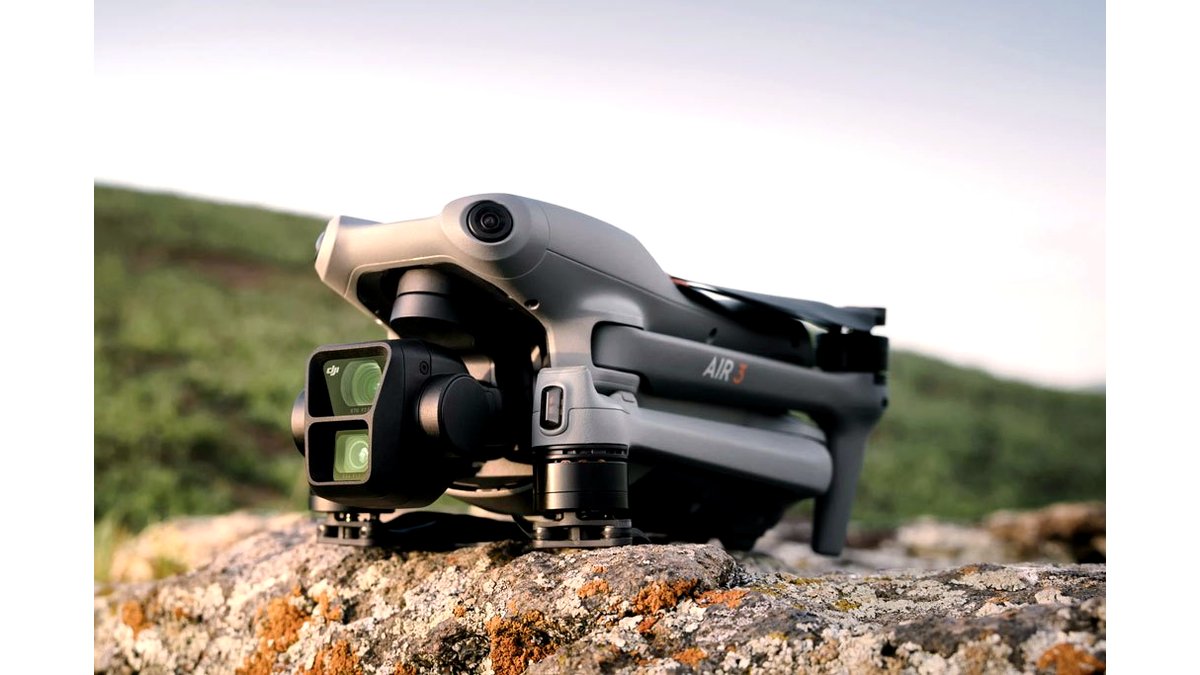
| Mid-range folding camera drone (sub-250g) | Travel photography and hobbyist video | Compact folding design, stabilized camera, moderate flight time per battery | Smaller sensor than premium models; fewer obstacle-avoidance sensors |
| Premium camera drone | Enthusiasts and semi-professional video work | Larger sensor, omnidirectional obstacle avoidance, longer flight time | Premium tier pricing; heavier weight may trigger stricter local registration rules |
| FPV-style racing/freestyle drone | Pilots wanting manual acrobatic flight | High-speed motors, manual flight mode, goggle-based first-person view | Steep learning curve, not suited to simple aerial photography |
Pick X If…
| Situation | Recommended Pick |
|---|---|
| You’ve never flown a drone before | Budget mini drone with propeller guards to learn on |
| You travel often and want good photos without registration hassle | Sub-250g folding camera drone |
| You want the best possible photo/video quality and don’t mind the cost | Premium camera drone with a larger sensor |
| You want manual acrobatic flying rather than aerial photography | FPV-style freestyle drone, after building basic flight skill first |
| You mostly fly in windy or coastal areas | A heavier mid-range or premium drone over a lightweight mini model |
Fit and Use Notes
Local drone registration and flight rules vary by country and sometimes by region, and weight class is usually the deciding factor in whether a drone needs formal registration before flying; checking current local rules before buying is worthwhile since they do change. Replacement parts, extra batteries, and propeller availability differ a lot between brands, and a drone that is cheap upfront but has expensive or hard-to-find spare batteries can cost more over time. Carrying case and battery life together determine whether a drone is genuinely good for travel versus best kept for backyard use near a charging source.
What Actually Affects Value
Reviewers commonly point out that advertised flight times are measured without wind, without video recording, and at a steady cruising speed, so real flight time running video in light wind is typically shorter than the stated figure. A larger camera sensor on a mid-range drone usually delivers a bigger quality jump than a resolution bump alone, since sensor size affects noise and dynamic range more than megapixel count. Drones with basic forward-obstacle sensors meaningfully reduce the chance of a crash into trees or walls during early flights, which can offset their slightly higher cost through fewer repairs.
Alternatives Worth Considering
- Previous-generation flagship drones: buying a prior-generation premium model can deliver near-current camera quality at a mid-range cost once a newer version has released.
- Toy-grade drones with basic cameras: a reasonable starting point for children or very casual use, though image quality and flight stability trail hobbyist-grade models by a wide margin.
- Fixed-wing camera drones: better suited to long-distance mapping or survey-style flying than the quadcopter designs most buyers are considering, but worth knowing about for that specific use case.
Common Mistakes When Buying a Drone for the Money
A frequent mistake is focusing heavily on resolution numbers in marketing material without checking sensor size or looking at actual sample footage from reviewers, since a small sensor pushed to a high resolution often produces noisier, less detailed footage than a larger sensor at a more modest resolution. Buyers also sometimes overlook controller range and signal reliability, assuming that a drone’s maximum stated range will be usable in all conditions, when interference from buildings, trees, or other wireless devices can reduce reliable control range well below the advertised figure. Skipping spare battery purchases at the time of initial buying is another common oversight, since realizing mid-trip or mid-session that flight time is too short to be useful is a frustrating and avoidable problem.
Underestimating the learning curve is also common: a buyer who jumps straight to a premium drone with advanced flight modes without first practicing basic control on a simpler, cheaper model risks an expensive early crash. Similarly, failing to check local drone laws before a trip, especially when traveling internationally, can lead to a drone being confiscated or a flight being illegal in certain areas, such as near airports or protected parks, regardless of how capable the drone itself is.
Where the Money Actually Goes
Within any given drone’s price, a disproportionate amount of the cost typically goes toward the camera and gimbal stabilization system rather than the airframe or motors, which is why two drones at similar price points can have noticeably different image quality despite similar flight performance. Obstacle avoidance sensors, when present, also add meaningfully to cost because they require additional processing hardware beyond the core flight controller. Reviewers often note that the jump from a mid-range to a premium drone tends to deliver the biggest gains in low-light camera performance and obstacle avoidance reliability rather than dramatic improvements in basic flight stability, which is already fairly mature even at mid-range price points.
Frequently Asked Questions
Does a cheaper drone mean worse camera quality?
Generally yes, since camera sensor size and stabilization hardware both add cost, and budget drones typically use smaller sensors with more basic stabilization. That said, some mid-range models prioritize camera quality over other features and can outperform pricier drones that spend their budget on speed or range instead.
Do I need to register my drone?
Registration requirements depend on local aviation authority rules and are usually tied to the drone’s weight, with many regions setting a lighter-rule threshold around 250 grams. Checking the current rules for the specific country or region before flying is the safest approach, since these rules are updated periodically.
How long do drone batteries actually last in real flight?
Manufacturer-stated flight times are measured under ideal, windless conditions without active video recording, so real-world flight time is typically shorter once wind and camera use are factored in. Carrying one or two spare batteries is common practice for getting a full session of flying and filming done.
What’s the difference between a mini drone and a mid-range camera drone?
Mini drones generally prioritize low weight and low cost over camera quality and flight time, making them better suited to learning basic control. Mid-range camera drones add a stabilized gimbal camera, longer flight time, and often folding arms for portability, aimed at users who want usable photo and video output.
Is obstacle avoidance worth paying extra for?
For beginners, obstacle avoidance sensors can meaningfully reduce crash frequency during early flights around trees, buildings, or other obstacles. Experienced pilots flying in open areas may get less practical benefit from the feature and could prioritize other specs instead.
Can a budget drone be flown in windy conditions?
Lighter, budget-tier drones are more affected by wind and can struggle to hold position or fly in a straight line in moderate wind. Heavier mid-range and premium drones generally handle wind better due to more powerful motors and added weight, which is worth considering for anyone flying near open water or elevated terrain regularly.