Key takeaways
- Serious astrophotographers who want pinpoint stars on long exposures need a computerized telescope with accurate GoTo tracking and a payload-rated mount, while casual deep-sky shooters who mainly want fast, shareable images are often better served by an all-in-one smart telescope…
Serious astrophotographers who want pinpoint stars on long exposures need a computerized telescope with accurate GoTo tracking and a payload-rated mount, while casual deep-sky shooters who mainly want fast, shareable images are often better served by an all-in-one smart telescope that handles plate-solving and stacking automatically. The right pick depends on whether the buyer wants to control every optical variable or wants speed and simplicity.
As an Amazon Associate, we earn from qualifying purchases made through links on this page.
How to Think About High-End Computerized Telescopes for Astrophotography
At the top of the market, “computerized telescope” actually covers two different workflows. The first is a classic optical tube on a motorized equatorial or alt-azimuth mount with GoTo, where the imager chooses the camera, guiding setup, and software. The second is the smart-telescope category, where the optics, sensor, mount, and stacking software are a sealed unit controlled from a phone app. Both can produce excellent astrophotography results, but they require different levels of manual setup, calibration, and troubleshooting.
Mount stability matters more than optical tube choice for astrophotography. A lightweight, undersized mount will show star trailing or tracking error at long focal lengths no matter how good the optics are. Reviewers at outlets such as Sky & Telescope and CloudyNights consistently note that buyers should pick a mount rated for roughly double the actual payload weight of their optical tube, camera, and guide equipment combined.
Traditional GoTo Mounts and Optical Tubes
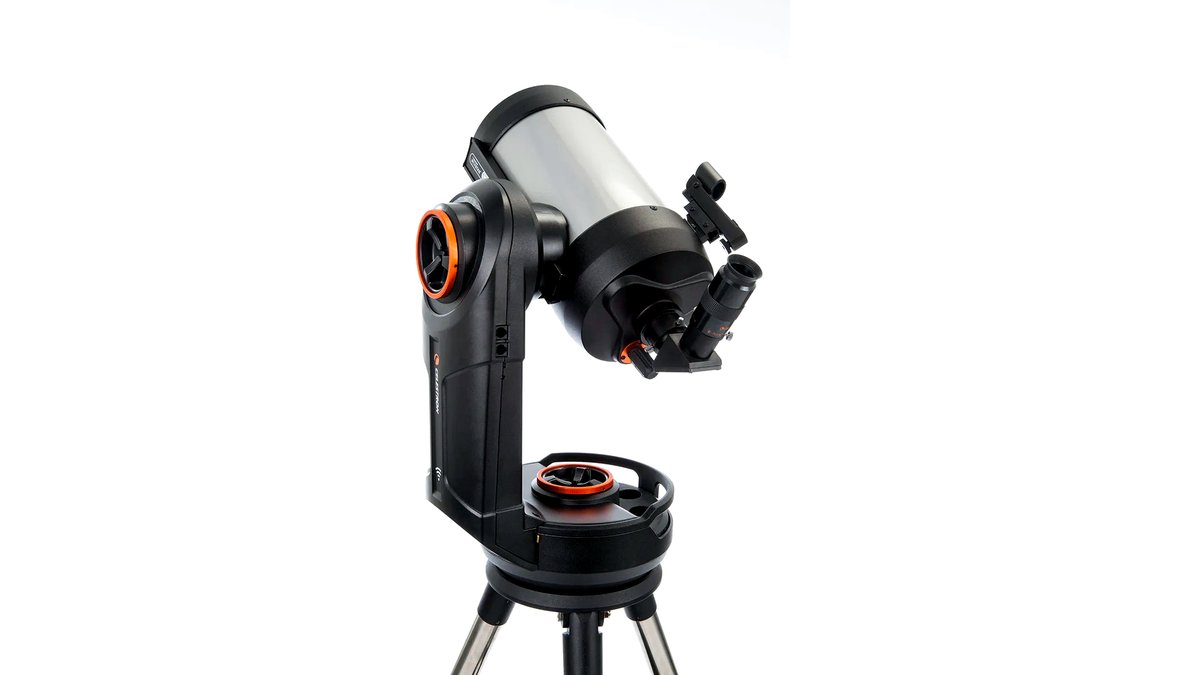
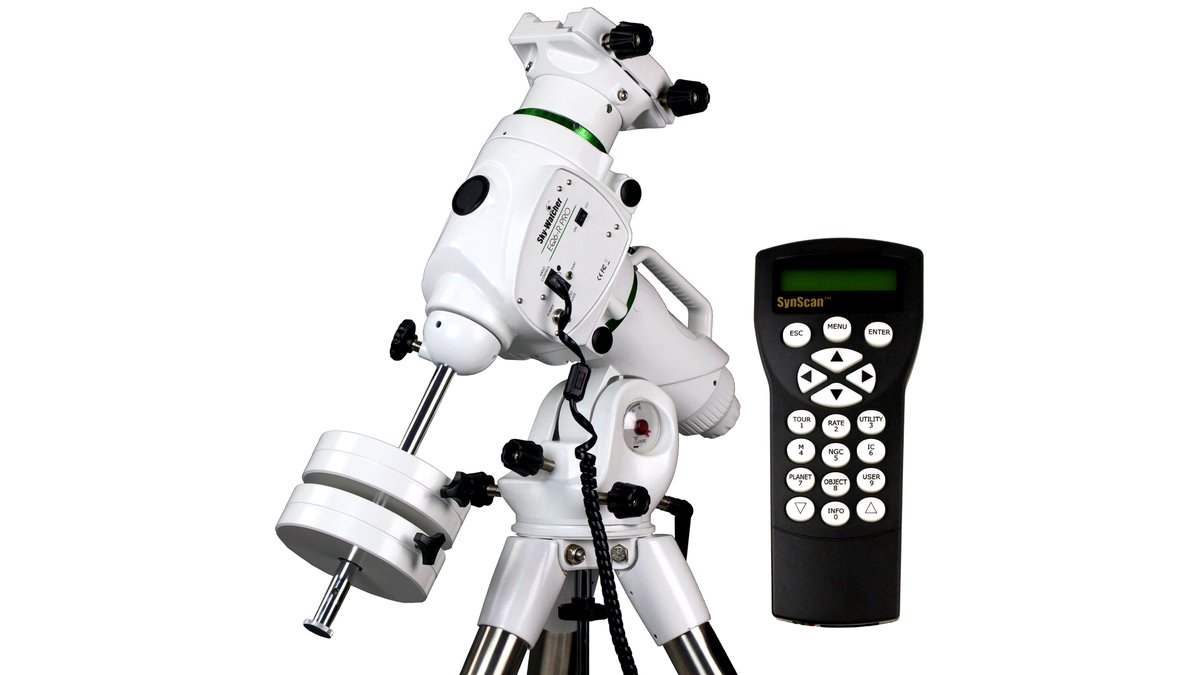
Celestron’s NexStar Evolution series and CGX-class mounts remain reference points in this segment for compound (Schmidt-Cassegrain) telescopes, pairing computerized alt-az or equatorial tracking with internal battery options and smartphone control via Celestron’s app ecosystem. Sky-Watcher’s EQ6-R Pro-class equatorial mount is widely cited by imaging communities as a workhorse platform because its payload capacity and belt-drive tracking suit medium and large refractors or Newtonians used for deep-sky imaging. Meade’s LX-series Schmidt-Cassegrains occupy a similar tier, with onboard GoTo computers and compatibility with equatorial wedges for long-exposure work.
For imagers who want to swap cameras, guide scopes, and filters over time, this traditional route gives the most flexibility. The tradeoff is a steeper learning curve: polar alignment, autoguiding, and image calibration (darks, flats, bias frames) are typically required to get clean results, and the total system cost includes the mount, optical tube, and a dedicated astro camera or modified DSLR.
All-in-One Smart Telescopes
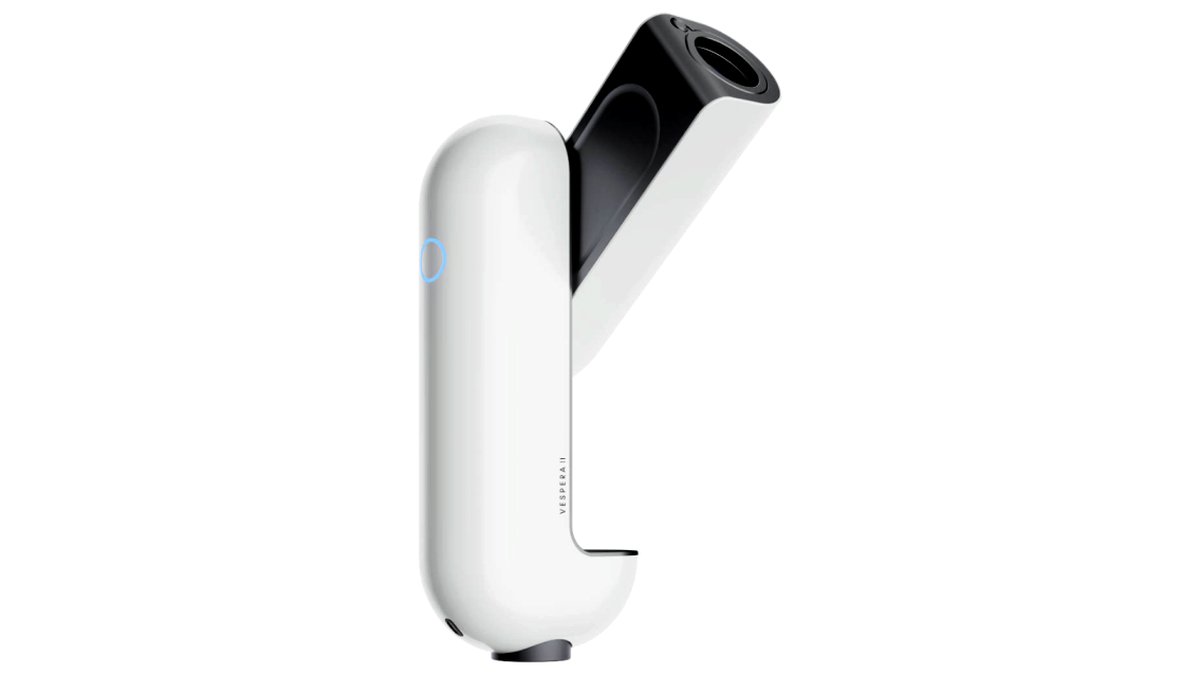
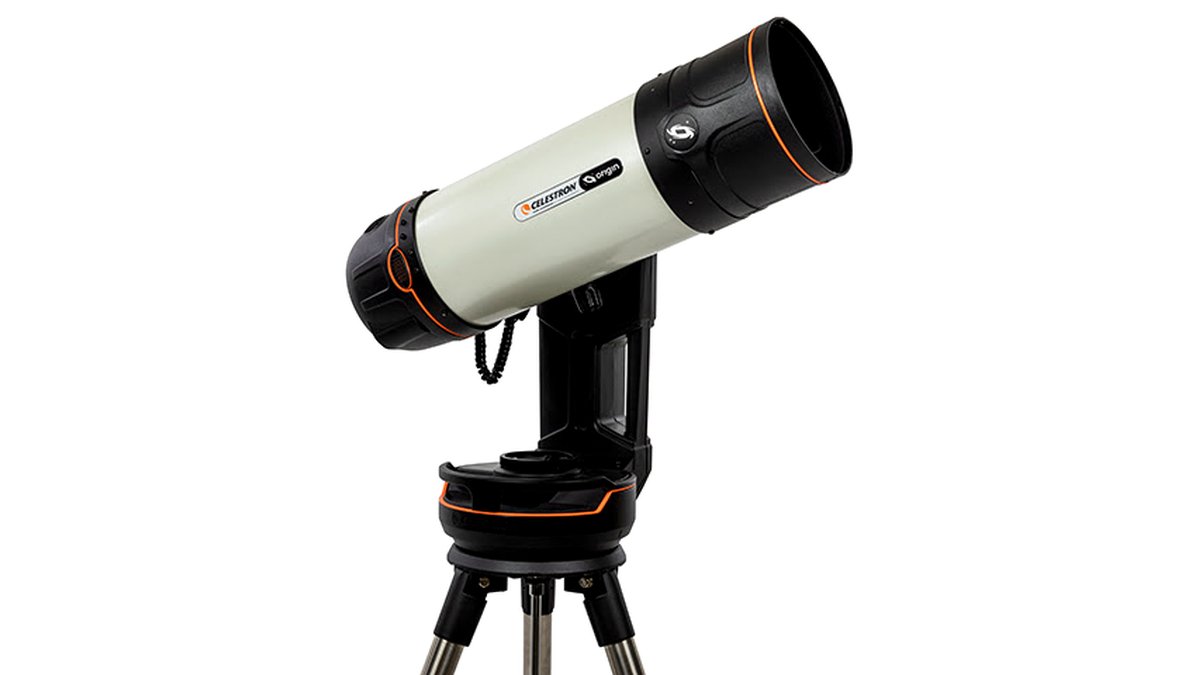
Smart telescopes such as the Unistellar eVscope line, Vaonis Vespera, and Celestron Origin have become popular because they automate plate-solving, tracking, and live image stacking, letting a user point the device at a target from an app and watch a deep-sky image build up over a few minutes. The maker of each of these lists built-in light-pollution filtering and automated stacking as standard features, which reduces the post-processing burden compared with a manual rig.
The compromise is less control: sensor size, aperture, and field of view are fixed by the manufacturer, and there’s no swapping in a different camera or eyepiece train for visual observing in the traditional sense. For buyers who want recognizable, presentable images of galaxies and nebulae without learning guiding software, this category is usually the faster path to results.
At a Glance Comparison
| Option | Best For | Key Stated Specs | Limits |
|---|---|---|---|
| Celestron NexStar Evolution (SCT + GoTo alt-az mount) | Imagers who want a compound telescope with built-in battery and WiFi control | Schmidt-Cassegrain optics; internal rechargeable battery; StarSense/app-based alignment | Alt-az tracking needs a wedge or field-derotation workflow for long exposures |
| Sky-Watcher EQ6-R Pro-class equatorial mount + refractor/Newtonian OTA | Dedicated deep-sky imagers wanting maximum payload and upgrade path | Belt-drive GoTo equatorial mount; rated for mid-size imaging payloads per the maker’s specs | Requires separate optical tube, camera, polar alignment routine, and guiding setup |
| Meade LX-series Schmidt-Cassegrain | Buyers who want a long-focal-length GoTo SCT for planetary and deep-sky work | Onboard GoTo computer; compatible with equatorial wedge accessories | Long focal length is less forgiving of mount vibration and seeing conditions |
| Unistellar eVscope-class smart telescope | Users who want automated deep-sky imaging with minimal setup | Automated plate-solving and live stacking per the maker’s app | Fixed sensor and aperture; limited visual eyepiece use |
| Vaonis Vespera-class smart telescope | Portable, app-controlled imaging for travel or backyard use | Compact design; automated stacking and smartphone app control | Smaller aperture than full GoTo rigs limits faint-object detail |
| Celestron Origin | Buyers wanting a larger-aperture smart telescope with faster image build-up | Intelligent imaging system with onboard processing, per the maker’s listed specs | Premium price point for the smart-telescope category; closed ecosystem |
Fit, Setup, and Compatibility Notes
Before buying, confirm the mount’s stated payload capacity against the combined weight of the optical tube, camera, guide scope, and any counterweights, since manufacturers’ maximum ratings assume visual use rather than the added vibration sensitivity of imaging. Check whether the optical tube needs an equatorial wedge for astrophotography if it ships on an alt-azimuth GoTo mount, since without one, long exposures will show field rotation. Also verify the mount’s power requirements (AC adapter, internal battery, or external power pack) match where the telescope will actually be used, as remote dark-sky sites often require portable power solutions.
For smart telescopes, check the stated battery life against a typical imaging session length and confirm the app supports the user’s phone operating system version, since these devices depend entirely on a connected smartphone or tablet for control.
Long-Term Costs and Learning Curve
The sticker price of a GoTo mount or optical tube is rarely the full cost of an astrophotography setup. Imagers typically add a dedicated astronomy camera or modified DSLR, an autoguider and small guide scope, a set of filters, and a laptop or tablet to run capture software, which together can equal or exceed the cost of the mount itself. Reviewers covering this hobby consistently advise new imagers to budget for this full stack before buying rather than assuming the mount or telescope alone will produce finished images.
Processing software is the other hidden cost. Stacking and calibrating raw frames into a clean final image typically requires dedicated astrophotography software, and the learning curve for calibration frames, histogram stretching, and noise reduction can take months to become comfortable with. Smart telescopes largely remove this step by handling stacking internally, which is part of why they appeal to buyers who want results without a long software learning curve, while traditional rigs reward the time investment with more control over the final look of the image.
Portability is worth planning for as well. A full equatorial mount, optical tube, counterweights, tripod, and power supply can take real effort to transport to a dark-sky site away from city light pollution, which matters because light pollution has an outsized effect on faint deep-sky targets regardless of how good the optics are. Buyers who mostly image from a light-polluted backyard may lean toward a mount and tube combination that’s quick to set up and tear down each session, since repeated polar alignment and calibration become a bigger factor when a rig travels often.
Pick X If… Decision Table
| If you… | Pick |
|---|---|
| Want full control over camera, filters, and guiding | A traditional GoTo mount with a separate optical tube (Sky-Watcher EQ6-R Pro-class or similar) |
| Want a compound telescope with a simpler all-in-one package | Celestron NexStar Evolution-class SCT |
| Want the fastest path from unboxing to a shareable deep-sky image | A smart telescope such as Vaonis Vespera or Unistellar eVscope |
| Want a larger-aperture smart telescope for brighter, more detailed stacked images | Celestron Origin |
| Already own astro-imaging cameras and want a dedicated planetary/deep-sky SCT | Meade LX-series |
Alternatives Worth Considering
Buyers on a tighter budget who still want computerized tracking sometimes step down to a smaller alt-azimuth GoTo mount paired with a short-tube refractor; image scale is modest but the learning curve and cost both drop. Imagers who already own a DSLR or mirrorless camera but no mount at all may prefer buying just an equatorial GoTo mount head and reusing an existing camera lens for wide-field Milky Way and nebula shots before investing in a full optical tube. Those who mainly want visual observing with occasional phone-camera snapshots, rather than true long-exposure astrophotography, are often better served by a simpler GoTo Dobsonian, which trades imaging precision for larger aperture and lower cost.
Frequently Asked Questions
Do I need a separate guide camera for long-exposure astrophotography?
For traditional GoTo mounts, most reviewers recommend autoguiding once exposures exceed a few seconds at longer focal lengths, since tracking error accumulates over time. Smart telescopes handle this internally through their stacking software, so a separate guide camera is not needed with that category.
Can an alt-azimuth GoTo mount be used for deep-sky astrophotography?
It can for short exposures, but longer exposures will show field rotation unless the telescope is mounted on an equatorial wedge or the images are processed with field-derotation software. Equatorial mounts avoid this issue by design.
How much payload capacity should the mount have compared to my actual gear weight?
Imaging communities commonly suggest keeping the total imaging payload to roughly half of the mount’s rated visual capacity, since manufacturer maximums assume lighter vibration tolerances than long-exposure imaging requires.
Are smart telescopes good enough for serious astrophotography, or just casual use?
Smart telescopes can produce detailed stacked images of popular deep-sky targets and are well suited to casual and intermediate use. Imagers pursuing very high-resolution or narrowband work on faint targets generally still prefer a traditional mount-and-camera setup for full control over exposure and filtering.
What’s the difference between a Schmidt-Cassegrain and a refractor for this kind of imaging?
Schmidt-Cassegrains offer longer focal lengths in a compact tube, which suits planetary and smaller deep-sky targets, while refractors generally give a wider, flatter field better suited to large nebulae and galaxies. The choice depends on which targets the buyer wants to photograph most.
Do I need polar alignment every session with an equatorial GoTo mount?
Yes, accurate polar alignment is generally required each imaging session for equatorial mounts, since even small setup differences affect tracking accuracy over long exposures. Many mounts include built-in polar alignment routines through their hand controller or app to simplify this step.