Key takeaways
- Maximum aperture. f/2.8 lenses let in more light for low-light handheld shooting, astro, and shallower background separation at wide focal lengths; f/4 lenses are lighter and often sharper wide open relative to their size, at the cost of needing more light or a higher ISO in dim conditions.
- Focal range. A 14mm starting point captures a noticeably wider scene than 17mm or 20mm, which matters for interiors, tight landscapes, and astro compositions where fitting more sky in frame counts.
- Filter compatibility. Front filter threads (rather than only rear gel slots) make it easier to use polarizers or ND filters for landscape work; not every wide-angle lens in this range accepts front filters without an adapter.
- Weight and size. Wide-angle zooms and primes vary meaningfully in weight within this lineup, which matters for anyone carrying gear on long hikes or multi-lens travel kits.
- Weather sealing and build. Nikon’s “S-line” lenses generally carry more robust sealing and construction than some of the lighter, lower-cost options in the same focal range.
A landscape or architecture shooter wanting the sharpest, most flexible wide zoom should look at the Nikon Z 14-24mm f/2.8 S, while someone prioritizing a lighter travel kit or a tighter budget is better served by the Z 14-30mm f/4 S or Z 17-28mm f/2.8; prime shooters wanting a bright aperture for low light or astro work should look at the Z 20mm f/1.8 S or Z 24mm f/1.8 S instead of a zoom.
As an Amazon Associate, we earn from qualifying purchases made through links on this page.
What Separates Nikon’s Z Wide-Angle Lenses
Nikon’s current full-frame Z-mount wide-angle lineup covers three zooms and two primes, each aimed at a different balance of speed, range, weight, and cost:
- Maximum aperture. f/2.8 lenses let in more light for low-light handheld shooting, astro, and shallower background separation at wide focal lengths; f/4 lenses are lighter and often sharper wide open relative to their size, at the cost of needing more light or a higher ISO in dim conditions.
- Focal range. A 14mm starting point captures a noticeably wider scene than 17mm or 20mm, which matters for interiors, tight landscapes, and astro compositions where fitting more sky in frame counts.
- Filter compatibility. Front filter threads (rather than only rear gel slots) make it easier to use polarizers or ND filters for landscape work; not every wide-angle lens in this range accepts front filters without an adapter.
- Weight and size. Wide-angle zooms and primes vary meaningfully in weight within this lineup, which matters for anyone carrying gear on long hikes or multi-lens travel kits.
- Weather sealing and build. Nikon’s “S-line” lenses generally carry more robust sealing and construction than some of the lighter, lower-cost options in the same focal range.
Lens-by-Lens Breakdown
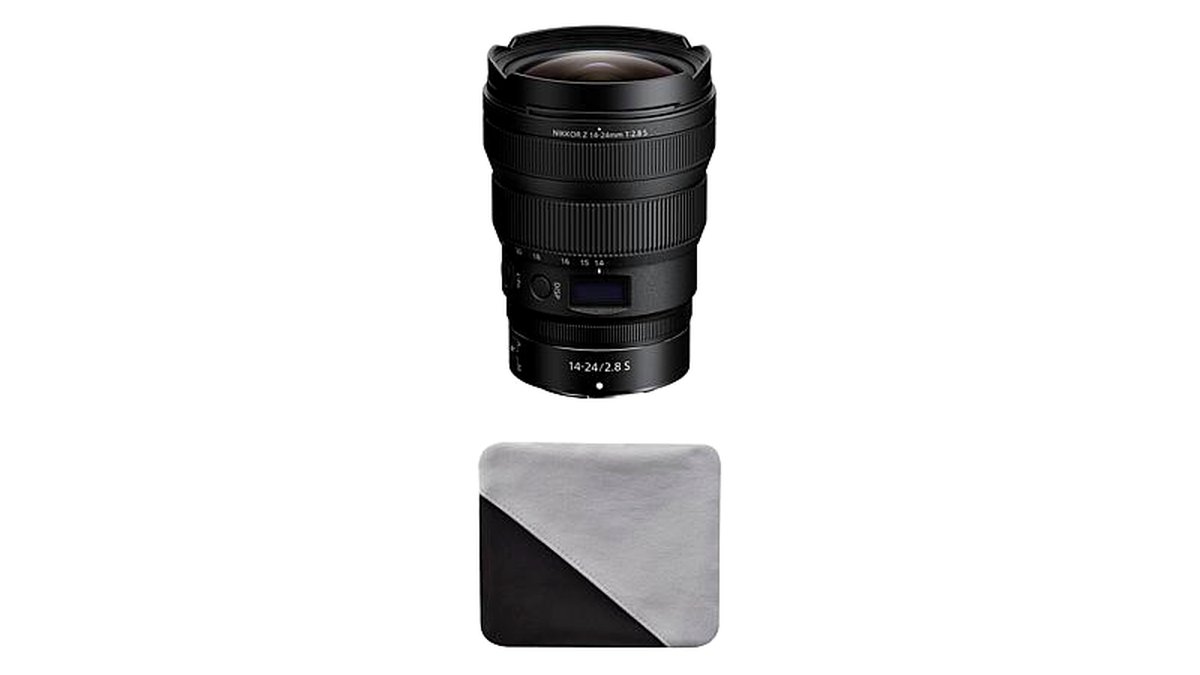
Nikon Z 14-24mm f/2.8 S
The maker lists this as the lightest 14-24mm f/2.8 class lens available for any mount, and it accepts front filters, which is notable since many fast ultra-wide zooms in this focal range do not. Reviewers report it as extremely sharp corner to corner, making it a common pick for landscape, architecture, and astro photographers who want both the f/2.8 speed and front-filter convenience in one lens.
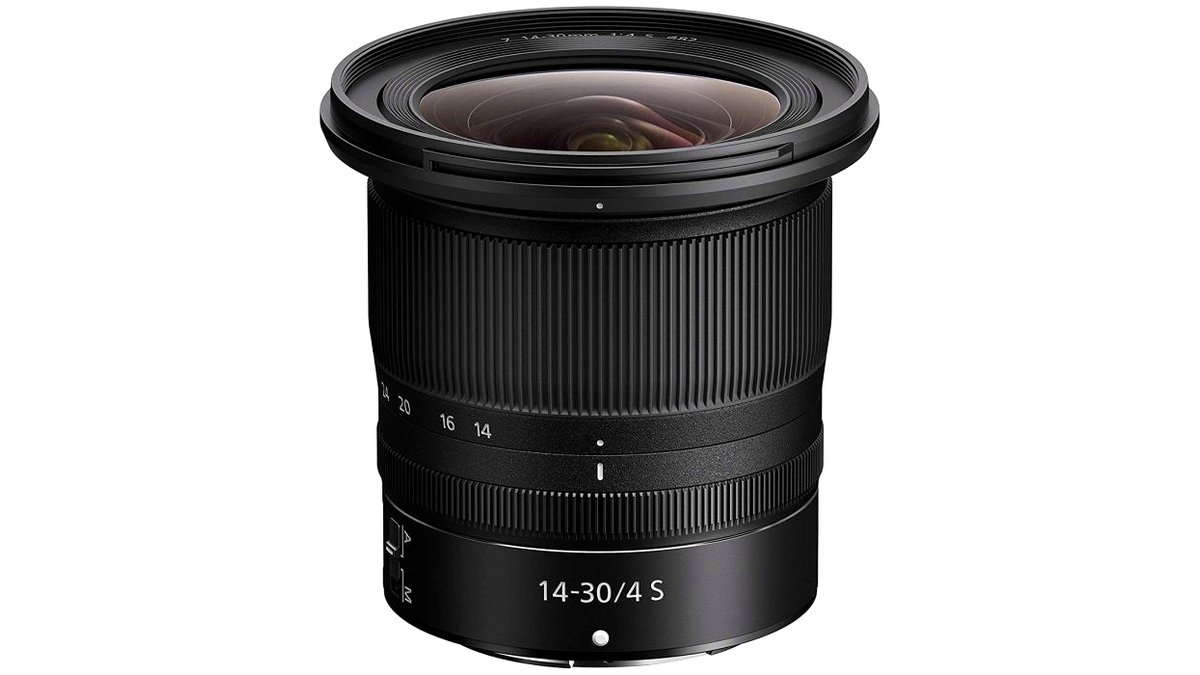
Nikon Z 14-30mm f/4 S
This lens trades the extra stop of light for a lighter build and a slightly longer reach at the long end compared to the 14-24mm. It’s a common choice for travel and landscape shooters who want the widest practical focal length without carrying the heavier f/2.8 zoom, and who are comfortable using a tripod or higher ISO in low light rather than relying on a wider aperture.
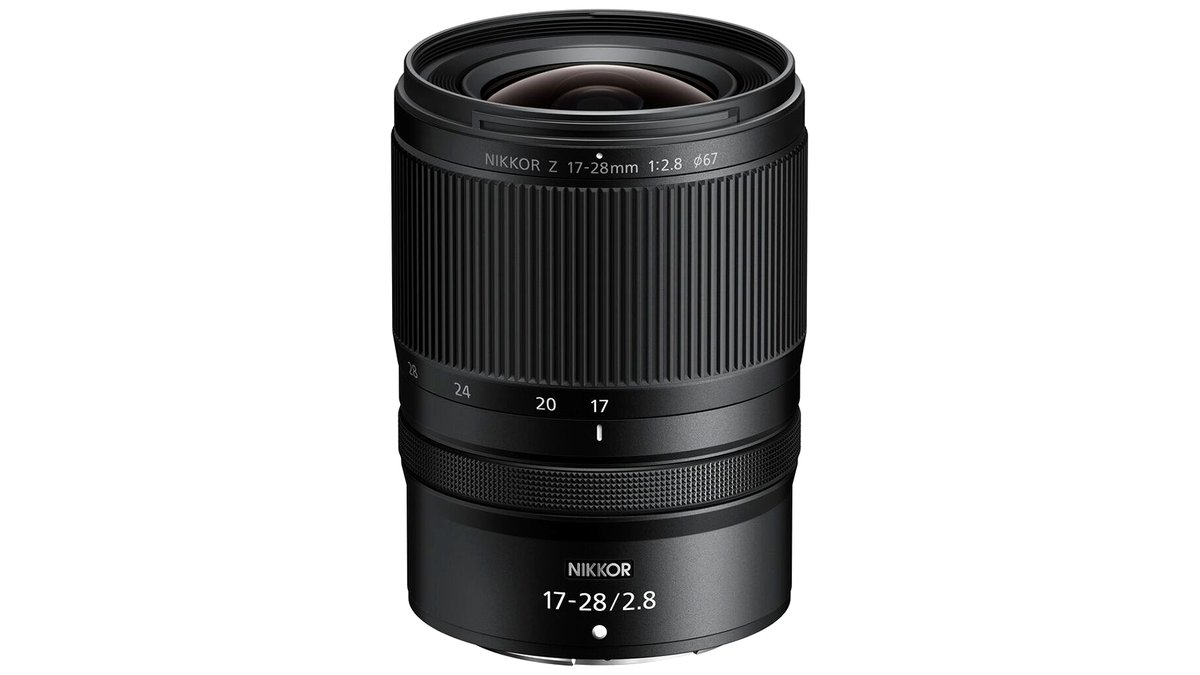
Nikon Z 17-28mm f/2.8
Built on a third-party-derived optical design licensed for Nikon’s mount, this is the most budget-friendly f/2.8 wide zoom in the current lineup. Its narrower range (starting at 17mm instead of 14mm) is the main tradeoff against the 14-30mm f/4 S, which covers a wider field at a similar price point despite the slower aperture; this lens suits buyers who specifically want f/2.8 speed and don’t need the extra width below 17mm.
Nikon Z 20mm f/1.8 S
A bright prime aimed at low-light, environmental portrait, and astro shooters who want a wide field of view with a fast aperture for background separation or available-light work. Reviewers generally note strong edge-to-edge sharpness even wide open, which matters for astro photography where corner star quality is scrutinized closely.
Nikon Z 24mm f/1.8 S
Slightly narrower than the 20mm but still a wide-angle field of view, this prime suits environmental portraits, street photography, and general wide-angle work where a 24mm perspective feels more natural than 20mm’s stronger distortion at the edges. It’s smaller and lighter than the 20mm f/1.8 S, which matters for anyone prioritizing a compact prime kit.
Third-Party Alternative: Tamron Wide Zoom for Z-Mount
Tamron offers a fast f/2.8 wide zoom built natively for Nikon’s Z mount, generally positioned as a lighter and lower-cost alternative to Nikon’s own f/2.8 options, aimed at buyers prioritizing value and portability over Nikon’s own-brand build and autofocus tuning.
| Lens | Best For | Key Stated Specs | Limits |
|---|---|---|---|
| Z 14-24mm f/2.8 S | Landscape, architecture, astro; max sharpness and speed | f/2.8 constant, front filter threads, lightest in its class per the maker | Heavier and costlier than the f/4 zoom |
| Z 14-30mm f/4 S | Travel and landscape, lighter kit priority | f/4 constant, 14-30mm range, compact build | Slower aperture limits low-light handheld use |
| Z 17-28mm f/2.8 | Budget-conscious f/2.8 zoom buyers | f/2.8 constant, 17-28mm range | Narrower range than the 14-30mm f/4 S |
| Z 20mm f/1.8 S | Astro, low light, wide environmental shots | f/1.8 prime, strong edge sharpness reported | Single focal length, no zoom flexibility |
| Z 24mm f/1.8 S | Environmental portraits, general wide prime use | f/1.8 prime, smaller/lighter than the 20mm | Narrower field than 20mm or 14mm options |
| Tamron Z-mount wide zoom | Value-focused buyers wanting f/2.8 on a budget | f/2.8 constant, native Z-mount design | Third-party autofocus tuning differs from Nikon-native lenses |
Compatibility Notes
All lenses listed here are built for Nikon’s full-frame Z mount and physically mount on any Z-series body, full-frame or APS-C (DX), though on a DX body the effective field of view narrows due to the smaller sensor crop, which works against the point of buying an ultra-wide lens. Buyers with a DX-format Z camera looking specifically for a wide field of view are generally better served by a DX-specific wide zoom rather than adapting a full-frame ultra-wide. Filter buyers should check each lens’s specific front filter thread size, since it varies across this lineup, and should confirm the lens accepts front filters at all before buying a polarizer or ND filter sized to it.
Pick This If…
| Situation | Pick |
|---|---|
| Want the sharpest, most versatile wide zoom and don’t mind the weight | Z 14-24mm f/2.8 S |
| Prioritize a lighter kit for hiking or travel | Z 14-30mm f/4 S |
| Want f/2.8 speed at the lowest price in Nikon’s own lineup | Z 17-28mm f/2.8 |
| Need the widest practical prime for astro or low light | Z 20mm f/1.8 S |
| Want a more natural wide-angle perspective for portraits/street | Z 24mm f/1.8 S |
| Want f/2.8 zoom speed at the lowest overall cost | Tamron’s native Z-mount wide zoom |
Alternatives Worth Considering
- DX-specific wide zooms: for APS-C Z-series bodies, a lens designed for the DX crop sensor gives a genuinely wide field of view instead of the narrowed effective angle from adapting a full-frame lens.
- Manual-focus ultra-wide primes: some third-party makers offer very wide (sub-14mm) manual-focus primes for Z mount, aimed at astro and architecture shooters willing to trade autofocus for extreme focal lengths or lower cost.
- Adapted F-mount wide lenses: older Nikon DSLR wide-angle lenses can be used on Z bodies via Nikon’s FTZ adapter, which can be a budget path for buyers who already own F-mount glass, though autofocus speed and feel can differ from native Z lenses.
Frequently Asked Questions
Is the extra stop of light on an f/2.8 zoom worth the added weight and cost?
It depends on shooting conditions: astro, indoor, and low-light handheld shooters benefit meaningfully from the extra stop, while landscape shooters who typically use a tripod and can shoot at lower shutter speeds may not need it as often. The f/4 14-30mm’s lighter weight is a real advantage for anyone carrying gear long distances.
Can I use front filters on all these lenses?
The Z 14-24mm f/2.8 S notably accepts front filters despite its wide focal range, which is uncommon for lenses this wide; the other zooms and primes in this lineup generally also accept front filters, but thread sizes differ, so checking each lens’s specific filter size before buying a polarizer or ND filter is necessary.
Should I buy a prime or a zoom for wide-angle work?
A zoom offers framing flexibility without changing lenses, useful for varied subjects like landscapes, interiors, and events in one outing; a prime generally offers a brighter maximum aperture and sometimes sharper results at that aperture, which matters more for astro or low-light work where every stop of light counts. Many photographers who do a mix of both end up owning one of each rather than choosing exclusively.
Does the 17-28mm f/2.8 lose much by not going as wide as 14mm?
For general use the difference between 17mm and 14mm is noticeable but not extreme; 14mm captures meaningfully more of a scene, which matters most for tight interiors, dramatic foreground-heavy landscapes, and astro compositions. Buyers who don’t regularly need the extreme wide end may not miss it, which is part of why this lens is priced lower than the 14-30mm f/4 S.
Will these lenses work well for video as well as stills?
Yes, Nikon’s S-line lenses generally include features aimed at video use, such as minimized focus breathing and smooth aperture control, though exact video-specific performance (like focus breathing severity) can vary by model and is worth checking in dedicated video-focused reviews if video is the primary use. None of these lenses include a physical aperture ring exclusive to cine-style work.
Is a third-party lens like Tamron’s a safe alternative to Nikon’s own glass?
Native Z-mount third-party lenses are generally designed to communicate properly with Nikon’s autofocus and in-body stabilization systems, unlike older adapted lenses, so compatibility is typically solid. Firmware updates from the third-party maker may still be needed periodically to maintain full compatibility as Nikon updates camera firmware, so checking for available updates after a camera firmware update is a reasonable habit.