Key takeaways
- Birders and wildlife watchers who need the sharpest glass and widest field generally fit best with Nikon’s Monarch series, while buyers who mainly want a lightweight, affordable pair for hiking, stadium events, or casual nature walks tend to be happier…
Birders and wildlife watchers who need the sharpest glass and widest field generally fit best with Nikon’s Monarch series, while buyers who mainly want a lightweight, affordable pair for hiking, stadium events, or casual nature walks tend to be happier with Nikon’s ProStaff or Aculon lines. The right Nikon model depends mostly on how much low-light performance and close-focus precision the activity actually demands.
As an Amazon Associate, we earn from qualifying purchases made through links on this page.
How Nikon’s Binocular Lineup Is Organized
Nikon splits its binocular range into clear tiers rather than one do-everything model. Entry and mid tiers (Aculon, ProStaff) use simpler optical coatings and lighter bodies, aimed at general outdoor use. The Monarch series sits in the mid-to-upper tier and is the line most frequently recommended by birding and optics reviewers for its combination of brightness, sharpness, and close focus distance at a reasonable weight. Above that, Nikon’s WX and EDG-class binoculars (where still offered) target serious astronomy and professional wildlife observation with larger objective lenses and premium glass, at a noticeably larger size and weight.
Magnification and objective lens size (written as, for example, 8×42) matter as much as the series name. Lower magnification (7x or 8x) with a mid-size objective gives a steadier, brighter image and wider field of view, which most reviewers recommend for birding and general wildlife watching. Higher magnification (10x or 12x) brings subjects closer but narrows the field and amplifies hand shake, so it suits open terrain or longer-range observation more than dense woodland birding.
Monarch Series: The Core Recommendation
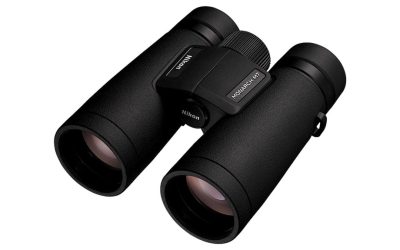
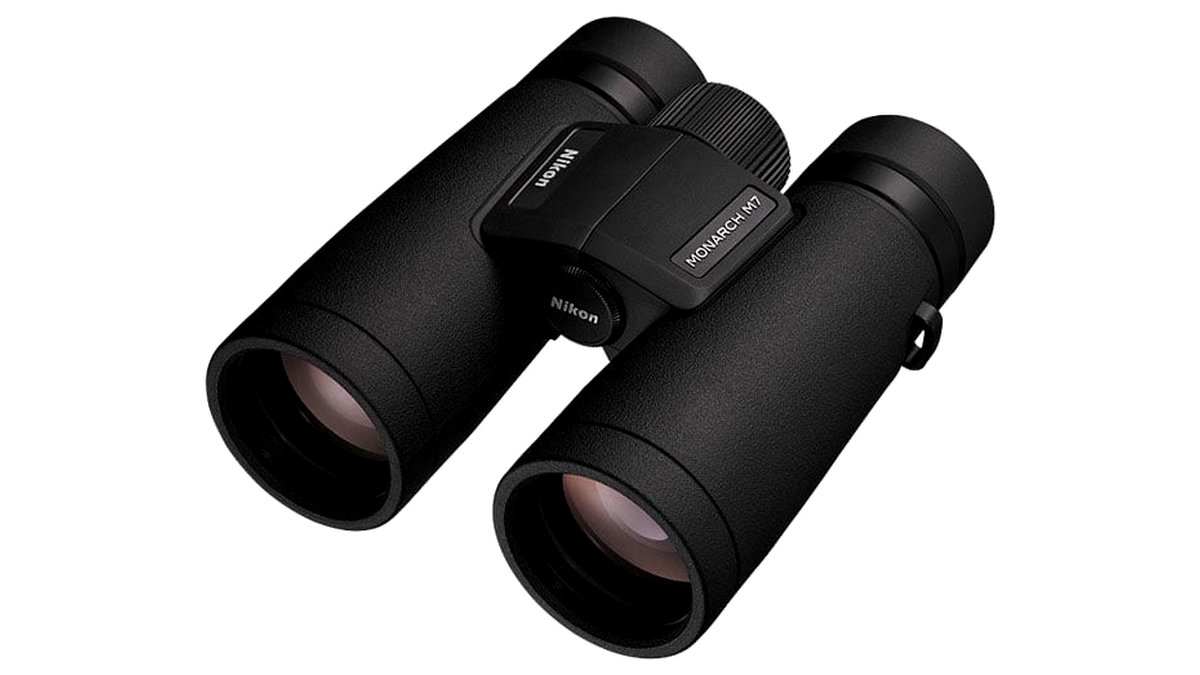
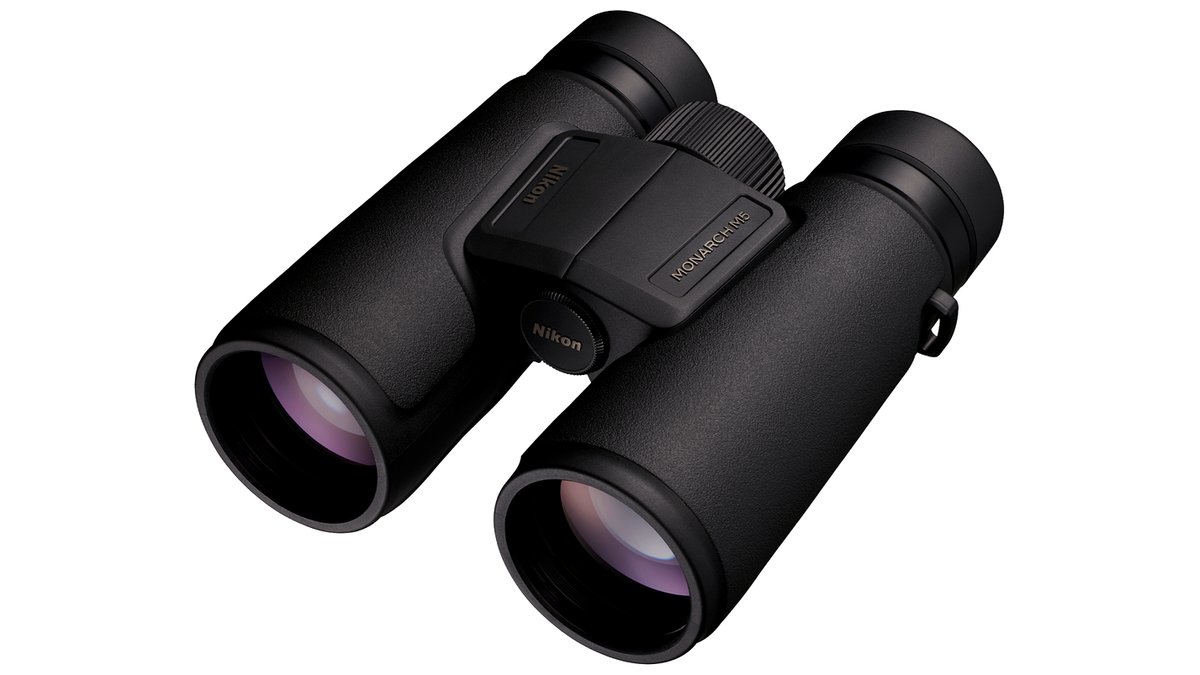
The Monarch M5 and Monarch M7 models are the ones most frequently named by outdoor and birding reviewers when discussing Nikon’s best all-around binoculars. Nikon’s own product listings describe the Monarch M7 as using extra-low dispersion glass and fully multi-coated optics for brightness and color accuracy, with a close focus distance that reviewers note is useful for observing butterflies and other close-range subjects. The Monarch M5 is generally positioned as the lighter, slightly less expensive step below the M7, keeping similar weatherproofing and coating technology in a smaller package.
Both are built around a roof-prism design with rubber-armored, waterproof, fog-proof housings, which outdoor reviewers consistently flag as important for binoculars that will see rain, humidity, or occasional drops in the field.
ProStaff and Aculon: Budget and Casual Use
Nikon’s ProStaff series is commonly recommended as the step-up budget choice for buyers who want solid optics without the Monarch-level price, with the maker listing multicoated lenses and a waterproof build on current ProStaff models. The Aculon series sits below ProStaff and is aimed at casual, occasional use such as stadium events, concerts, or light hiking, trading off some low-light brightness and coating quality for a lower cost and lighter feel.
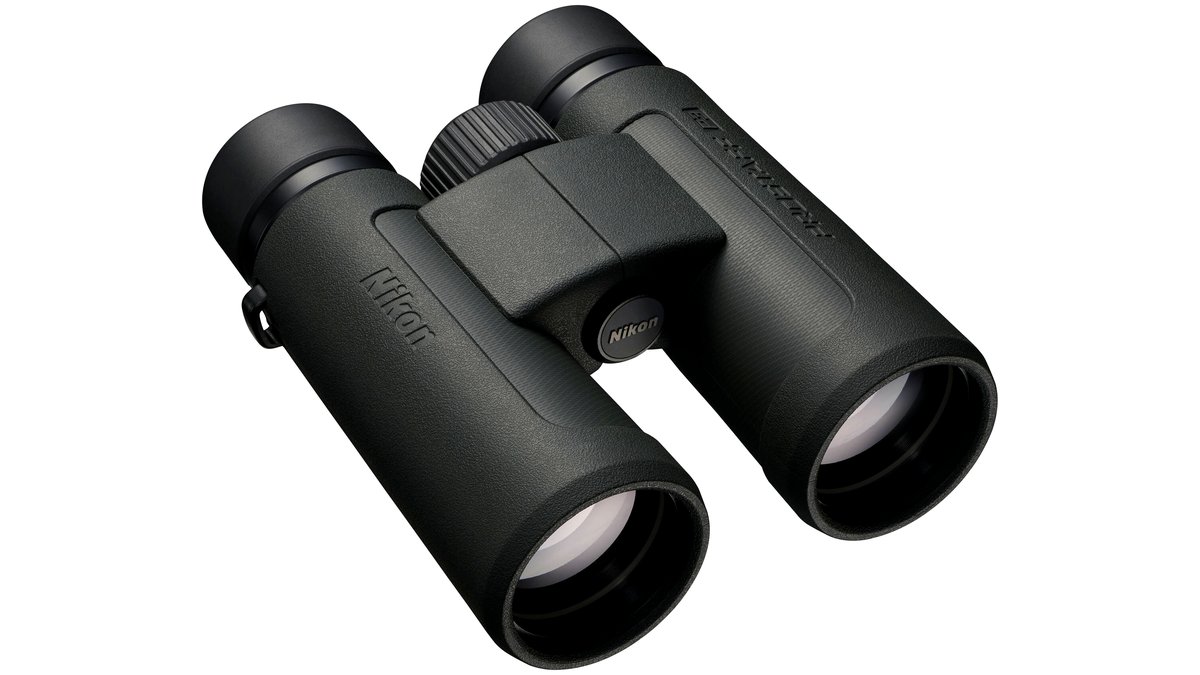
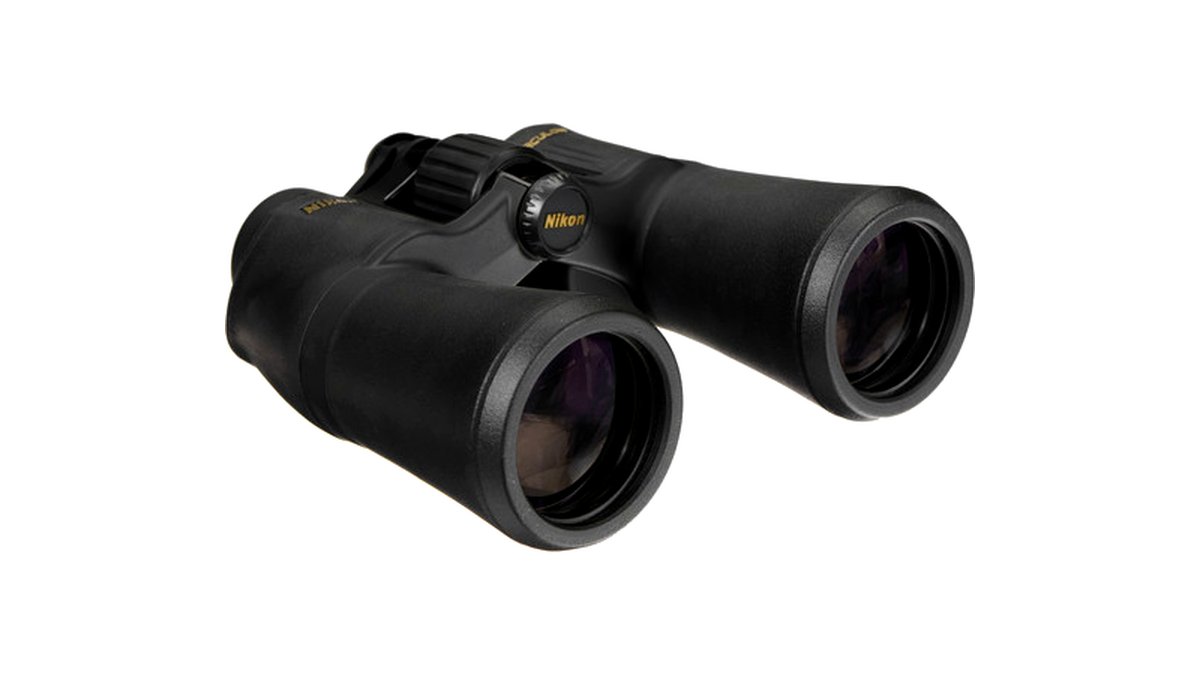
At a Glance Comparison
| Model Line | Best For | Key Stated Specs | Limits |
|---|---|---|---|
| Monarch M7 | Serious birders and wildlife watchers wanting top brightness and close focus | ED glass, fully multi-coated optics, waterproof/fog-proof per Nikon’s listing | Premium tier pricing within Nikon’s binocular range |
| Monarch M5 | Buyers wanting Monarch-level coatings in a lighter, more affordable package | Multi-coated optics, waterproof housing, roof-prism design | Slightly narrower field of view and lower light transmission than M7 per typical reviewer comparisons |
| ProStaff series | General outdoor use on a moderate budget | Multicoated lenses, waterproof build per Nikon’s listing | Less low-light brightness than Monarch tier |
| Aculon series | Casual, occasional use (stadiums, light hikes) | Lightweight body, basic coated optics | Not intended for serious low-light or long-range wildlife viewing |
| WX/EDG-class premium models (where available) | Astronomy and professional-grade wildlife observation | Larger objective lenses, premium glass per Nikon’s specs | Significantly heavier and bulkier for everyday carry |
Fit and Use-Case Notes
Hand size and grip matter more than most buyers expect: compact 8×25 or 10×25 models are easier to carry on long hikes but give up low-light performance compared with 8×42 or 10×42 models. Eyeglass wearers should check the stated eye relief figure, since binoculars with short eye relief can crop the field of view when worn with glasses. For anyone planning to use binoculars in rain or near water, confirm the listing states waterproof (not just water-resistant) construction, as the two terms cover different levels of sealing.
Prism Type, Coatings, and What They Mean in Practice
Nearly all of Nikon’s current lineup uses roof-prism designs, which allow for a slimmer, lighter body compared with older porro-prism binoculars, at the cost of needing more precise internal alignment (phase correction coating) to maintain image sharpness and contrast. Nikon lists phase-correction coating on its mid-to-upper tier models, which reviewers generally note improves contrast and resolution compared with uncoated roof-prism designs found on some budget binoculars from other brands.
Lens coatings matter just as much as prism type. “Fully multi-coated” means every air-to-glass surface has multiple anti-reflective layers, which Nikon applies across its ProStaff, Monarch, and higher lines, reducing glare and improving light transmission compared with simpler coatings on entry-level Aculon models. Buyers comparing listed specs should look for this exact phrase rather than assuming all coated optics perform the same, since partial coating only treats some lens surfaces.
Field of view is another spec worth reading carefully, usually listed in feet at 1,000 yards or as an angular degree measurement. A wider field of view makes it easier to initially locate and track fast-moving subjects like flying birds, which is one reason 8x binoculars are so often recommended over 10x or 12x for birding specifically, even though the higher magnifications bring subjects visually closer.
Pick X If… Decision Table
| If you… | Pick |
|---|---|
| Want the best low-light brightness and close focus for serious birding | Monarch M7 |
| Want Monarch-level build quality at a lighter weight and lower cost | Monarch M5 |
| Want solid everyday optics without Monarch pricing | ProStaff series |
| Want a basic pair for stadiums, concerts, or occasional outdoor use | Aculon series |
| Need maximum light-gathering for astronomy or professional-grade field work | A premium large-objective Nikon model where available |
Alternatives Worth Considering
Buyers who want image-stabilized binoculars for boats, vehicles, or long handheld viewing sessions may want to look outside Nikon’s standard lineup toward stabilized models from other optics makers, since Nikon’s mainstream binocular range does not emphasize this feature. Those focused purely on ultra-compact travel binoculars might prefer a dedicated compact model from another brand’s travel-specific line, which can be smaller than Nikon’s compact Aculon or Monarch options. Buyers who already own a spotting scope and only need binoculars as a secondary, grab-and-go tool for short observation sessions may find a mid-range ProStaff model sufficient rather than paying for Monarch-tier glass.
Frequently Asked Questions
What does the “8×42” number on a Nikon binocular mean?
The first number is magnification, so 8x means the subject appears eight times closer than with the naked eye. The second number is the objective lens diameter in millimeters, which affects how much light the binoculars gather and how bright the image looks in dim conditions.
Is Monarch really worth the step up from ProStaff?
For buyers who spend significant time birding in early morning, dusk, or shaded woodland, reviewers generally say the Monarch series’ brighter image and closer focus distance justify the price difference. For occasional or daytime-only use, ProStaff is often considered a reasonable compromise.
Are Nikon binoculars waterproof enough for kayaking or boating?
Models described by Nikon as waterproof and fog-proof, such as the Monarch and current ProStaff lines, are built to handle rain and splashes. Buyers planning regular submersion risk, such as kayaking in rough water, should still confirm the specific model’s sealing rating before relying on it near water.
What magnification is best for birding versus general wildlife watching?
Most birding guides and optics reviewers recommend 8x for its wider field of view and steadier image, which makes it easier to track moving birds. 10x can suit open-country wildlife watching where subjects are farther away and movement is less erratic.
Do higher-end Nikon binoculars need any special care?
Nikon’s manuals generally recommend storing binoculars in their case when not in use, cleaning lenses only with a proper optics cloth, and avoiding solvent-based cleaners on coated lenses. Following the maker’s manual helps preserve coatings and seals over time.
Can eyeglass wearers use these binoculars comfortably?
Yes, most current Nikon binoculars include twist-up eyecups and a stated eye relief figure designed to accommodate glasses. Buyers who wear glasses should check that the eye relief is long enough for their specific frames to avoid a cropped field of view.