Key takeaways
- Homeowners who want an attractive, permanent fixture by a door or garage that lights itself automatically at night should look at a decorative wall sconce with a built-in photocell, while anyone mainly focused on visibility and security along a walkway…
Homeowners who want an attractive, permanent fixture by a door or garage that lights itself automatically at night should look at a decorative wall sconce with a built-in photocell, while anyone mainly focused on visibility and security along a walkway or driveway is usually better served by a plainer wall-mount flood or lantern-style fixture with a wider light spread. The decision mostly comes down to whether the fixture needs to look good up close or mainly needs to throw light over a distance.
As an Amazon Associate, we earn from qualifying purchases made through links on this page.
What a Photocell Adds to a Wall Light
A wall light with a built-in photocell senses ambient darkness and switches on automatically at dusk, then off again at dawn, without needing a timer, smart switch, or someone remembering to flip a switch. This matters most for fixtures mounted somewhere inconvenient to reach, such as a garage peak or a side entrance that isn’t used daily, where a forgotten manual switch means the light simply doesn’t come on when needed.
Wall lights with photocells generally fall into a few styles: decorative lantern or sconce fixtures meant to be seen as part of the home’s exterior design, utilitarian wall-pack or flood fixtures meant to maximize light spread, and smaller accent wall lights meant for steps, patios, or walkways. Which style fits depends on the mounting location and whether appearance or raw light output matters more there.
Decorative Sconces and Lanterns
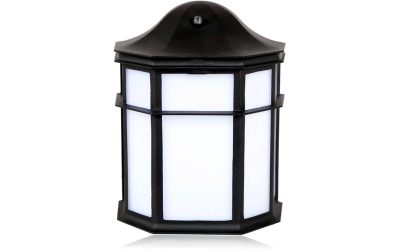
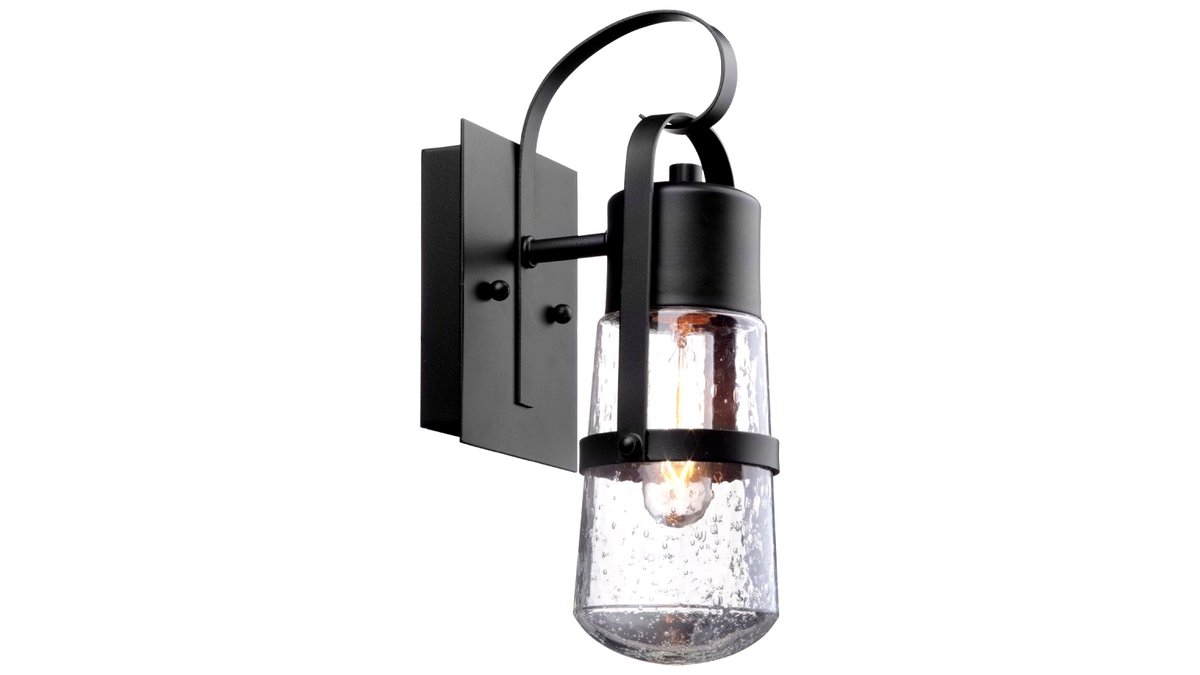
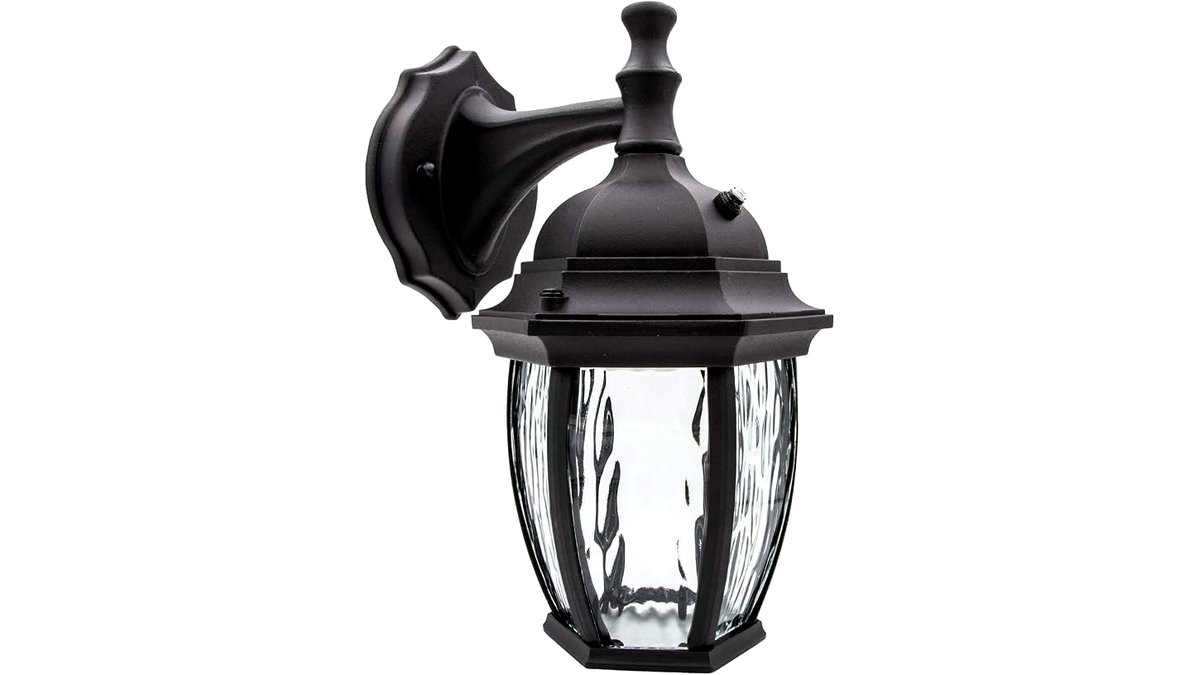
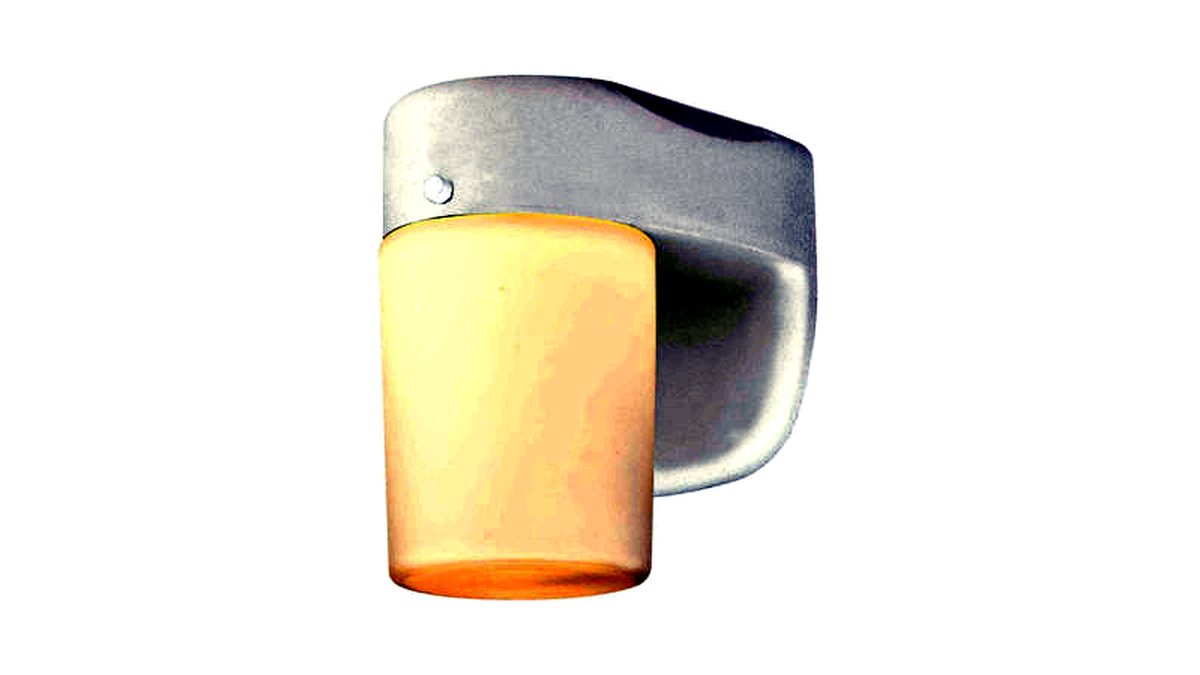
Brands such as Westinghouse, Globe Electric, and Progress Lighting offer decorative outdoor wall sconces with integrated LED sources and, in select lines, a built-in photocell for automatic dusk-to-dawn operation, which the makers position as both a design element and a practical entry light. These fixtures typically prioritize a finished look (bronze, black, or brushed nickel finishes are common) and moderate, even lighting rather than maximum brightness, suiting front doors, garage-adjacent walls, and covered porches.
Utilitarian Wall-Pack and Flood Fixtures
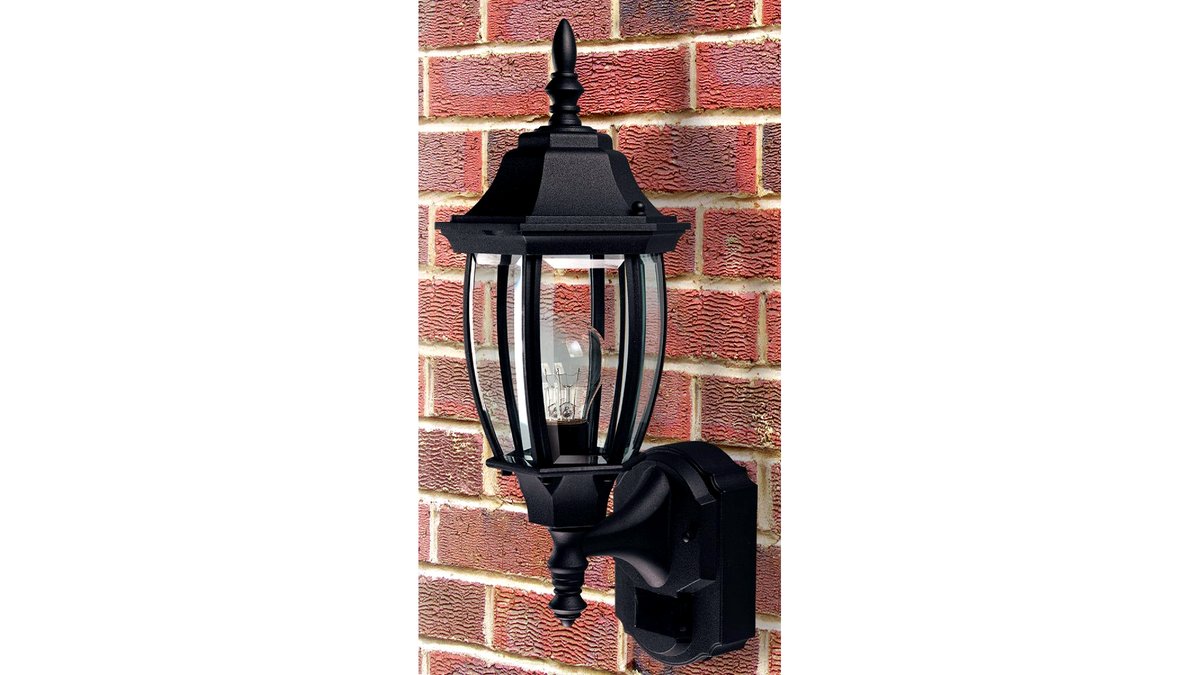
For driveways, side yards, and larger coverage areas, wall-mount flood and wall-pack style fixtures from makers such as Honeywell and Maxxima are commonly listed with a built-in photocell and a notably higher lumen output than decorative sconces, trading visual styling for raw brightness and spread. Some of these also combine the photocell with a motion sensor, so the fixture stays dim or off during the day and only brightens fully when both darkness and movement are detected.
At a Glance Comparison
| Option | Best For | Key Stated Specs | Limits |
|---|---|---|---|
| Decorative wall sconce with built-in photocell | Front doors, porches, and visible exterior walls | Finished housing styles, integrated LED, moderate lumen output per maker | Lower brightness than utility-style fixtures; limited to certain finishes/styles |
| Wall-pack/flood fixture with built-in photocell | Driveways, garages, and wide-area coverage | Higher stated lumen output, wider beam spread | Less decorative; more industrial appearance |
| Motion-and-photocell wall flood light | Security-focused areas needing a brightness boost at night | Adjustable motion range/sensitivity and time delay per maker | Requires tuning to avoid false triggers from pets or passing traffic |
| Small accent wall light with photocell | Steps, patios, and low-level path lighting | Lower stated lumen output suited to close-range lighting | Not intended as a primary security or entry light |
Fit, Mounting, and Compatibility Notes
Check the fixture’s junction-box pattern against the existing wall box if it’s replacing another hardwired light, since decorative sconces and utility flood fixtures don’t always share the same mounting footprint or hole spacing. Confirm the photocell sensor will have a clear, unobstructed view of open sky at the mounting location, since a covered porch ceiling or overhanging eave can shade the sensor and cause inconsistent on/off behavior. As with any hardwired fixture, installation should follow the manufacturer’s manual with the circuit breaker off, and a licensed electrician should be brought in for anything beyond a straightforward like-for-like swap, especially in older homes with unclear or ungrounded wiring.
Matching Light Output to the Mounting Location
Mounting height changes how a given fixture’s light actually spreads across the ground. A wall light mounted higher up, such as near a garage peak, will generally cast a wider pool of light but at lower intensity directly below it, while the same fixture mounted at eye level near a door concentrates more usable light closer to where people actually walk. Checking the maker’s suggested mounting height, where listed, can help set expectations for coverage before installation rather than after.
Color temperature is worth matching to the fixture’s role as well. Warmer color temperatures (around 2700-3000K) tend to suit decorative sconces near entries, complementing typical interior lighting and feeling more welcoming, while cooler color temperatures (4000K and above) are more common on utility and security-style wall-pack fixtures where maximum contrast and visibility matter more than ambiance. Mixing warm decorative sconces at the front door with cooler flood fixtures along a driveway is a common and reasonable combination rather than a mismatch.
Glare is a practical concern specific to wall-mounted fixtures, since they sit closer to eye level than pole-mounted or ceiling-mounted lights. Fixtures with a frosted or shielded lens reduce direct glare for anyone approaching the house or driving past, which is worth checking in the product listing or photos if the fixture will be visible from a street or shared walkway, since an unshielded bright LED source can be uncomfortable to look at directly even if it lights the ground effectively.
Pick X If… Decision Table
| If you… | Pick |
|---|---|
| Want a stylish fixture for a front door or visible wall | A decorative wall sconce with built-in photocell |
| Need to light a driveway or large side-yard area | A wall-pack or flood-style photocell fixture |
| Want extra brightness only when motion is detected at night | A motion-and-photocell wall flood light |
| Just need subtle lighting for steps or a patio | A small accent wall light with photocell |
Alternatives Worth Considering
Homeowners who want scheduling flexibility beyond simple dusk-to-dawn operation, such as turning lights off after a set time at night, might prefer a smart wall light or a smart switch paired with a standard fixture instead of a basic built-in photocell. Those without easy access to house wiring at a given wall location sometimes choose a solar-powered wall light instead, which avoids wiring entirely but depends on adequate daytime sun exposure to recharge. Renters or anyone wanting a reversible option may prefer a battery-powered motion or photocell wall light that mounts with screws or adhesive rather than a hardwired connection.
Frequently Asked Questions
Why won’t my wall light’s photocell turn the light off during the day?
This is usually caused by the sensor being shaded, dirty, or facing a reflective surface that confuses its ambient light reading. Cleaning the sensor lens and confirming it has a clear view of open sky typically fixes the issue, and a persistent problem usually means the sensor needs replacement.
Can I install a photocell wall light myself, or do I need an electrician?
A straightforward swap of one hardwired fixture for another at the same electrical box, following the manufacturer’s instructions with the breaker off, is within reach for many comfortable DIYers. Anything involving unfamiliar wiring, a missing ground, or a different mounting configuration should be handled by a licensed electrician.
Do decorative wall sconces give off enough light for security purposes?
Decorative sconces are generally designed for moderate, ambient lighting rather than maximum security brightness, so they may not be the best primary security light for a driveway or large yard. A wall-pack or flood-style fixture is typically a better fit where brightness and coverage area are the priority.
What’s the difference between a photocell and a motion sensor on a wall light?
A photocell reacts to ambient darkness and keeps the light on continuously through the night, while a motion sensor reacts to movement and turns the light on briefly when triggered. Combined fixtures use the photocell to arm the motion sensor only after dark, which limits daytime triggering and saves energy.
How do I stop my motion-and-photocell wall light from triggering on pets or passing cars?
Most of these fixtures include an adjustable sensitivity and detection range setting that can be lowered or aimed to exclude the area where false triggers occur. The manufacturer’s manual typically explains how to adjust these settings step by step for the specific model.
Will a wall light’s photocell work correctly under a covered porch?
It depends on how much the covering blocks the sensor’s view of the sky; a deep overhang can shade the sensor enough that it never fully registers nighttime darkness or daytime brightness correctly. In covered locations, checking reviewer feedback or the maker’s placement guidance before buying can help avoid this issue.