Key takeaways
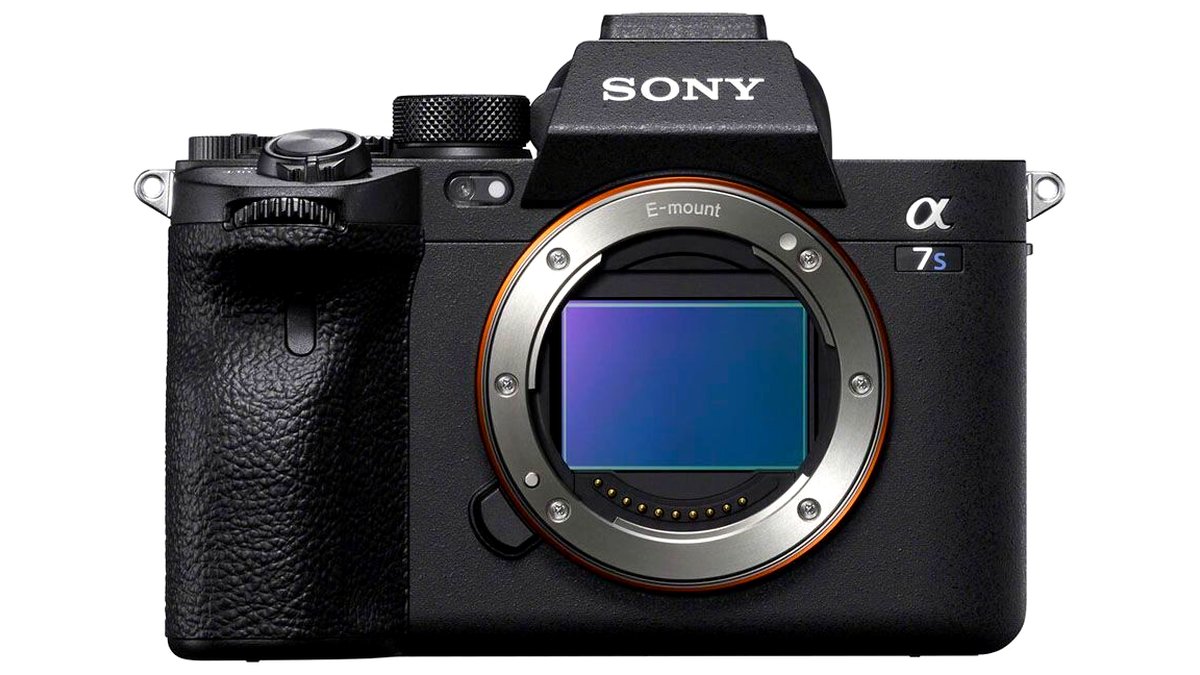
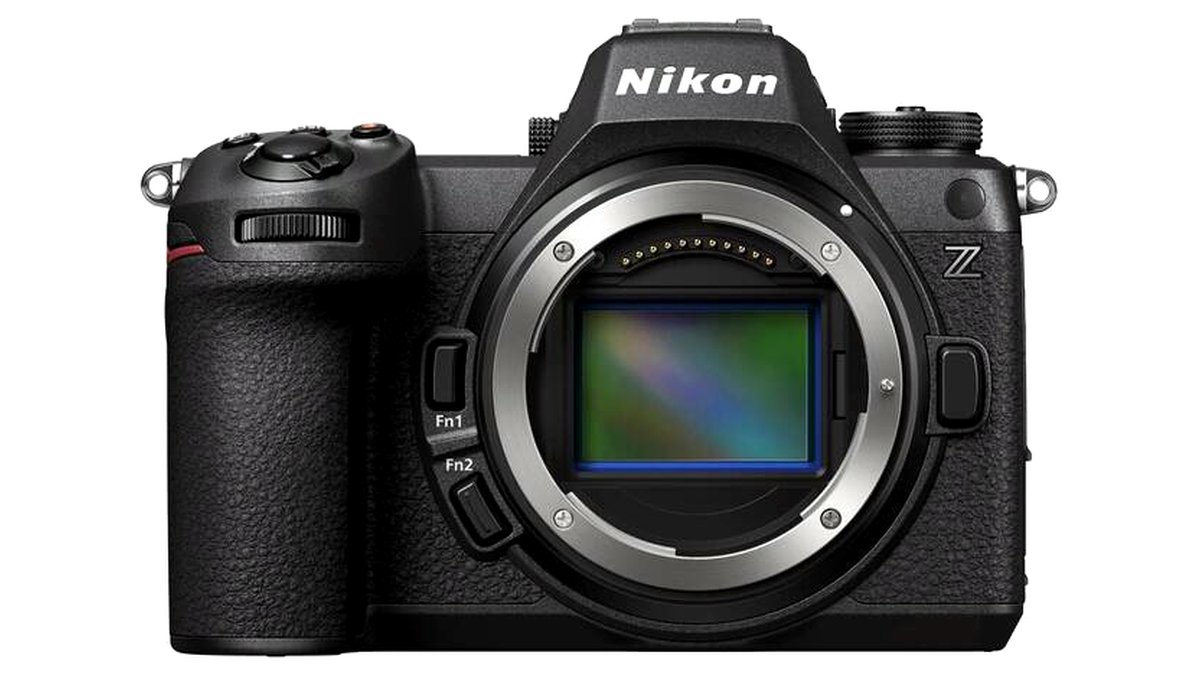
- Full-frame — the largest common mirrorless sensor size, gathering more light per pixel at the same resolution, which generally means cleaner images at high ISO and more flexibility in dim rooms or at dusk. Sony’s A7-series, Canon’s EOS R-series, Nikon’s Z-series, and Panasonic’s Lumix S-series all build full-frame bodies aimed at this strength.
- APS-C — a smaller sensor that still outperforms smartphone and compact-camera sensors badly in low light, at a lower body and lens cost. Fujifilm’s X-series and Sony’s APS-C E-mount bodies are built around this format, and pairing one with an f/1.4 or f/1.8 prime lens closes much of the gap to full-frame.
- Micro Four Thirds — the smallest of the common mirrorless formats, used in Panasonic’s Lumix G-series and OM System’s (formerly Olympus) OM-series; strong in-body stabilization partly compensates for the smaller sensor, but high-ISO noise shows up sooner than on APS-C or full-frame.
For low light, the sensor’s physical size matters more than megapixel count: a full-frame body suits buyers who shoot events, weddings, or astrophotography and can afford larger lenses, an APS-C body suits buyers who want strong low-light results in a smaller, cheaper kit, and a stacked-sensor full-frame body suits buyers who need both low-light quality and fast-action autofocus for things like indoor sports.
As an Amazon Associate, we earn from qualifying purchases made through links on this page.
“Low light” performance in a mirrorless camera comes from three things working together: sensor size and generation, the lens’s maximum aperture, and in-body stabilization. A camera body alone doesn’t make a low-light photo — pairing a smaller-sensor body with a fast prime lens can out-perform a bigger sensor stuck with a slow kit zoom. This guide compares sensor formats and feature tiers rather than chasing a specific model number, since camera lineups refresh often; the brand families named below have maintained consistent low-light strengths across generations.
Sensor format: the biggest factor
- Full-frame — the largest common mirrorless sensor size, gathering more light per pixel at the same resolution, which generally means cleaner images at high ISO and more flexibility in dim rooms or at dusk. Sony’s A7-series, Canon’s EOS R-series, Nikon’s Z-series, and Panasonic’s Lumix S-series all build full-frame bodies aimed at this strength.
- APS-C — a smaller sensor that still outperforms smartphone and compact-camera sensors badly in low light, at a lower body and lens cost. Fujifilm’s X-series and Sony’s APS-C E-mount bodies are built around this format, and pairing one with an f/1.4 or f/1.8 prime lens closes much of the gap to full-frame.
- Micro Four Thirds — the smallest of the common mirrorless formats, used in Panasonic’s Lumix G-series and OM System’s (formerly Olympus) OM-series; strong in-body stabilization partly compensates for the smaller sensor, but high-ISO noise shows up sooner than on APS-C or full-frame.
Features that matter beyond sensor size
- In-body image stabilization (IBIS) — lets you shoot at slower shutter speeds handheld without motion blur, which is often more useful in low light than raw sensor sensitivity, since a static scene at a slow shutter can look cleaner than a high-ISO fast shutter.
- Lens maximum aperture — an f/1.8 or f/1.4 prime lens lets in dramatically more light than a typical f/3.5-5.6 kit zoom; buyers serious about low light should budget for at least one fast prime over chasing body specs alone.
- Autofocus in low light — newer stacked-sensor and dual-gain-architecture sensors, found in higher-tier bodies from Sony, Canon, and Nikon, maintain autofocus accuracy in dimmer conditions than older sensor generations; this matters most for moving subjects like kids, pets, or indoor sports.
- High-ISO noise handling — generally improves with each sensor generation and tends to be better on full-frame than APS-C than Micro Four Thirds at the same ISO setting, though in-camera and post-processing noise reduction narrow the gap.
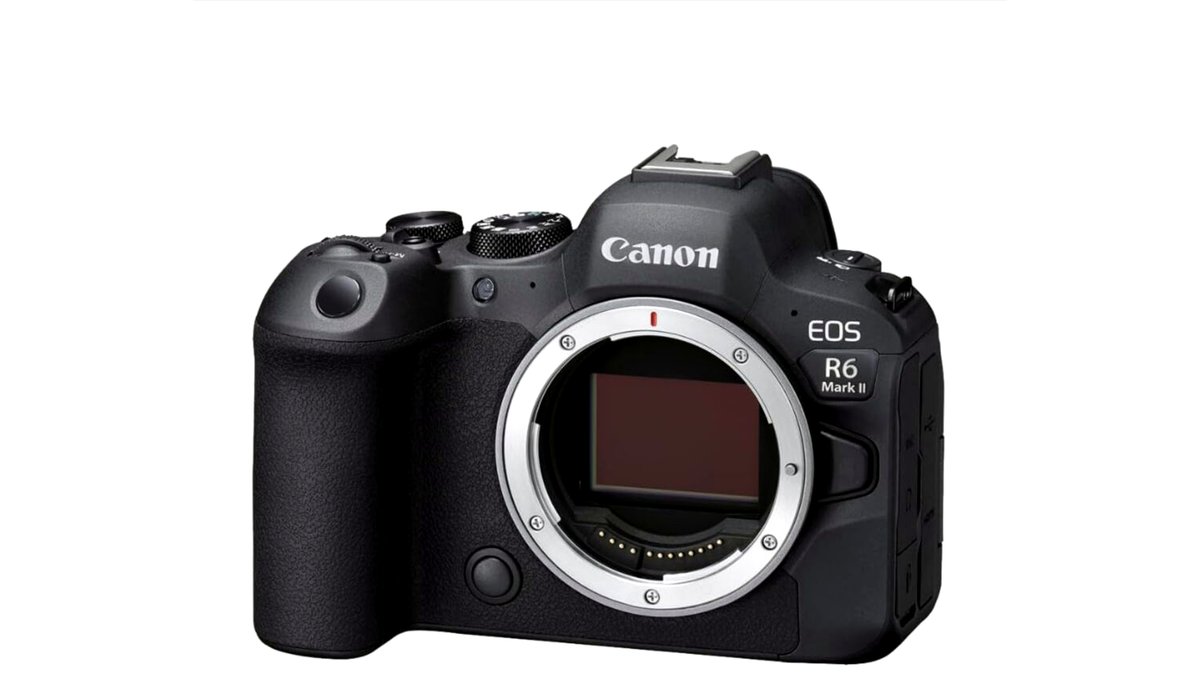
At a glance
| Format/tier | Best for | Key stated specs | Limits |
|---|---|---|---|
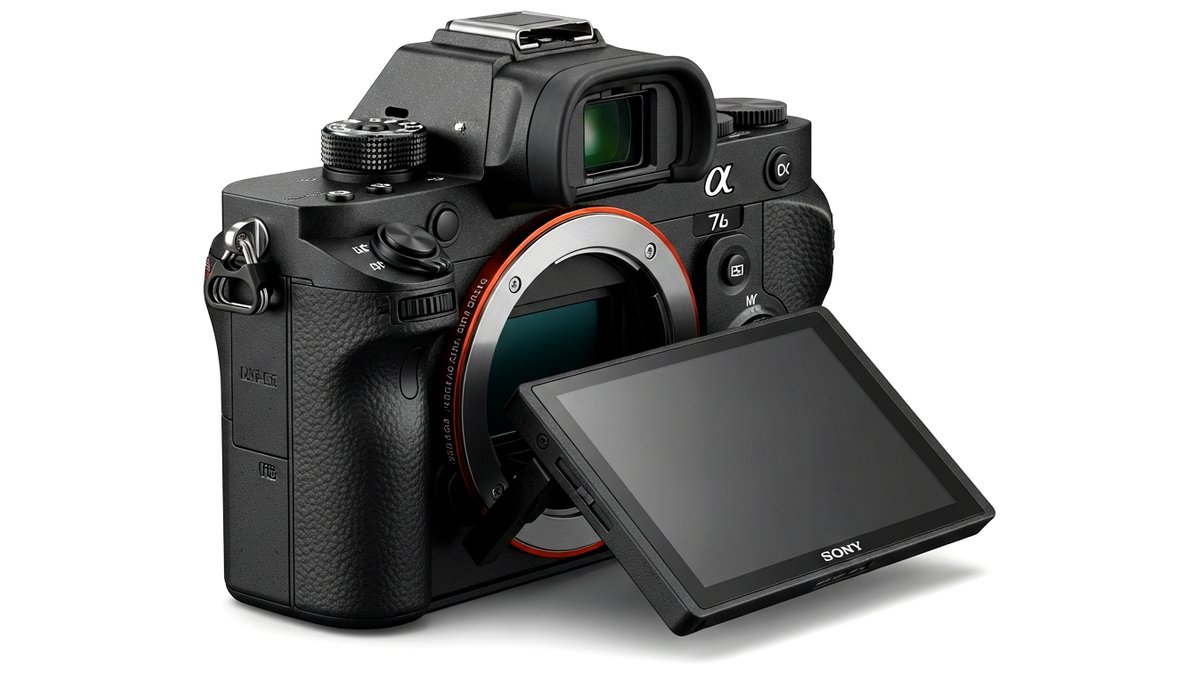
| Full-frame flagship (Sony A7-series, Canon EOS R-series, Nikon Z-series) | Weddings, events, astrophotography, buyers who want the strongest base low-light performance | Largest common sensor size; makers list wide native ISO ranges and IBIS on most current bodies | Higher body and lens cost; bigger, heavier kit |
| Full-frame entry tier | Buyers who want full-frame low-light benefit without flagship pricing | Same sensor size class as flagships, typically fewer autofocus points and slower burst rates per the maker’s specs | Fewer pro video/AF features than flagship bodies |
| APS-C with fast primes (Fujifilm X-series, Sony APS-C E-mount) | Buyers who want strong low-light results in a smaller, lighter, cheaper kit | Smaller sensor than full-frame; IBIS on most current bodies in the line per the maker | More visible noise than full-frame at very high ISO |
| Micro Four Thirds (Panasonic Lumix G, OM System OM) | Travel and everyday shooters prioritizing small size and strong stabilization | Smallest common sensor size; makers emphasize class-leading IBIS specs on many bodies | Noisiest of the three formats at matched high ISO |
| Stacked-sensor full-frame (higher-end Sony and Canon bodies) | Indoor sports, fast-moving low-light subjects | Faster sensor readout per the maker’s specs, aimed at autofocus tracking in dim conditions | Premium pricing tier |
Fit and compatibility notes
Lens mount matters as much as sensor format: Sony full-frame bodies use the E-mount, Canon full-frame uses RF, Nikon full-frame uses Z-mount, and each maker’s APS-C bodies in the same mount family can often share full-frame lenses (at a crop) but not the reverse. Fujifilm’s APS-C X-series uses its own X-mount with a deep native lens lineup built specifically around that format. Older DSLR lenses can sometimes mount via an adapter, but autofocus speed and accuracy through an adapter is generally reported as slower than a native lens, which matters more in low light where autofocus already has less to work with. Buyers upgrading from a smartphone or compact camera should budget for a fast prime lens alongside the body — reviewers consistently report that a fast lens on a mid-tier body beats a flagship body with a slow kit zoom for actual low-light image quality.
Pick this if…
| Situation | Pick |
|---|---|
| You shoot weddings, events, or astrophotography and can invest in a full kit | Full-frame flagship body + fast prime lens |
| You want full-frame low-light benefit on a tighter budget | Full-frame entry-tier body + fast prime lens |
| You want strong low-light shots in a lighter travel kit | APS-C body (Fujifilm X-series or Sony APS-C) + fast prime |
| Size and in-body stabilization matter more than absolute noise performance | Micro Four Thirds body with strong IBIS specs |
| You shoot indoor sports or fast subjects in dim gyms | Stacked-sensor full-frame body |
| You already own lenses in one mount family | Stay within that mount to avoid an adapter |
Alternatives worth knowing about
- A used or previous-generation flagship body — sensor technology moves slowly enough that a prior-generation full-frame flagship, bought secondhand, can still outperform a brand-new entry-level body in low light, often for similar money.
- A fast prime lens upgrade instead of a new body — if your current camera already has a usable sensor, an f/1.4 or f/1.8 prime often improves low-light shots more than a body upgrade would.
- An external flash or LED light — not a camera feature, but for buyers who find themselves constantly fighting noise, adding controlled light to the scene is frequently the more reliable fix than chasing higher ISO performance.
Frequently Asked Questions
Does more megapixels mean better low-light performance?
Not directly. At the same sensor size, spreading more megapixels across the same area generally makes each individual pixel smaller and gathers less light per pixel, which can slightly hurt noise performance. Sensor generation and processing improvements often offset this, but megapixel count alone is not a reliable low-light indicator.
Is a full-frame camera always better in low light than APS-C?
Generally yes, at matched ISO and comparable sensor generation, because the larger sensor collects more light. But an APS-C body paired with a fast prime lens can outperform a full-frame body stuck with a slow zoom, so the lens choice matters alongside the sensor.
What ISO range should I look for in a low-light camera?
Look at the maker’s listed native ISO range and, more usefully, independent reviewers’ real-world noise comparisons at specific ISO values, since marketing-listed maximum ISO numbers often include extended settings that produce visibly degraded images.
Does in-body stabilization replace the need for a fast lens?
No. Stabilization helps with camera shake on static subjects at slower shutter speeds, but it does nothing for a moving subject, which still needs a fast shutter speed and therefore a wide aperture or higher ISO. The two features solve different problems.
Can I use my old DSLR lenses on a new mirrorless body?
Often yes with a mount adapter, but reviewers commonly report slower and less reliable autofocus through an adapter compared with a native lens, which is especially noticeable in low light where autofocus systems already have less contrast and light to work with.
Should I prioritize sensor size or lens speed on a limited budget?
If forced to choose, reviewers and experienced shooters frequently favor a fast lens (f/1.8 or faster) on a smaller-sensor body over a slower lens on a bigger sensor, since the lens affects every shot while sensor size differences are partly compensated for by good light-gathering glass.