Key takeaways
- Sellers shooting on a tabletop or in a light tent for an online store do best with a mid-range APS-C or full-frame mirrorless body paired with a dedicated macro or short-telephoto prime, while anyone photographing larger goods like furniture benefits…
Sellers shooting on a tabletop or in a light tent for an online store do best with a mid-range APS-C or full-frame mirrorless body paired with a dedicated macro or short-telephoto prime, while anyone photographing larger goods like furniture benefits more from a wider zoom and strong dynamic range than from extra megapixels. The right camera depends on product size, lighting setup, and how much post-processing control matters.
As an Amazon Associate, we earn from qualifying purchases made through links on this page.
What Matters Most for Product Photography
Product photography has different priorities than portrait or action photography. Autofocus speed matters far less than color accuracy, dynamic range, and the ability to focus precisely and repeatably on a static subject. A camera that excels at tracking a moving subject but struggles with accurate white balance or flat color profiles is a worse fit here than a slower, more deliberate body with strong color science.
Sensor size affects depth of field control more than most buyers expect. A full-frame sensor makes it easier to get a very shallow depth of field for hero shots with a blurred background, but it also makes it harder to keep an entire product in focus at close range without stopping the aperture down significantly or using focus stacking. An APS-C or Micro Four Thirds sensor naturally produces more depth of field at a given aperture, which can actually simplify keeping small products sharp edge to edge without extra technique.
Tethering and remote control support matters for studio workflows. Many current mirrorless bodies support tethered shooting to a computer, letting the photographer see a live, large preview and trigger the shutter remotely, which speeds up repetitive catalog shoots significantly. Check the camera maker’s own tethering software compatibility and whether it requires a USB cable connection or supports wireless tethering, since support varies by brand and camera line.
Lens choice matters as much as the body for this use case. A true macro lens is valuable for jewelry, cosmetics, or any small product needing extreme close-up detail, while a standard short-telephoto prime in roughly the 50-100mm range (accounting for sensor crop factor) gives flattering perspective with minimal distortion for mid-size products like bags, shoes, or electronics.
Camera Types for Product Work
Entry to Mid-Range APS-C Mirrorless
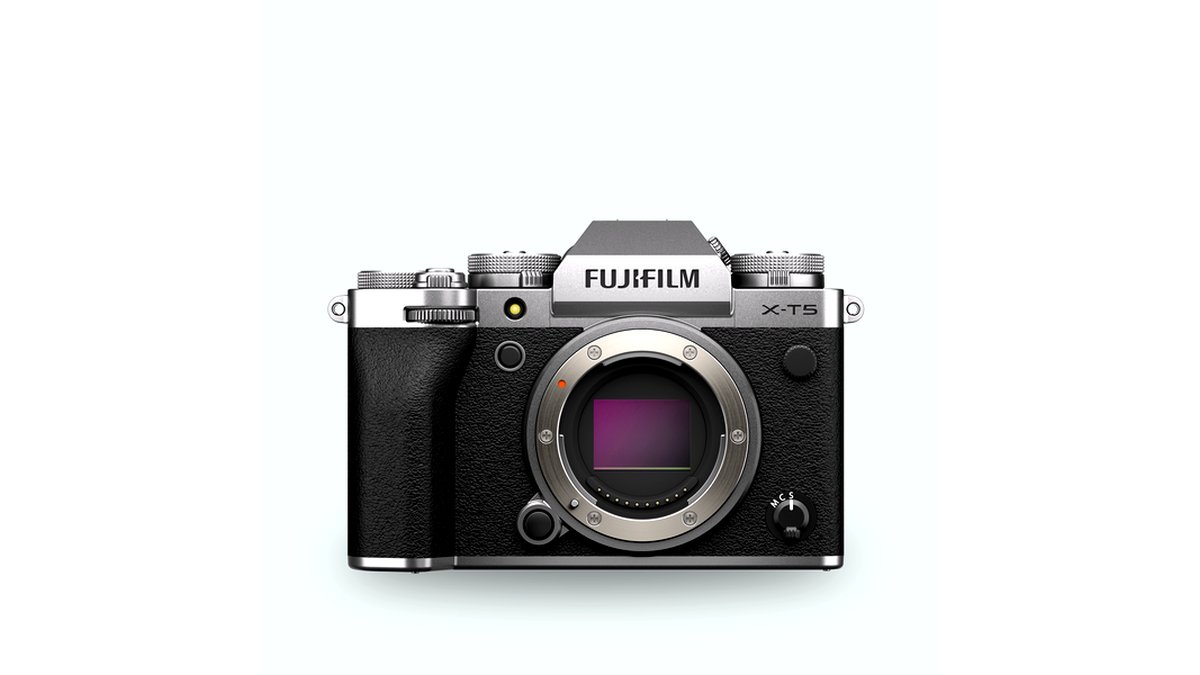
These bodies offer strong image quality, straightforward menus, and a wide range of affordable lens options, including dedicated macro lenses from several manufacturers. They suit sellers starting a dedicated product photography setup who want good results without a full-frame body’s cost. Limits: dynamic range and low-light performance trail full-frame sensors, though this matters less with controlled studio lighting.
Full-Frame Mirrorless
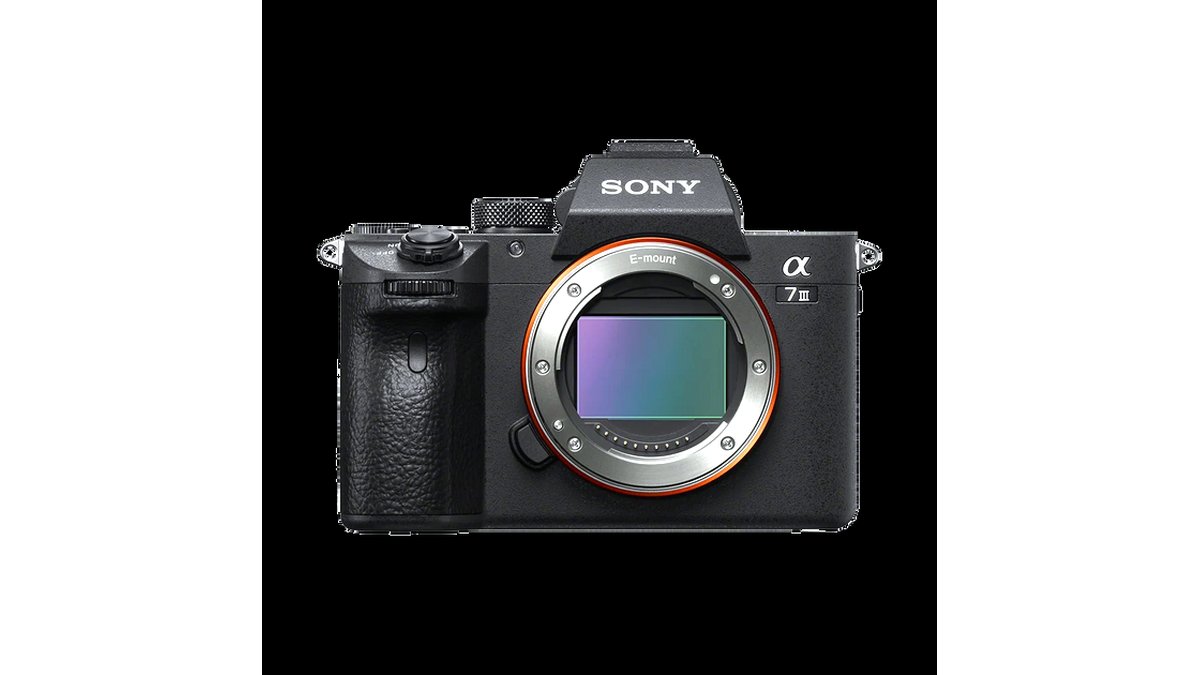
Full-frame bodies deliver the strongest dynamic range and color depth, useful for products with subtle color gradients, reflective surfaces, or high-end goods where image quality differences matter to the buyer. They suit professional product photographers and brands producing their own catalog imagery at scale. Limits: higher cost for both body and compatible full-frame lenses, and shallower native depth of field requires more careful aperture and focus technique for close-up shots.
Micro Four Thirds Mirrorless
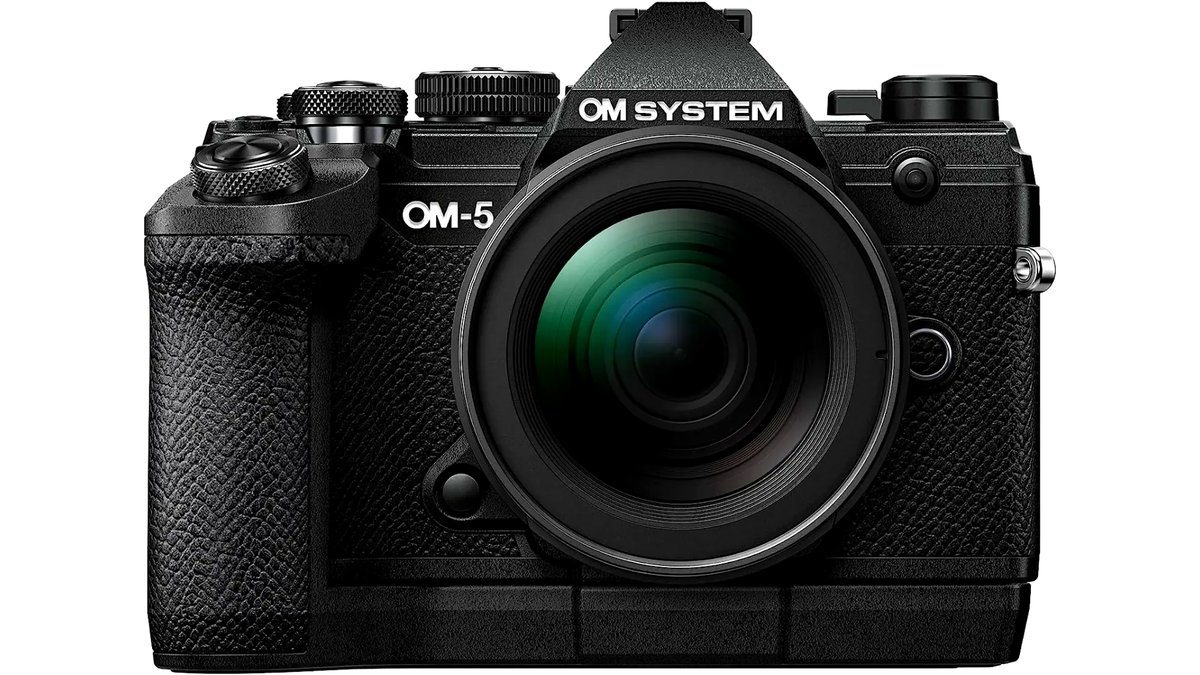
The smaller Micro Four Thirds sensor format naturally produces more depth of field at a given aperture and f-stop, which can simplify getting small products fully sharp without focus stacking. These suit sellers photographing small goods like jewelry, electronics accessories, or cosmetics where edge-to-edge sharpness matters more than background blur. Limits: smaller sensor size means somewhat less dynamic range and lower performance in dim studio corners compared to larger sensors.
High-Resolution Mirrorless
Bodies built around very high megapixel counts allow heavy cropping and large-format output, useful for brands that need to pull multiple crops from one shot or print large-format marketing materials. They suit established sellers with high-volume catalog needs and the storage and computing power to handle large file sizes. Limits: large files slow down storage and editing workflows, and the extra resolution often matters less than lighting quality for typical online listing photos.
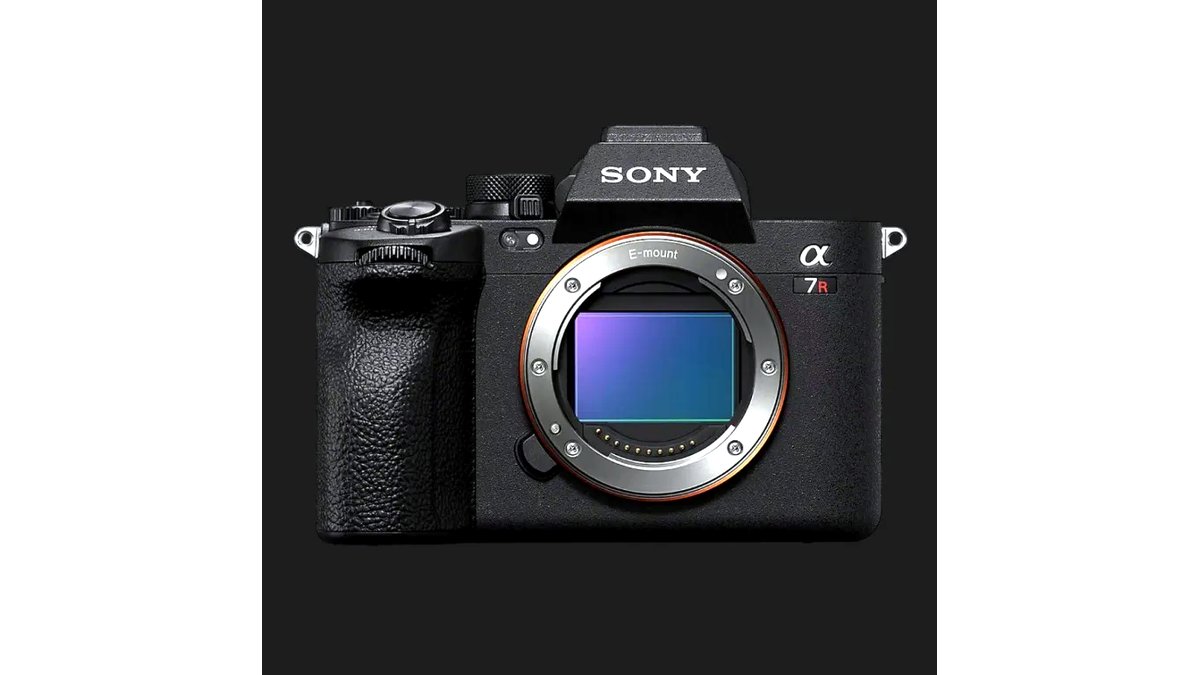
At a Glance: Mirrorless Types Compared
| Camera Type | Best For | Key Stated Specs | Limits |
|---|---|---|---|
| Entry/mid APS-C | Sellers starting a dedicated setup | Wide affordable lens selection, solid color accuracy | Lower dynamic range than full-frame |
| Full-frame | High-end catalog and brand photography | Strongest dynamic range, shallow depth of field control | Higher body and lens cost |
| Micro Four Thirds | Small products needing full sharpness | More natural depth of field at a given aperture | Smaller sensor, less dynamic range |
| High-resolution | High-volume catalogs, heavy cropping needs | Very high megapixel count | Large files, slower workflow |
Pick X If…
| If You… | Choose |
|---|---|
| Are setting up your first dedicated product photography system | An entry to mid-range APS-C mirrorless with a macro lens |
| Shoot high-end goods where color and tonal accuracy drive sales | A full-frame mirrorless body |
| Photograph small items like jewelry or cosmetics needing full sharpness | A Micro Four Thirds mirrorless camera |
| Run a high-volume catalog needing flexible cropping | A high-resolution mirrorless body |
| Shoot large products like furniture or appliances | Any body paired with a wider zoom lens rather than a macro prime |
Fit, Lens, and Workflow Compatibility Notes
Lens mount compatibility is the biggest long-term decision, since switching camera brands later usually means replacing the lens collection too. Check whether the body uses the maker’s current mirrorless mount or an older mount requiring an adapter, since adapted lenses sometimes autofocus more slowly or lose some electronic communication with the body.
For tethered studio shooting, confirm the camera supports the tethering software already in use, or plan to adopt whatever software the maker’s own ecosystem supports best. A reliable USB-C tethering cable, rated for data and not just charging, avoids dropped connections mid-shoot.
Lighting compatibility also matters: continuous LED lighting avoids the flash-sync complexity of strobes and works well with mirrorless live view for precise, repeatable product setups, while studio strobes need checking the camera’s flash sync speed and whether a compatible trigger exists for that camera’s hot shoe or wireless protocol.
Alternatives Worth Considering
A high-end smartphone camera is worth considering for sellers with very simple, high-volume listing needs and a well-lit setup, since modern computational photography handles flat, evenly lit product shots reasonably well without a dedicated camera investment. A DSLR, rather than mirrorless, remains a reasonable alternative for photographers who already own DSLR lenses and don’t want to switch mounts, since the core image quality difference between current DSLRs and mirrorless bodies is smaller than sensor specs alone suggest. A dedicated product photography light box or turntable kit with a simpler point-and-shoot camera is also worth a look for very small sellers prioritizing consistency and speed over maximum image quality.
Frequently Asked Questions
Do I need a full-frame camera for product photography?
No; an APS-C or Micro Four Thirds body produces perfectly usable catalog images, and the smaller sensor’s extra depth of field can actually help keep small products sharp. Full-frame becomes more valuable for high-end brand photography where subtle color and tonal range differences matter to the final buyer.
What lens should I buy first for product shots?
A dedicated macro lens, often in the 60-100mm range depending on sensor size, covers small to mid-size products well and gives true close-up capability for detail shots. A shorter zoom lens is a reasonable alternative for sellers photographing a wider range of product sizes who want one lens to cover most needs.
Is a tripod necessary for product photography?
A tripod or copy stand is close to essential for consistent product photography, since it keeps framing identical across a full catalog shoot and allows smaller apertures with longer shutter speeds without camera shake. Handheld shooting introduces framing drift that becomes obvious when images are displayed side by side on a storefront.
How much does megapixel count actually matter?
For typical online listing images, moderate resolution in the 20-24 megapixel range is generally enough, since most displays and marketplaces compress images well below the camera’s native resolution anyway. Higher resolution mainly helps when heavy cropping or large print output is part of the workflow.
Can I use continuous lighting instead of flash?
Yes, continuous LED lighting is a common choice for product photography because it lets the photographer see the lighting effect in real time through the camera’s live view, simplifying setup compared to flash. Flash or strobe lighting offers more raw power for difficult reflective or dark subjects but adds sync-speed and trigger considerations.
Does autofocus speed matter for product photography?
Autofocus speed matters far less here than in action or wildlife photography, since the subject is static and focus can be set deliberately, sometimes even manually, for each shot. Autofocus accuracy and the availability of manual focus assist tools like focus peaking matter more than raw tracking speed.