Key takeaways
- APS-C lenses are mount-specific to each maker’s system; a lens built for one brand’s APS-C mount does not fit another brand’s body without an adapter, and even within one maker, mirrorless and DSLR mounts usually differ.
- Some full-frame lenses from the same maker’s mirrorless mount can fit APS-C bodies directly, but effectively lose their wide-angle range due to the crop factor.
- Memory card speed requirements rise significantly for 4K or high-frame-rate video modes; check the maker’s minimum card speed rating before buying cards.
- Battery grips, if offered, are body-specific and not interchangeable across different camera generations from the same maker.
Buyers wanting the smallest, lightest interchangeable-lens camera that still delivers strong image quality should look at an entry to mid-range APS-C mirrorless body, while anyone shooting fast action, wildlife, or serious video should move up to an enthusiast-tier APS-C body with faster autofocus and better in-body stabilization. APS-C mirrorless cameras sit as the practical middle ground between compact point-and-shoot simplicity and full-frame size, weight, and cost.
As an Amazon Associate, we earn from qualifying purchases made through links on this page.
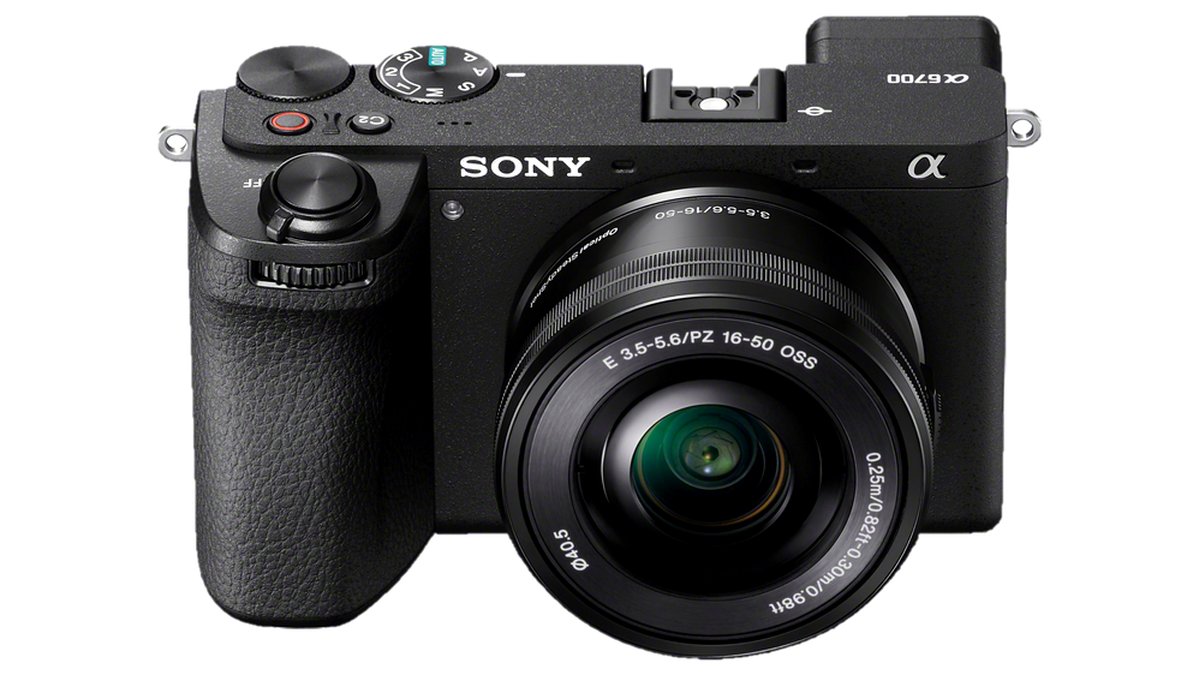
Why APS-C Mirrorless Remains the Most Popular Format
APS-C sensors are smaller than full-frame sensors but noticeably larger than smartphone or compact-camera sensors, which gives APS-C mirrorless bodies a real advantage in low-light performance, depth-of-field control, and dynamic range over phones while keeping the body and lenses meaningfully smaller and lighter than full-frame equivalents. This balance is why APS-C remains the format major camera makers still build entire current-generation lens lineups around, rather than treating it as a stepping-stone format.
The smaller sensor also gives APS-C lenses an effective reach advantage for telephoto work, since the crop factor (commonly around 1.5x or 1.6x depending on the maker) effectively extends a lens’s reach compared to the same focal length on a full-frame body. This is one reason wildlife and sports shooters on a budget often prefer APS-C over full-frame for telephoto-heavy work, even when full-frame is otherwise within reach.
Autofocus, Burst Speed, and Stabilization: Where Tiers Actually Differ
Entry-level APS-C bodies typically offer competent but simpler autofocus systems, adequate for portraits, travel, and casual shooting but less reliable for fast-moving or erratic subjects. Enthusiast-tier APS-C bodies step up with more autofocus points, better subject tracking (including eye and subject detection on many current models), and higher continuous shooting speeds, which matters directly for sports, birds in flight, and kids or pets in motion.
In-body image stabilization (IBIS) is increasingly common on mid-range and higher APS-C bodies, and it works in combination with any stabilization built into the lens itself. Makers list stabilization performance in stops of shake correction; higher-rated systems make handheld low-light stills and smoother handheld video noticeably more achievable without a tripod or gimbal.
Fit and Compatibility Notes
- APS-C lenses are mount-specific to each maker’s system; a lens built for one brand’s APS-C mount does not fit another brand’s body without an adapter, and even within one maker, mirrorless and DSLR mounts usually differ.
- Some full-frame lenses from the same maker’s mirrorless mount can fit APS-C bodies directly, but effectively lose their wide-angle range due to the crop factor.
- Memory card speed requirements rise significantly for 4K or high-frame-rate video modes; check the maker’s minimum card speed rating before buying cards.
- Battery grips, if offered, are body-specific and not interchangeable across different camera generations from the same maker.
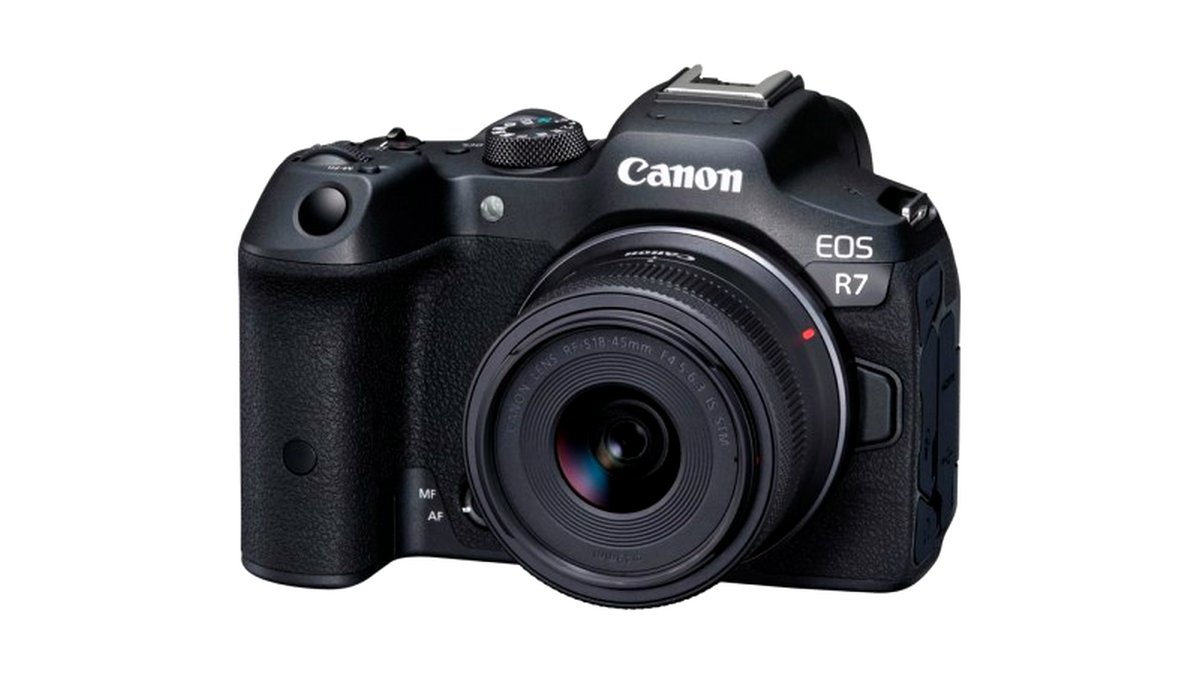
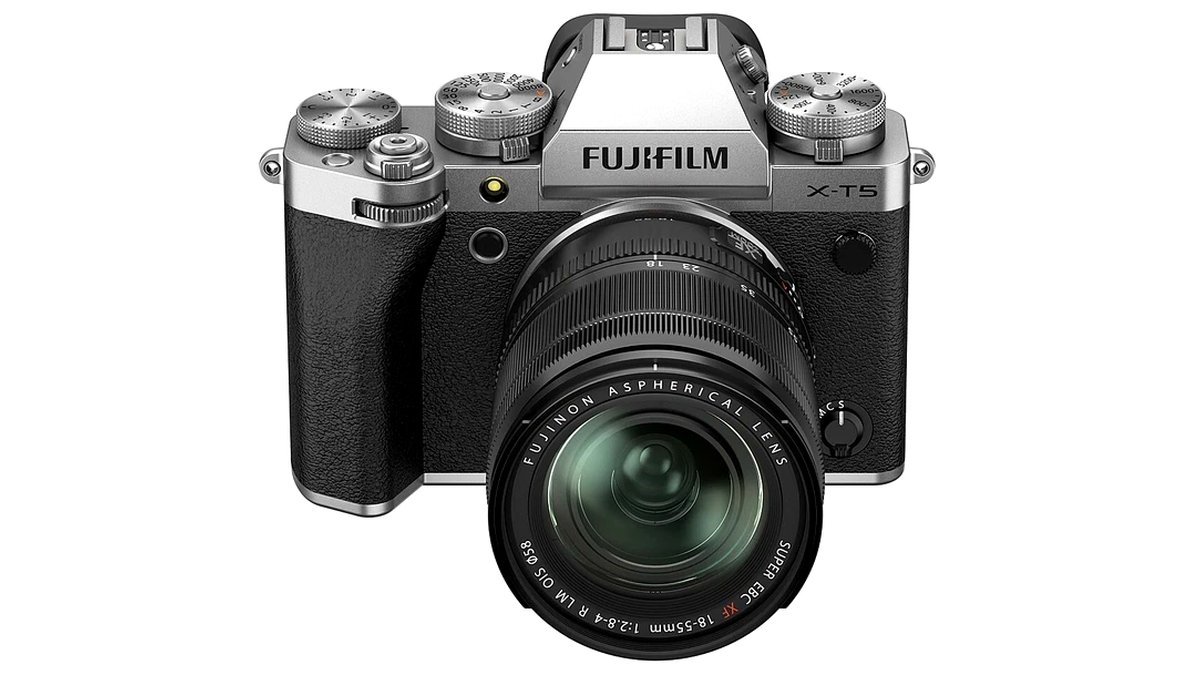
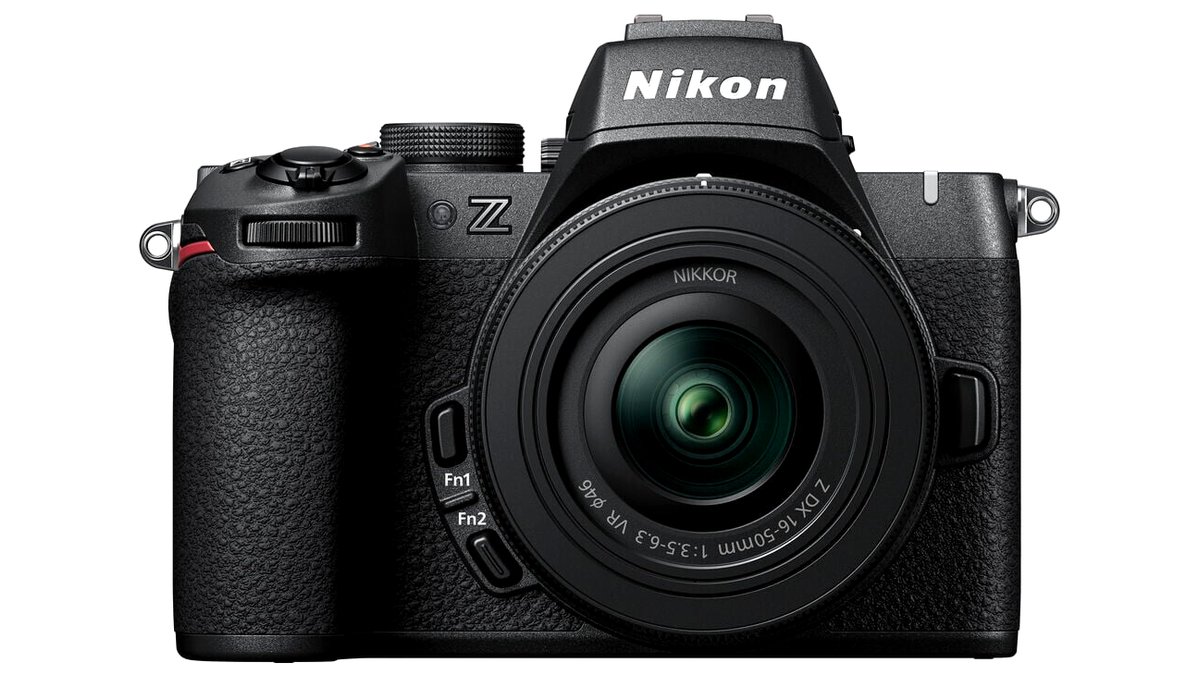
At a Glance: APS-C Mirrorless Tiers
| Tier | Best for | Key stated specs | Limits |
|---|---|---|---|
| Entry-level APS-C mirrorless | First-time buyers, travel, casual family photography | Makers commonly list 20+ megapixel sensors with basic continuous autofocus | Slower burst rates; simpler autofocus tracking for fast subjects |
| Mid-range APS-C mirrorless | Hobbyists wanting better autofocus and some video capability | Makers list improved subject tracking and moderate burst speeds | Higher cost than entry tier; still below enthusiast-tier speed and buffer depth |
| Enthusiast APS-C mirrorless | Sports, wildlife, and serious video shooters on an APS-C budget | Makers list fast continuous shooting, advanced subject detection, and higher-resolution video modes | Larger body and lens combinations; cost approaches entry full-frame options |
| Compact/rangefinder-style APS-C mirrorless | Street and travel photographers prioritizing size and discretion | Makers emphasize smaller body dimensions and lighter weight | Fewer physical controls; smaller grip can be less comfortable with larger lenses |
Pick This If…
| Situation | Recommended tier |
|---|---|
| First interchangeable-lens camera, casual and travel use | Entry-level APS-C mirrorless |
| Want better autofocus and some video without top-tier cost | Mid-range APS-C mirrorless |
| Shooting sports, wildlife, or fast action regularly | Enthusiast APS-C mirrorless |
| Priority is a small, light, pocketable kit for street or travel | Compact/rangefinder-style APS-C mirrorless |
| Video is the main use case, not stills | Mid-range or enthusiast tier with strong video autofocus and cooling |
Video Specs Worth Checking Separately From Stills
Video-focused buyers should look past headline resolution numbers like 4K and check the maker’s listed bit rate, recording time limits, and whether the sensor readout causes rolling-shutter distortion during fast pans, since these details affect usable footage quality more than resolution alone. Continuous recording time limits, sometimes imposed for heat management, can matter for anyone recording long uninterrupted clips such as interviews or events.
Autofocus during video, including eye-tracking and subject-following performance while recording, varies more between tiers than autofocus for stills, since video autofocus has to work continuously and smoothly rather than locking once per shot. Reviewers covering hybrid shooters consistently flag this as a bigger practical difference between entry and enthusiast APS-C bodies than most spec sheets make obvious.
Lens Ecosystem: The Long-Term Factor Buyers Often Skip
Buying into an APS-C mirrorless system means buying into that maker’s lens lineup for years, so it’s worth checking how many native APS-C lenses the brand currently supports, including affordable primes, telephoto zooms, and macro options, rather than judging the system on the body alone. Some makers lean on third-party lens manufacturers to fill out their APS-C lineup, which can be a practical advantage since it often brings lower-cost options to the system faster than the camera maker alone would.
Buyers planning to grow into longer telephoto lenses for wildlife or sports should also check whether the system’s native APS-C lenses cover that range natively, or whether reaching it requires adapting full-frame lenses from the same maker, which adds cost and sometimes size without a proportional benefit. Reviewers who track long-term system value generally weigh lens selection as heavily as body specs when comparing APS-C mirrorless brands.
Alternatives Worth Considering
Buyers who want better low-light and depth-of-field performance than APS-C but don’t need the largest possible sensor might consider an entry-level full-frame mirrorless body instead, accepting larger and heavier lenses in exchange. A second alternative is a Micro Four Thirds mirrorless system, which uses an even smaller sensor than APS-C but offers some of the smallest and lightest lens options available, particularly useful for telephoto reach in a compact package. A third alternative for buyers who mostly want convenience is a premium fixed-lens compact camera with a larger sensor built in, trading lens flexibility for a simpler, smaller all-in-one package.
Frequently Asked Questions
Is APS-C good enough for professional work, or do I need full-frame?
Many working photographers and videographers use APS-C professionally, particularly for events, sports, and wildlife where the format’s effective telephoto reach and smaller lens size are advantages rather than compromises. Full-frame still has an edge in ultimate low-light performance and shallow depth of field, but the gap has narrowed considerably on current-generation APS-C sensors.
Can I use full-frame lenses on an APS-C body from the same brand?
Often yes, within the same maker’s mirrorless mount, though the lens’s effective focal length changes due to the crop factor, and a wide-angle full-frame lens will behave less wide on an APS-C body. Autofocus and image stabilization typically still function normally in this combination.
How much does crop factor actually affect my photos?
Crop factor changes the effective field of view and apparent reach of a lens, commonly multiplying the focal length by roughly 1.5x or 1.6x depending on the maker, which makes telephoto lenses reach further but wide-angle lenses less wide than their focal length suggests. It does not change the lens’s physical aperture or exposure settings.
Do I need in-body stabilization if my lens already has stabilization?
Many current systems combine lens-based and in-body stabilization for a greater total effect than either alone, according to maker specifications, particularly useful for telephoto shooting and handheld video. A lens without built-in stabilization still benefits significantly from a body that has IBIS, which is one reason buyers increasingly value this feature on the body itself.
Will an entry-level APS-C body be enough, or will I outgrow it quickly?
For most casual and even many enthusiast uses, an entry-level body remains capable for years, since lens upgrades often produce a bigger quality improvement than body upgrades. Buyers specifically planning to shoot fast sports, wildlife, or professional video are the ones most likely to feel limited by entry-tier autofocus and burst speed sooner.
Are APS-C mirrorless cameras good for video as well as stills?
Yes, most current APS-C mirrorless bodies support strong video modes including 4K recording, though continuous autofocus quality during video and overheating limits vary meaningfully between entry and enthusiast tiers. Buyers prioritizing video should check the maker’s stated continuous recording limits and video autofocus features specifically, rather than assuming stills performance predicts video performance.