Key takeaways
- Add up the full rig weight, including battery, lens, microphone, and any monitor, before comparing it to a gimbal’s maximum payload rating.
- Check the quick-release plate standard (commonly Arca-Swiss style on higher-end gimbals) against any existing tripod plates already in the kit.
- Confirm the gimbal’s handle or dual-handle configuration suits the rig’s weight for extended handheld operation; very heavy rigs are often easier to manage with a dual-handle or vest-and-arm support system.
- Battery runtime drops faster under heavier payloads, so check the maker’s stated runtime at a payload close to the actual rig weight, not the gimbal’s maximum rating.
Shooters carrying a full-frame DSLR with a heavy zoom or cine lens need a motorized gimbal rated well above their actual rig weight, since a gimbal that is only barely rated for the payload struggles with balance and motor strain, while a gimbal with real headroom handles lens swaps and added accessories without retuning. Matching payload capacity, not just brand reputation, is the deciding factor for heavy DSLR setups.
As an Amazon Associate, we earn from qualifying purchases made through links on this page.
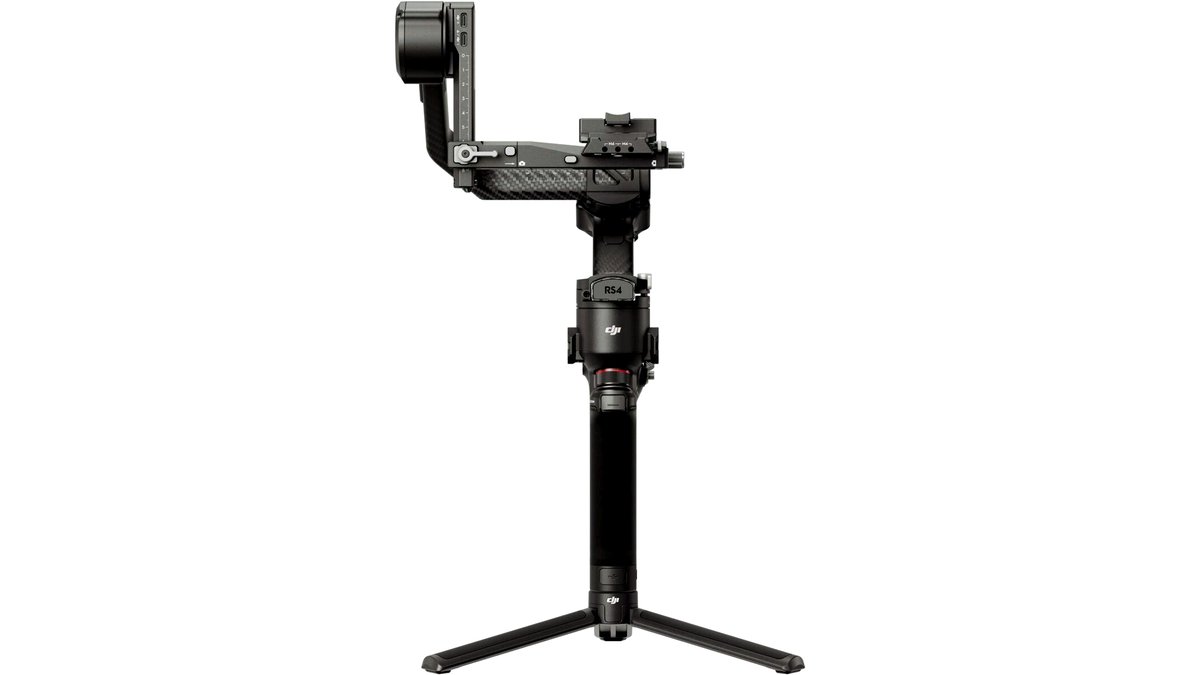
Why Heavy DSLR Rigs Need a Different Gimbal Than Mirrorless Shooters
Motorized three-axis gimbals use small brushless motors on the pan, tilt, and roll axes to counteract camera shake and keep the shot level as the operator moves. Each gimbal model has a maximum rated payload, and that number is based on the whole rig: body, lens, battery, microphone, monitor, and any rig accessories attached, not the camera alone. Heavy DSLRs paired with large zoom lenses or cinema-style primes can quickly approach or exceed the payload limits of gimbals marketed primarily toward mirrorless and smartphone users.
Operating near a gimbal’s maximum rated payload typically shortens battery life, since the motors work harder to hold position, and can produce visible motor strain or drift during pans if the rig isn’t balanced precisely. Reviewers who test heavier gimbal rigs consistently recommend leaving meaningful headroom between the actual rig weight and the gimbal’s maximum rating, both for motor longevity and for flexibility to add a monitor or microphone later.
Balancing a Heavy Rig: Why It Takes Longer and Matters More
Balancing a gimbal means adjusting the camera’s position along each axis until it sits level and stable without the motors actively correcting it, done before the motors are even powered on. Heavier DSLR bodies and longer lenses push the center of gravity further out, which means a wider range of adjustment on the sliding plates and arms, and small errors in balance are more noticeable with heavy gear than with light mirrorless setups. Makers of higher-capacity gimbals generally build in more generous plate travel and stronger locking mechanisms specifically to accommodate this.
Fine balance also matters more each time the lens is changed. A heavy DSLR with interchangeable long lenses needs rebalancing whenever the lens changes significantly in length or weight distribution, and skipping this step is one of the most common reasons operators report motor overheating or erratic behavior on longer shooting days.
Fit and Compatibility Notes
- Add up the full rig weight, including battery, lens, microphone, and any monitor, before comparing it to a gimbal’s maximum payload rating.
- Check the quick-release plate standard (commonly Arca-Swiss style on higher-end gimbals) against any existing tripod plates already in the kit.
- Confirm the gimbal’s handle or dual-handle configuration suits the rig’s weight for extended handheld operation; very heavy rigs are often easier to manage with a dual-handle or vest-and-arm support system.
- Battery runtime drops faster under heavier payloads, so check the maker’s stated runtime at a payload close to the actual rig weight, not the gimbal’s maximum rating.
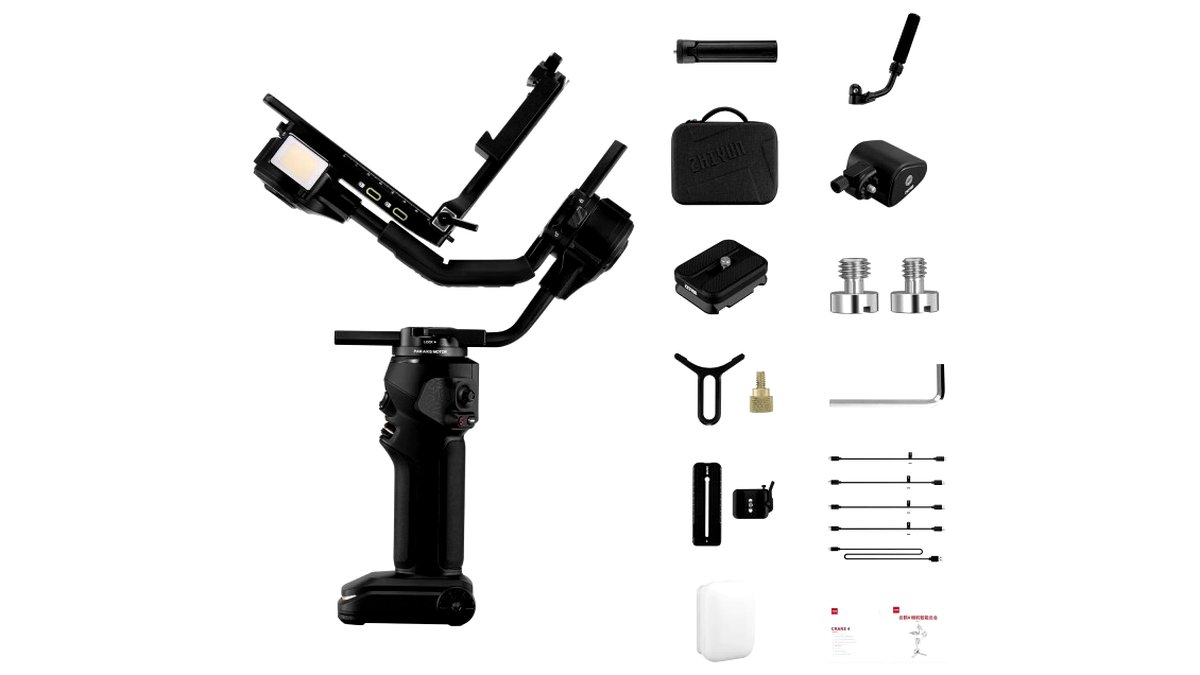
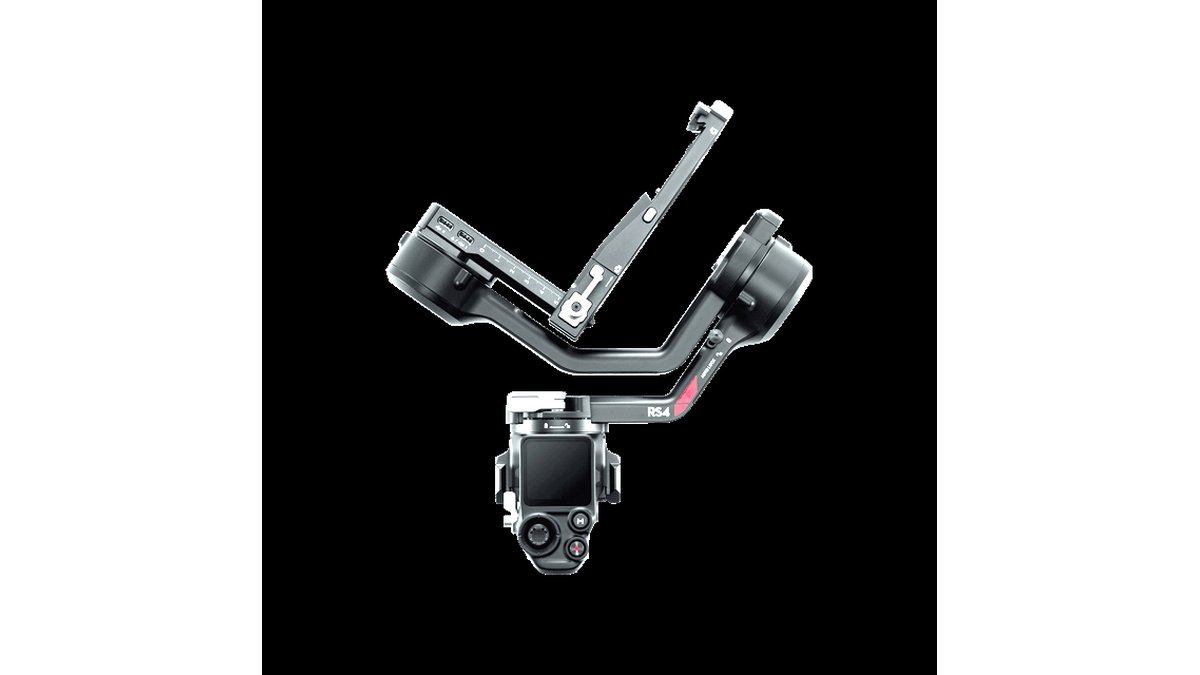
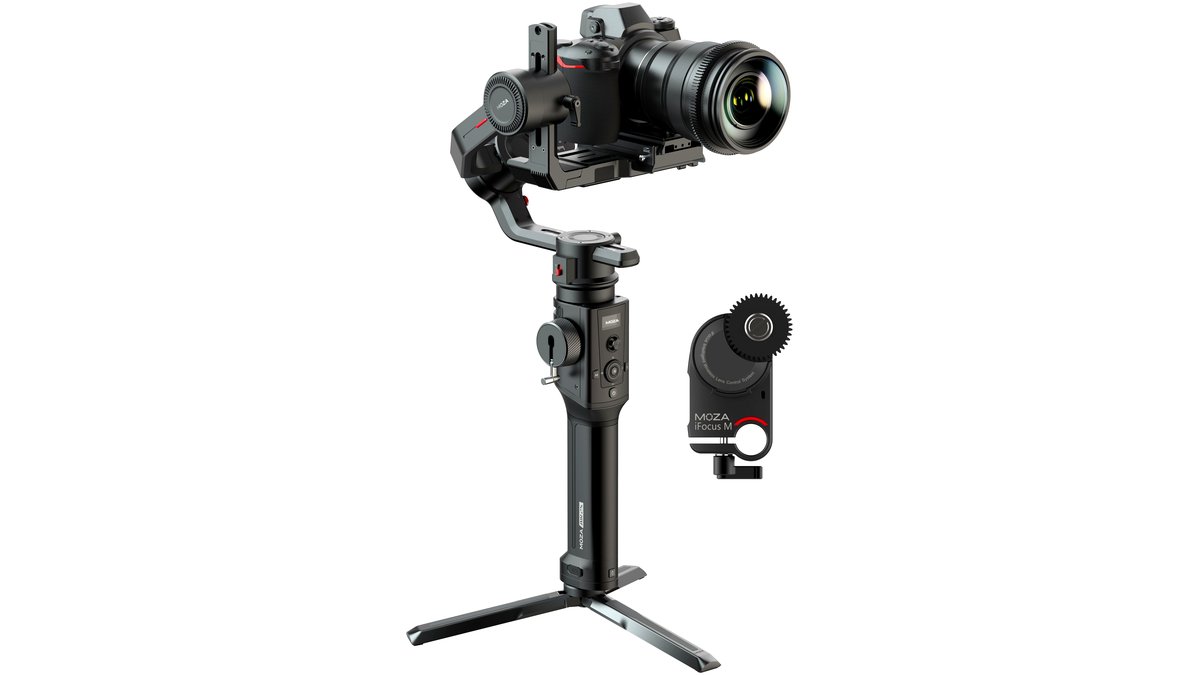
At a Glance: Gimbal Classes for Heavy DSLR Rigs
| Gimbal class | Best for | Key stated specs | Limits |
|---|---|---|---|
| Mid-capacity handheld gimbal | Lighter full-frame DSLR bodies with standard zoom lenses | Makers commonly list payload capacity in the 4-6 lb range | Limited headroom for large cine lenses or added monitor/mic accessories |
| High-capacity handheld gimbal | Heavy DSLR bodies with large zooms or small cine lenses | Makers list payload capacity up to roughly 10 lb on higher-end models | Heavier gimbal itself adds operator fatigue over long handheld sessions |
| Cinema/pro gimbal with support arm or vest | Heaviest DSLR/cine rigs with large lenses, monitor, and accessories | Makers list the highest payload ratings, often well above handheld-only models, typically paired with a support vest | Significant added cost and bulk; usually needs a second operator for best results |
| Motorized slider-mounted gimbal head | Controlled studio or set moves with a heavy static or slow-moving camera | Makers emphasize smooth, repeatable programmed moves over handheld mobility | Not designed for running or fast handheld repositioning |
Pick This If…
| Situation | Recommended class |
|---|---|
| Full-frame DSLR with a standard zoom, occasional use | Mid-capacity handheld gimbal, kept well under its max rating |
| Heavy DSLR with a large zoom or a small cine lens | High-capacity handheld gimbal |
| Cinema-style lens, monitor, and microphone all mounted together | Cinema/pro gimbal with support arm or vest |
| Mostly studio or controlled-set shooting, not running shots | Motorized slider-mounted gimbal head |
| Long shooting days with a heavy rig | A gimbal rated well above actual rig weight, paired with a support vest |
Battery Life, Motor Strength, and Follow Focus
Gimbal battery life is typically stated by makers at a reference payload, often lighter than a full heavy DSLR rig, so real-world runtime with a heavy setup usually comes in lower than the advertised figure. Carrying spare batteries, which are commonly hot-swappable on professional-grade gimbals, is the standard workaround reviewers recommend for full shooting days.
Motor torque is the spec that most directly determines whether a gimbal can hold a heavy rig steady during fast pans or sudden stops; underpowered motors on a gimbal pushed near its payload limit can visibly lag or oscillate. Many higher-capacity gimbals also support a wireless follow-focus motor as an add-on, which is worth checking for compatibility if precise manual focus pulls matter for the intended shooting style.
Alternatives Worth Considering
Operators who mainly need stabilization for slower, more deliberate shots might consider a well-weighted mechanical stabilizer vest-and-arm rig instead of a motorized gimbal, which uses physical counterweights rather than motors and avoids battery dependency entirely, though it requires more practice to operate smoothly. A second alternative is renting a cinema-grade motorized gimbal for a specific heavy shoot rather than owning one outright, which is common for productions that only occasionally need to support the heaviest lens combinations. A third option is a simpler tripod-mounted fluid head for shots that don’t require walking movement at all, which sidesteps gimbal balancing and payload concerns completely for static or slow-pan setups.
Frequently Asked Questions
How much payload headroom should I leave on a gimbal for a heavy DSLR?
Many experienced operators and gimbal makers suggest keeping the actual rig weight meaningfully below the gimbal’s maximum rated payload, rather than running close to the limit, since motor strain and reduced battery life increase as a gimbal approaches its rated maximum. This also leaves room to add a monitor, microphone, or lens change without needing a different gimbal.
Does a heavier gimbal always mean better stabilization?
Not necessarily; stabilization quality depends on motor torque, the gimbal’s control algorithm, and proper balancing, not just the payload rating or the gimbal’s own weight. A well-balanced lower-capacity gimbal running within its rated range can outperform a higher-capacity gimbal that is poorly balanced or overloaded.
How long does it take to balance a heavy DSLR on a gimbal?
Balancing time varies by operator experience and how different the new lens is from the last balanced setup, but reviewers generally note that heavier, longer lenses take noticeably longer to balance precisely than compact mirrorless setups. Skipping careful balancing is a frequent cause of motor overheating or inconsistent stabilization during use.
Can I use the same gimbal for both a DSLR and a lighter mirrorless camera?
Many higher-capacity gimbals can handle both, provided the lighter camera still falls within the gimbal’s rated payload range and the plates can be rebalanced for the different weight and shape. The main tradeoff is that a gimbal sized for heavy DSLR use is often bulkier than necessary for lightweight mirrorless-only shooting.
What causes a gimbal to drift or tilt during a heavy DSLR shoot?
Drift is most commonly caused by imperfect balancing on one or more axes, which the motors then have to continuously correct, draining battery and sometimes still showing a visible lean. Cold temperatures and low battery charge can also affect motor performance and contribute to drift on long shoots.
Do I need a separate monitor to use a gimbal with a heavy DSLR?
A monitor isn’t strictly required, since many DSLRs have a usable rear screen, but a dedicated gimbal-mounted monitor is commonly added for heavy rigs because the camera’s own screen can be hard to see from typical gimbal operating angles. Adding a monitor increases the total rig weight, which should be factored back into the payload calculation.