Key takeaways
- Sensor size (APS-C vs. full-frame): full-frame sensors generally offer better low-light performance and shallower depth of field at a given aperture, at a higher cost.
- Autofocus point count and coverage: entry-level bodies typically have fewer autofocus points concentrated near the center, while mid-range and full-frame bodies spread more points across the frame.
- Build quality and weather sealing: higher tiers add weather sealing and more durable chassis materials, relevant for outdoor and travel photography.
- Lens compatibility: Nikon’s F-mount lens library is extensive, but confirming whether a specific lens is designed for full-frame or APS-C sensors matters for image coverage.
- Battery life: DSLRs generally outlast mirrorless cameras on battery life because optical viewfinders draw less power than electronic ones, a practical advantage for long shooting days.
- Video features: Nikon DSLR video capability varies by model generation; photographers who prioritize video should check autofocus performance during video recording specifically, since DSLR video autofocus has historically trailed mirrorless systems.
An entry-level Nikon DSLR suits beginners learning manual photography basics, a mid-range APS-C body suits enthusiasts who want faster autofocus and better build quality, and a full-frame Nikon DSLR suits advanced hobbyists and professionals who need the best low-light and image-quality performance; which is “best” depends on experience level and budget tier rather than any single model.
As an Amazon Associate, we earn from qualifying purchases made through links on this page.
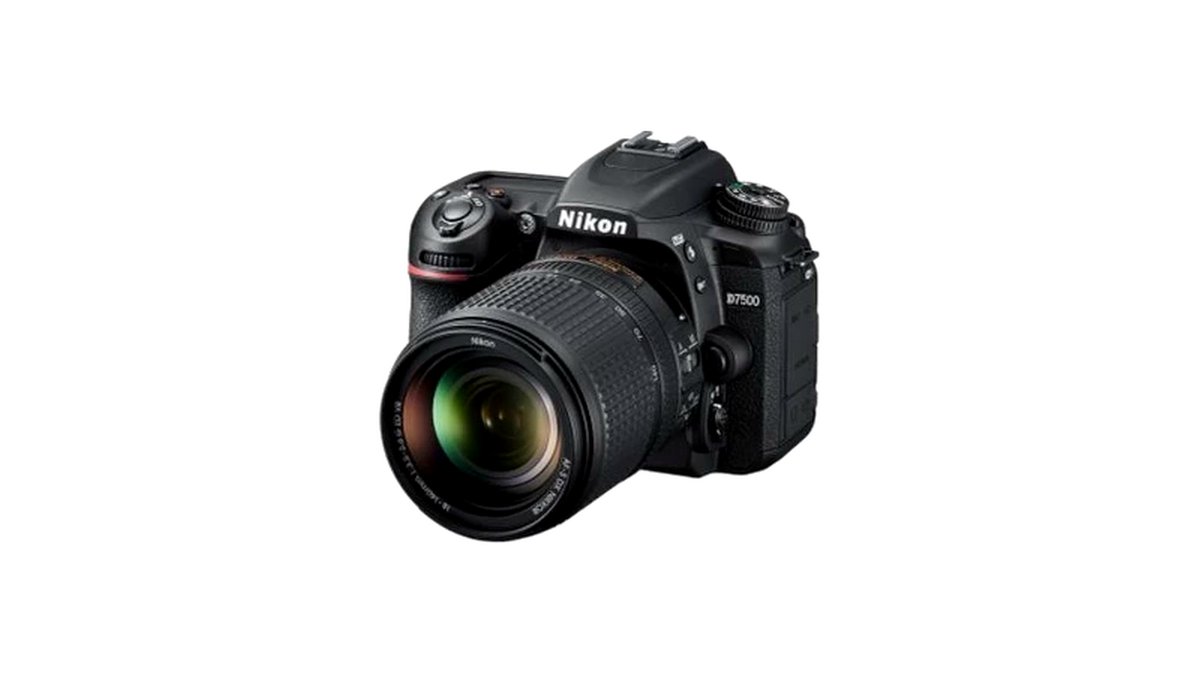
Nikon’s DSLR lineup remains in use by a wide range of photographers even as the industry shifts toward mirrorless, largely because of mature lens ecosystems, strong battery life, and optical viewfinders that some photographers still prefer over electronic ones. Choosing among Nikon DSLR tiers mostly comes down to sensor size, autofocus system complexity, and build durability, since image quality differences between entry and mid-range APS-C bodies are often smaller than the price gap suggests. Full-frame Nikon DSLRs remain relevant for photographers prioritizing low-light performance, dynamic range, and compatibility with a large existing collection of F-mount lenses.
Who Should Buy Which Type
Beginners learning photography fundamentals benefit most from an entry-level APS-C Nikon DSLR, which typically pairs a simplified control layout with guide modes that explain exposure settings as they’re adjusted. Enthusiasts who have outgrown entry-level controls and want faster, more accurate autofocus along with weather-sealed bodies should look at mid-range APS-C models. Advanced hobbyists and working photographers who need the strongest low-light performance, the widest dynamic range, and compatibility with professional-grade F-mount lenses are better served by full-frame bodies, accepting the higher cost and larger body size that comes with that tier.
Key Factors Before Buying
- Sensor size (APS-C vs. full-frame): full-frame sensors generally offer better low-light performance and shallower depth of field at a given aperture, at a higher cost.
- Autofocus point count and coverage: entry-level bodies typically have fewer autofocus points concentrated near the center, while mid-range and full-frame bodies spread more points across the frame.
- Build quality and weather sealing: higher tiers add weather sealing and more durable chassis materials, relevant for outdoor and travel photography.
- Lens compatibility: Nikon’s F-mount lens library is extensive, but confirming whether a specific lens is designed for full-frame or APS-C sensors matters for image coverage.
- Battery life: DSLRs generally outlast mirrorless cameras on battery life because optical viewfinders draw less power than electronic ones, a practical advantage for long shooting days.
- Video features: Nikon DSLR video capability varies by model generation; photographers who prioritize video should check autofocus performance during video recording specifically, since DSLR video autofocus has historically trailed mirrorless systems.
At a Glance Comparison
| Camera Tier | Best For | Stated Specs/Design | Limits |
|---|---|---|---|
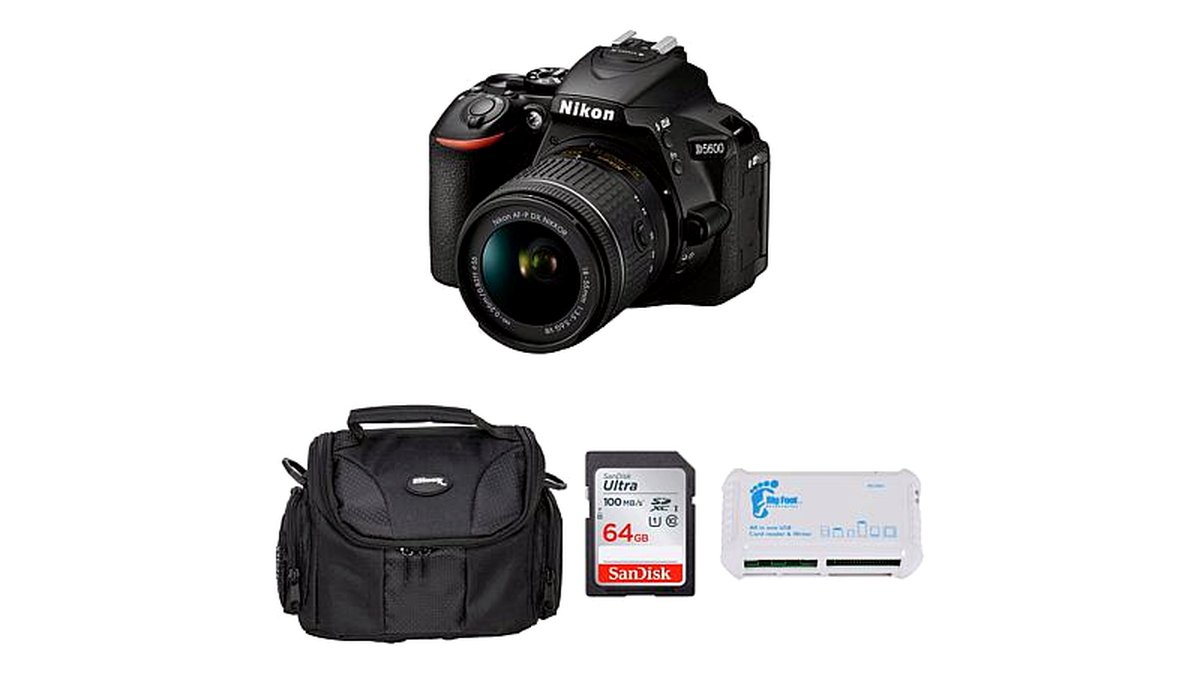
| Entry-level APS-C DSLR | Beginners learning photography basics | Simplified controls, built-in guide modes, lightweight body | Fewer autofocus points, less weather sealing, slower burst rate |
| Mid-range APS-C DSLR | Enthusiasts wanting faster autofocus and better build | Wider autofocus point spread, weather-sealed body, dual card slots on some models | Still limited by smaller sensor compared to full-frame low-light performance |
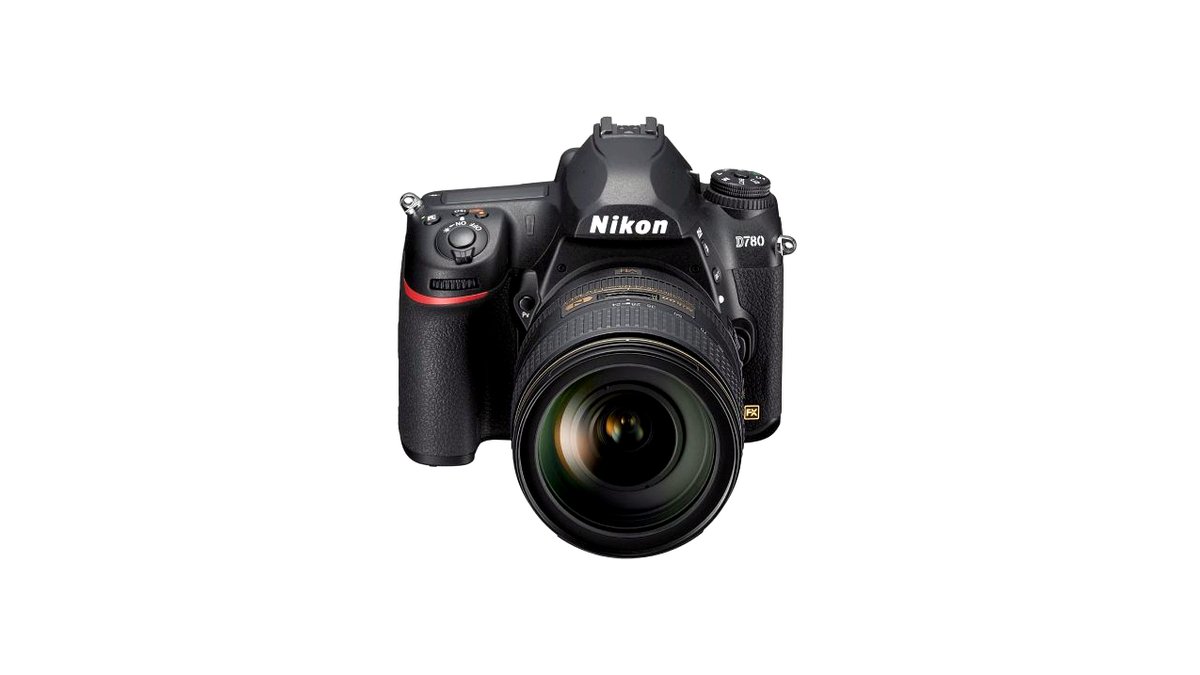
| Full-frame DSLR | Advanced hobbyists and professionals | Larger sensor, extensive autofocus coverage, rugged professional-grade body on top models | Premium tier pricing; larger and heavier body and lenses |
Pick X If…
| Situation | Recommended Pick |
|---|---|
| You’re buying your first DSLR to learn photography | Entry-level APS-C Nikon DSLR with a kit lens |
| You’ve outgrown entry-level controls and want faster autofocus | Mid-range APS-C Nikon DSLR |
| You need the best low-light performance and dynamic range | Full-frame Nikon DSLR |
| You already own F-mount lenses from a prior Nikon body | A body in the same sensor-size category as your existing lenses, to maximize lens compatibility |
| Video autofocus performance matters as much as stills | Checking the specific model’s video autofocus reputation before buying, or considering a mirrorless alternative |
Lens Compatibility and Fit Notes
Nikon’s F-mount has remained largely consistent across DSLR generations, which means many older lenses can still mount and function on newer bodies, though full compatibility (including autofocus and metering) depends on the specific lens and body combination. Lenses labeled for APS-C sensors will mount on full-frame bodies but typically produce a cropped image circle, so checking whether a lens is designed for the sensor size in use avoids unexpected framing issues. Photographers upgrading from an entry-level to a full-frame body should also expect to invest in full-frame-compatible lenses to get the sensor’s full benefit, since APS-C-only lenses won’t take advantage of the larger sensor’s edge-to-edge quality.
Why DSLRs Still Have a Place
Reviewers continue to note that Nikon DSLRs offer notably longer battery life than comparable mirrorless bodies, since an optical viewfinder doesn’t draw power the way an electronic viewfinder or rear screen does continuously. Optical viewfinders also provide a real-time, lag-free view of the scene, which some photographers, particularly those shooting fast action or wildlife, still prefer over electronic viewfinders. The large installed base of F-mount lenses, including many older manual-focus and budget third-party options, keeps DSLR photography accessible for buyers building a lens collection gradually.
Alternatives Worth Considering
- Nikon mirrorless Z-series bodies: Nikon’s current mirrorless lineup shares some lens compatibility with DSLRs via an adapter and offers faster autofocus for video and fast action, worth considering for buyers not committed to the DSLR format specifically.
- Used or previous-generation Nikon DSLRs: buying a prior-generation body in a given tier can deliver similar image quality to a current model at a lower cost, since sensor improvements between generations are often incremental.
- Other DSLR brands with comparable tiers: buyers already invested in a different lens ecosystem may find a comparable-tier body from another brand serves the same purpose without needing to switch lenses.
Common Mistakes When Buying a Nikon DSLR
A frequent mistake is buying a camera body based on resolution alone without considering autofocus system quality, since a higher megapixel count does little to help a photographer capture fast-moving subjects if the autofocus points are limited or slow to acquire focus. Buyers transitioning from a smartphone or point-and-shoot sometimes also underestimate how much lens choice affects final image quality, assuming the camera body alone determines results, when a basic kit lens paired with an otherwise capable body will still produce noticeably softer images than a quality prime or mid-range zoom. Another common error is purchasing a full-frame body without budgeting for full-frame-compatible lenses, leaving a photographer stuck using APS-C-only glass that doesn’t take advantage of the larger sensor they just paid extra for.
Skipping an in-store check of button layout and menu system before buying is also a common oversight, since photographers who are used to a particular brand’s control logic sometimes find switching brands or body generations takes longer to adjust to than expected. Finally, overlooking battery and charger compatibility when upgrading within the Nikon lineup can be an unwelcome surprise, since not every battery type carries over between generations, meaning an upgrade might require new batteries and chargers in addition to the camera body itself.
Used and Refurbished Market Considerations
Because Nikon’s DSLR lineup has matured over many years, a substantial used and refurbished market exists, and buying a well-maintained previous-generation body can be a reasonable way to access full-frame image quality at a lower cost than a current flagship model. Checking shutter count, where available from a seller or through diagnostic software, gives a rough sense of how much use a used body has seen, since DSLR shutters are mechanical components with a finite rated lifespan stated by the manufacturer. Buying from a reputable seller who offers a return window or basic warranty reduces risk compared to an as-is private sale, particularly for a camera body that will see regular professional or semi-professional use.
Frequently Asked Questions
Are Nikon DSLRs still worth buying with mirrorless cameras now dominant?
DSLRs remain a reasonable choice for photographers who value longer battery life, optical viewfinders, and an existing or affordable F-mount lens ecosystem. Mirrorless cameras generally lead in autofocus speed for video and fast action, so the right choice depends on which strengths matter more for a given photographer’s work.
What’s the real difference between entry-level and mid-range Nikon DSLRs?
The most noticeable differences are usually autofocus point count and coverage, build quality including weather sealing, and control layout complexity, rather than dramatic image quality differences in good light. Mid-range bodies also tend to add features like dual card slots and faster continuous shooting that matter more to enthusiasts than beginners.
Can older Nikon lenses be used on newer DSLR bodies?
Many older F-mount lenses can mount and function on newer Nikon DSLR bodies, though full autofocus and metering compatibility depends on the specific lens and body generation. Checking Nikon’s own compatibility documentation for a specific lens and body pairing is the most reliable way to confirm before buying.
Is full-frame always better than APS-C for a Nikon DSLR?
Full-frame sensors generally offer better low-light performance and shallower depth of field at a given aperture, but APS-C bodies are lighter, less expensive, and often pair with smaller, lighter lenses. The better choice depends on shooting conditions and how much the low-light and depth-of-field advantages matter for a given photographer’s work.
How long does a Nikon DSLR battery typically last per charge?
Nikon states battery life ratings per model based on standard test conditions, and DSLRs generally outlast comparable mirrorless cameras because the optical viewfinder doesn’t draw continuous power. Actual battery life in the field varies with temperature, flash use, and how often the rear screen is used for review.
Do Nikon DSLRs shoot good video?
Nikon DSLRs can record quality video, but autofocus performance during video recording has historically trailed mirrorless systems, particularly for continuous subject tracking. Photographers prioritizing video autofocus performance should check specific model reviews or consider a mirrorless alternative before committing.