Key takeaways
- Dual card slots: critical for weddings, since a card failure without a backup means lost, unrepeatable moments.
- Low-light autofocus and high ISO performance: receptions and dim ceremony venues push ISO well above daylight settings.
- Eye and face tracking autofocus: helps lock focus on a moving subject during processionals, first dances, and candid shots.
- Battery life and spares: mirrorless bodies generally draw more power than DSLRs; carrying multiple spare batteries is standard practice.
- Silent or electronic shutter mode: lets a photographer shoot during vow exchanges without a mechanical shutter sound.
- Lens ecosystem: a camera body is only as useful as the lenses available for it; checking native lens options for fast primes and a reliable zoom matters as much as the body itself.
A full-frame mirrorless body with dual card slots and strong autofocus eye-tracking suits a primary wedding shooter, while a smaller APS-C or second-body mirrorless camera suits a second shooter or backup role, and the right pick mostly comes down to how much low-light reliability and file redundancy the job demands.
As an Amazon Associate, we earn from qualifying purchases made through links on this page.
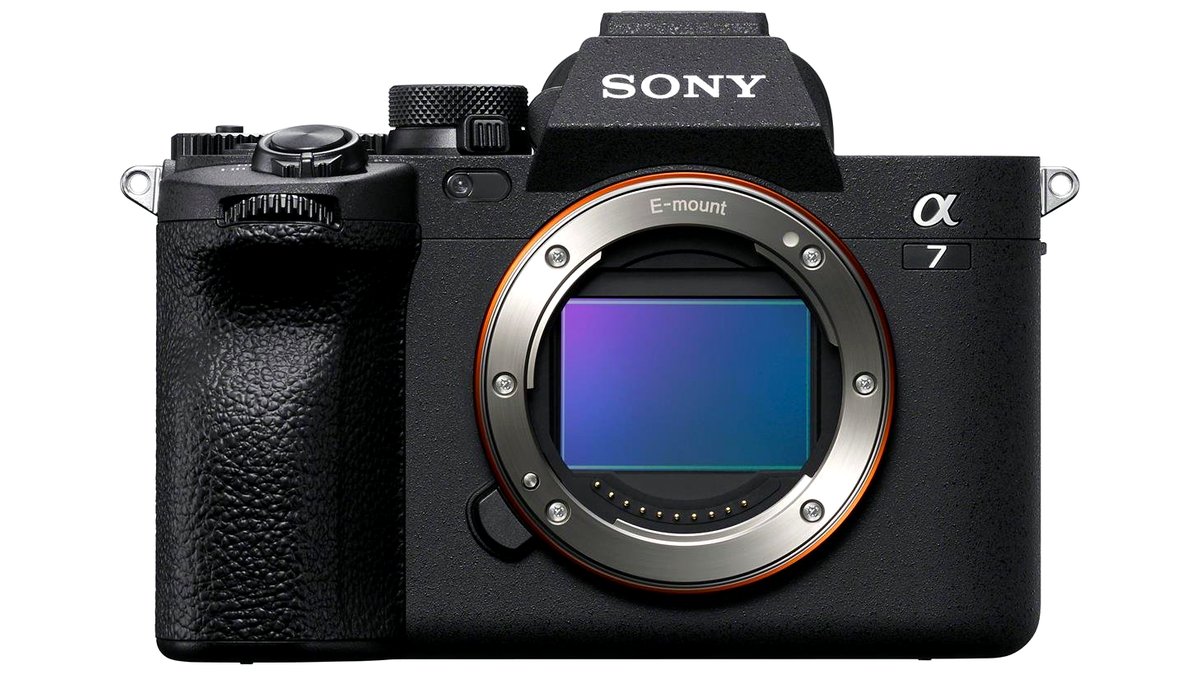
Wedding photography puts specific demands on a camera that general portrait or landscape work does not: long shooting days, dim reception lighting, fast-moving unscripted moments, and zero tolerance for a lost memory card or a missed focus on the ring exchange. Mirrorless systems have become the standard choice for most working wedding photographers because of silent shutter modes for ceremony shots, strong face and eye autofocus, and lighter bodies for twelve-hour days. The right camera depends on sensor size needs, card-slot redundancy, battery life, and lens ecosystem already owned.
Who Should Buy Which Type
A lead or solo wedding photographer handling full-day coverage benefits most from a full-frame mirrorless body with dual card slots for backup recording, strong low-light autofocus, and a battery rated for a full day of mixed shooting. A second shooter or assistant covering reception details and candid angles can use a lighter APS-C mirrorless body, trading some low-light performance for a smaller kit and lower cost. Photographers transitioning from DSLR work should weigh lens-mount compatibility, since adapting existing DSLR lenses to a mirrorless mount is common but can add bulk and occasionally slows autofocus versus native mirrorless lenses.
Key Factors Before Buying
- Dual card slots: critical for weddings, since a card failure without a backup means lost, unrepeatable moments.
- Low-light autofocus and high ISO performance: receptions and dim ceremony venues push ISO well above daylight settings.
- Eye and face tracking autofocus: helps lock focus on a moving subject during processionals, first dances, and candid shots.
- Battery life and spares: mirrorless bodies generally draw more power than DSLRs; carrying multiple spare batteries is standard practice.
- Silent or electronic shutter mode: lets a photographer shoot during vow exchanges without a mechanical shutter sound.
- Lens ecosystem: a camera body is only as useful as the lenses available for it; checking native lens options for fast primes and a reliable zoom matters as much as the body itself.
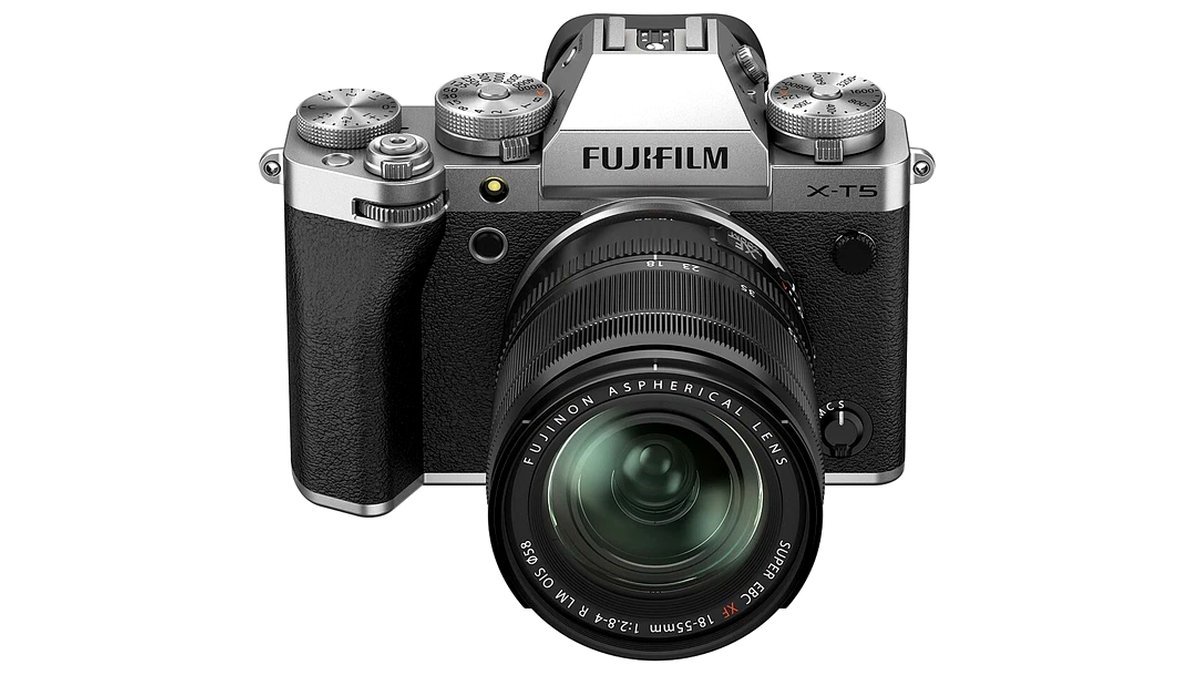
At a Glance Comparison
| Camera Tier | Best For | Stated Specs/Design | Limits |
|---|---|---|---|
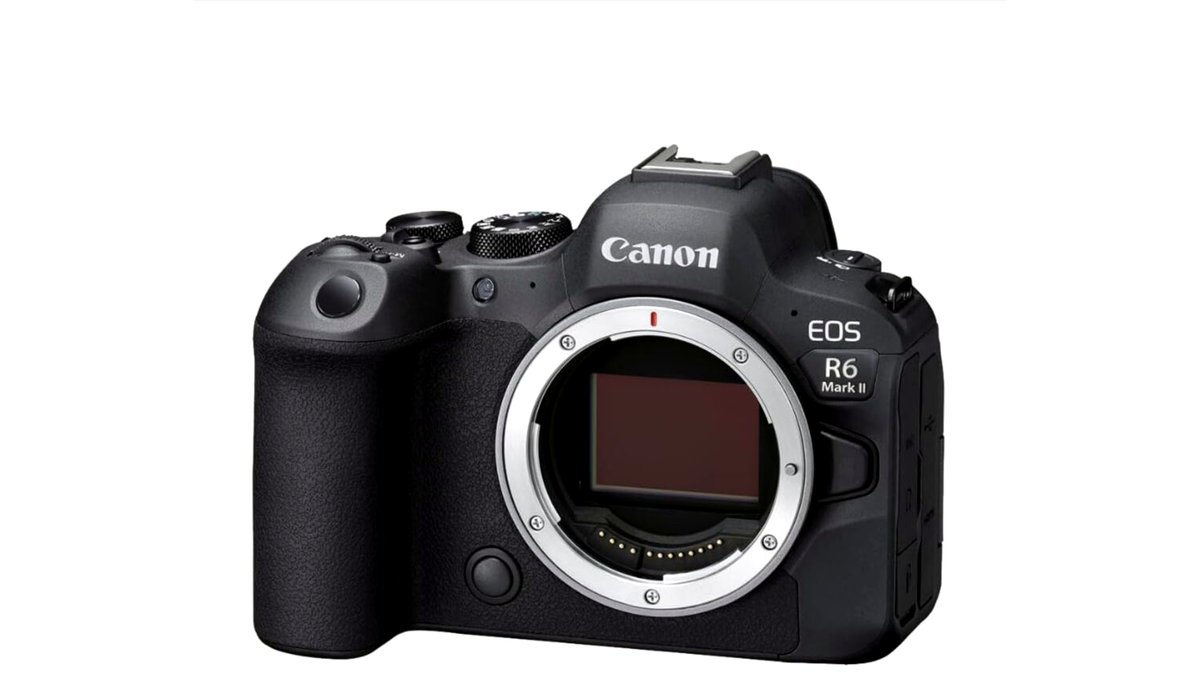
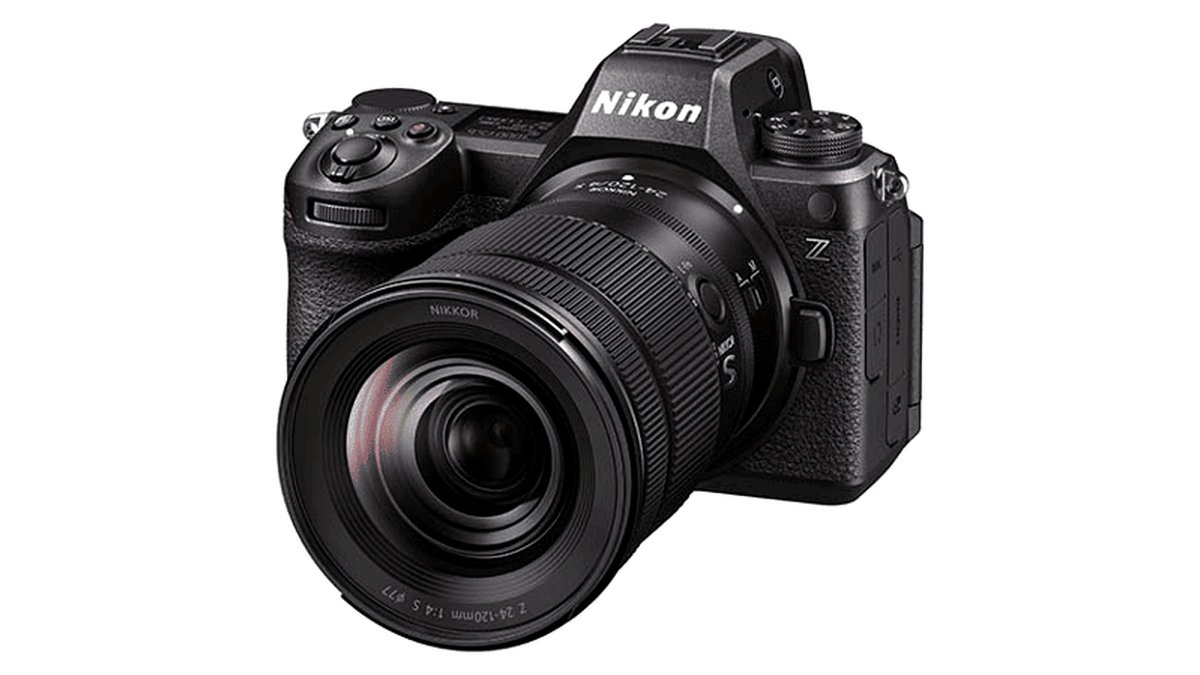
| Full-frame flagship mirrorless | Lead shooters on full-day wedding coverage | Dual card slots, high-ISO low-light autofocus, weather-sealed body | Premium tier pricing; body and lenses add significant weight over a day |
| Full-frame mid-range mirrorless | Working photographers wanting full-frame quality without flagship cost | Dual card slots on most current models, solid eye-tracking autofocus | Buffer and burst speed usually trail flagship bodies for fast sequences |
| APS-C mirrorless | Second shooters, backup bodies, budget-conscious starters | Lighter body, smaller sensor, often single card slot | Lower low-light performance than full-frame; single card slot risk on some models |
| Compact full-frame mirrorless | Photographers wanting full-frame image quality in a smaller body | Reduced size and weight versus flagship bodies | Smaller grip and button layout can slow operation during fast-paced moments |
Pick X If…
| Situation | Recommended Pick |
|---|---|
| You are the lead shooter covering an entire wedding day solo | Full-frame flagship or mid-range mirrorless with dual card slots |
| You are a second shooter or need a lightweight backup body | APS-C mirrorless body matched to the lead’s lens mount where possible |
| Budget is the main constraint but full-frame quality matters | Full-frame mid-range mirrorless over the flagship tier |
| You shoot long days and carry gear on foot often | Compact full-frame mirrorless to reduce shoulder fatigue |
| You already own DSLR lenses in a compatible mount family | A mirrorless body from the same brand with a lens adapter, checking autofocus speed with adapted glass first |
Compatibility and Fit Notes
Lens mount compatibility is the biggest practical constraint: switching brands means replacing an existing lens collection or relying on adapters, which can affect autofocus speed and consistency with older DSLR lenses. Memory card format also varies between models, some use dual slots of the same card type while others mix a fast card slot with a slower secondary slot, and checking write speed on both slots matters for continuous burst shooting during first dances and bouquet tosses. Battery compatibility between a camera’s main and backup bodies, when matched within the same brand, simplifies carrying spares for a long shooting day.
Shooting Conditions Wedding Cameras Must Handle
Outdoor ceremonies in bright daylight, dim indoor reception halls, and fast-moving dance floor shots all happen within the same few hours, so a camera’s dynamic range and high-ISO noise handling get tested across extremes in a single event. Reviewers commonly note that current full-frame mirrorless sensors handle ISO 3200-6400 with usable noise levels for print and web delivery, which covers most reception lighting without flash. A silent or fully electronic shutter mode is specifically useful during vow exchanges and ring moments where a mechanical shutter click would be noticeable.
Alternatives Worth Considering
- Medium format mirrorless: some wedding photographers use a medium format body for formal portrait sessions specifically, pairing it with a faster full-frame body for the rest of the day.
- Rangefinder-style compact mirrorless: favored by photojournalistic-style wedding shooters for discreet candid shots, though autofocus speed and tracking generally trail flagship bodies.
- Used or previous-generation flagship bodies: buying a prior generation flagship can deliver most of the current model’s low-light and autofocus performance at a lower tier of spend.
Workflow and Backup Considerations
Beyond the camera body itself, wedding photographers typically build a workflow around redundancy at every stage, not just in-camera dual card recording but also backing up files to multiple locations as soon as possible after the shoot. Many professionals copy card contents to a laptop or portable drive during breaks in coverage, such as between the ceremony and reception, rather than waiting until the end of the day to start the backup process. Camera choice factors into this workflow too: models with faster card write speeds and reliable file transfer over USB or card reader reduce the time spent on backups during a long shooting day, which matters when time between wedding events is often limited.
Tethering or remote-trigger capability, while not essential for most wedding work, can be useful during formal portrait sessions where a second person reviewing shots on a larger screen helps catch focus or composition issues immediately. Weather sealing also plays into practical workflow decisions, since outdoor weddings proceed rain or shine in most cases, and a camera body without adequate sealing may require extra protective measures during unexpected weather that a sealed body would handle without special accommodation.
Common Mistakes When Choosing a Wedding Camera
A frequent misstep is prioritizing megapixel count over low-light autofocus performance and high-ISO image quality, since wedding venues rarely offer ideal lighting and a camera that struggles to focus quickly in dim conditions will cause more missed moments than a few extra megapixels will ever make up for. Buying a camera without first confirming dual card slot support is another common oversight for photographers newer to wedding work, since single-card-slot bodies that seem like a good value on paper carry a real risk that doesn’t show up until a card fails mid-event. Some photographers also underestimate battery needs, assuming DSLR-era battery life expectations will carry over to a mirrorless body, when mirrorless systems generally draw more power through their electronic viewfinders and screens and require more spares to get through a comparable shooting day.
Frequently Asked Questions
Do wedding photographers need dual card slots?
Most working wedding photographers treat dual card slots as a requirement rather than a nice-to-have, since a wedding cannot be reshot if a single card fails. Setting the camera to write identical backup copies to both cards is the standard safeguard many professionals use.
Is a full-frame sensor necessary, or can APS-C handle wedding work?
APS-C cameras can handle wedding work, particularly for second shooters or detail shots, but full-frame sensors generally perform better in low light and offer shallower depth of field at a given aperture. Lead shooters covering dim ceremonies and receptions typically lean on full-frame for that low-light margin.
How many batteries should a wedding photographer carry?
Carrying at least two to three fully charged spare batteries per body is common practice for a full wedding day, since mirrorless cameras draw more power than DSLRs for their electronic viewfinders and autofocus systems. Cold venues or extended golden-hour sessions can drain batteries faster than expected.
Can adapted DSLR lenses be used on a mirrorless wedding camera?
Yes, most mirrorless systems support lens adapters from the same brand’s DSLR mount, and many photographers transition this way rather than replacing an entire lens collection at once. Autofocus speed and tracking accuracy with adapted lenses can lag slightly behind native mirrorless lenses, so testing beforehand on a non-critical shoot is worthwhile.
What ISO range should a wedding camera handle cleanly?
Current full-frame mirrorless bodies are generally reported by reviewers to produce usable image quality up to around ISO 3200-6400 depending on the specific sensor and processing, which covers most dim reception and evening lighting. Beyond that range, noise becomes more visible and may need noise reduction during editing.
Is image stabilization important for wedding mirrorless cameras?
In-body image stabilization helps significantly for handheld shooting in low light, such as dim reception halls or evening outdoor portraits, by allowing slightly slower shutter speeds without blur. Not every model offers in-body stabilization, so checking this spec is worthwhile for photographers who shoot handheld in mixed lighting often.