Key takeaways
- Maximum aperture. f/1.8 primes give the shallowest depth of field and the best low-light performance, but they are heavier and cost more than f/2 or f/2.8 options.
- Autofocus motor. Native autofocus 135mm lenses use linear or ring-type motors tuned for fast, quiet focus pulls, which matters for portrait and event work. Manual-focus primes trade this away for a lower price and a simpler optical design.
- Mount compatibility. A 135mm lens is mount-specific. Buyers need to match the lens to their camera’s native mount (Sony E, Canon RF, Nikon Z, L-mount) or confirm an adapter is needed for older DSLR-mount glass.
- Weight and balance. Fast 135mm primes typically weigh noticeably more than a 50mm or 85mm lens, which affects handheld shooting over a full day of portraits or events.
- Image stabilization. Some mirrorless 135mm lenses include in-lens stabilization that works with a camera’s in-body system for steadier handheld results at slower shutter speeds.
- Coatings and flare control. Modern optical coatings reduce ghosting and flare in backlit portraits, which is a common use case for this focal length.
A fast 135mm prime suits portrait, headshot, and compressed-background wedding work, while a slower or manual-focus 135mm fits budget shooters and video shooters who want a cinematic look without the premium price. The focal length sits between a standard telephoto and a true long lens, so the right pick depends on autofocus speed, maximum aperture, and which camera mount a buyer already owns.
As an Amazon Associate, we earn from qualifying purchases made through links on this page.
What to look for in a 135mm lens
Most 135mm lenses fall into two groups: fast autofocus primes built for working photographers, and manual-focus or slower primes aimed at hobbyists and video shooters. Before comparing specific models, weigh these factors.
- Maximum aperture. f/1.8 primes give the shallowest depth of field and the best low-light performance, but they are heavier and cost more than f/2 or f/2.8 options.
- Autofocus motor. Native autofocus 135mm lenses use linear or ring-type motors tuned for fast, quiet focus pulls, which matters for portrait and event work. Manual-focus primes trade this away for a lower price and a simpler optical design.
- Mount compatibility. A 135mm lens is mount-specific. Buyers need to match the lens to their camera’s native mount (Sony E, Canon RF, Nikon Z, L-mount) or confirm an adapter is needed for older DSLR-mount glass.
- Weight and balance. Fast 135mm primes typically weigh noticeably more than a 50mm or 85mm lens, which affects handheld shooting over a full day of portraits or events.
- Image stabilization. Some mirrorless 135mm lenses include in-lens stabilization that works with a camera’s in-body system for steadier handheld results at slower shutter speeds.
- Coatings and flare control. Modern optical coatings reduce ghosting and flare in backlit portraits, which is a common use case for this focal length.
At a glance
| Lens type | Best for | Key stated specs | Limits |
|---|---|---|---|
| Fast native-mount prime (f/1.8) | Working portrait and wedding photographers | Wide aperture, weather sealing, internal focus motor | Higher weight, premium-tier price |
| Mid-tier autofocus prime (f/1.8-f/2) | Enthusiasts moving up from a kit zoom | Autofocus, lighter build than flagship models | Fewer weather-sealing claims from some makers |
| Manual-focus prime (f/2) | Video shooters and budget-conscious buyers | All-metal build, de-clicked aperture ring on cine versions | No autofocus, slower manual focus for stills |
| Legacy DSLR-mount prime with adapter | Buyers who already own older glass | Often lower cost secondhand | Autofocus speed and accuracy depend on the adapter |
Top picks by category
Flagship fast prime for mirrorless portrait work
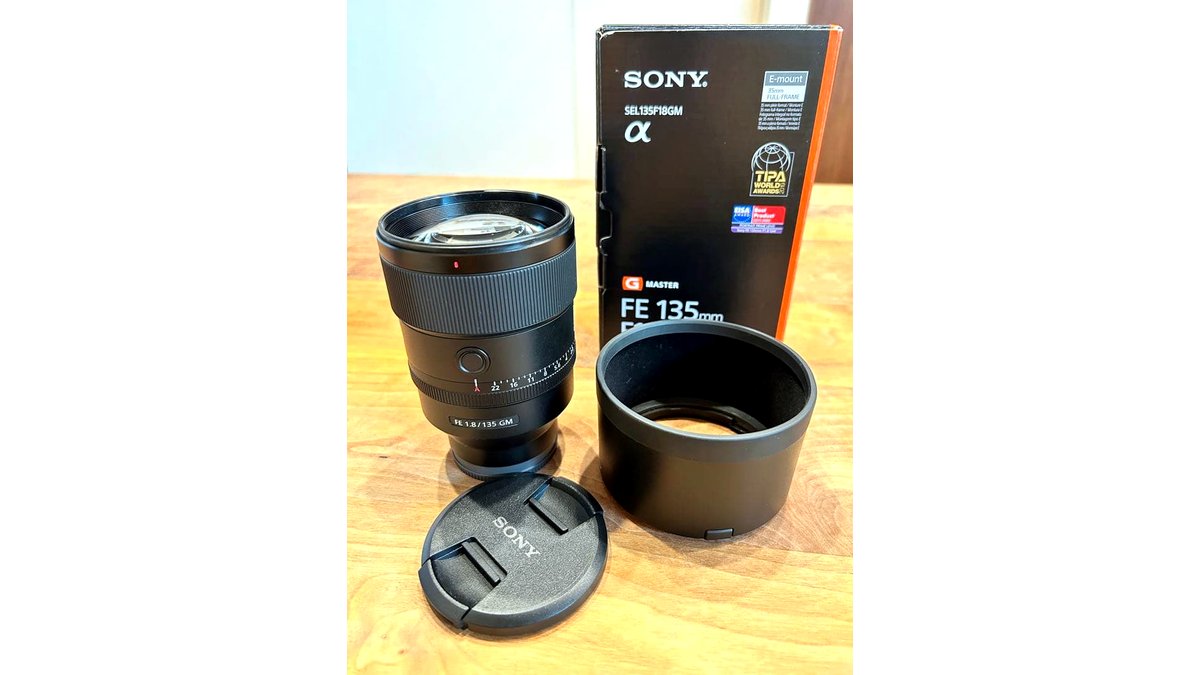
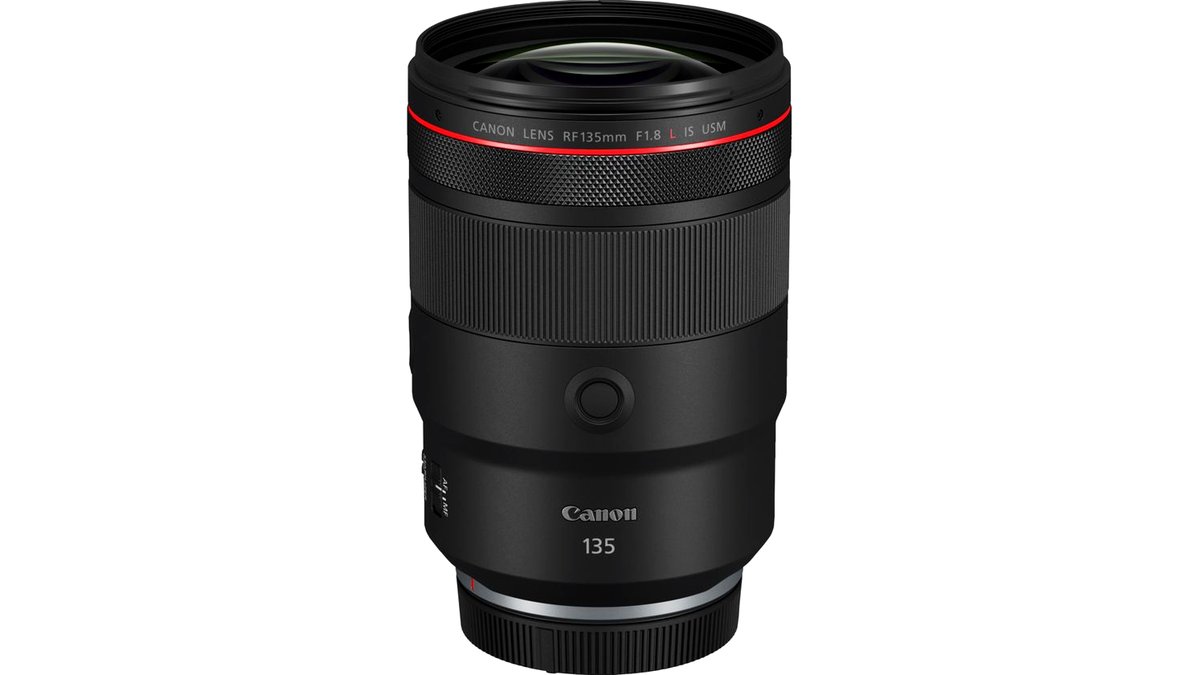
Lenses in this class, such as the Sony FE 135mm F1.8 GM, the Canon RF 135mm F1.8L IS USM, and the Nikon Z 135mm f/1.8 S Plena, are built for professional portrait and event photographers who need an f/1.8 aperture paired with fast, accurate autofocus. The makers list weather sealing, internal focus groups that keep the front element from rotating, and optical designs tuned to minimize spherical aberration for smooth background blur. These lenses are best for photographers who shoot portraits, weddings, or sports sidelines regularly and can justify the premium-tier investment. The main limit is weight: these lenses run close to a kilogram, which is noticeable during a long shooting day without a grip or strap system.
Sigma Art-series 135mm F1.8
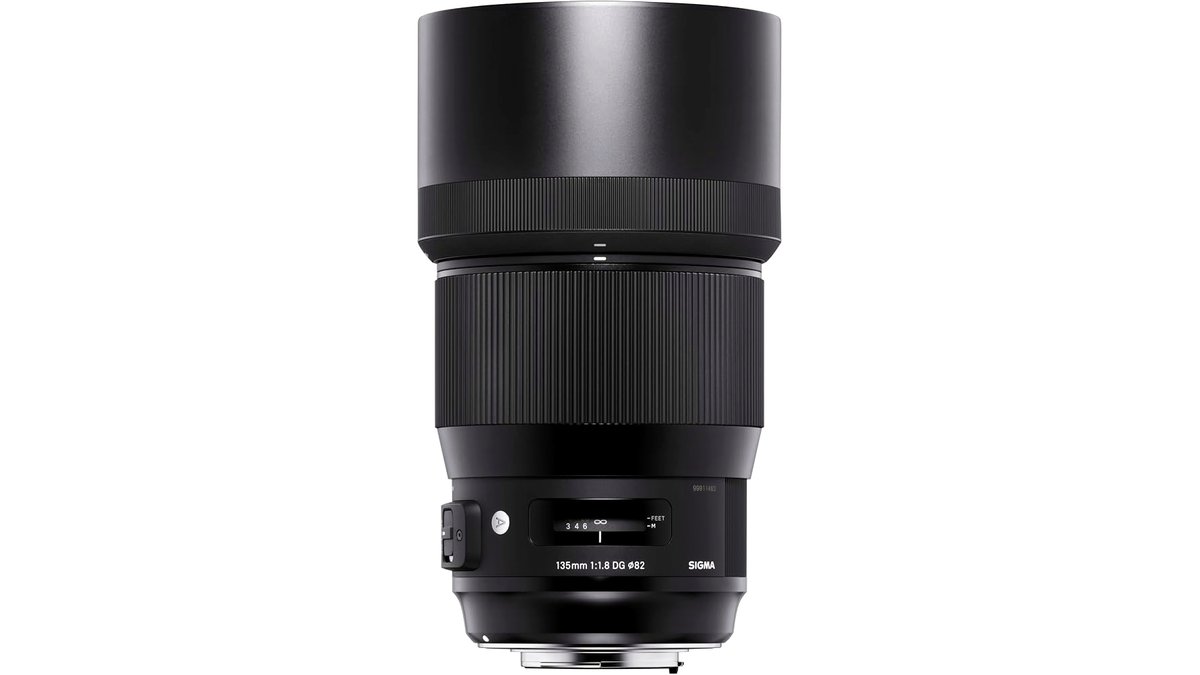
Sigma’s Art-series 135mm, available in Canon EF, Nikon F, and L-mount versions (often used on L-mount mirrorless bodies via native mount or adapter), targets photographers who want flagship-level sharpness without a first-party price tag. The maker lists a Hyper Sonic autofocus Motor and a brass bayonet mount for durability. It is best for buyers who shoot portraits and landscapes and are comfortable with a native EF/F mount body or an adapted mirrorless setup. The limit is size and weight similar to first-party flagship lenses, plus autofocus performance that can vary depending on firmware and camera pairing when adapted.
Rokinon/Samyang 135mm f/2.0
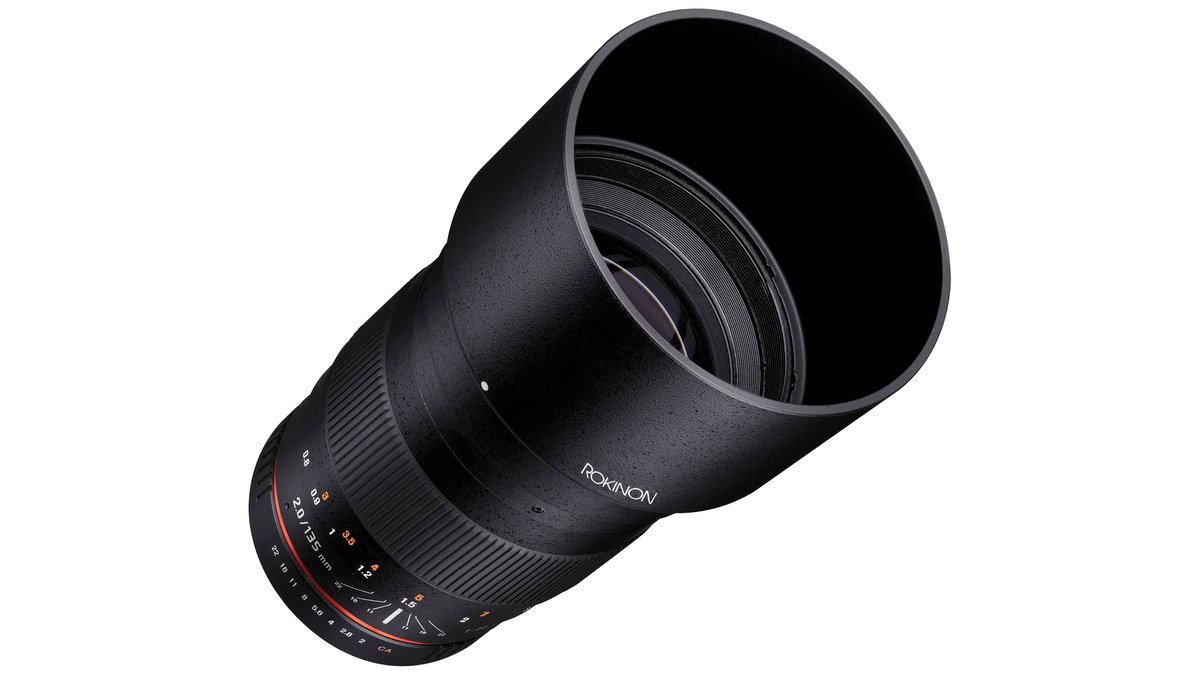
This manual-focus prime is sold under both the Rokinon and Samyang names depending on region and is built around an all-metal barrel with a smooth manual focus ring. It suits video shooters who prefer manual focus pulls and still photographers who want a 135mm look at a lower price than autofocus flagships. Cine-coated versions with de-clicked aperture rings are sold separately for video work. The limit is the complete lack of autofocus, which makes it a poor fit for fast-moving subjects or run-and-gun event shooting.
Legacy DSLR 135mm primes (adapted)
Older 135mm primes from Canon, Nikon, and Pentax SLR-era lineups can be adapted to modern mirrorless bodies, and many secondhand copies remain optically solid. This path suits budget-focused buyers who already own an adapter or are willing to buy one. The main limits are inconsistent autofocus behavior through adapters (some are manual-focus only) and no official support from the camera maker for autofocus accuracy.
Fit and compatibility notes
Mount compatibility is the single biggest mistake buyers make with telephoto primes. A Sony E-mount 135mm will not physically fit a Canon RF or Nikon Z body without an adapter, and adapters that preserve autofocus for this focal length are limited and vary in reliability. Before buying, confirm the camera’s exact mount generation, since some older mirrorless bodies lack the processing power to drive fast autofocus motors in newer lenses at full speed. Full-frame 135mm lenses work on APS-C or Micro Four Thirds bodies too, but the effective field of view narrows considerably, which changes how the lens is used in practice (a full-frame 135mm behaves closer to a 200mm equivalent on a 1.5x crop body).
Pick one if…
| If you… | Pick this type |
|---|---|
| Shoot portraits or weddings professionally and need the fastest, most reliable autofocus | A flagship native-mount f/1.8 prime |
| Want flagship-level sharpness on a tighter budget and already own a compatible mount or adapter | A third-party Art-series autofocus prime |
| Shoot primarily video and prefer manual focus control | A manual-focus f/2 prime, ideally a cine-coated version |
| Are testing whether 135mm suits your style before a bigger purchase | An adapted secondhand DSLR-era prime |
Alternatives worth considering
A 70-200mm f/2.8 zoom covers the 135mm focal length along with a much wider range, trading some maximum sharpness and weight savings for flexibility; it suits buyers who are not sure 135mm alone will cover their needs. An 85mm f/1.4 prime gives similar background blur with less working distance and a lighter, more compact body, which fits buyers who shoot in tighter spaces. A 100-400mm or similar telephoto zoom suits buyers who want reach for wildlife or sports in addition to occasional portrait work, though it will not match a dedicated 135mm prime for sharpness or low-light speed.
Frequently Asked Questions
Is a 135mm lens good for portraits?
Yes, 135mm is a classic portrait focal length because it compresses the background and keeps a comfortable working distance from the subject. Photographers often choose it over 85mm when they want more background blur and separation, or when shooting in a space that allows for the extra distance it needs.
Can I use a 135mm lens for sports or wildlife?
A 135mm prime can work for sideline sports or close wildlife subjects, but its fixed focal length limits reach compared to a telephoto zoom. Photographers who regularly shoot distant subjects typically pair a 135mm with a longer zoom rather than relying on it alone.
Do I need autofocus on a 135mm lens?
Autofocus matters most for moving subjects, events, and fast-paced portrait sessions where missed focus means a lost shot. Manual-focus 135mm primes work well for controlled studio portraits, landscapes, and video, where focus can be set deliberately.
Will a full-frame 135mm lens work on a crop-sensor camera?
Yes, a full-frame 135mm lens mounts and functions on an APS-C or Micro Four Thirds body of the same mount family, but the field of view narrows due to the sensor crop factor. This effectively turns the lens into a longer telephoto in terms of framing, which some buyers want and others find limiting.
How heavy are 135mm f/1.8 lenses?
Flagship f/1.8 versions from major camera makers typically weigh close to a kilogram once hoods and caps are included, which is heavier than most 50mm or 85mm primes. Buyers who shoot handheld for long sessions should consider a camera strap system rated for the added weight.
Are third-party 135mm lenses as good as first-party ones?
Independent lens makers have released 135mm primes that reviewers often rate close to first-party flagships in sharpness, sometimes at a lower price. The trade-offs are typically autofocus consistency across camera firmware updates and slightly different build materials, which buyers should weigh against the price difference.