Key takeaways
- A 40-50mm-equivalent pancake prime suits photographers who want a compact, lightweight everyday lens close to a “normal” field of view, while a wider 20-28mm pancake suits travel and street shooters who want a slim lens that still captures more of…
A 40-50mm-equivalent pancake prime suits photographers who want a compact, lightweight everyday lens close to a “normal” field of view, while a wider 20-28mm pancake suits travel and street shooters who want a slim lens that still captures more of the scene; the right pick depends mostly on the field of view wanted and which camera mount is being used.
As an Amazon Associate, we earn from qualifying purchases made through links on this page.
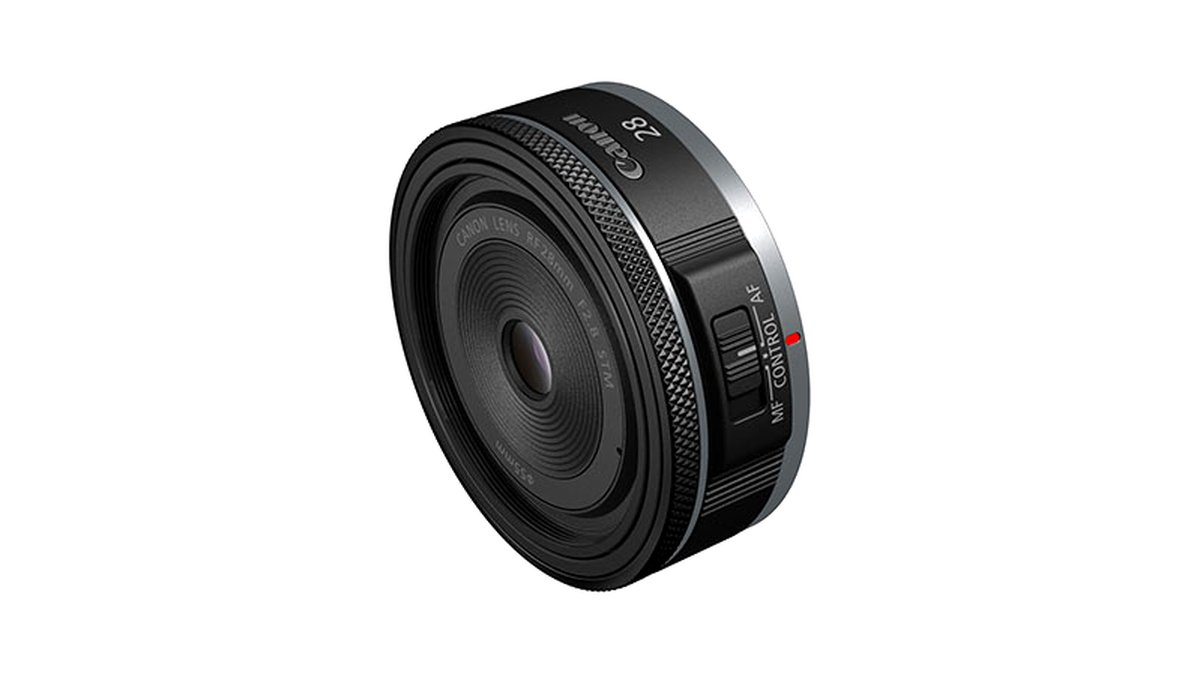
Pancake lenses are defined by their short, flat barrel rather than by a single focal length or aperture, which means the category spans several focal lengths across Canon RF, Sony E, Fujifilm X, Micro Four Thirds, and other mounts. This guide groups pancake lenses by focal length and use case so buyers can match a lens to how they actually shoot.
Why Shoot a Pancake Lens
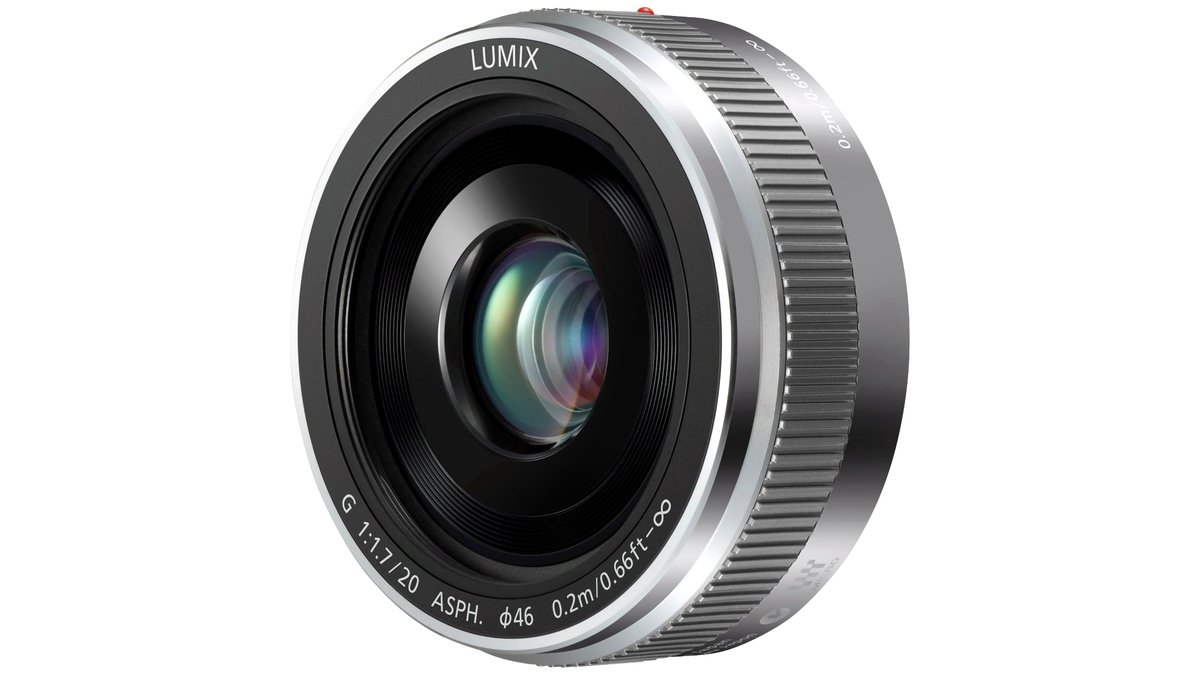
The main appeal of a pancake lens is size and weight: a body-and-lens combo that fits in a jacket pocket or small bag, which matters for travel, street photography, and everyday carry. This compactness comes with tradeoffs; pancake lenses are almost always prime (fixed focal length, no zoom), and many have a moderate rather than very wide maximum aperture compared to larger primes in the same mount, since a very fast aperture generally requires more glass and a deeper barrel.
Autofocus speed and build quality vary by maker and price tier. Some pancake lenses use a simple, quiet focus motor suited to stills and casual video, while a smaller number of premium pancakes use faster linear motors that handle continuous autofocus and video better. Buyers who shoot a lot of video or fast-moving subjects should check the specific autofocus motor type the maker lists rather than assuming all pancakes focus at the same speed.
Focal Length Choices
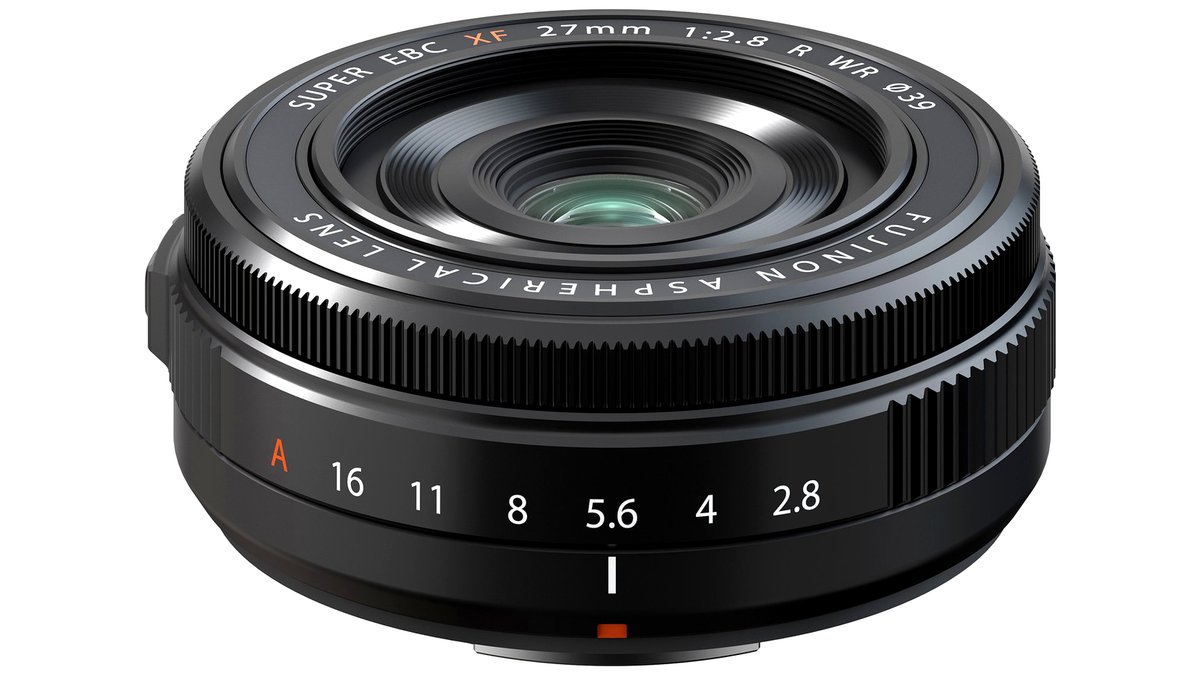
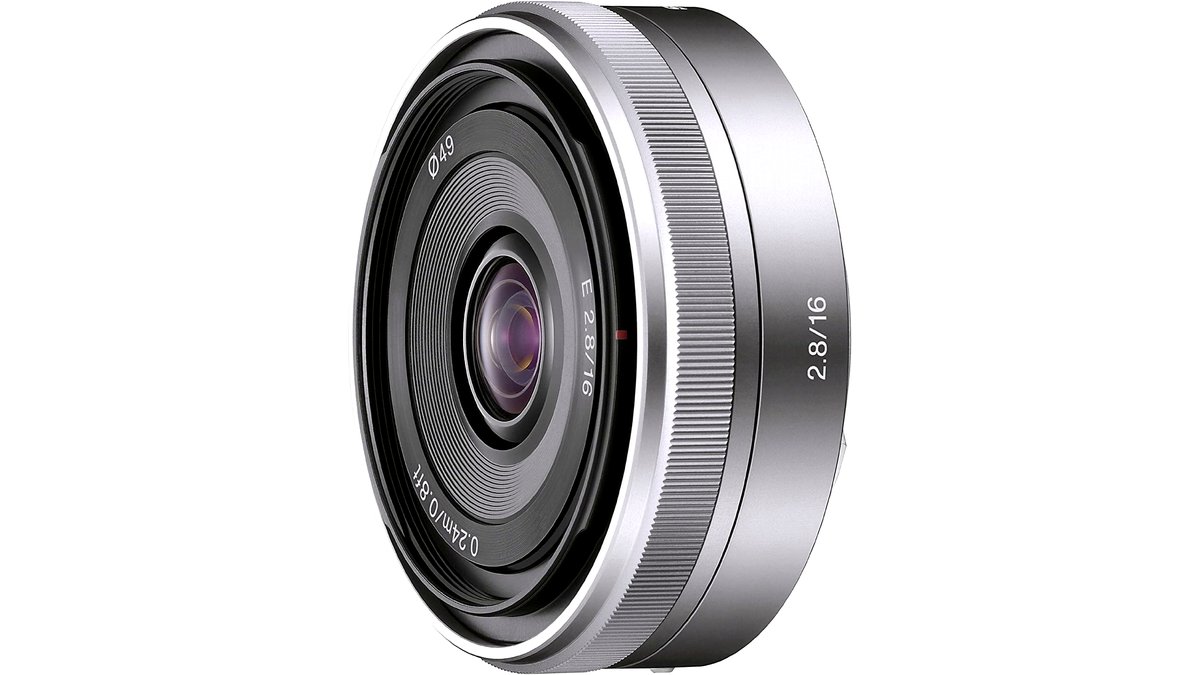
Lenses in the 40-50mm-equivalent range are the most common pancake category and are often marketed as “normal” lenses because they roughly match human perspective, making them versatile for portraits, street shots, and general walk-around use. Wider pancakes in the 18-28mm-equivalent range suit environmental shots, interiors, and travel photography where fitting more of a scene into frame matters more than subject compression. A smaller number of pancake lenses sit in a mild telephoto range, useful for tighter portraits while keeping the compact form factor, though these are less common than the normal and wide options.
At a Glance
| Focal Length Class | Best For | Key Stated Specs | Limits |
|---|---|---|---|
| ~18-28mm equivalent (wide) | Travel, interiors, environmental shots | Compact barrel, moderate max aperture, lightweight metal or polycarbonate build | Some edge softness or distortion at wide apertures on budget models |
| ~40-50mm equivalent (normal) | Everyday carry, street, general use | Natural field of view, often the smallest lens in a given lens lineup | Not ideal for tight portraits or distant subjects |
| ~70-85mm equivalent (mild tele, less common) | Compact portrait setup | Modest compression, still smaller than typical portrait primes | Fewer options exist in this focal length as a true pancake |
| Manual-focus pancakes | Budget-focused or deliberate manual shooters | All-metal construction common, smooth focus ring, no autofocus motor | No autofocus; slower to use for fast or candid shooting |
Mount Compatibility and Crop Factor
Pancake lenses are mount-specific, and the “equivalent” focal length depends on the camera’s sensor size. A 24mm pancake acts like a wide lens on an APS-C body but like a true wide-angle on full-frame, so the stated focal length should always be checked against the sensor size of the camera it will be mounted on rather than assumed to be equivalent across systems. Micro Four Thirds pancakes use a roughly 2x crop factor, meaning a 20mm MFT pancake behaves like a 40mm lens in full-frame terms.
Mount adapters exist for some combinations, but adapting a pancake lens to a different mount can add length that defeats the compact purpose of choosing a pancake in the first place, so buying a lens native to the camera’s actual mount is generally the simpler and more size-efficient choice.
Pick This If…
| Shooter Profile | Recommended Focal Length |
|---|---|
| Wants one lens that stays on the camera for everyday use | 40-50mm equivalent normal pancake |
| Travels often and wants interiors and wide scenes in frame | 18-28mm equivalent wide pancake |
| Prioritizes the smallest possible kit over autofocus speed | Manual-focus metal pancake |
| Shoots a lot of casual video alongside stills | A pancake the maker specifically lists as having a fast or linear-type focus motor |
| Wants a compact portrait option | A mild telephoto pancake, where available for the camera’s mount |
Build Quality and Aperture Tradeoffs
Many pancake lenses use a metal barrel and focus ring, which reviewers often note gives a more premium feel than the lens’s low price might suggest, though plastic-barreled budget pancakes also exist and can be a reasonable choice for casual use. Maximum aperture on most pancakes lands in a moderate range rather than at the very fast end of a given lens lineup, since a very fast aperture in a short barrel is harder to engineer; buyers who need strong low-light or shallow depth-of-field performance should compare the specific maximum aperture number rather than assuming all pancakes perform similarly in dim conditions.
Alternatives Worth Considering
A compact (though not pancake-flat) zoom lens trades some size for focal-length flexibility, which suits buyers who find a single fixed focal length too limiting day to day. A slightly larger but faster prime lens in the same focal range offers better low-light and background-blur performance at the cost of pocketability. For buyers who mainly want a smaller overall kit rather than the thinnest possible lens, a mirrorless camera’s smallest “kit” zoom can sometimes rival a pancake’s travel-friendliness while adding zoom range.
Frequently Asked Questions
Are pancake lenses good for portraits?
Normal-range pancakes (around 40-50mm equivalent) can work reasonably well for portraits, especially environmental or half-body shots, while the rarer mild-telephoto pancakes suit tighter portraits better. True wide pancakes are generally a weaker choice for flattering close-up portraits because of the perspective distortion wide lenses introduce at close distances.
Why are pancake lenses usually not very fast (wide aperture)?
Fitting a very fast maximum aperture into a short, flat barrel is optically difficult, since wider apertures generally need more glass elements and more physical depth; makers of pancake lenses typically prioritize the compact form factor over achieving the widest possible aperture. Buyers who want both extreme compactness and a very fast aperture may need to accept a compromise on one or the other.
Do pancake lenses autofocus as fast as regular lenses?
It depends on the specific lens and its focus motor; some pancakes use simpler, slower motors suited mainly to stills, while a smaller number of premium pancakes use faster linear-type motors comparable to standard lenses. The maker’s product page or specification sheet typically states the motor type, which is the most reliable way to compare autofocus performance before buying.
Can I use a pancake lens for video?
Yes, though autofocus smoothness during video depends heavily on the lens’s specific focus motor, and manual-focus pancakes require the videographer to focus by hand. Pancakes with a stated linear or stepping-motor autofocus system tend to perform more smoothly for video than older or budget screw-drive designs.
Will a pancake lens work with my camera’s image stabilization?
Most pancake lenses do not include in-lens stabilization, since that would add size and defeat the compact design goal, so stabilization on these lenses typically depends entirely on the camera body having in-body stabilization. Cameras without in-body stabilization paired with a non-stabilized pancake lens will have no stabilization at all, which matters more for video and low-light handheld stills than for typical daylight shooting.
Is a pancake lens a good first lens for a new camera owner?
A normal-range pancake can be a reasonable first lens because of its versatility and low weight, making the camera easier to carry daily, though a new owner who wants to learn on a more flexible zoom lens first may prefer starting with a kit zoom instead. The choice largely comes down to whether the buyer values a lightweight, always-with-you setup over focal-length flexibility while learning.