Key takeaways
- Check which cellular carriers a camera supports and compare against known coverage at the actual property location before buying.
- Confirm whether the camera requires a separate data plan subscription and compare plan tiers against expected photo volume.
- Battery type and expected battery life vary significantly between models; solar panel compatibility is worth checking for cameras left unattended for long stretches.
- SD card capacity and type requirements still apply even on cellular cameras, since photos are typically stored locally as well as transmitted.
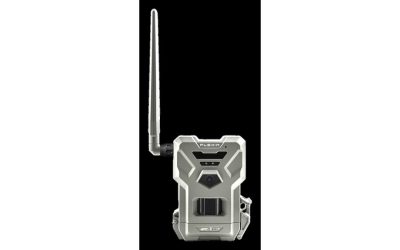
Hunters and property owners who want to check a camera without driving out to swap a memory card should look at a cellular trail camera that sends photos or short clips to a phone app, while anyone wanting true real-time video streaming rather than periodic photo updates needs to check specifically for a model that supports on-demand live view, since not all “cellular” trail cameras offer true live streaming. The distinction between scheduled photo transmission and genuine live feed is the single most important spec to check before buying.
As an Amazon Associate, we earn from qualifying purchases made through links on this page.
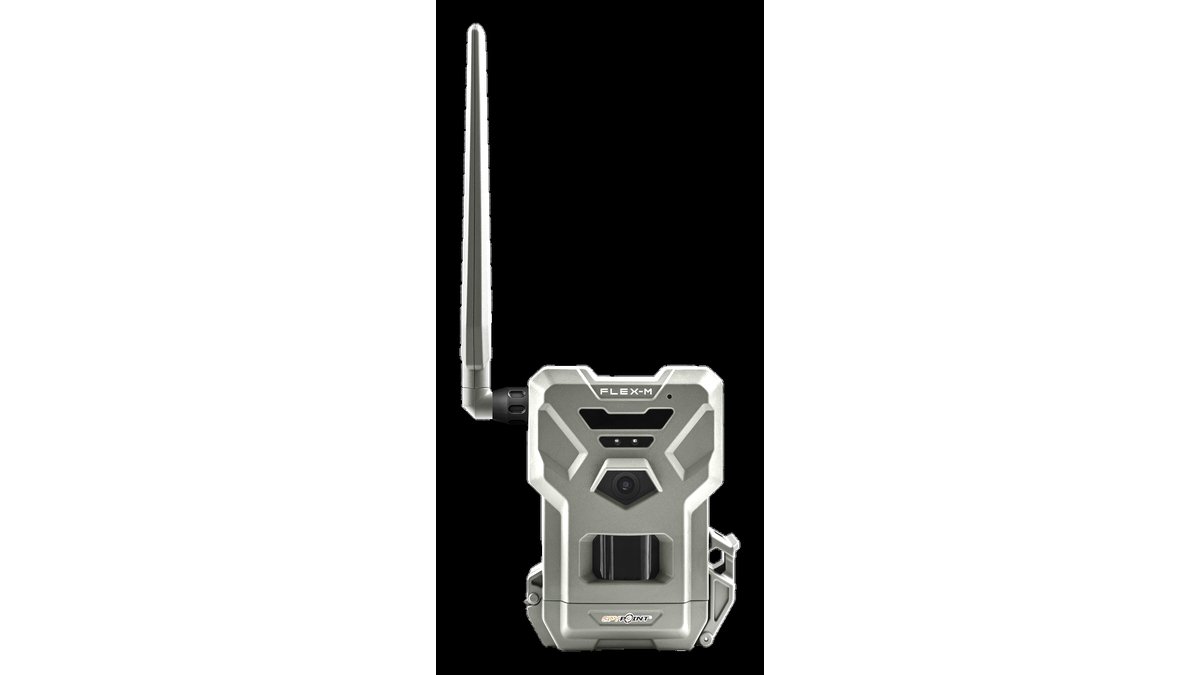
Cellular Trail Cameras vs. True Live-View Cameras
Most cameras marketed as having a “live feed” actually work by detecting motion, capturing a photo or short video, and transmitting it over a cellular network to an app within seconds to minutes, rather than streaming continuous live video the way a home security camera does. This is still extremely useful for monitoring game activity or property remotely without a site visit, but buyers expecting a continuous live video stream should confirm the specific model supports an on-demand live view feature, since this is a distinct capability from standard motion-triggered transmission.
A smaller number of trail camera models do offer genuine on-demand live view, where the user can open the app and request a short live video or series of fresh photos on command, in addition to motion-triggered alerts. Makers typically market this feature explicitly, so it’s usually clear from the product description whether a camera includes it rather than only scheduled or motion-triggered transmission.
Cellular Carrier Coverage and Data Plans
Cellular trail cameras rely on cell tower signal at the camera’s location, so coverage depends entirely on which carrier network the camera uses and how strong that carrier’s signal is at the specific property, not on the camera’s own specifications. Many makers now offer multi-carrier or carrier-switching camera models specifically to address weak signal in rural hunting areas, since a camera tied to a single carrier with poor local coverage will perform poorly regardless of its other features.
Ongoing data plans are required for cellular transmission and are typically sold separately from the camera itself on a monthly or seasonal basis, with plan tiers usually based on the number of photos or amount of data transmitted per month. Buyers should factor this recurring cost into the total cost of ownership, since it continues well beyond the initial camera purchase.
Fit and Compatibility Notes
- Check which cellular carriers a camera supports and compare against known coverage at the actual property location before buying.
- Confirm whether the camera requires a separate data plan subscription and compare plan tiers against expected photo volume.
- Battery type and expected battery life vary significantly between models; solar panel compatibility is worth checking for cameras left unattended for long stretches.
- SD card capacity and type requirements still apply even on cellular cameras, since photos are typically stored locally as well as transmitted.
At a Glance: Trail Camera Types With Remote Access
| Type | Best for | Key stated specs | Limits |
|---|---|---|---|
| Motion-triggered cellular camera | Remote game monitoring without site visits | Makers list transmission speed from capture to app, typically seconds to a few minutes | Not continuous live video; relies on motion detection to trigger a photo |
| Cellular camera with on-demand live view | Users wanting to check the scene in real time, not just after motion triggers | Makers explicitly list live view or live photo request as a feature | Live requests typically use more data and battery than passive motion alerts |
| Multi-carrier cellular camera | Rural properties with uncertain or weak single-carrier coverage | Makers list support for switching between multiple cellular networks | Slightly higher cost than single-carrier models |
| Solar-compatible cellular camera | Long-term unattended deployment | Makers list solar panel compatibility and extended battery life claims | Solar panel often sold separately; performance depends on sun exposure at the mount location |
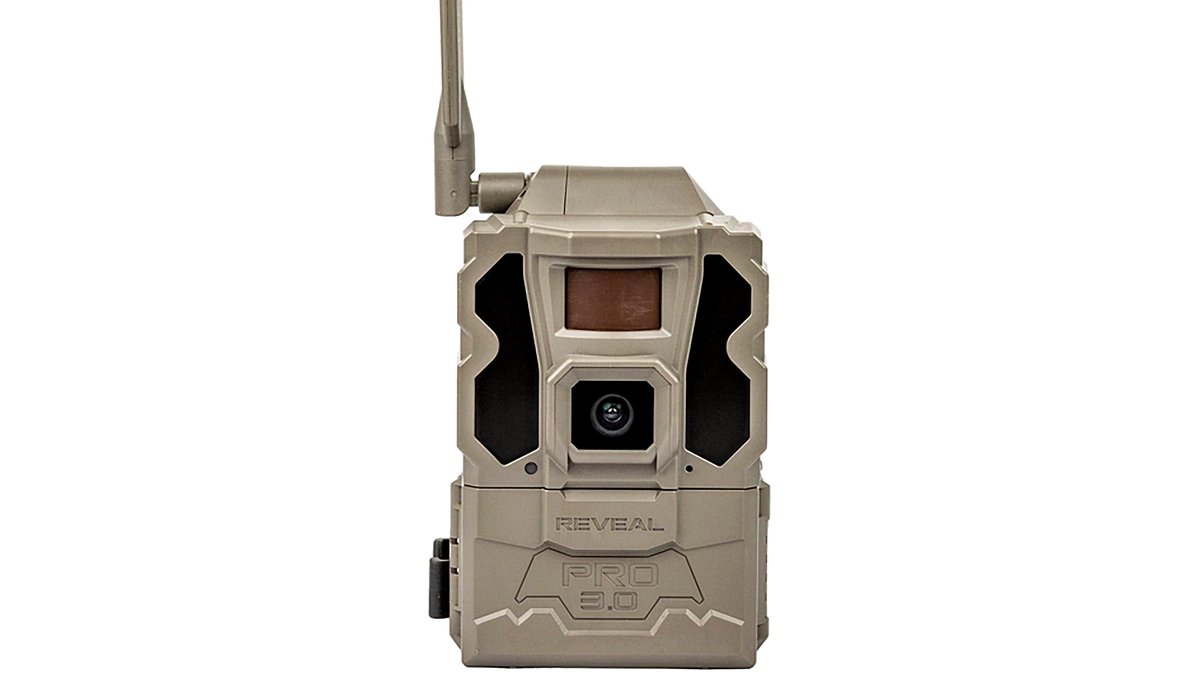
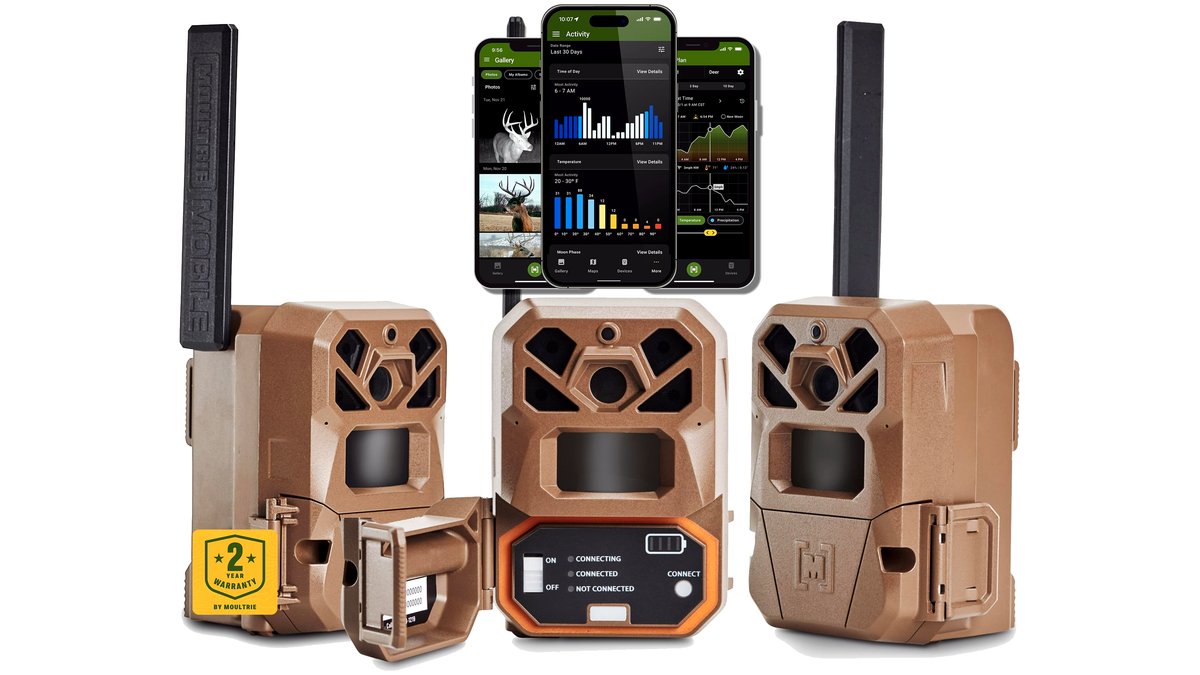
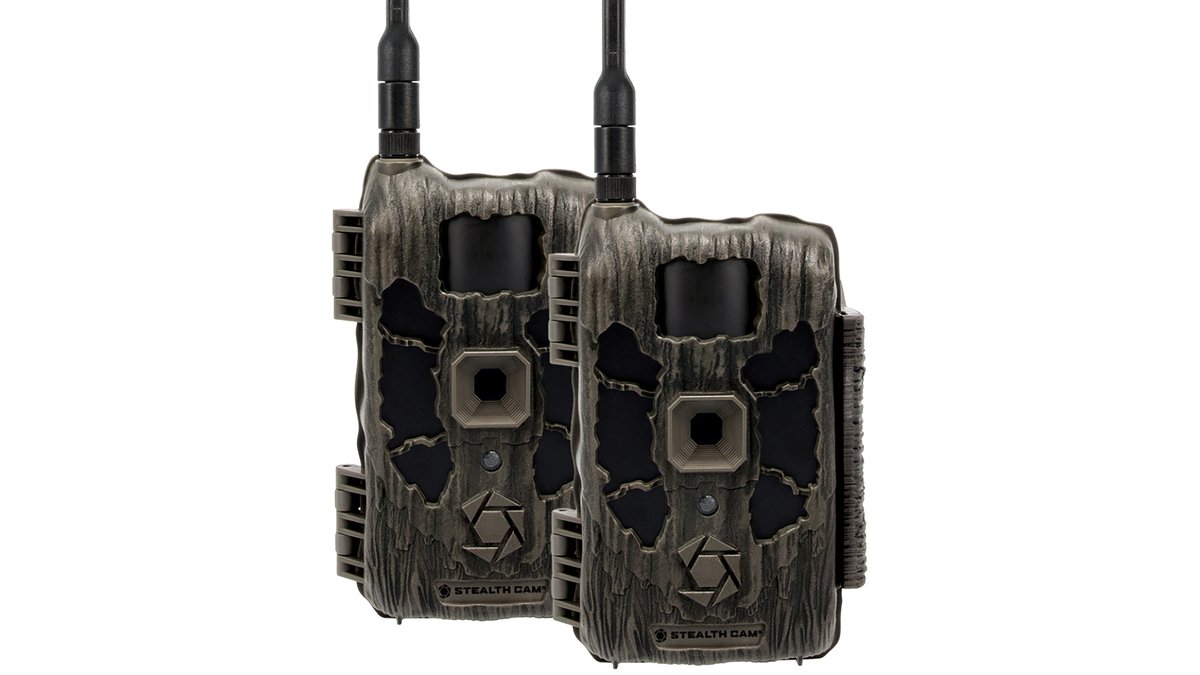
Pick This If…
| Situation | Recommended type |
|---|---|
| Want photo alerts without driving to the property | Motion-triggered cellular camera |
| Want to actively check the scene in real time on demand | Cellular camera with on-demand live view |
| Property is in an area with uncertain cell coverage | Multi-carrier cellular camera |
| Camera will be left unattended for months at a time | Solar-compatible cellular camera |
| Property has strong Wi-Fi but no need for remote cellular access | Standard Wi-Fi trail camera; cellular plan cost may be unnecessary |
Detection Range, Trigger Speed, and Night Performance
Motion detection range and trigger speed determine how reliably a camera captures fast-moving game rather than an empty frame after the animal has already moved past. Makers list detection range in feet and trigger speed in fractions of a second; faster trigger speeds and longer detection ranges generally produce more usable captures of moving animals, particularly for cameras placed along trails rather than over bait or feed sites where animals linger longer.
Night images rely on either infrared (IR) flash, which produces black-and-white images without spooking game, or white flash, which produces color images but is more visible to animals and people. Makers list IR range in feet and sometimes the number of IR LEDs used; reviewers covering trail cameras generally note that higher-end IR arrays produce clearer, better-illuminated night photos at longer range than basic low-LED setups.
Alternatives Worth Considering
Property owners whose land has reliable Wi-Fi coverage might consider a standard Wi-Fi trail camera instead of cellular, which avoids recurring data plan costs but only works within Wi-Fi range of a router or extender rather than from a truly remote location. A second alternative is a non-connected standard trail camera paired with periodic in-person SD card checks, which is the lowest-cost option but requires physical site visits and offers no remote or live monitoring at all. A third alternative for broader property monitoring beyond single points is a multi-camera cellular system with a shared app and data plan, which can be more cost-effective per camera than individual single-camera plans when monitoring several locations at once.
Frequently Asked Questions
Does “live feed” mean I can watch continuous video on my phone?
Not usually; most trail cameras described as having a live feed actually send motion-triggered photos or short clips within seconds to minutes rather than streaming continuous video. A smaller number of models explicitly offer on-demand live view, which lets the user request a fresh photo or short video on command, and this feature is typically called out specifically by the maker rather than assumed.
Do I need a specific cellular carrier for these cameras to work?
Yes, cellular trail cameras are built around specific carrier networks, and coverage depends on cell tower signal strength at the camera’s exact location, not the camera’s own capability. Multi-carrier models that can switch networks are generally the safer choice for areas with uncertain or mixed coverage.
How much does a data plan for a cellular trail camera typically cost?
Data plans are sold separately from the camera, usually as monthly or seasonal subscriptions tiered by the number of photos or amount of data transmitted, and exact costs vary by provider and plan tier. This recurring cost should be factored in alongside the camera’s purchase price when budgeting for a cellular setup.
Will a solar panel really keep my camera running without battery changes?
Solar panels can significantly extend runtime between battery changes or even eliminate the need for them in good sun exposure, according to maker claims, but actual performance depends heavily on how much direct sunlight reaches the mount location throughout the day. Cameras mounted in heavy shade may see little benefit from an attached solar panel.
What’s the difference between infrared and white flash night photos?
Infrared flash produces black-and-white night images without a visible flash that could spook animals or draw attention to the camera, while white flash produces color images but is visible and can alert game or people nearby. Most hunting-focused trail cameras use IR flash for this reason, while white flash is more common on cameras prioritizing image color over discretion.
Can I use a cellular trail camera without any subscription at all?
Most cellular trail cameras require an active data plan to transmit photos remotely; without one, the camera typically still functions as a standard trail camera, saving photos locally to an SD card for manual retrieval. This makes the camera usable without a subscription, just without its remote transmission and live view features.