Key takeaways
- Hunters and land managers who want near-instant photo delivery to a phone should look at a cellular trail camera on a plan covering the property’s carrier coverage, while anyone monitoring land without reliable cell signal does better with a Wi-Fi-to-phone…
Hunters and land managers who want near-instant photo delivery to a phone should look at a cellular trail camera on a plan covering the property’s carrier coverage, while anyone monitoring land without reliable cell signal does better with a Wi-Fi-to-phone camera for close-range checks or a standard SD-card camera as a fallback. The right pick depends on cell coverage at the site, how often photos need checking, and budget for a data plan.
As an Amazon Associate, we earn from qualifying purchases made through links on this page.
What “Wireless” Means for Trail Cameras
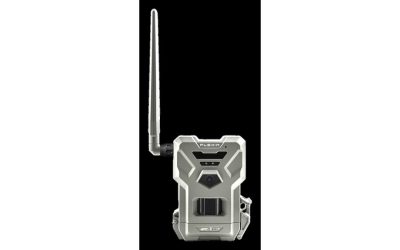
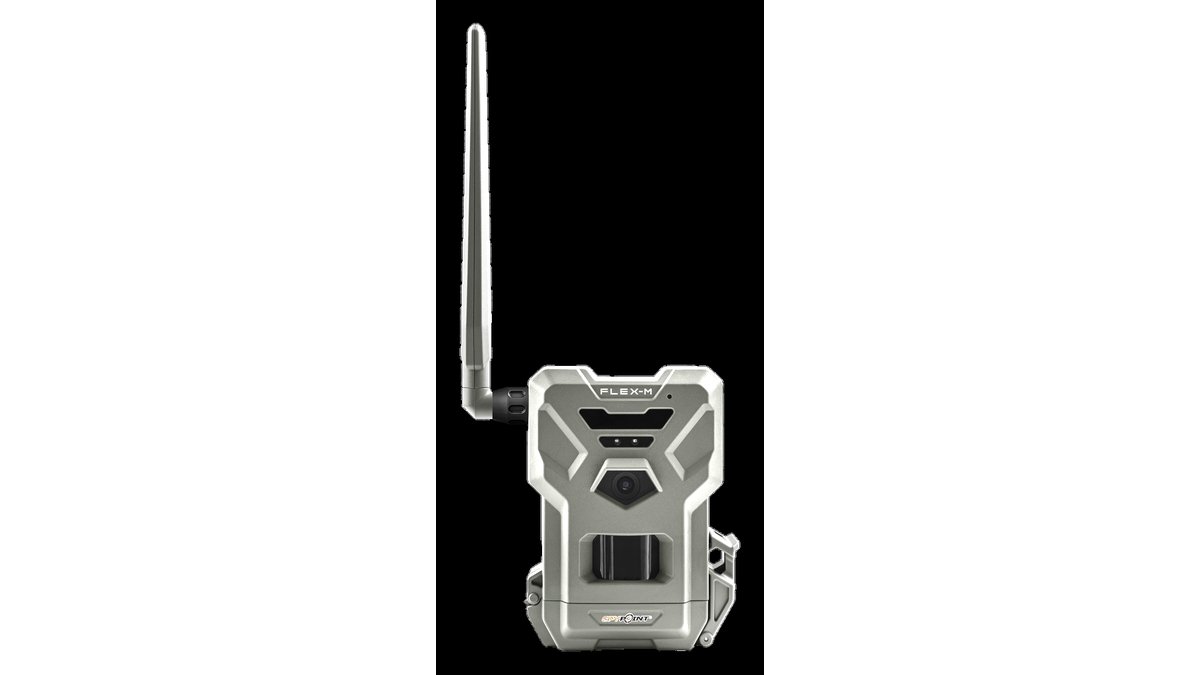
Wireless trail cameras fall into two genuinely different categories that get marketed under the same general term. Cellular trail cameras use a built-in SIM card and a cellular data plan to send photos directly to a phone app from anywhere with coverage, meaning the camera never needs a physical visit to retrieve images. Wi-Fi trail cameras, by contrast, only transmit to a phone or tablet when that device is within a short range of the camera itself, typically needing to walk within a set distance from the unit to pull photos over a direct local connection.
Cellular coverage is the single biggest factor in whether a cellular camera is worth the added cost. These cameras rely on standard cell carrier networks, the same ones phones use, so a location with weak or no cell signal won’t get reliable photo delivery regardless of the camera’s own specs. Checking actual carrier coverage at the specific land location, not just general coverage maps, is worth doing before committing to a cellular camera and its data plan.
Data plans for cellular cameras are usually tiered by photo volume per month, and some brands lock a camera to one specific carrier’s network while others support swapping between multiple carriers depending on which has the best signal at that location. Multi-carrier support is worth checking for land near the edge of a carrier’s coverage area.
Trail Camera Types
Cellular Trail Cameras
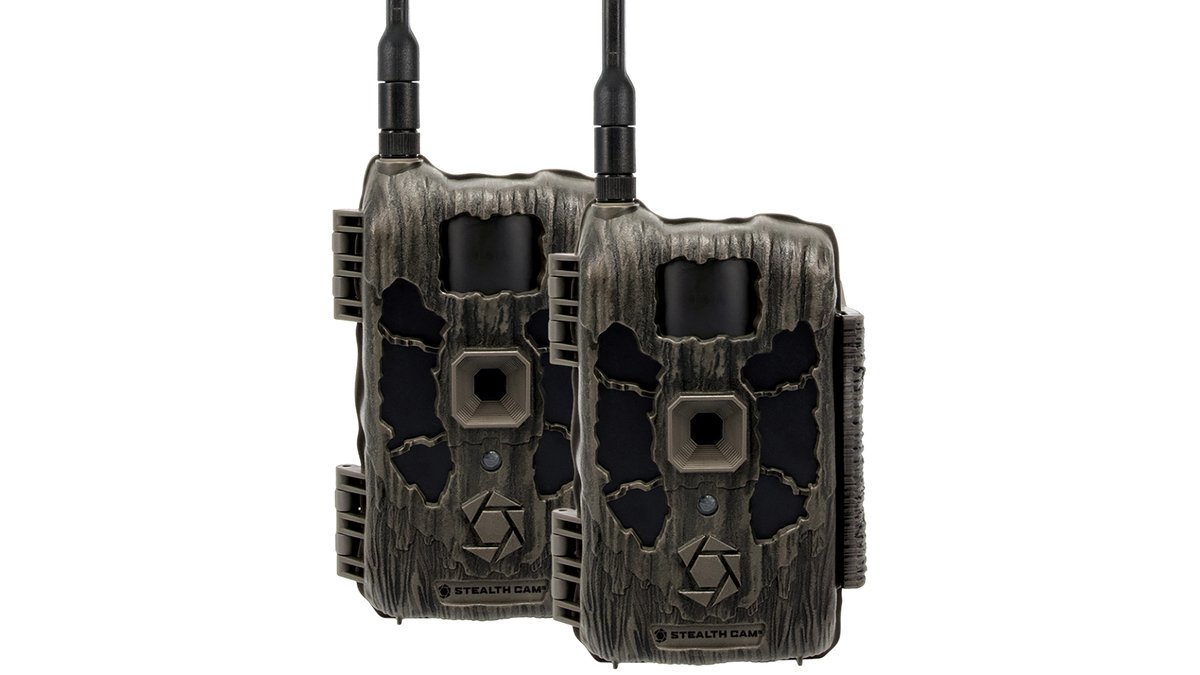
These send photos over a cell network directly to a phone app, often within minutes of being triggered. They suit hunters and land managers checking activity on remote or hard-to-reach land without frequent in-person visits. Limits: requires a paid data plan on top of the camera’s purchase price, and performance depends entirely on cell signal strength at that exact location.
Wi-Fi Direct-Connect Trail Cameras
These transmit photos to a nearby phone or tablet over a local wireless connection, without needing cell service or a data plan. They suit land that’s visited somewhat regularly but where pulling the SD card by hand is inconvenient or the camera is mounted in a hard-to-reach spot. Limits: still requires being physically near the camera, within the maker’s stated range, to retrieve photos.
Standard SD-Card Trail Cameras
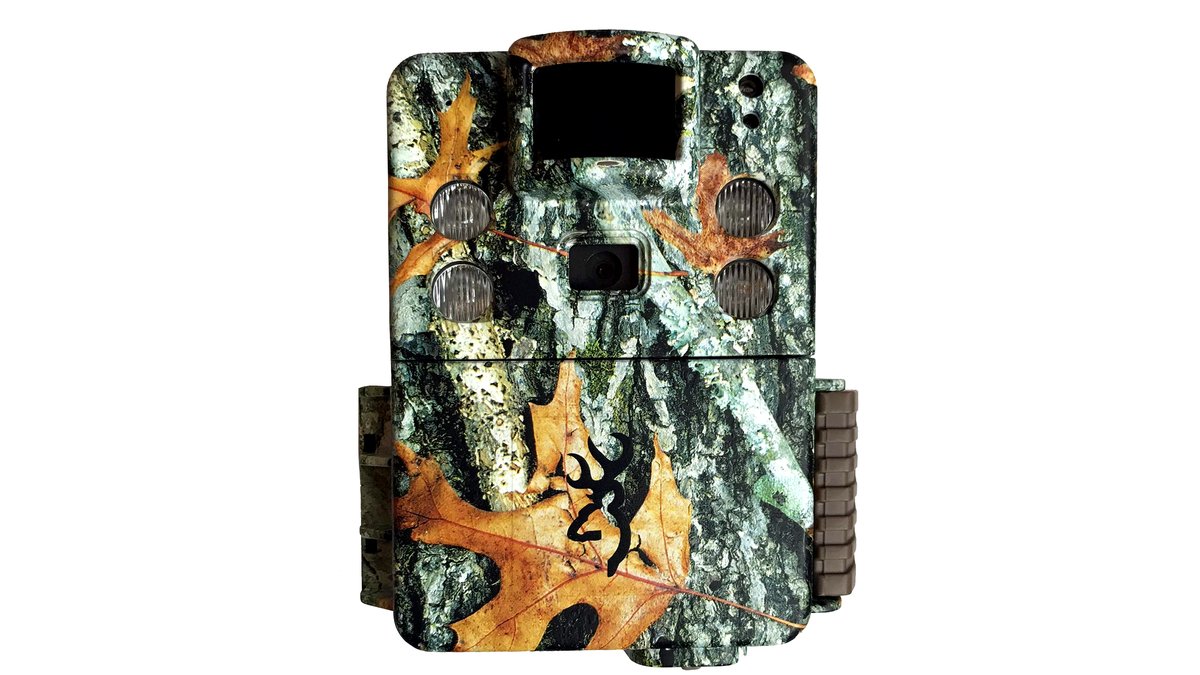
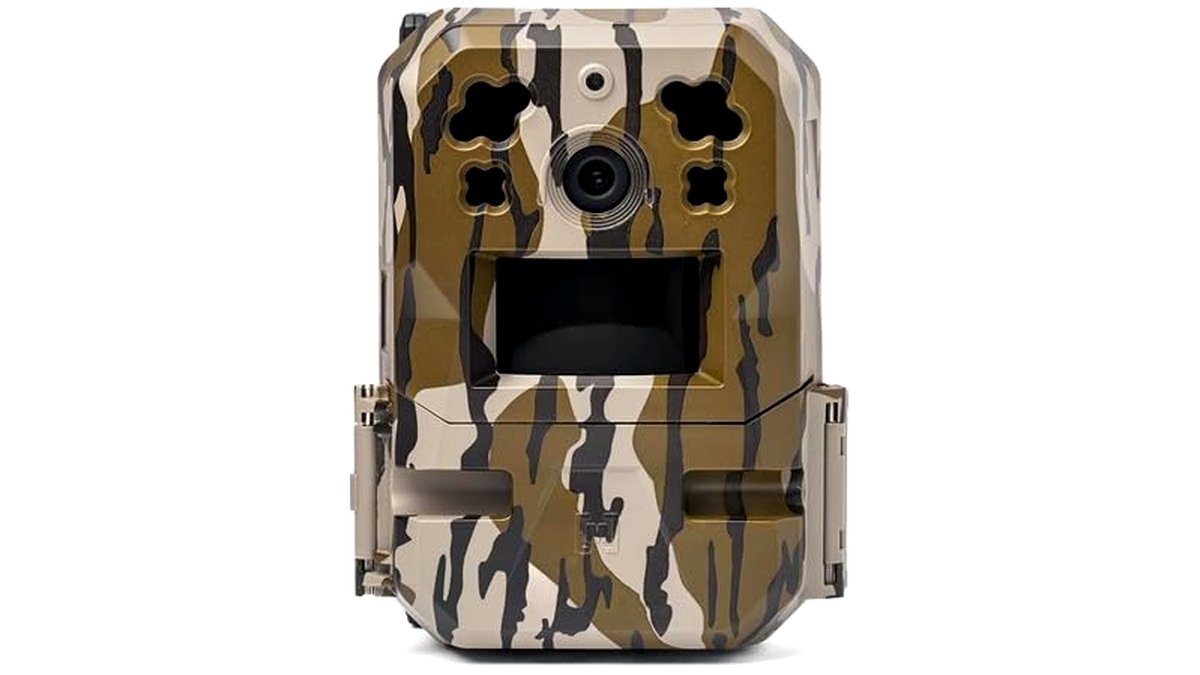
These store photos locally on a memory card with no wireless transmission at all, requiring a physical visit to swap or read the card. They suit land with no cell coverage and frequent in-person visits anyway, or budget-conscious buyers who don’t need remote photo delivery. Limits: no remote monitoring, and photos are only available once the card is retrieved.
Dual-Mode Cameras
Some current cameras combine cellular transmission with local SD card storage, keeping a full-resolution backup on the card while sending a smaller preview image over the cell network. They suit buyers who want both remote alerts and a complete photo archive without relying on cellular transmission for full image quality. Limits: higher price point than single-mode cameras, and full-resolution images still require a card retrieval visit.
At a Glance: Wireless Trail Camera Types Compared
| Camera Type | Best For | Key Stated Specs | Limits |
|---|---|---|---|
| Cellular | Remote land, infrequent visits | SIM-based transmission, phone app delivery | Needs a data plan and solid cell signal |
| Wi-Fi direct-connect | Land visited somewhat regularly | Local wireless transfer within a set range | Still requires physical proximity to retrieve photos |
| Standard SD-card | No-coverage areas, frequent visits | Local storage only, no transmission | No remote monitoring at all |
| Dual-mode | Wanting both remote alerts and full-res backup | Cellular preview + local full-resolution storage | Higher cost; full images still need a card visit |
Pick X If…
| If You… | Choose |
|---|---|
| Have confirmed solid cell coverage at the land location | A cellular trail camera on a matching carrier plan |
| Visit the land occasionally but want easier photo retrieval than a card swap | A Wi-Fi direct-connect camera |
| Have no cell coverage and visit often anyway | A standard SD-card camera |
| Want remote alerts plus a guaranteed full-resolution archive | A dual-mode cellular/SD camera |
| Are unsure about coverage at a specific remote spot | Check carrier coverage maps and ask locally before buying a cellular plan |
Fit, Setup, and Compatibility Notes
Mounting height and angle recommendations come from the manufacturer’s manual and generally aim to avoid false triggers from moving brush or direct sun angles at sunrise and sunset; following that guidance matters more for photo quality than any spec sheet number. Trigger speed and detection range, both listed by makers, affect how often fast-moving animals are captured in frame rather than just the edge of a photo.
Check which cellular carriers a given camera supports before buying, since some models are locked to one network while others accept a SIM from multiple carriers; a camera locked to a carrier with weak signal at the specific land location performs poorly regardless of its other specs. Battery type and expected runtime, usually stated in months per set of batteries, vary by how many photos are sent and how cold the location gets, with cold weather reducing runtime on standard batteries across most brands.
SD card compatibility, including maximum supported card size, is worth checking against the memory card already on hand, since older cameras sometimes cap out at a lower capacity than current card sizes.
Alternatives Worth Considering
A basic non-wireless trail camera remains a reasonable alternative for anyone who visits land frequently anyway and doesn’t need remote alerts, since it avoids both the cellular data cost and the added complexity of an app and plan. A home security-style Wi-Fi camera is occasionally repurposed for near-property wildlife monitoring where standard home Wi-Fi coverage reaches, though this is a less rugged, less weatherproof option than a purpose-built trail camera. For properties with partial cell coverage, a camera with multi-carrier SIM support is worth the extra look, since switching carriers can sometimes solve a weak-signal problem without relocating the camera.
Frequently Asked Questions
Do I need to pay a monthly fee for a cellular trail camera?
Yes, cellular trail cameras require an ongoing data plan from either the camera maker or a partnered carrier, billed separately from the camera’s purchase price. Wi-Fi direct-connect and standard SD-card cameras don’t carry this ongoing cost since they don’t use cellular data.
How do I know if my land has good cell coverage for a trail camera?
Checking a carrier’s official coverage map for the specific location is a starting point, but actual signal can vary with terrain, so testing with a phone on the same carrier network at the exact spot gives a more reliable answer. Some camera brands also offer a coverage-check tool tied to their supported carriers.
What’s the practical range for a Wi-Fi direct-connect trail camera?
Makers typically state a maximum range for local Wi-Fi transfer, often measured in tens of feet depending on the model and any obstructions like trees or terrain. This is a local, short-range connection, not a substitute for cellular range.
How long do batteries last in a wireless trail camera?
Battery life varies by how many photos are triggered and transmitted and by temperature, with makers typically stating an estimated number of months under moderate use. Cellular cameras generally use more power per photo than SD-only cameras because of the transmission step, which shortens expected battery life somewhat.
Can I use any SIM card in a cellular trail camera?
It depends on the model; some cameras are locked to a specific carrier or the maker’s own data plan, while others accept SIM cards from multiple supported carriers. Check the specific camera’s supported carrier list before assuming a particular SIM will work.
Is a dual-mode camera worth the extra cost over a cellular-only model?
It depends on how much the full-resolution archive matters versus the convenience of remote alerts alone; dual-mode cameras send a compressed preview over cellular while keeping full-resolution images on the SD card for later retrieval. Buyers who mainly want quick alerts may not need the added cost of dual-mode storage.