Key takeaways
- Households wanting a straightforward, long-life plug-in or battery CO alarm should look at a basic electrochemical-sensor detector rated to current UL 2034 standards, while anyone who specifically wants a photoelectric-style sensor should know that true photoelectric CO sensing is far…
Households wanting a straightforward, long-life plug-in or battery CO alarm should look at a basic electrochemical-sensor detector rated to current UL 2034 standards, while anyone who specifically wants a photoelectric-style sensor should know that true photoelectric CO sensing is far less common than electrochemical sensing, since most consumer “CO detectors” described as photoelectric actually combine a photoelectric smoke sensor with a separate electrochemical CO sensor in one combination alarm. The right choice depends on whether smoke detection is needed in the same unit and where in the home the alarm will be placed.
As an Amazon Associate, we earn from qualifying purchases made through links on this page.
Understanding CO Sensor Types
Carbon monoxide detection and photoelectric smoke detection are two different sensing technologies that are sometimes bundled into the same physical device but rarely mean the same sensor is doing both jobs. Photoelectric sensing works by detecting light scattered by smoke particles, which makes it effective for smoldering fires, but carbon monoxide is an invisible, non-particulate gas that photoelectric light-scatter sensing cannot detect on its own. For that reason, the CO-sensing part of almost every consumer alarm, including ones marketed with “photoelectric” in the name, uses an electrochemical sensor, a biomimetic sensor, or occasionally a metal-oxide semiconductor sensor specifically to detect CO gas.
What buyers searching for a “photoelectric CO detector” are usually looking for is a combination smoke and CO alarm that uses photoelectric technology for the smoke portion alongside a standard CO sensor. These combination units are widely available and let one device cover both hazards in one location, which simplifies installation compared to mounting separate smoke and CO alarms.
Regardless of sensor type, any CO alarm sold in the United States should be certified to the UL 2034 standard, which governs sensitivity, alarm timing, and end-of-life signaling for CO detectors. Checking for this certification matters more than the specific sensor technology, since it’s the baseline safety and performance benchmark that manufacturers test against.
Detector Types to Consider
Standalone Electrochemical CO Alarms
These are dedicated CO-only alarms using an electrochemical sensor cell, which is the standard sensing technology for consumer CO detection regardless of marketing language. They suit anyone wanting a simple, single-purpose alarm, including as an addition near sleeping areas or fuel-burning appliances. Limits: electrochemical sensor cells have a finite lifespan, commonly cited by makers as 5 to 10 years, after which the entire unit typically needs replacement.
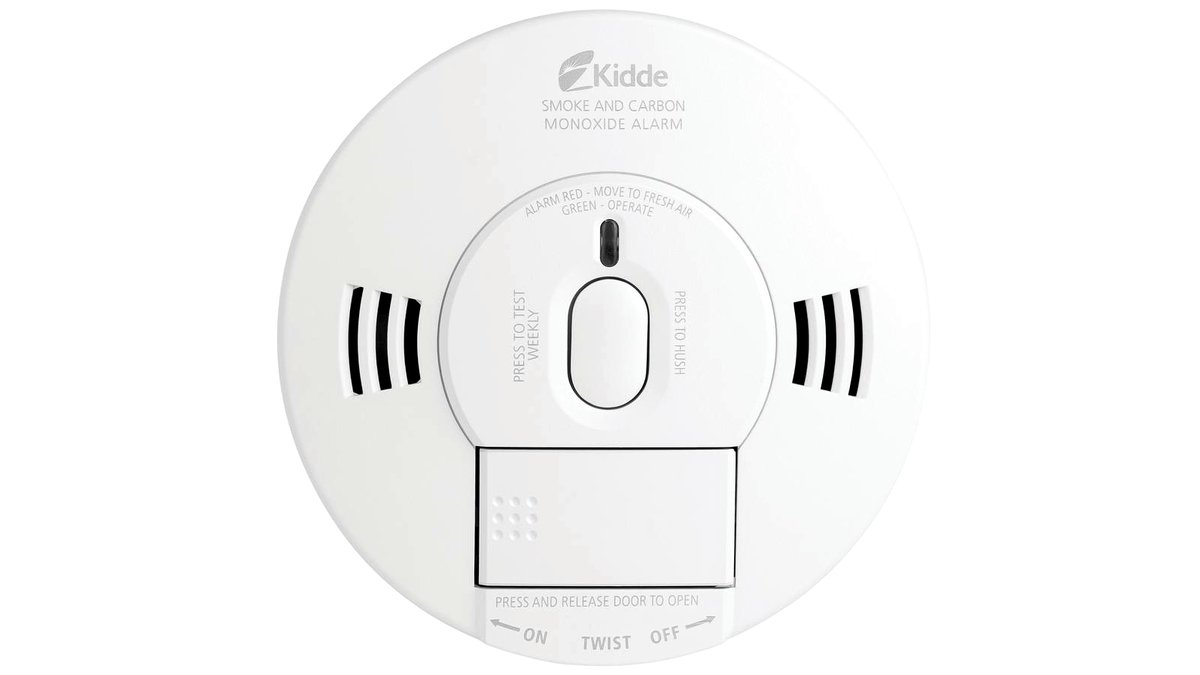
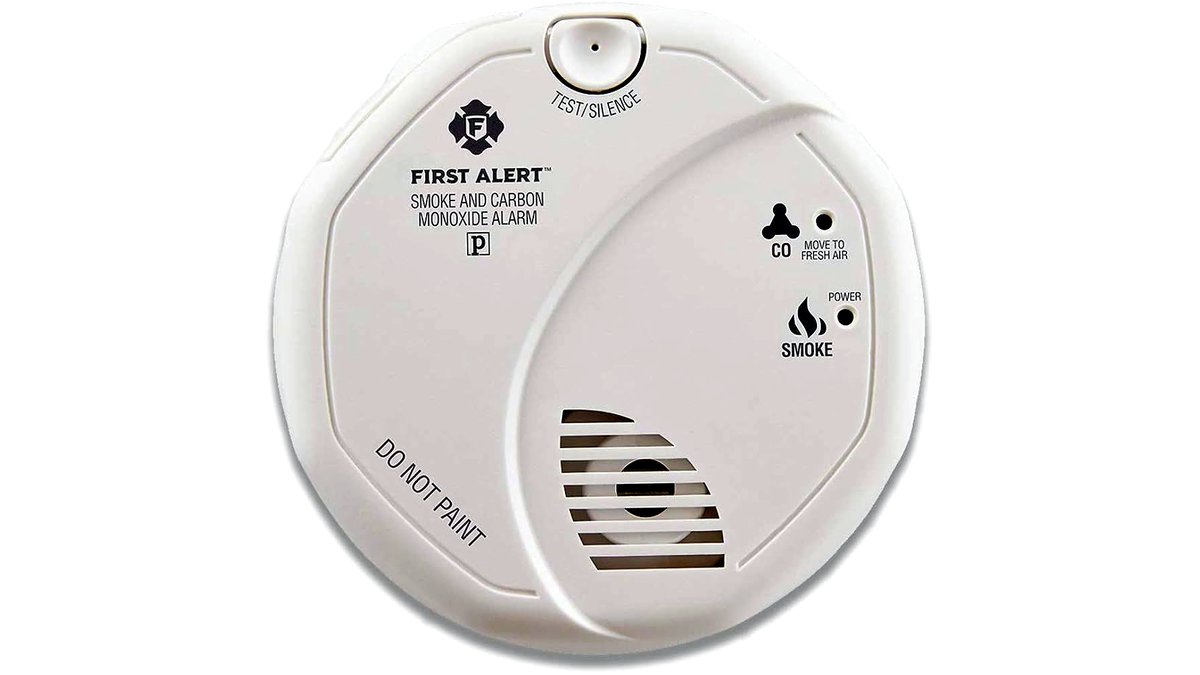
Combination Smoke (Photoelectric) and CO Alarms
These combine a photoelectric smoke sensor with an electrochemical CO sensor in one housing, covering both hazards from a single mounting point. They suit homeowners wanting to reduce the number of devices on a ceiling or wall, particularly in bedrooms or hallways. Limits: if either sensor reaches end of life or malfunctions, the whole combination unit generally needs replacing, and troubleshooting which sensor triggered an alarm can be less immediately obvious than with two separate devices.
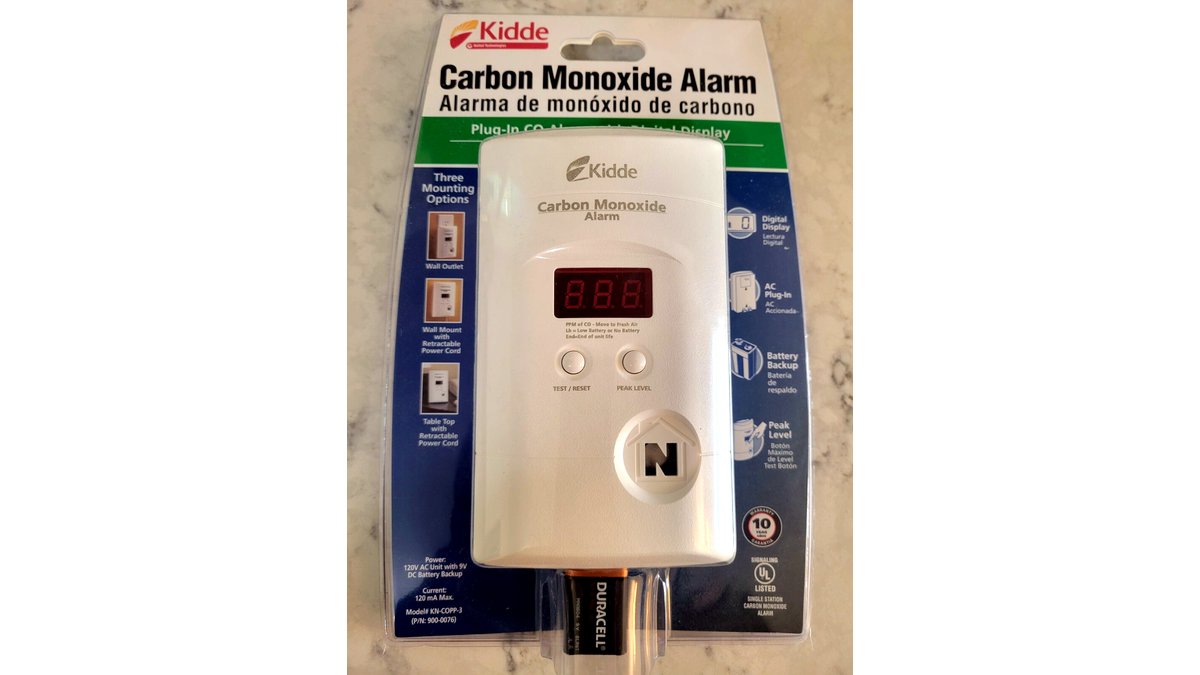
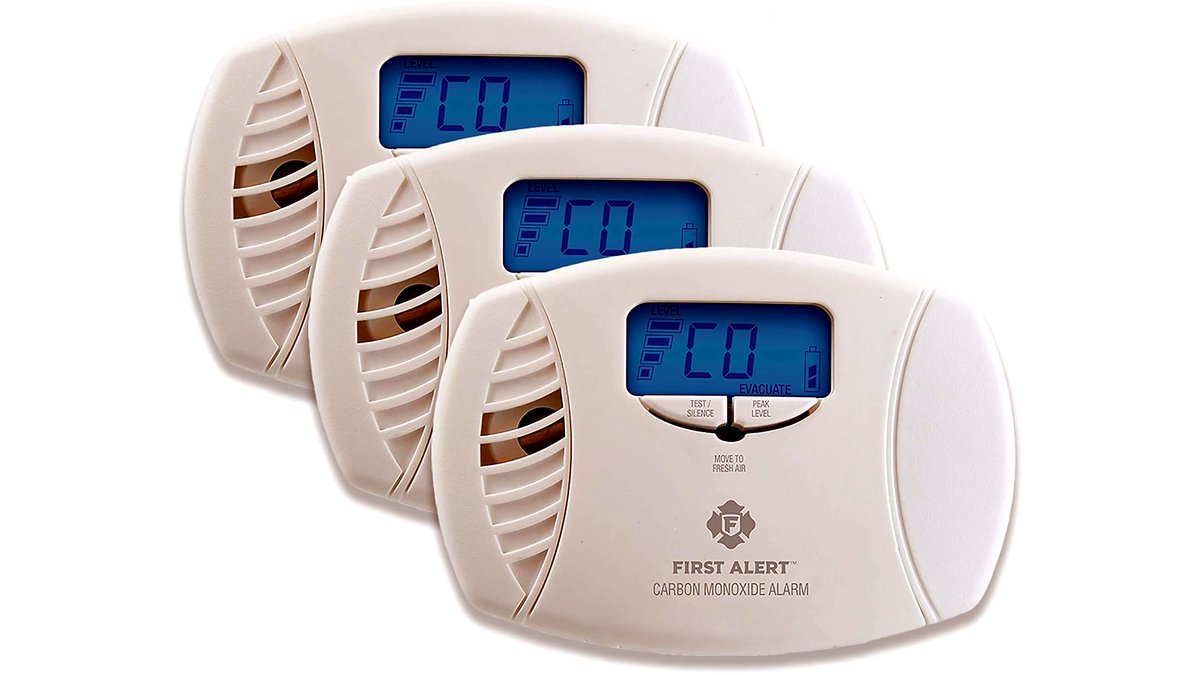
Plug-In CO Alarms with Battery Backup
These draw power from a wall outlet with a battery backup for power outages, removing the need to replace batteries on a fixed schedule for primary power. They suit households wanting one less maintenance task, provided an outlet is available at a suitable mounting height and location. Limits: outlet placement may not match the ideal detector location the manufacturer recommends.
Battery-Only CO Alarms with Sealed Long-Life Batteries
Some models ship with a sealed battery rated to last the alarm’s full service life, removing battery replacement as an ongoing task entirely. They suit placement anywhere in the home regardless of outlet access, including basements or garages. Limits: once the sealed battery or sensor reaches end of life, the entire unit is replaced rather than serviced.
At a Glance: CO Alarm Types Compared
| Alarm Type | Best For | Key Stated Specs | Limits |
|---|---|---|---|
| Standalone electrochemical CO | Dedicated, single-purpose CO monitoring | UL 2034 certified, electrochemical sensor | Sensor has a finite rated lifespan |
| Combination photoelectric smoke + CO | Covering both hazards in one unit | Photoelectric smoke sensor, electrochemical CO sensor | Whole unit replaced if either sensor fails |
| Plug-in with battery backup | Outlet-accessible rooms | AC power, backup battery for outages | Limited by outlet location |
| Sealed long-life battery | Placement away from outlets | Battery rated for full unit lifespan | No serviceable parts; full replacement at end of life |
Pick X If…
| If You… | Choose |
|---|---|
| Want a single device covering both smoke and CO near bedrooms | A combination photoelectric smoke and electrochemical CO alarm |
| Already have smoke alarms and only need CO coverage | A standalone electrochemical CO alarm |
| Want to avoid routine battery swaps and have a nearby outlet | A plug-in alarm with battery backup |
| Need placement in a basement, garage, or spot without an outlet | A sealed long-life battery CO alarm |
| Have fuel-burning appliances or an attached garage | A dedicated CO alarm placed per the manufacturer’s recommended location near that area |
Fit, Placement, and Compatibility Notes
Placement guidance comes from the manufacturer’s manual and should be followed closely, since CO alarm positioning differs from smoke alarm positioning in some cases. Manufacturers commonly recommend a CO alarm on every level of the home and near sleeping areas, with specific guidance on distance from fuel-burning appliances, which the manual for the specific model will state.
Check the sensor’s rated lifespan before buying and mark a replacement date, since an expired sensor can fail silently without necessarily triggering an obvious fault indicator depending on the model. Many current alarms include an end-of-life signal, a distinct chirp or indicator light pattern described in the manual, specifically to flag when replacement is due.
Interconnected alarm systems, where multiple units communicate so that one triggering sounds all of them, require matching compatible models from the same manufacturer or product line; check compatibility before assuming two different alarms can be interconnected.
Safety Notes
A carbon monoxide alarm is a backup safety device, not a substitute for proper maintenance of fuel-burning appliances, vehicles, and ventilation. Follow the manufacturer’s installation manual for placement and testing schedule. If an alarm sounds, treat it as a real emergency: move to fresh air immediately and contact emergency services; do not attempt to locate the source before leaving the area. Anyone experiencing symptoms like headache, dizziness, or nausea that could indicate CO exposure should seek medical attention and contact a doctor rather than relying on self-diagnosis.
Alternatives Worth Considering
A smart CO alarm that sends a phone notification is worth considering for anyone wanting to be alerted while away from home, though it should supplement, not replace, an audible in-home alarm. A whole-home interconnected smoke and CO system installed by an electrician is also worth a look for new construction or renovation projects, since hardwired interconnected systems generally offer more consistent coverage than mixing standalone units room by room. For households with specific sensitivity concerns or health conditions, consulting a doctor about CO exposure risk alongside standard alarm installation is a reasonable additional step.
Frequently Asked Questions
Is a photoelectric sensor actually used to detect carbon monoxide?
Not directly; photoelectric sensing detects light scattered by smoke particles and does not sense CO gas on its own. Devices marketed with “photoelectric” CO detection are generally combination alarms using a photoelectric sensor for smoke and a separate electrochemical sensor for CO.
How long does a CO detector’s sensor last?
Manufacturers commonly rate electrochemical CO sensors at 5 to 10 years, after which the entire alarm unit is typically replaced rather than the sensor alone. Check the specific model’s manual for its stated sensor lifespan and replacement guidance.
Where should a CO alarm be placed in a home?
Follow the manufacturer’s manual, which typically recommends at least one alarm per level of the home and near sleeping areas, with additional guidance for placement relative to fuel-burning appliances. Exact spacing and height recommendations vary by model, so the included manual is the authoritative source.
Should I buy a combination smoke and CO alarm or two separate units?
A combination unit simplifies installation and reduces the number of devices on a wall or ceiling, which many households find convenient for bedrooms and hallways. Separate units can make it easier to tell at a glance which hazard triggered an alarm and may suit homes that already have smoke alarms installed and only need to add CO coverage.
What should I do if my CO alarm goes off?
Treat any CO alarm activation as a real emergency: get everyone to fresh air immediately and call emergency services rather than trying to find the source first. Anyone feeling symptoms such as headache, dizziness, or nausea should seek medical attention promptly.
Do CO alarms need to be tested regularly?
Yes, manufacturers generally recommend testing the alarm function on a regular schedule stated in the manual, typically monthly, using the unit’s built-in test button. Routine testing confirms the alarm and alert function are working, though it does not test actual gas sensitivity, which is why sensors are still replaced on their rated schedule regardless of test results.