Key takeaways
- Short throw projectors that sit a few inches from the wall suit buyers with tight living rooms or small home offices, while ultra short throw laser models with built-in speakers suit anyone who wants a big-screen alternative to a flat-panel…
Short throw projectors that sit a few inches from the wall suit buyers with tight living rooms or small home offices, while ultra short throw laser models with built-in speakers suit anyone who wants a big-screen alternative to a flat-panel television without ceiling mounting or a long cable run to the back of the room.
As an Amazon Associate, we earn from qualifying purchases made through links on this page.
What “Short Throw” Actually Means
A standard projector needs several meters of distance to fill a large screen, which forces a ceiling mount or a table far from the wall. Short throw models use wide-angle lenses to project a large image from roughly 0.5 to 1.2 meters away. Ultra short throw (UST) models go further, sitting flush against a low cabinet just centimeters from the wall and throwing light upward at a steep angle to fill a screen of 100 inches or more. The trade-off is that UST units are pickier about screen flatness and ambient light control, since the steep projection angle makes hot-spotting and keystone distortion easier to notice than with a traditional long-throw setup.
Buyers researching this category usually fall into three groups: home theater users replacing a TV, gamers who want a huge screen with low input lag, and small-business or classroom users who need a bright, portable image on a nearby wall. Each group should weight brightness, input lag, and lens quality differently, which is why a single “best” pick rarely fits everyone.
Picks by Budget Tier
Budget Tier: Entry Short Throw for Casual Viewing
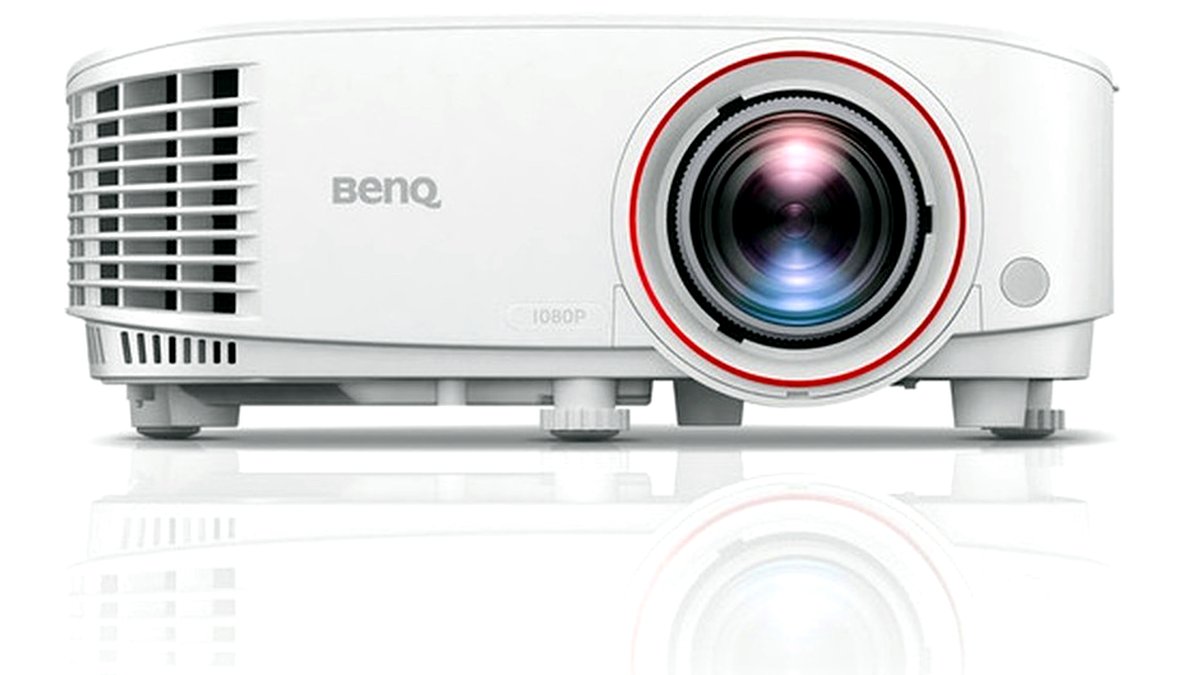
Entry-level short throw projectors in this tier are typically DLP-based with LED light sources rather than lasers, which keeps the price down but limits peak brightness, usually in the range manufacturers list as a few hundred to around 2,000 ANSI lumens. Brands such as BenQ and Optoma have historically sold compact short throw models aimed at home use and small meeting rooms; the maker lists these as suited to dim-to-moderate rooms rather than daylight viewing. Expect a shorter lamp or LED life rating than laser units, and fewer built-in smart features, so a separate streaming stick is often needed.
Mid-Range Tier: Laser Short Throw with Smart Platforms
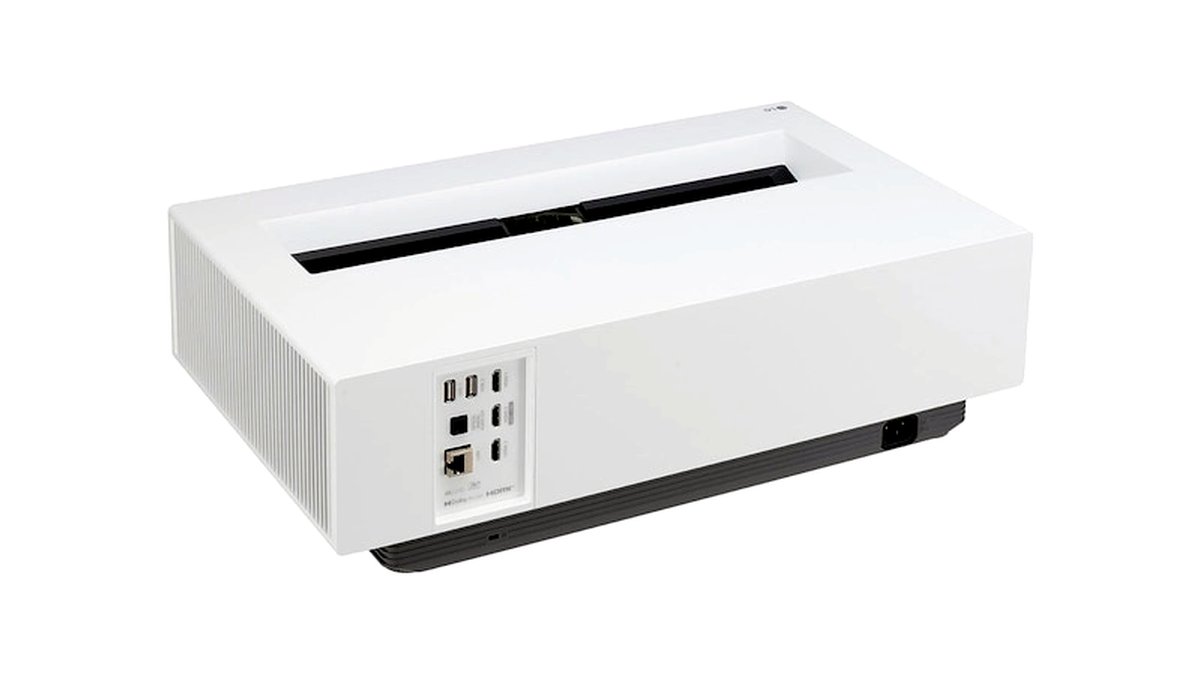
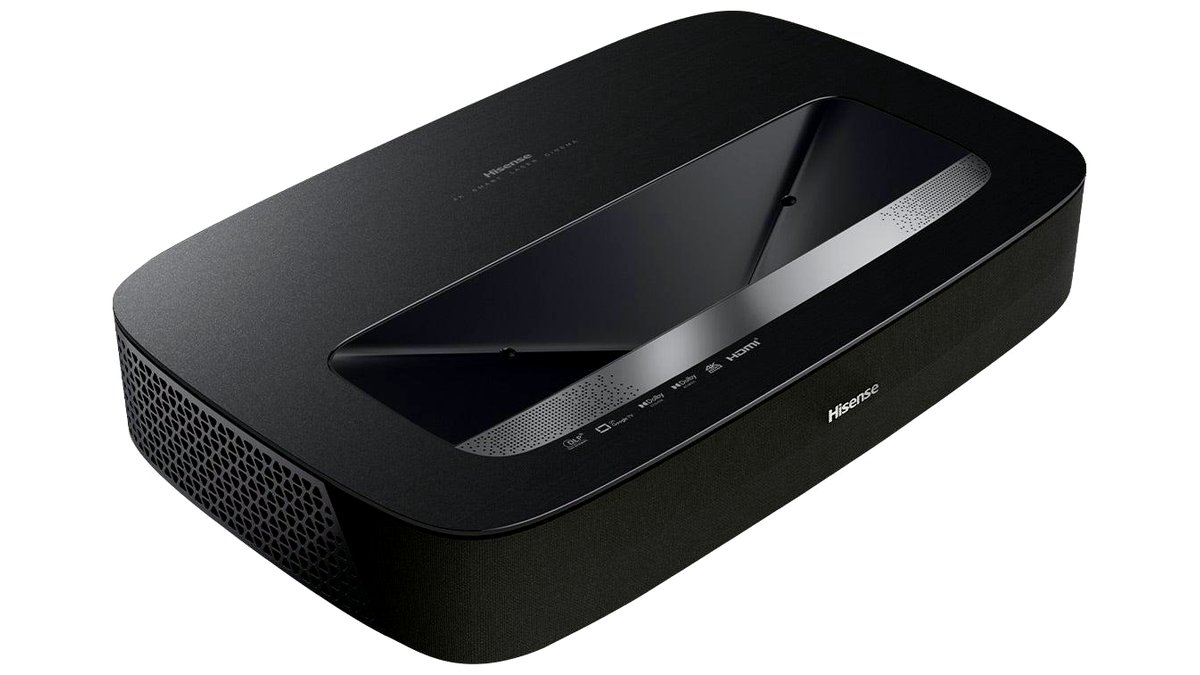
Mid-range models step up to laser or laser-hybrid light sources, which the makers generally rate for tens of thousands of hours before brightness drops meaningfully, removing the lamp-replacement cost that plagued older projectors. This tier is where built-in smart TV platforms (Android TV, Google TV, or a proprietary interface) and integrated sound systems become common, letting the projector function as a one-box home theater. Brands including LG, with its CineBeam line, and Hisense, with its laser TV / L-series products, have positioned models here and in the premium tier; the maker lists ambient-light-rejecting screen compatibility as a key feature for daytime use.
Premium Tier: Ultra Short Throw with 4K and Wide Color
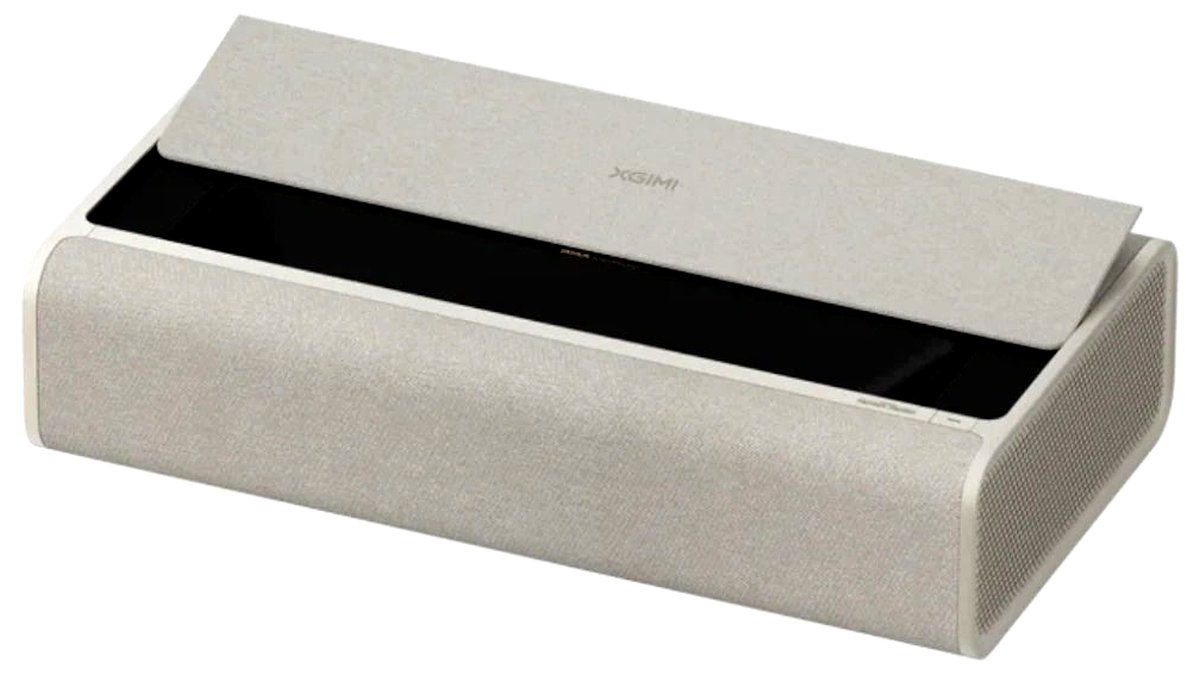
Premium UST projectors add 4K-native or 4K-compatible imaging chips, wider color gamut coverage (often referenced against the DCI-P3 cinema standard), and higher peak brightness for better daytime performance. Samsung’s The Premiere lineup and higher-tier Hisense and LG laser TVs sit in this bracket, alongside XGIMI’s Aura series, which reviewers at outlets such as RTINGS and Projector Central have tested specifically for UST placement and screen-door effect. These units typically include auto keystone correction, auto focus, and obstacle detection, which matters because UST geometry has very little tolerance for an uneven stand or an off-center placement.
At a Glance Comparison
| Tier | Light Source | Best For | Key Stated Specs | Limits |
|---|---|---|---|---|
| Budget short throw | LED/DLP | Casual movie nights, dim rooms | Lower lumen count, 720p-1080p native resolution common | Weak in daylight, limited smart features, shorter rated light-source life |
| Mid-range laser short throw | Laser or laser-hybrid | Primary living-room screen, mixed lighting | Higher rated lumens, built-in smart platform, integrated audio | Needs a flat wall or ALR screen for best contrast |
| Premium UST | Laser, often tri-laser or RGB laser | 4K home theater replacing a TV, bright rooms | Wide color gamut claims, auto focus/keystone, high peak brightness | Highest cost tier, screen-door effect possible up close, cabinet height constraints |
| Portable short throw | LED | Travel, classrooms, pop-up movie nights | Compact chassis, battery options on some models | Smaller max screen size, lower contrast outdoors |
Fit, Placement, and Screen Compatibility
Placement distance is the first thing to check against any room. A true UST model needs a stable, level surface roughly 20 to 40 centimeters from the wall, and the maker’s throw-ratio chart (usually printed in the manual or on the product page) should be checked against actual room measurements before buying, since a cabinet that is too deep or too shallow will push the image off-center or crop it. Short throw (non-UST) models have more flexibility, typically working anywhere from half a meter to just over a meter from the screen.
Screen surface matters more with short throw and UST units than with long-throw projectors. A plain painted wall works for casual use, but ambient-light-rejecting (ALR) screens, designed with a specialized coating to reflect light back toward the viewer rather than scattering it around the room, are what most manufacturers and reviewers recommend for daytime viewing with a UST unit. Buyers should also check ceiling height and furniture placement in front of the cabinet, since anything crossing the steep throw path close to the lens will cast a shadow on the image.
For gaming, input lag specifications (measured in milliseconds, usually at 1080p and 4K separately) deserve a direct comparison. Reviewers commonly test this with dedicated lag meters, and the gap between a “cinema” picture mode and a “game” or “PC” mode can be substantial on the same unit, so checking whether a low-lag mode exists is as important as the headline number.
Pick X If…
| Choose This | If You… |
|---|---|
| Budget LED short throw | Mainly watch movies after dark and want the lowest entry cost |
| Mid-range laser short throw | Want a single living-room unit with smart apps and decent daytime use |
| Premium UST with wide color gamut | Are replacing a TV outright and want the best image quality in a bright room |
| Portable short throw | Need something to move between rooms, travel with, or use outdoors occasionally |
| Any tier with a dedicated gaming mode | Play fast-paced or competitive games and need low input lag over color accuracy |
Alternatives Worth Considering
Buyers who find UST projectors too expensive or too placement-sensitive have a few other paths. A large flat-panel television in the 75 to 100-inch class avoids throw-distance and ambient-light problems entirely, at the cost of portability and the “cinema” feel some buyers want from projection. A traditional long-throw laser or LED projector paired with a ceiling mount can also undercut UST pricing for the same screen size, though it requires running power and signal cables across the ceiling or along a wall channel. Finally, a portable short throw projector with a pull-down or tensioned screen suits anyone who wants projection only occasionally, such as for backyard movie nights, rather than as a permanent home theater fixture.
Frequently Asked Questions
How far from the wall does a short throw projector need to sit?
Most non-UST short throw models work well between roughly half a meter and 1.2 meters from the screen, while ultra short throw units typically sit within 20 to 40 centimeters of the wall. The exact distance depends on the lens and the desired screen size, so checking the manufacturer’s throw-distance chart against the specific room is the most reliable method.
Do short throw projectors need a special screen?
A plain, flat, light-colored wall can work for casual viewing, but an ambient-light-rejecting screen generally produces noticeably better contrast and color in rooms with windows or overhead lighting. This matters more for UST models, since their steep projection angle interacts differently with screen materials than a standard front-projection setup.
Are ultra short throw projectors good for gaming?
Many current UST models include a dedicated game or PC mode that reduces input lag compared with their cinema picture modes, and some reviewers report lag low enough for casual and moderately competitive play. Fast-paced competitive gamers should still check the specific input lag figures reported by independent testers, since results vary by model and resolution.
How long do laser light sources last compared with LED or lamp projectors?
Manufacturers commonly rate laser light sources for tens of thousands of hours of use before brightness drops to a stated percentage of the original output, which generally outlasts traditional lamp-based projectors by a wide margin and avoids the recurring cost of lamp replacement. LED-based budget models also avoid lamp swaps but are usually rated for lower peak brightness overall.
Can a short throw projector replace a TV entirely?
Many mid-range and premium short throw and UST projectors now include smart TV platforms, built-in speakers, and tuners or app support similar to a television, so they can function as a primary display. Rooms with heavy daylight or very light-colored walls may still show a dimmer image than an equivalent flat-panel TV, which is worth checking against the room’s actual lighting before fully replacing a television.
What causes a washed-out or hazy image on a UST projector?
This is often ambient light reflecting off a plain wall rather than being absorbed or redirected, which an ALR screen is designed to address. It can also result from an uneven or glossy wall surface, incorrect focus, or a cabinet height that does not match the projector’s intended throw geometry, so rechecking placement and screen material is the usual first troubleshooting step.