Key takeaways
- Brightness: stated in lumens; the maker’s number matters less than how dark the room will be, since a dim room tolerates a lower-lumen projector while a room with windows or ambient light needs significantly more brightness to look good.
- Lens shift and zoom: mid-range and premium models add motorized or manual lens shift and zoom, which lets the installer correct the image position without physically moving the projector, useful in rooms with fixed mounting points.
- Resolution: native 4K and 4K-compatible (pixel-shifting) are both common; reviewers note the visual difference is subtle at normal seating distances compared to the difference brightness and contrast make.
Pick a compact laser projector with built-in streaming apps for a casual living-room setup, a higher-brightness laser model with precise lens-shift and zoom controls for a dedicated home theater room, and an ultra-short-throw laser model for a space where the projector needs to sit right against the wall below the screen. Laser projectors span a wide range of brightness, placement flexibility, and price, so the room’s lighting conditions and distance to the screen should drive the choice more than brand alone.
As an Amazon Associate, we earn from qualifying purchases made through links on this page.
Why Laser Over Lamp-Based Projectors
Laser light sources last far longer than traditional lamp bulbs, with makers commonly listing laser light source lifespans in the 20,000 to 30,000-hour range versus a few thousand hours for lamp-based units. Reviewers at outlets like Projector Central and RTings note that laser sources also reach full brightness almost instantly and maintain more consistent color and brightness over their lifespan, since lamp brightness degrades noticeably as it ages. The tradeoff is price: laser engines cost more to manufacture, which is why laser projectors sit at a higher starting price than comparable lamp-based models.
Standard-Throw Laser Projectors
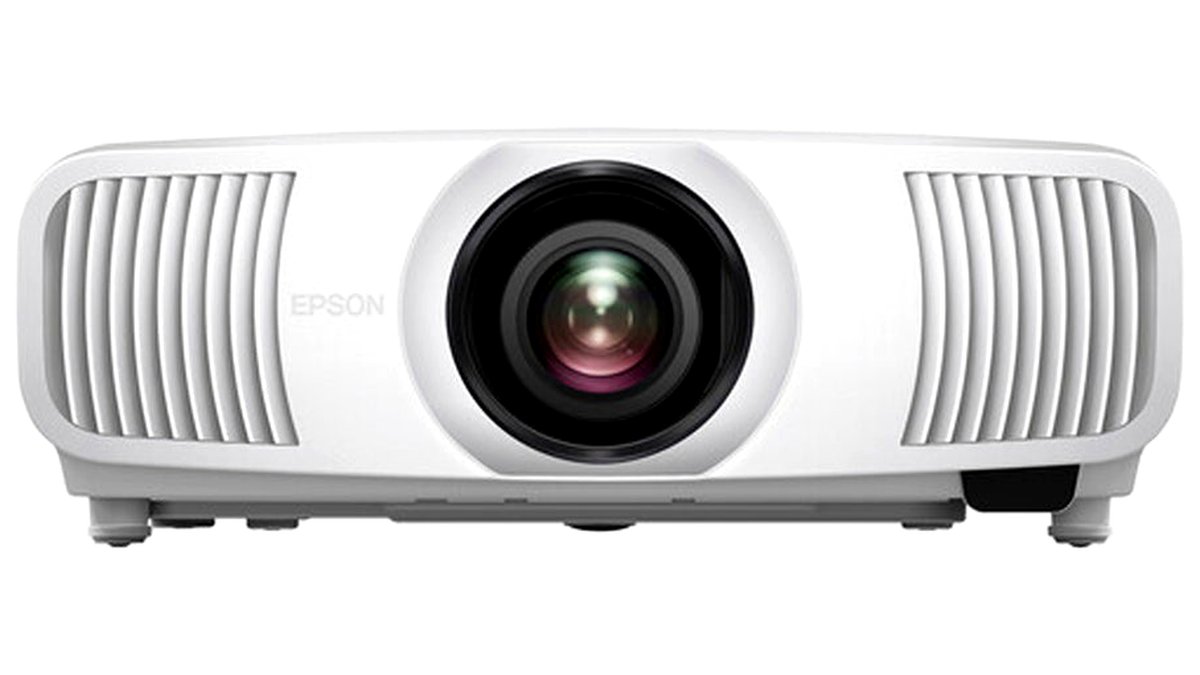
Standard-throw models sit several feet to many feet back from the screen or wall, similar to a traditional projector setup, and suit dedicated home theater rooms or multipurpose rooms where the projector can be ceiling-mounted or placed on a rear shelf.
- Brightness: stated in lumens; the maker’s number matters less than how dark the room will be, since a dim room tolerates a lower-lumen projector while a room with windows or ambient light needs significantly more brightness to look good.
- Lens shift and zoom: mid-range and premium models add motorized or manual lens shift and zoom, which lets the installer correct the image position without physically moving the projector, useful in rooms with fixed mounting points.
- Resolution: native 4K and 4K-compatible (pixel-shifting) are both common; reviewers note the visual difference is subtle at normal seating distances compared to the difference brightness and contrast make.
Ultra-Short-Throw (UST) Laser Projectors
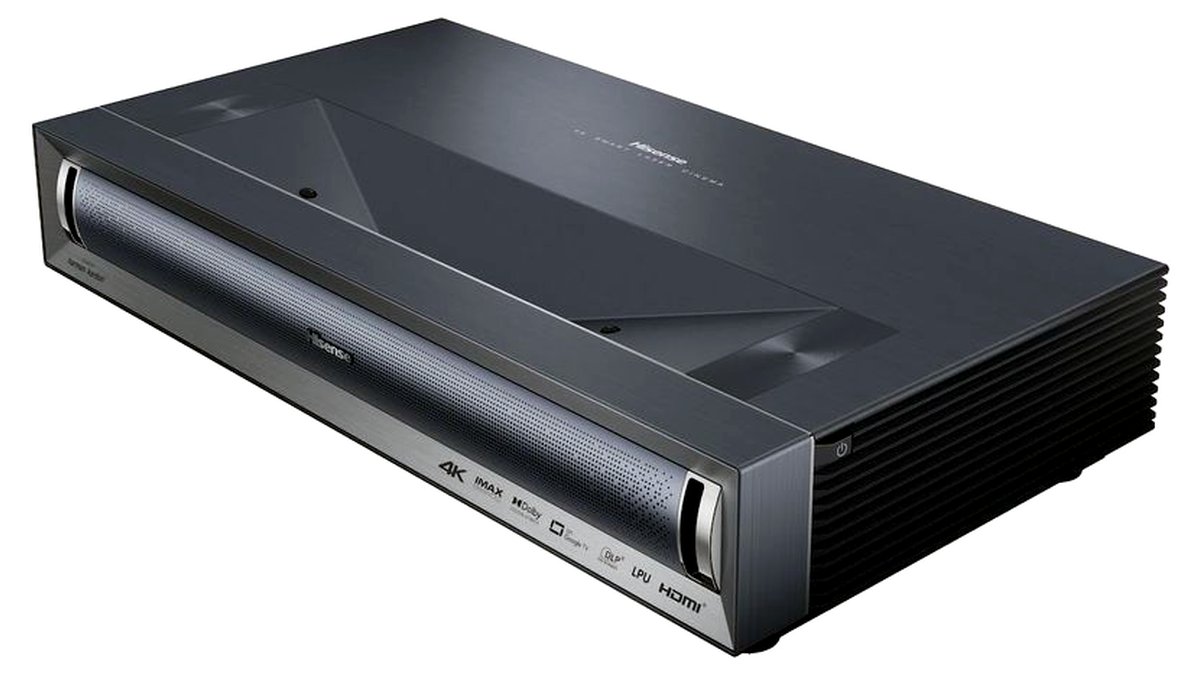
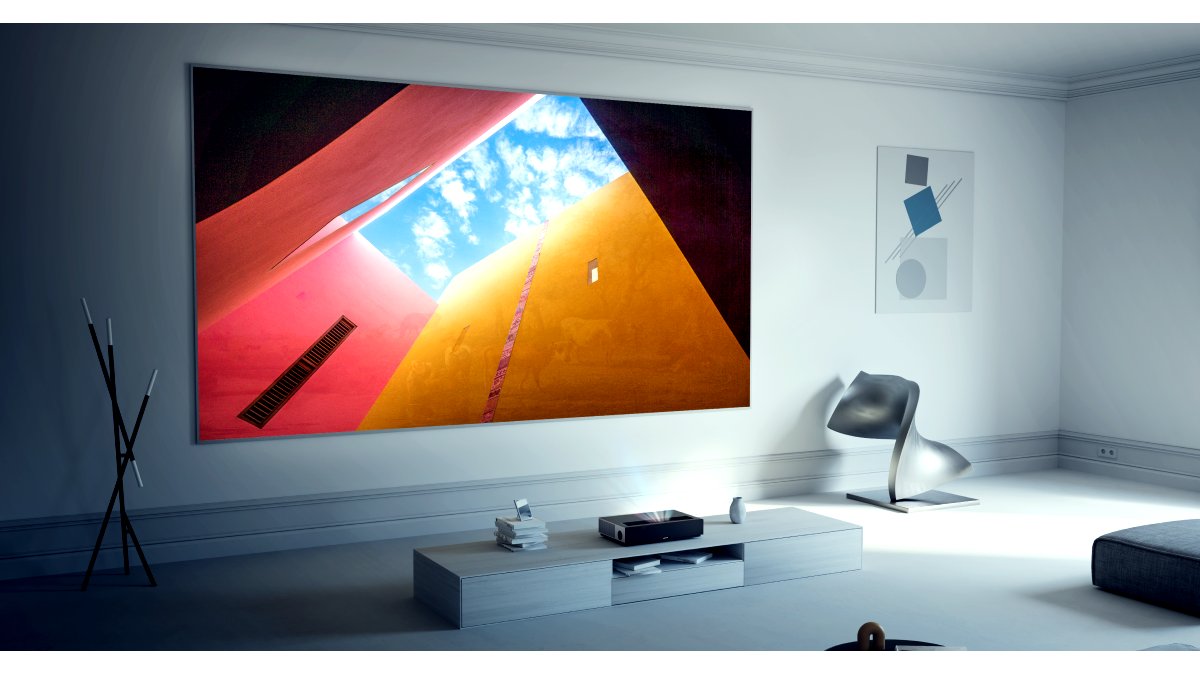
UST laser projectors sit just inches from the wall or a specialized ambient-light-rejecting screen and project upward at a steep angle, which avoids the cabling and mounting hassle of a ceiling-mounted unit. Brands including Hisense, Samsung, and LG offer UST laser lines marketed as all-in-one TV replacements, often bundled with a matching screen.
- Screen dependency: UST projectors are commonly paired with an ambient-light-rejecting (ALR) screen designed specifically for the steep projection angle; using a standard screen or bare wall usually produces noticeably worse contrast.
- Placement precision: because the unit sits so close to the screen, exact placement matters more than with standard-throw models; the maker provides a placement chart for each screen size.
- Built-in smart platform: many UST models ship with a built-in smart TV operating system and speakers, positioning them as a direct TV replacement rather than an add-on to an existing home theater system.
At a Glance
| Projector Type | Best For | Key Stated Specs | Limits |
|---|---|---|---|
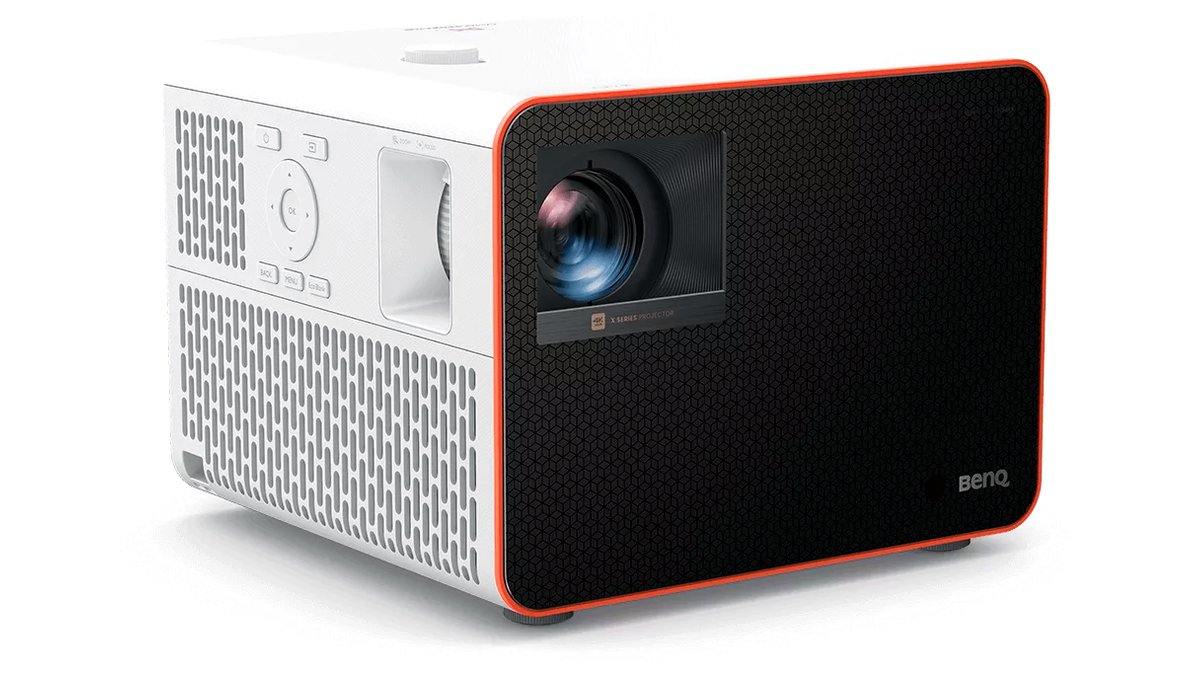
| Compact lifestyle laser projector | Casual living room, portable use | Built-in streaming apps, moderate brightness, compact body | Lower brightness; best in dim rooms |
| Standard-throw home theater laser | Dedicated theater or media room | High brightness, lens shift/zoom, 4K-compatible resolution | Needs ceiling mount or rear placement; more setup effort |
| Ultra-short-throw laser | TV replacement against a wall | Steep-angle projection, built-in smart platform, speaker array | Needs precise placement; best with a matching ALR screen |
| Outdoor-capable laser projector | Backyard movie nights | Higher brightness for partial ambient light, weather-resistant options | Still needs dusk or dark conditions for best image |
| Business/education laser projector | Presentations, classrooms | High brightness, long laser lifespan, networking features | Lower emphasis on home theater color accuracy |
Pick X If…
| Situation | Recommended Pick |
|---|---|
| You want a simple, mostly dark-room movie setup | Compact lifestyle laser projector |
| You have a dedicated theater room with controlled lighting | Standard-throw laser projector with lens shift |
| You want a projector to replace your TV against a wall | Ultra-short-throw laser projector with a matching ALR screen |
| Your room has some ambient light you can’t fully control | A higher-lumen standard-throw or UST model, not a basic lifestyle unit |
| You need the projector for presentations as well as movies | Business-oriented laser projector with higher brightness and networking |
Fit and Room Compatibility Notes
Measure the throw distance (projector-to-screen distance) and compare it against the maker’s throw-distance chart before buying, since standard-throw and UST models are not interchangeable in most rooms without major rework. Ceiling height and mount placement matter for standard-throw units; a low ceiling may limit image size unless the projector supports enough vertical lens shift. For UST models, the cabinet or shelf below the screen needs to be sturdy, level, and exactly positioned per the maker’s placement guide, since even a small shift noticeably skews the image.
Alternatives Worth Considering
- Lamp-based projector: still a reasonable budget option for infrequent use, since the shorter bulb lifespan matters less if the projector isn’t run for thousands of hours.
- LED projector: sits between lamp and laser in both price and lifespan, a middle-ground option for buyers who want longer life than a lamp without the full laser price premium.
- Large-format TV: for rooms with significant ambient light that can’t be controlled, a large LED or OLED TV often delivers a brighter, more consistent image than any projector, laser included.
Audio and Connectivity Considerations
Built-in speakers on lifestyle and UST laser projectors have improved significantly, with some premium UST models shipping with a multi-driver soundbar-style speaker array built into the base. Reviewers still generally recommend pairing any laser projector with external speakers or a soundbar for a true home theater experience, since even strong built-in speakers rarely match a dedicated audio setup. On the connectivity side, checking the number and type of HDMI inputs matters for anyone connecting a streaming box, gaming console, and cable box simultaneously, since some compact models include only one or two HDMI ports.
Ambient Light and Room Darkening
Even a bright laser projector benefits from some control over ambient light, and reviewers note that blackout curtains or shades make a noticeable difference in perceived contrast and color saturation regardless of the projector’s lumen rating. Rooms with light-colored walls and ceilings also reflect more stray light onto the screen, slightly reducing contrast compared to a room with darker, matte surfaces. For a multipurpose room that can’t be fully darkened, prioritizing a higher-lumen model and an ambient-light-rejecting screen does more for image quality than choosing based on resolution alone.
Frequently Asked Questions
Are laser projectors safe to look at directly?
Consumer laser projectors sold for home use are designed and certified to be safe under normal viewing and operating conditions, with the laser light diffused before it exits the lens rather than emitted as a raw beam. Makers still advise against staring directly into the lens at close range, similar to the caution given for any bright light source.
Do laser projectors need a special screen?
Standard-throw laser projectors generally work with any quality projector screen, the same as lamp-based models. Ultra-short-throw laser projectors benefit significantly from an ambient-light-rejecting screen designed for their steep projection angle, and image quality on a standard screen or bare wall is usually noticeably worse.
How long does a laser light source actually last compared to a lamp?
Makers commonly list laser light source lifespans in the 20,000 to 30,000-hour range, compared to roughly 2,000 to 5,000 hours for a typical lamp bulb. In practical terms, a laser source run several hours a day would still be expected to last well over a decade, versus replacing a lamp bulb every one to two years of similar use.
Can a laser projector be used outdoors for a backyard movie night?
Yes, but outdoor use still requires dusk or full darkness for a watchable image, since even a bright laser projector cannot compete with daylight. A higher-lumen model and a portable screen or light-colored wall both help the image show up better outdoors.
Do laser projectors require more maintenance than lamp-based models?
Laser projectors generally require less maintenance since there is no bulb to replace, though air filters still need periodic cleaning per the maker’s manual to prevent dust buildup affecting brightness and cooling. Checking the manual’s recommended filter-cleaning interval is worth doing for projectors used in dusty environments.
Is 4K resolution necessary for a good laser projector image?
At typical home theater seating distances, reviewers note that brightness, contrast, and color accuracy affect perceived image quality more than the jump from 1080p to 4K. A 4K-compatible or native 4K laser projector still offers a sharper image for close seating or very large screen sizes, but it is not the only factor worth prioritizing.