Key takeaways
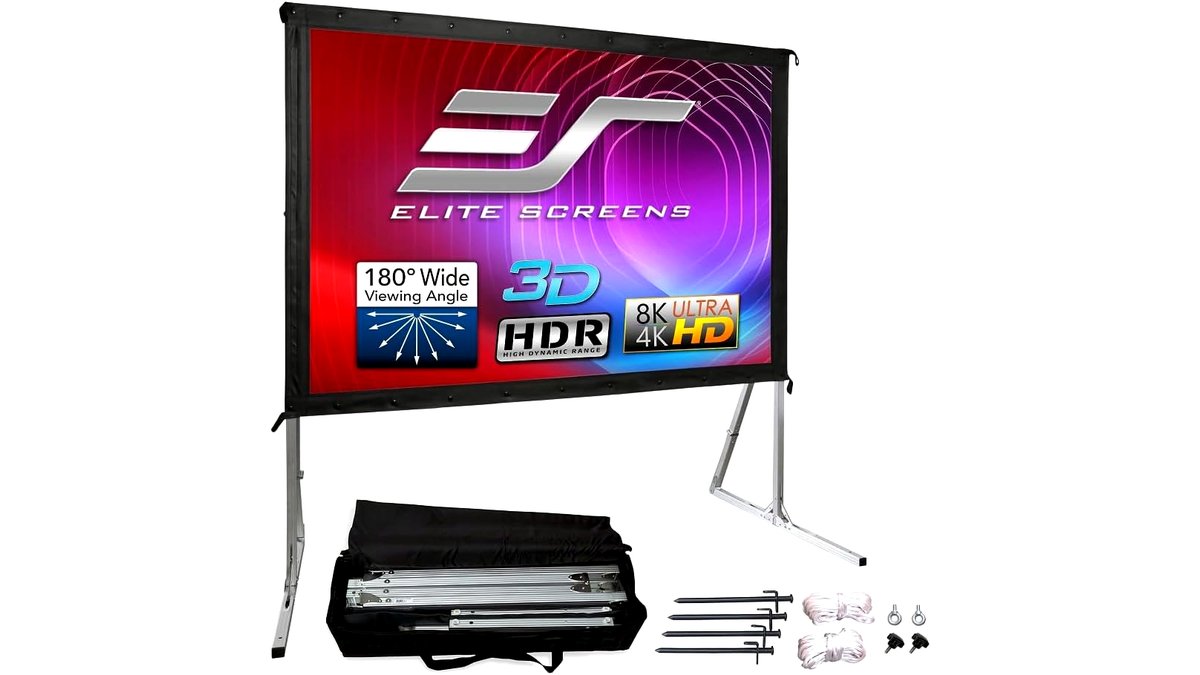
- Frame screens — a rigid frame (often PVC pipe or aluminum) that the screen material stretches over, similar in concept to an indoor screen but built for outdoor assembly and breakdown. These generally give the flattest, most consistent surface and the best image quality of the portable options, at the cost of a longer setup process and more parts to keep track of.
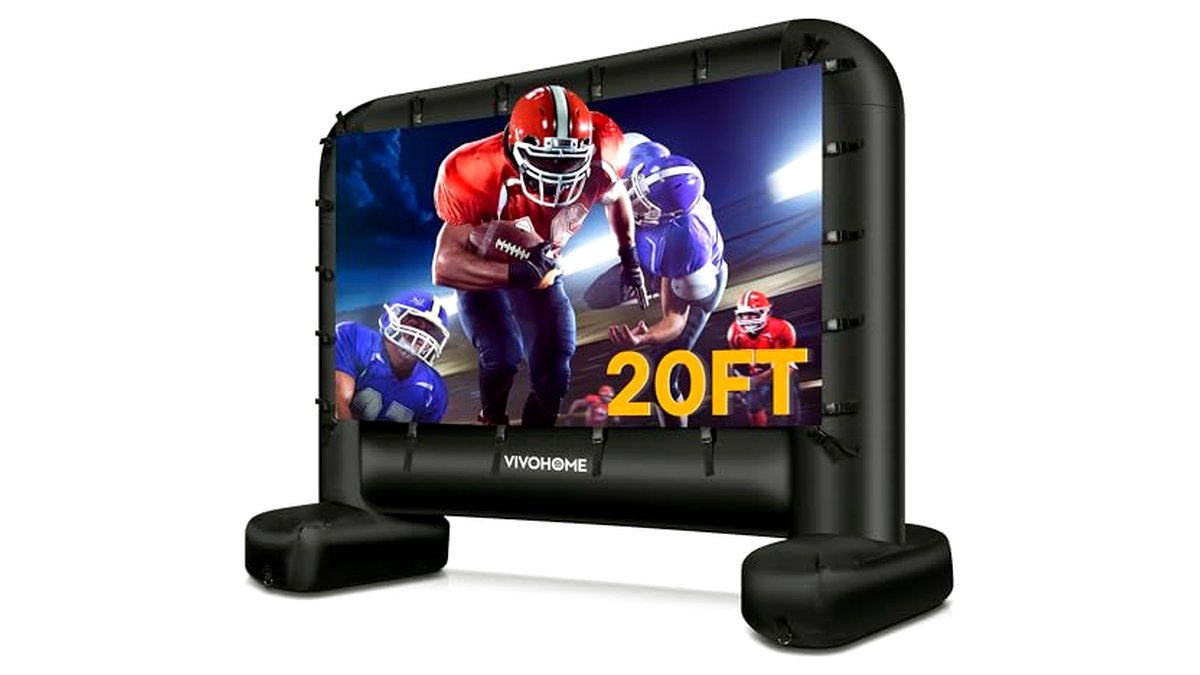
- Inflatable air screens — a screen stretched over an air-filled frame powered by a continuous-run blower. These create the biggest visual impact and are popular for parties and public events, but makers specify they need continuous power to the blower during use and are more affected by wind than a tensioned frame screen.
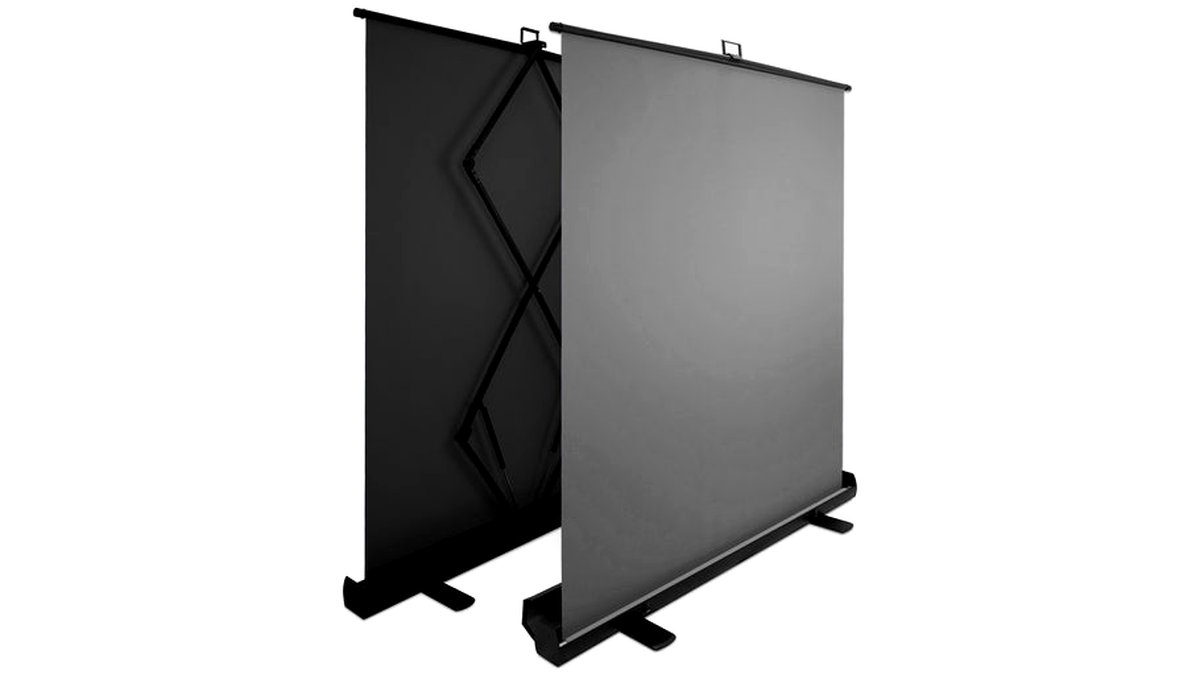
- Portable pull-up or pop-up screens — a screen on a retractable stand or spring-loaded frame, designed for fast setup and compact storage. Generally smaller than frame or air screens and best suited to casual, low-key viewing rather than a big group event.
- Hanging/grommeted sheet screens — a screen material with grommets along the edges, hung between two fixed points (trees, poles, a fence) with rope or bungees. The cheapest and most packable option, but image flatness depends entirely on how evenly it’s tensioned between anchor points.
An inflatable air screen suits hosts who want the biggest “event” look for an occasional backyard movie night, a frame screen suits anyone setting up and tearing down regularly who wants a flatter, more consistent picture, and a portable pull-up or hanging screen suits casual, infrequent use where storage space and setup speed matter more than image quality.
As an Amazon Associate, we earn from qualifying purchases made through links on this page.
Outdoor projector screens solve a problem indoor screens don’t have to deal with: wind, uneven ground, and ambient light from the sky or nearby lights. The screen material and the frame or support system both affect image quality, and picking the wrong type for your setup (windy yard, no two solid anchor points, limited storage) causes more disappointment than picking the wrong projector. This guide compares screen types and materials rather than one specific product, since the right pick depends heavily on your yard and how often you’ll set it up.
Screen types compared
- Frame screens — a rigid frame (often PVC pipe or aluminum) that the screen material stretches over, similar in concept to an indoor screen but built for outdoor assembly and breakdown. These generally give the flattest, most consistent surface and the best image quality of the portable options, at the cost of a longer setup process and more parts to keep track of.
- Inflatable air screens — a screen stretched over an air-filled frame powered by a continuous-run blower. These create the biggest visual impact and are popular for parties and public events, but makers specify they need continuous power to the blower during use and are more affected by wind than a tensioned frame screen.
- Portable pull-up or pop-up screens — a screen on a retractable stand or spring-loaded frame, designed for fast setup and compact storage. Generally smaller than frame or air screens and best suited to casual, low-key viewing rather than a big group event.
- Hanging/grommeted sheet screens — a screen material with grommets along the edges, hung between two fixed points (trees, poles, a fence) with rope or bungees. The cheapest and most packable option, but image flatness depends entirely on how evenly it’s tensioned between anchor points.
Material and surface factors
Screen material affects brightness, viewing angle, and how visible the picture looks with some ambient light present. Makers commonly describe their material using terms like matte white (even brightness across a wide viewing angle, a safe general-purpose choice) and high-contrast or gray material (intended to improve contrast specifically in rooms or yards with some ambient light, though actual results vary by projector and lighting conditions per independent reviewers). Rear-projection-capable material, when stated by the maker, allows projecting from behind the screen rather than in front, useful for yards where projector placement in front of the screen is awkward or where cord routing is easier from behind.
Setup, storage, and seasonal care
How often you’ll actually use a screen should weigh as heavily as image quality in the decision. A frame screen generally needs two people for the fastest, least frustrating setup and takes up real storage space between uses, which matters if you only have a closet or garage corner to dedicate to it. An inflatable screen packs down smaller relative to its finished size than a frame screen of the same diagonal, but it introduces a blower that needs its own storage and periodic checking for wear on the seams and valve. Portable pull-up and hanging screens win clearly on storage and setup time, which is exactly why casual, infrequent hosts tend to prefer them even at some cost to image flatness. Whatever type you choose, makers commonly advise letting the material dry fully before folding or rolling it away, since packing a damp screen encourages mildew and can cause material to stick to itself over a season of storage.
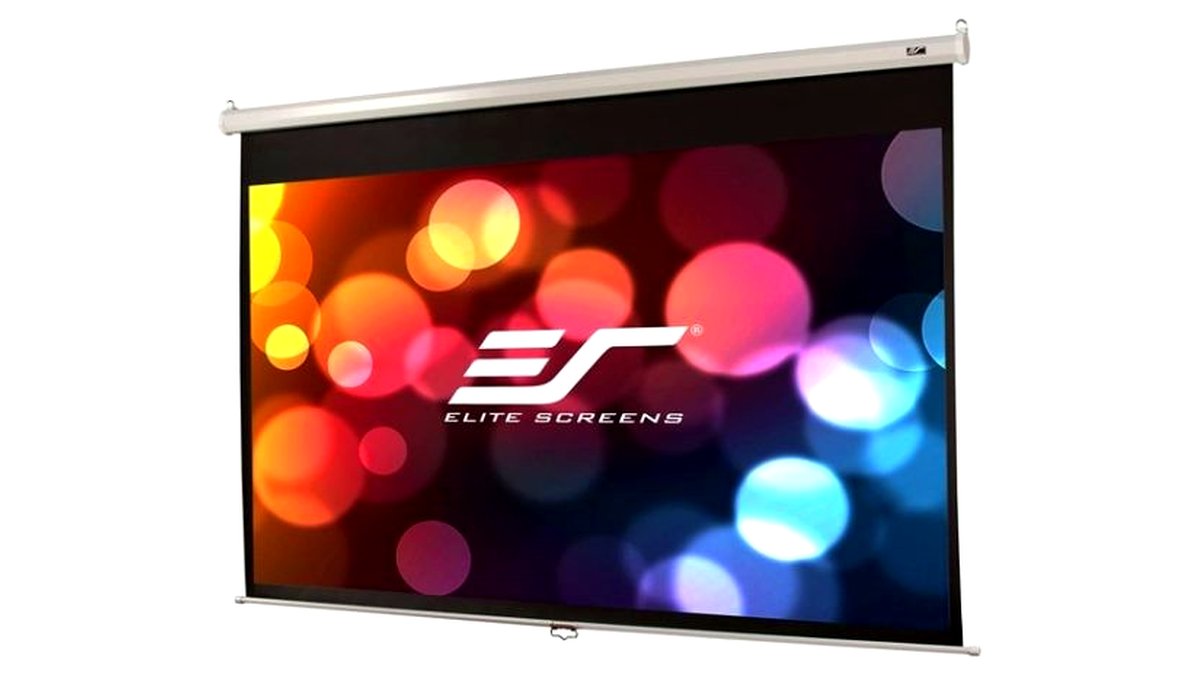
At a glance
| Type | Best for | Key stated specs | Limits |
|---|---|---|---|
| Frame screen | Regular use wanting the flattest, most consistent image | Common sizes from roughly 100″ to 200″+ diagonal per most makers’ listings | Longest setup/teardown of the portable options; needs flat, open ground |
| Inflatable air screen | Parties, bigger backyard events, biggest visual impact | Large common sizes (often 16ft+ diagonal) per maker listings; requires continuous blower power | More wind-sensitive; needs power at the screen location for the blower |
| Portable pull-up/pop-up screen | Casual, infrequent, fast-setup viewing | Smaller common sizes, lightweight stands per most makers | Less image flatness and size than frame or air screens |
| Hanging/grommeted sheet screen | Budget setups with two existing anchor points (trees, poles) | Lightest, most packable; grommet spacing listed by most makers | Flatness entirely dependent on tensioning; most prone to wrinkles/sag |
Fit and compatibility notes
Screen size should match projector brightness and throw distance — a screen bought bigger than your projector can brightly fill will look dim regardless of screen quality, so check your projector’s stated lumens and recommended screen size range before sizing up. For wind-prone yards, makers of frame and air screens often list a recommended wind condition or state the screen is not intended for use in high wind; stake-down points and guy lines, when included, should be used as directed rather than skipped for convenience. Inflatable screens need a nearby power source for the blower for the full duration of viewing, which matters for yards without an easily reachable outlet or where a long outdoor-rated extension cord will be needed. If projecting onto the back of a screen (rear projection), confirm the specific material is rated for that use, since not all screen material transmits light evenly from behind.
Pick this if…
| Situation | Pick |
|---|---|
| You host movie nights often and want the best consistent image | Frame screen |
| You’re hosting a bigger party or event and want a show-stopping setup | Inflatable air screen, with power routed to the blower |
| You want something fast to set up for occasional casual use | Portable pull-up/pop-up screen |
| You have two solid anchor points and a tight budget | Hanging/grommeted sheet screen |
| Your yard is windy | A frame screen with stakes/guy lines, avoided on high-wind nights, over an air screen |
| You have limited storage space | Portable pull-up or hanging sheet screen over a frame or air screen |
Alternatives worth knowing about
- A plain painted wall or fence — some outdoor movie hosts skip a dedicated screen and project onto a flat, light-colored exterior wall; image quality depends heavily on the surface’s flatness and color, which reviewers note is rarely as good as a purpose-built screen but costs nothing extra.
- A fitted bedsheet — a common budget workaround similar in concept to a hanging screen, with the tradeoff of an uneven, lower-contrast image compared with material actually designed for projection.
- An indoor screen used outdoors occasionally — some indoor frame screens can be moved outside for calm-weather use, though they’re generally not built to withstand repeated outdoor setup, moisture, or wind the way a dedicated outdoor screen is.
Frequently Asked Questions
What screen size should I buy for my projector?
Match the screen size to your projector’s stated brightness (lumens) and its recommended throw distance/size range; a screen too large for the projector’s output will look dim and washed out even with good screen material.
Can outdoor screens handle wind?
It varies by type. Frame screens with proper staking generally handle light-to-moderate wind better than air screens or hanging sheets, but makers commonly advise against setup in high wind regardless of screen type. Check the specific product’s stated wind guidance.
Do inflatable screens need to stay powered the whole movie?
Yes — inflatable air screens rely on a continuous-run blower to stay inflated, so the blower needs power for the entire viewing session, not just during setup.
Is a gray or high-contrast screen better than white for outdoor use?
Gray and high-contrast materials are marketed to improve perceived contrast in some ambient light, but actual improvement varies by projector and lighting conditions per independent reviewers, and a quality matte white screen remains a safe general-purpose choice for most buyers.
How do I keep a hanging sheet screen from wrinkling?
Even tensioning at every grommet point matters most — use rope or bungees at each grommet rather than just the corners, and anchor points should be level with each other and far enough apart to pull the material taut without sagging in the middle.
Can I project on both sides of an outdoor screen?
Only if the specific material is stated by the maker as rear-projection capable; not all screen fabric transmits light evenly from behind, so check the product listing before planning a rear-projection setup.