Key takeaways
- Casual backyard movie nights in a mostly dark yard do well with a compact LED projector rated around 500-1000 ANSI lumens, yards with some ambient light from streetlights or a porch light need a brighter model in the 1000-2000+ ANSI…
Casual backyard movie nights in a mostly dark yard do well with a compact LED projector rated around 500-1000 ANSI lumens, yards with some ambient light from streetlights or a porch light need a brighter model in the 1000-2000+ ANSI lumen range, and anyone wanting the simplest setup should prioritize a projector with built-in streaming apps and speakers over one that needs a separate streaming device and external speaker every time.
As an Amazon Associate, we earn from qualifying purchases made through links on this page.
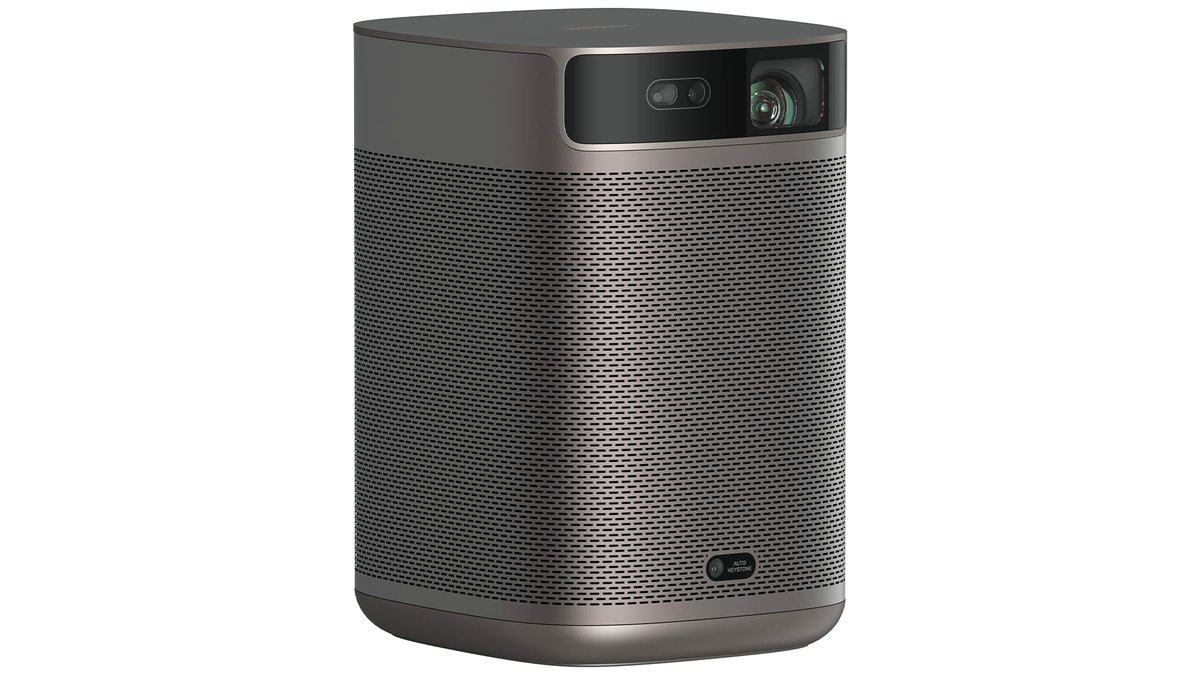
Backyard projectors trade some of the brightness and features of home-theater projectors for portability, battery options, and weather-tolerant design. Picking the right one mostly comes down to three things: how bright the space actually is, how big the screen needs to be, and how much separate gear (speakers, streaming sticks, a screen) a person is willing to carry outside each time. This guide breaks projectors into categories by those factors rather than naming one universal “best” model.
Portable Projector Categories
Compact LED projectors
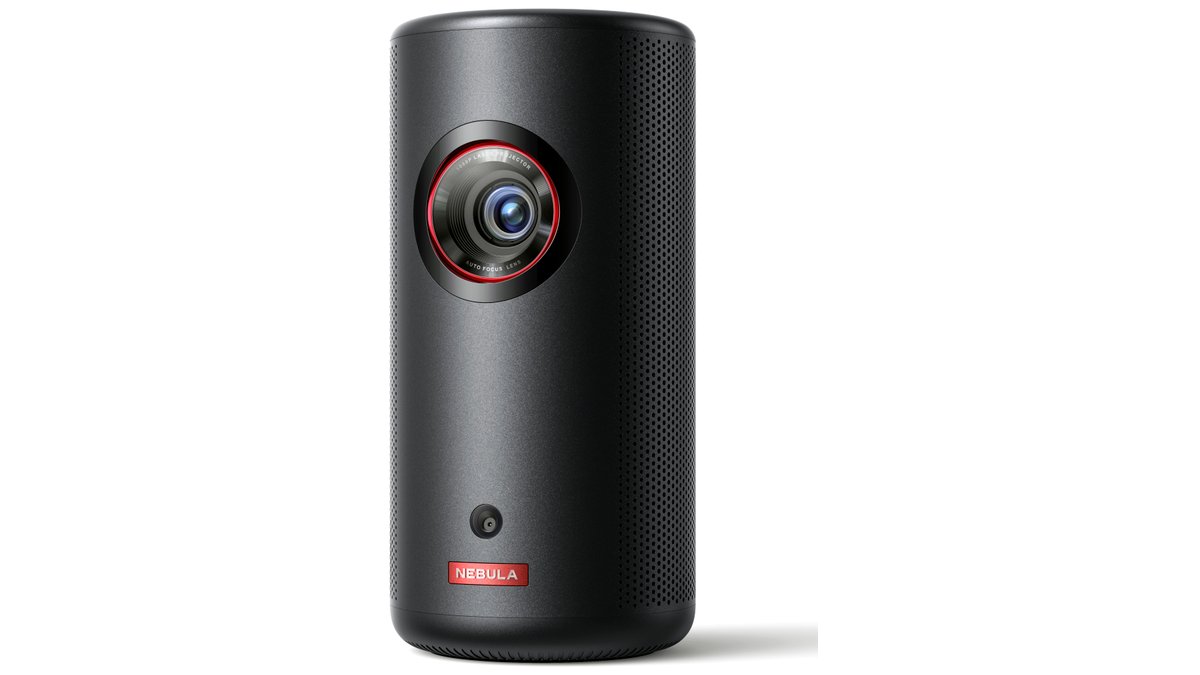
These are small, often handheld-sized projectors built around LED light sources, which the maker typically lists as lasting tens of thousands of hours, far longer than a traditional projector lamp. They are generally rated in the 500-1000 ANSI lumen range (or sometimes rated in “LED lumens,” a less standardized figure some brands use that tends to overstate real-world brightness compared to ANSI lumens). These projectors work best once it is fully or nearly fully dark, which fits a typical backyard movie night after sunset.
Brighter mid-range projectors
Mid-range portable projectors step up to roughly 1000-2000+ ANSI lumens, better suited to yards with some residual light from neighboring houses, porch lights, or an early start time before full darkness. Reviewers testing projectors outdoors consistently note that ANSI lumens, a standardized brightness measurement, is a far more reliable spec to compare across brands than marketing-only lumen figures, since ANSI lumens follow a consistent measurement method.
Battery-powered and rugged outdoor projectors
Some portable projectors include a built-in rechargeable battery, letting them run without an extension cord stretched across the yard, useful for larger backyards or patios far from an outlet. A subset of these are also built with more rugged, sometimes water-resistant housings aimed specifically at outdoor use, though the maker’s stated water or dust resistance rating (if any) should be checked carefully, since many portable projectors are not rated for direct exposure to rain or heavy dew.
At a Glance: Backyard Projector Types Compared
| Type | Best for | Key stated features | Limits |
|---|---|---|---|
| Compact LED projector | Fully dark yards, smaller gatherings, easy portability | Long-life LED light source, lightweight body, often includes built-in speaker | Washes out in any significant ambient light |
| Mid-range brighter projector | Yards with some ambient light, larger screen sizes | Higher stated ANSI lumens, often larger body and heavier | Costs more, larger to carry and store |
| Battery-powered/rugged projector | Patios or yards far from outlets, frequent outdoor use | Built-in rechargeable battery, some models with water-resistant housing | Battery life limits runtime per charge; weather rating varies widely and must be checked per model |
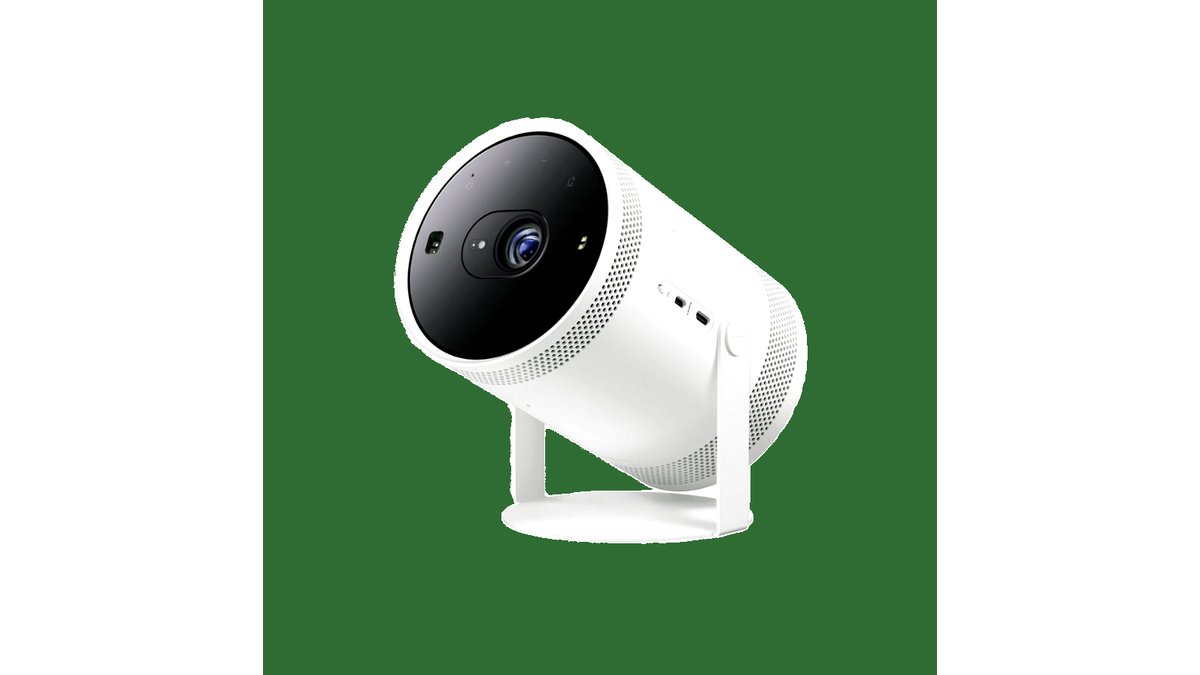
| Smart projector with built-in streaming | Simplest setup, no separate streaming device needed | Built-in apps, Wi-Fi connectivity, often includes remote with voice search | App selection and performance vary by built-in platform and may lag behind dedicated streaming devices |
What to Check Before Buying
ANSI lumens versus marketing lumens
ANSI lumens is a standardized industry measurement, while some budget projectors list a much higher “lumens” figure using a non-standardized method that tends to overstate real brightness. Comparing only ANSI lumen figures across brands gives a far more accurate sense of which projector will actually look brighter outdoors.
Screen size versus throw distance
The maker lists a recommended image size range at specific projection distances; placing the projector too close produces a small image, while too far can exceed the unit’s brightness capacity for a sharp, visible picture at night. Checking the stated throw-distance chart against the actual space between a likely projector placement spot and the screen or wall helps avoid an image that is too small or too dim for the yard.
Built-in speakers versus external audio
Many portable projectors include small built-in speakers adequate for a quiet backyard with few viewers, but reviewers note that built-in speakers on compact models are often underpowered for a yard with background noise or a larger group. A separate Bluetooth speaker paired to the projector is a common and simple way to improve audio without adding much setup complexity.
Connectivity and streaming
Projectors vary between built-in smart platforms with native streaming apps, basic models requiring an external streaming stick plugged into an HDMI port, and models supporting wireless screen mirroring from a phone or laptop. Checking which approach fits the household’s existing devices and streaming subscriptions avoids buying a projector that then needs an additional device purchase to actually stream content.
Cooling fan noise
Projector cooling fans can be audible, particularly on smaller bodies that pack more into a compact space, and this matters more outdoors at night when a quiet yard makes fan noise more noticeable than it would be in a living room with background television or conversation noise. User reviews discussing fan noise at idle and under load are worth checking for anyone sensitive to background sound during a movie.
Pick X If… Decision Table
| If your situation is… | Consider… |
|---|---|
| Fully dark yard after sunset, casual small-group viewing | A compact LED projector in the 500-1000 ANSI lumen range |
| Yard with streetlights, porch lights, or an earlier start time | A brighter mid-range projector rated 1000+ ANSI lumens |
| No convenient outdoor outlet near the viewing spot | A battery-powered portable projector, checking the stated runtime per charge |
| Want the simplest possible setup with no extra devices | A smart projector with built-in streaming apps |
| Frequent outdoor use with exposure to dew or light rain risk | A projector with a specifically stated water-resistance rating, used strictly within that rating |
Setup and Compatibility Notes
Most portable projectors use a standard HDMI input, which covers most streaming sticks, laptops, and gaming consoles, though checking the exact port types (HDMI, USB-C with video support, or a proprietary charging-only USB port) avoids a mismatch with existing cables. Projection screens range from dedicated inflatable or fold-out outdoor movie screens to simply projecting onto a light-colored wall or a taut white sheet; a dedicated screen generally gives a noticeably better image than an uneven sheet or textured wall, since projector light scatters unevenly on non-flat or non-white surfaces. Extension cords used outdoors should be rated for outdoor use, and any projector or speaker not specifically rated for outdoor/weather exposure should be kept away from direct contact with grass, dew, or rain.
Alternatives Worth Considering
Home-theater projectors used temporarily outdoors: A brighter, non-portable home-theater projector can be carried outside for a backyard showing, trading portability and battery options for typically higher brightness and image quality, provided it is protected from dew and moved back inside afterward.
A large outdoor TV instead of a projector: For households that host backyard movie nights frequently in a fixed spot, a weatherproof outdoor television avoids the brightness limitations of projectors entirely, at a generally higher cost and with less flexibility to change the screen size or location.
Smart TV or tablet with a larger built-in screen: For smaller gatherings, simply angling a large smart TV or propping up a tablet can substitute for a projector setup, trading screen size for a much simpler, brighter, and glare-resistant viewing experience.
Frequently Asked Questions
How bright does a projector need to be for outdoor use?
For a yard that is fully dark, roughly 500-1000 ANSI lumens is generally enough for a clear image on a reasonably sized screen. Any ambient light from streetlights, porch lights, or an earlier start before full darkness calls for a brighter model, generally 1000 ANSI lumens or more, to keep the image from looking washed out.
Do I need a special screen, or can I project onto a wall?
A dedicated projector screen, whether an inflatable outdoor screen or a simple fold-out fabric screen, generally produces a sharper, more evenly lit image than a plain wall or sheet, since screens are designed with a flat, consistently reflective surface. A light-colored, flat wall can work as a budget substitute, but a textured or colored wall will noticeably reduce image quality and color accuracy.
Can portable projectors get wet from dew or light rain?
Only projectors with a manufacturer-stated water-resistance rating should be exposed to any moisture, and even then only within the limits of that specific rating. Most compact LED and smart projectors are not weatherproof and should be protected from dew, rain, and humidity to avoid damage.
Do I need external speakers for a backyard movie night?
Built-in projector speakers can be adequate for a small, quiet gathering, but reviewers generally find them underpowered for larger groups or yards with background noise. Pairing a separate Bluetooth speaker is a common and simple upgrade that noticeably improves the experience without much added setup.
How far from the screen should the projector be placed?
The correct distance depends on the specific projector’s stated throw-distance chart, which relates distance to resulting image size; placing a projector too close produces a small image, while too far can exceed its brightness capacity for a sharp picture outdoors at night. Checking the manufacturer’s chart against the actual yard layout before buying helps confirm the desired screen size is achievable in the available space.
Is a battery-powered projector worth the extra cost over a corded model?
A battery-powered projector is worth it mainly for yards or patios without a convenient nearby outlet, since it removes the need for an extension cord stretched across open space. For setups already near an outlet, a corded model typically offers more consistent brightness and runtime without worrying about battery charge level during a movie.