Key takeaways
- Beginners shooting wide starscapes and the Milky Way from a tripod do best with a full-frame or APS-C mirrorless camera with strong high-ISO performance, deep-sky imagers using a telescope and tracking mount benefit most from a dedicated cooled astronomy camera,…
Beginners shooting wide starscapes and the Milky Way from a tripod do best with a full-frame or APS-C mirrorless camera with strong high-ISO performance, deep-sky imagers using a telescope and tracking mount benefit most from a dedicated cooled astronomy camera, and anyone shooting planets or the Moon up close should prioritize a high-frame-rate planetary camera over a general-purpose mirrorless body.
As an Amazon Associate, we earn from qualifying purchases made through links on this page.
Astrophotography spans several very different shooting styles, and the camera that suits one style often performs poorly at another. A camera great for wide Milky Way shots is usually the wrong tool for high-magnification planetary imaging, and a dedicated deep-sky astro camera is not useful for handheld nightscapes. This guide groups the main camera categories by what they are actually used for, since matching the camera to the target matters more than chasing a single “best overall” model.
Astrophotography Camera Categories
Full-frame and APS-C mirrorless cameras
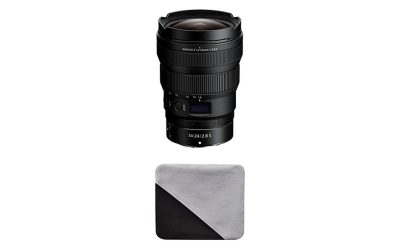
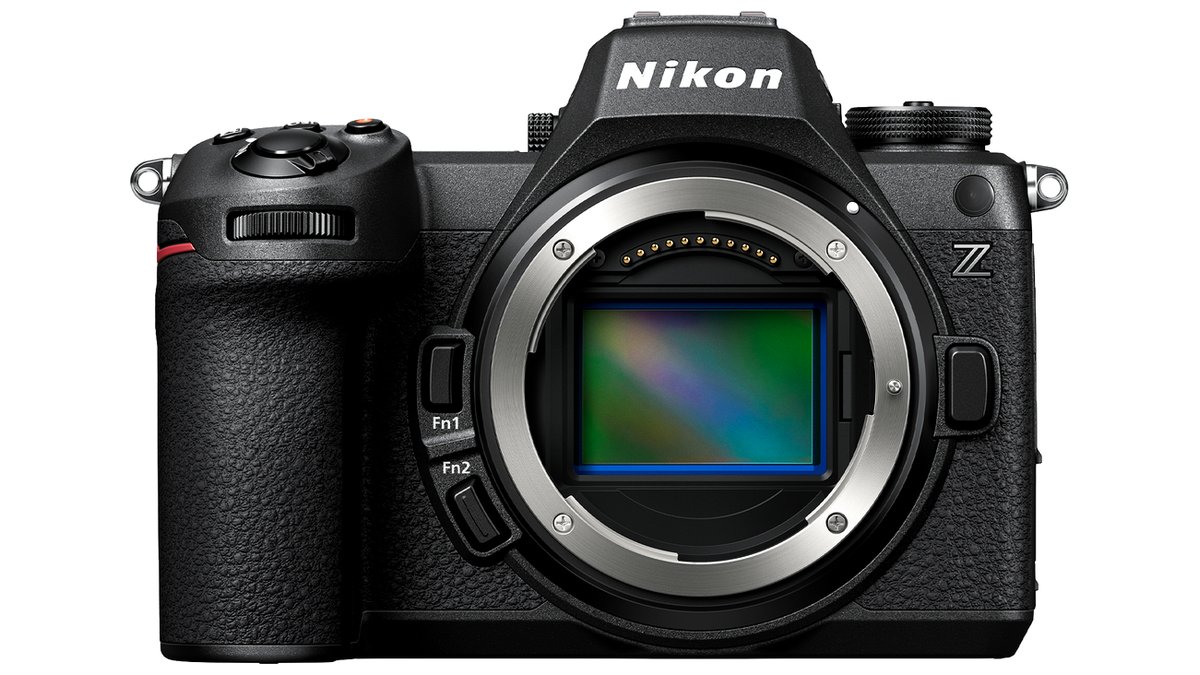
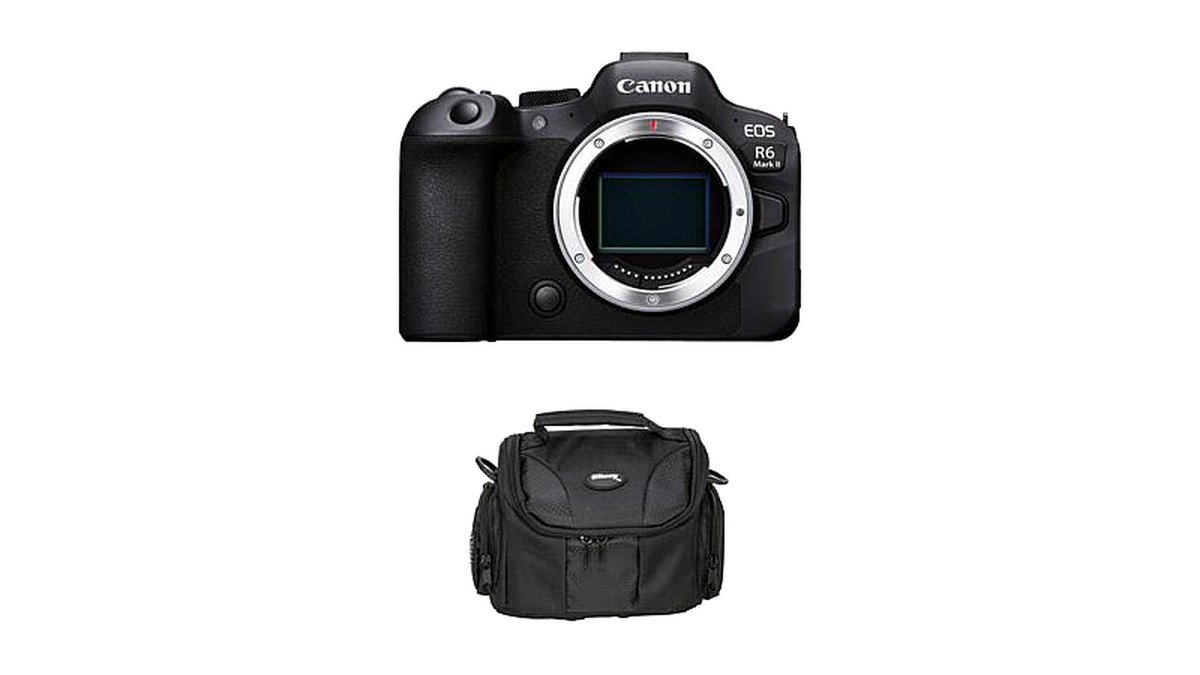
General-purpose mirrorless cameras from brands like Sony, Nikon, and Canon are the most common starting point for wide-field astrophotography: Milky Way shots, star trails, and nightscapes combining foreground scenery with the sky. The maker lists high native ISO ranges and, on many current models, in-body image stabilization, both of which help with handheld or short-tripod exposures. Full-frame sensors generally gather more light per pixel than APS-C sensors of similar resolution, which reviewers consistently note improves high-ISO noise performance for night shooting, though APS-C bodies cost less and pair with smaller, lighter lenses.
Dedicated cooled astronomy cameras
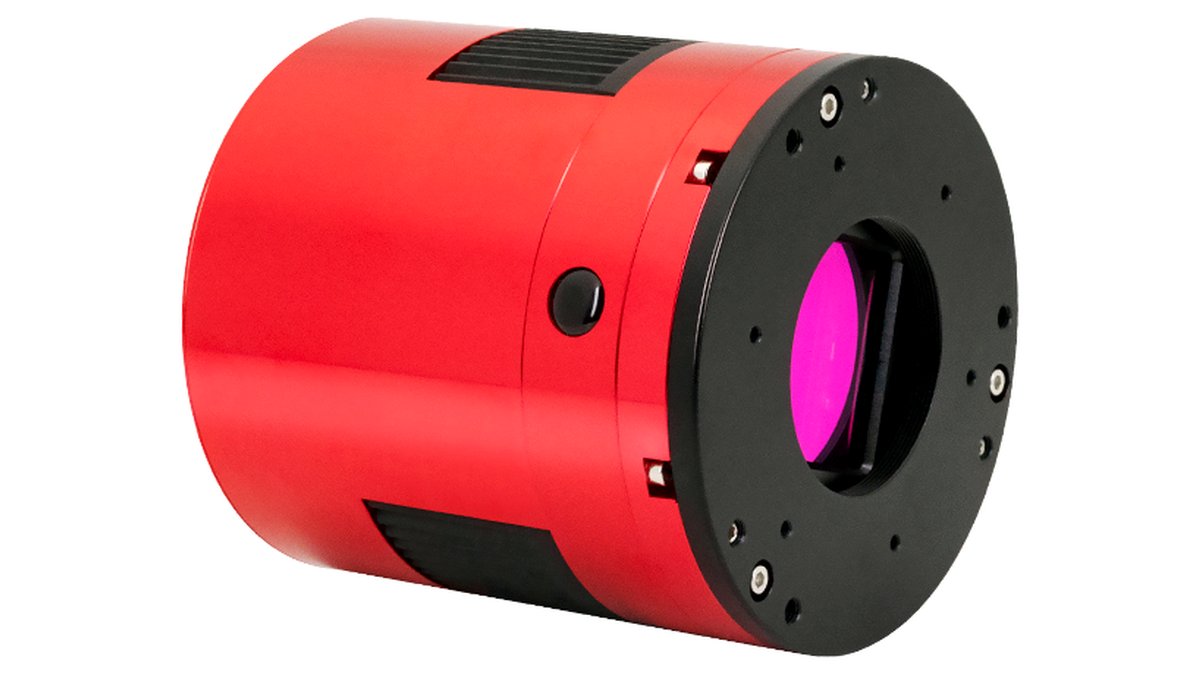
For deep-sky imaging through a telescope, mounted on a tracking or guided mount, dedicated astronomy cameras from brands such as ZWO and QHYCCD are built specifically for long, stacked exposures of faint targets like nebulae and galaxies. These cameras use active cooling to reduce sensor noise during exposures that can run many minutes each, a feature general-purpose cameras typically lack. They connect to a computer or dedicated controller rather than operating as a standalone camera with a viewfinder and shutter button in the way a mirrorless body does.
Planetary and lunar cameras
Imaging the Moon, planets, or the Sun (with proper solar filtration) benefits from small, high-frame-rate cameras designed to capture thousands of short video frames that are later stacked in software to cancel out atmospheric distortion. These cameras typically have smaller sensors than deep-sky or wide-field cameras, since planetary targets are small and bright, favoring frame rate and pixel scale over total light-gathering area.
At a Glance: Astrophotography Camera Types Compared
| Type | Best for | Key stated features | Limits |
|---|---|---|---|
| Full-frame mirrorless | Wide Milky Way, nightscapes, star trails | High native ISO range, in-body stabilization on many models, works handheld or on a simple tripod | Not suited to telescope-based deep-sky imaging without added equipment |
| APS-C mirrorless | Wide-field astrophotography on a budget | Lower cost, lighter lenses, still capable high-ISO performance | Somewhat higher noise than full-frame at very high ISO |
| Cooled astronomy camera | Deep-sky imaging through a telescope with a tracking mount | Active sensor cooling, long-exposure stacking support, computer-controlled | Needs a telescope, mount, and computer setup; steep learning curve |
| Planetary/lunar camera | Moon, planets, and solar imaging (with proper filters) | High frame-rate video capture, small sensor matched to small bright targets | Not useful for wide-field or faint deep-sky targets |
What to Check Before Buying
Sensor size and high-ISO noise
Larger sensors generally produce cleaner images at high ISO, which matters directly for night photography since astrophotography relies on long exposures and elevated ISO settings to capture faint light. Reviewers testing cameras specifically for astrophotography frequently prioritize high-ISO noise performance over resolution, since a slightly lower-megapixel sensor with better noise control often produces a more usable night image than a higher-resolution sensor with more visible noise.
Star-eater and in-camera noise reduction
Some camera models apply aggressive noise reduction to long exposures in a way that can soften or remove faint stars, an effect some astrophotographers refer to informally as a “star-eater” issue. This is firmware-dependent and varies by brand and model, so checking current user reports and the maker’s own long-exposure noise reduction settings is worth doing before relying on a camera for serious deep-sky work.
Tracking mount compatibility
For deep-sky and long-exposure work, a tracking mount that compensates for Earth’s rotation is typically needed alongside the camera, whether that is a star tracker for a mirrorless camera or a full equatorial mount for a telescope-based astronomy camera. Checking that a camera’s weight and connector type are compatible with the intended mount avoids a mismatch after purchase.
Cooling and dark current (for dedicated astro cameras)
Dedicated cooled astronomy cameras list a stated cooling range, often expressed as degrees below ambient temperature, which reduces thermal noise (“dark current”) during long exposures. The maker’s stated cooling specification is a reasonable proxy for how well a camera will perform on warm summer nights versus cold winter sessions.
Lens or telescope pairing
A wide, fast lens (a low f-number) gathers more light per exposure, which is particularly valuable for wide-field astrophotography where exposure times are limited by star trailing on an untracked tripod. For telescope-based imaging, the camera’s sensor size needs to be matched to the telescope’s image circle and focal length to avoid vignetting or an overly narrow field of view.
Pick X If… Decision Table
| If your situation is… | Consider… |
|---|---|
| New to astrophotography, want wide Milky Way and nightscape shots | A full-frame or APS-C mirrorless camera with strong high-ISO performance, paired with a fast wide-angle lens |
| Already own a telescope and tracking mount, want to image nebulae and galaxies | A dedicated cooled astronomy camera |
| Interested mainly in the Moon and planets | A small high-frame-rate planetary camera paired with a telescope |
| Budget-conscious beginner wanting one camera for general use plus night shooting | An APS-C mirrorless camera with good high-ISO reviews |
| Want to progress from wide-field to telescope-based deep-sky imaging over time | Start with a mirrorless camera and star tracker, then add a dedicated astronomy camera later |
Compatibility and Setup Notes
Mirrorless cameras used for wide-field astrophotography generally need a sturdy tripod at minimum, and a motorized star tracker for longer exposures without star trailing. Dedicated astronomy cameras require a telescope, a mount capable of tracking and often auto-guiding for longer exposures, and a laptop or mini-PC to run capture software, which adds setup complexity and cost well beyond the camera itself. Planetary cameras typically connect over USB directly to a laptop positioned near the telescope, and capture thousands of frames per session, so adequate storage space and a reasonably fast computer for the stacking software matter for a smooth workflow.
Alternatives Worth Considering
Smartphone astrophotography modes: Recent smartphones include dedicated night or astrophotography modes that can capture surprisingly usable wide starscapes without any dedicated equipment, though they fall well short of dedicated cameras for deep-sky detail or planetary close-ups.
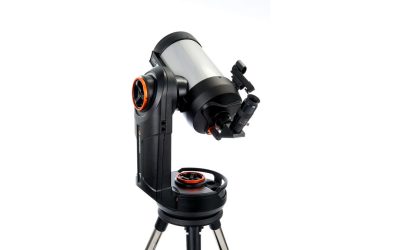
All-in-one smart telescopes: Several manufacturers now sell self-contained smart telescopes with a built-in camera and tracking, aimed at beginners who want deep-sky images without assembling a separate camera, mount, and telescope. These trade some image-quality ceiling and customization for a much simpler setup process.
Used or previous-generation mirrorless bodies: Since astrophotography relies heavily on sensor noise performance rather than the latest autofocus or video features, a well-regarded previous-generation mirrorless camera can be a reasonable lower-cost alternative to the newest model, provided its high-ISO performance still meets the intended use.
Frequently Asked Questions
Do I need a telescope to start astrophotography?
No; wide-field astrophotography of the Milky Way and star trails only needs a camera, a fast lens, and a tripod, with a star tracker as a helpful but optional addition. A telescope becomes necessary mainly for close-up deep-sky imaging of specific nebulae, galaxies, or planets.
What is a cooled astronomy camera and do I need one?
A cooled astronomy camera is a dedicated imaging sensor with active cooling to reduce noise during long exposures, typically used with a telescope rather than as a standalone handheld camera. It is generally only necessary for serious deep-sky imaging; wide-field nightscape photography can be done with a regular mirrorless camera.
Why do my long-exposure night photos lose faint stars?
Some cameras apply in-camera noise reduction to long exposures that can soften or remove faint stars, an effect sometimes called a “star-eater” issue by astrophotographers. Checking current user reports for a specific camera model’s long-exposure behavior, and adjusting in-camera noise reduction settings, can help reduce this effect.
Is a full-frame camera necessary, or is APS-C good enough?
APS-C cameras can produce good results for astrophotography, especially for beginners, though full-frame sensors generally offer better high-ISO noise performance, which directly benefits night photography. The choice often comes down to budget and whether the improved noise performance justifies the added cost for a given person’s goals.
What is a star tracker and when do I need one?
A star tracker is a small motorized mount that rotates a camera to match Earth’s rotation, allowing longer exposures without star trailing. It becomes useful once exposure times on a static tripod would otherwise start showing streaked stars, which happens sooner with longer focal length lenses than with wide-angle lenses.
Can I photograph the sun for solar astrophotography?
Solar imaging requires a certified solar filter rated for direct observation and photography, fitted over the front of the lens or telescope; looking at or photographing the sun without proper filtration can cause serious, permanent eye damage and camera sensor damage. Always follow the filter manufacturer’s instructions and never attempt solar imaging without verified, properly rated equipment.