Key takeaways
- Travelers who want a grab-and-go camera for humid, rainy, or beach environments suit a rugged waterproof compact, while photographers who need interchangeable lenses and more creative control suit a weather-sealed mirrorless body paired with a sealed lens and a dedicated…
Travelers who want a grab-and-go camera for humid, rainy, or beach environments suit a rugged waterproof compact, while photographers who need interchangeable lenses and more creative control suit a weather-sealed mirrorless body paired with a sealed lens and a dedicated moisture-control storage routine; the right pick depends on how much manual control matters versus how much ruggedness and simplicity matter.
As an Amazon Associate, we earn from qualifying purchases made through links on this page.
High humidity and tropical conditions threaten cameras in two main ways: moisture intrusion through seams and ports, and internal condensation when a cold, air-conditioned camera meets warm, humid outdoor air. Camera makers address the first threat with weather sealing, which uses gaskets at buttons, dials, and compartment doors to resist dust and light moisture, and with fully submersible designs that seal the entire body for underwater or heavy-rain use. Neither weather sealing nor submersible ratings fully solve the second threat, condensation, which is a temperature-change problem rather than a sealing problem and requires its own handling routine regardless of camera type.
What Matters Most When Choosing
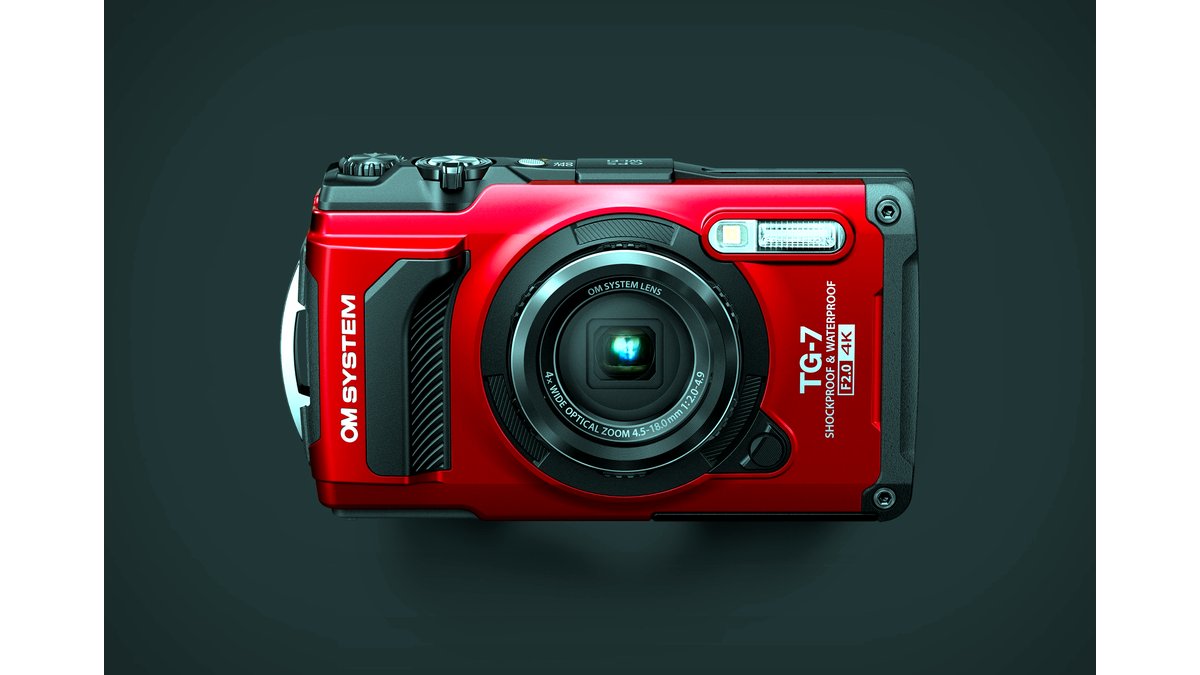
Ruggedness level is the first fork in the road: a fully waterproof, shockproof compact like those in Olympus’s (now OM System’s) Tough series is built to handle submersion, drops, and sand without a housing, which suits snorkeling, beach days, and rainforest hikes where a photographer does not want to babysit gear. A weather-sealed mirrorless or DSLR, by contrast, resists dust and splashes but is generally not meant for submersion, and its protection depends on pairing a sealed body with a sealed lens, since an unsealed lens creates a gap in the system’s protection. Lens changes in humid air also introduce a real risk: opening the body to swap lenses exposes the sensor chamber to ambient moisture and dust, so photographers working in tropical conditions often minimize lens changes or do them in the most sheltered spot available. Storage between shooting sessions matters as much as the camera’s rating; silica gel packs or an electric dry cabinet help prevent fungus growth on lens elements, which is a well-documented problem for cameras stored in humid climates for extended periods.
Rugged Waterproof Compacts
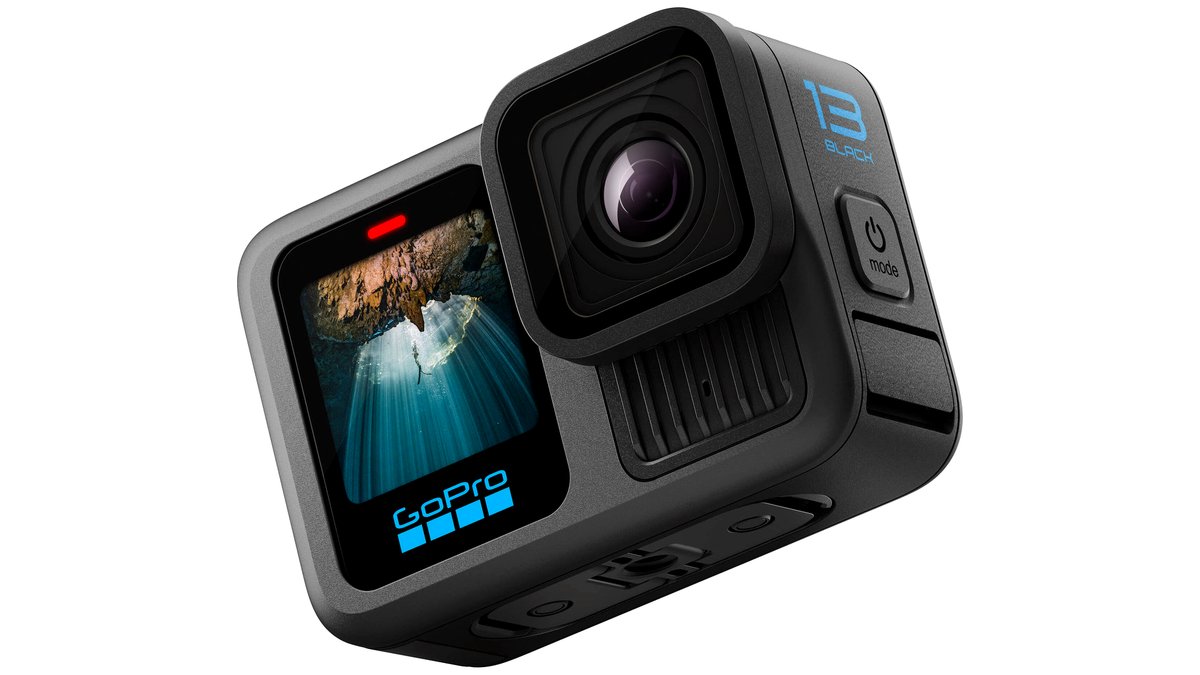
OM System’s Tough series (continuing the lineage Olympus built before the brand transition) is frequently cited by travel and outdoor reviewers as a reference point for submersible, crush-proof compact cameras that need no separate housing for underwater or heavy-rain shooting. GoPro’s action camera line, while not a traditional camera in form factor, is another commonly recommended option for tropical and water-adjacent shooting, particularly for video and wide-angle stills where its compact, fully sealed design removes humidity concerns almost entirely. These cameras trade some image quality and manual control, since smaller sensors and simplified controls are the tradeoff for a body that needs no separate protective housing.
Weather-Sealed Mirrorless Systems
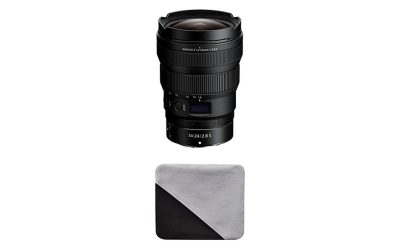
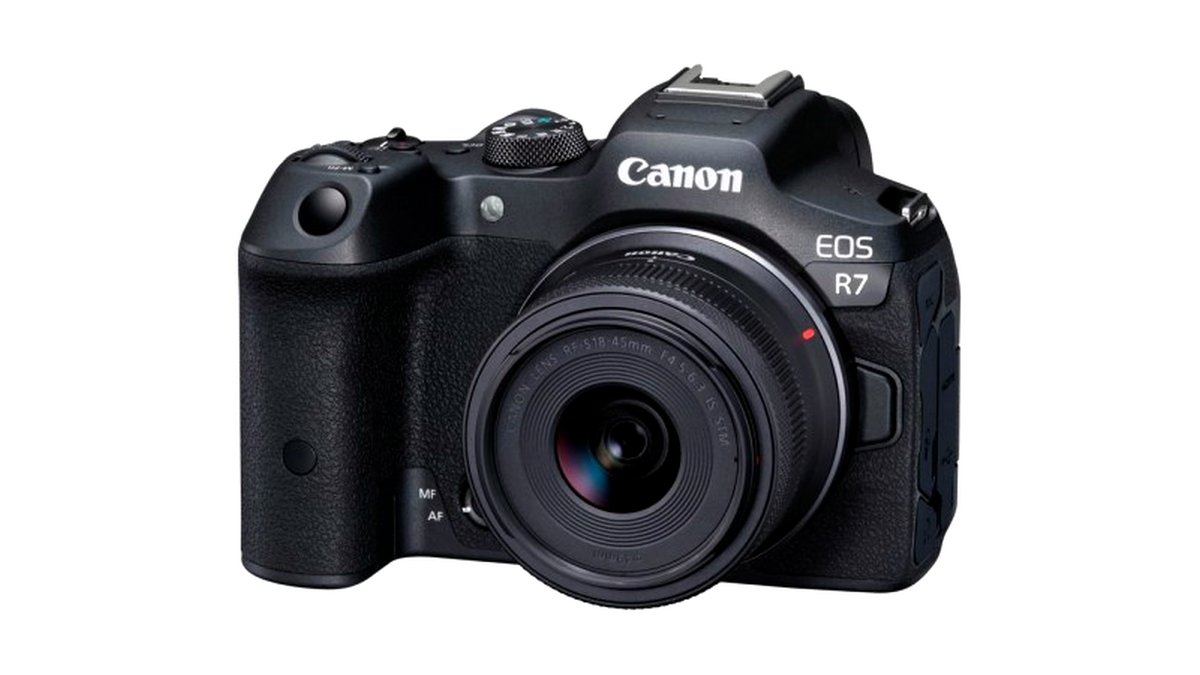
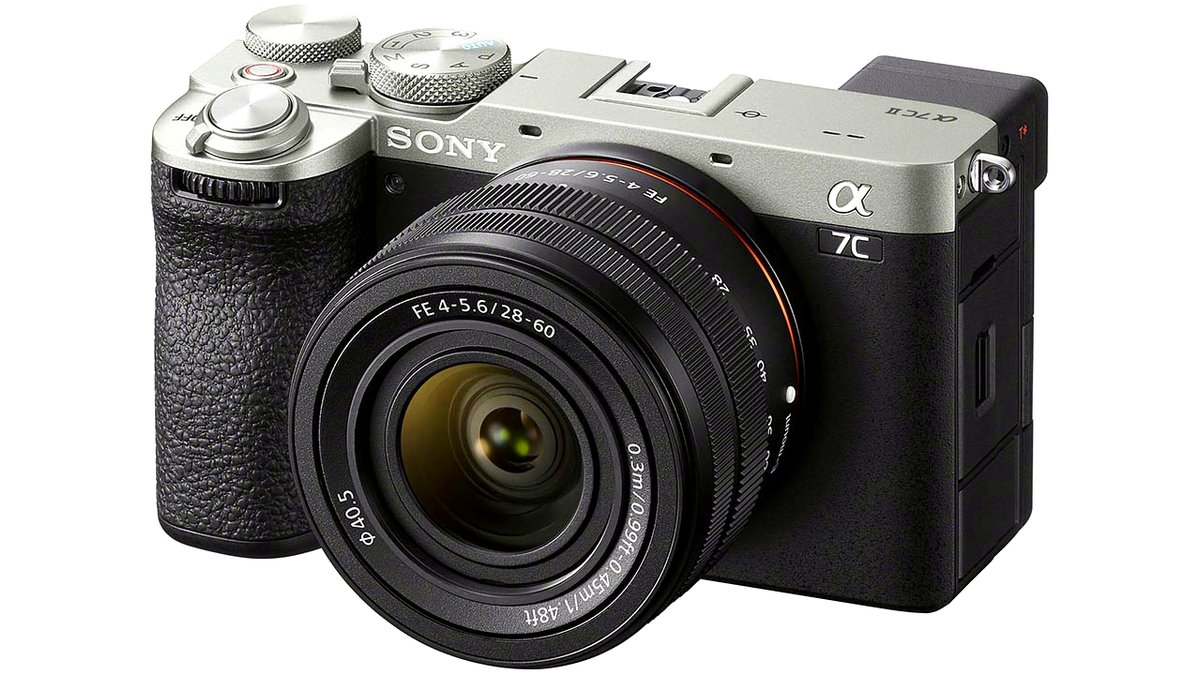
For photographers who want larger sensors, interchangeable lenses, and more manual control, weather-sealed mirrorless bodies from major makers pair with weather-sealed lenses to form a more resistant combination, though reviewers consistently note that weather sealing is designed for resistance to dust and splashes rather than full submersion. These systems demand more care in humid climates: lens changes should happen quickly and in sheltered conditions, and the camera bag itself should include desiccant or silica packs to manage ambient moisture during storage between uses. The payoff is substantially better image quality, low-light performance, and creative flexibility compared to a rugged compact, which matters for photographers documenting tropical trips professionally rather than casually.
At a Glance
| Camera Type | Best For | Key Stated Specs | Limits |
|---|---|---|---|
| Rugged waterproof compact (e.g., OM System Tough series) | Snorkeling, beach, rainforest hikes, casual travel | Maker-stated waterproof/submersible and shockproof/crushproof ratings, no housing needed | Smaller sensor; limited manual control versus mirrorless systems |
| Action camera (e.g., GoPro) | Water sports, video-first tropical travel | Fully sealed compact body, wide-angle lens, maker-stated waterproof rating | Fixed wide lens; smaller sensor limits still-photo quality in low light |
| Weather-sealed mirrorless body + sealed lens | Serious photographers wanting image quality and control | Maker-stated weather/dust/splash resistance, interchangeable lens mount | Not rated for submersion; lens changes expose sensor chamber to humid air |
| Dry cabinet or silica gel storage | Protecting any camera between shooting sessions | Controlled low-humidity storage environment | Does not protect the camera while actively shooting in the field |
Pick This If…
| Situation | Recommended Type |
|---|---|
| Beach days, snorkeling, or rain-heavy itineraries | Rugged waterproof compact |
| Action sports, surfing, or hands-free video in water | Action camera |
| Want large-sensor image quality for tropical landscapes or wildlife | Weather-sealed mirrorless body with a sealed lens, used with care around lens changes |
| Camera will sit unused for weeks between trips in a humid climate | Pair any camera with a dry cabinet or silica gel storage routine |
| Moving frequently between air-conditioned interiors and humid outdoors | Allow the camera to acclimate gradually in a sealed bag before exposing it to the temperature change |
Fit and Compatibility Notes
Lens compatibility matters for mirrorless systems: a weather-sealed body does not gain full protection unless paired with a lens the maker also rates as sealed, so checking both body and lens specifications before buying is worthwhile. Memory card and battery compartment doors are common weak points for moisture intrusion even on sealed bodies, so keeping these doors closed except when necessary, and drying hands and gear before opening them, reduces risk. For condensation specifically, the practical fix across all camera types is the same: let the camera acclimate gradually inside a sealed bag or case when moving between air-conditioned and humid outdoor environments, rather than exposing it to the temperature swing directly, since moisture can otherwise condense inside the lens or body.
2-3 Alternatives
Photographers who want DSLR- or mirrorless-level image quality but worry about humidity exposure can use an aftermarket rain cover or dedicated underwater housing over a non-waterproof body, which adds bulk but extends protection beyond what weather sealing alone provides. Smartphone photography is a practical alternative for casual travelers, since modern phones often include their own water-resistance ratings and avoid the lens-change risk entirely, though image quality and zoom range remain more limited than a dedicated camera. A hybrid approach many travel photographers use is carrying a rugged compact as the primary camera for wet or sandy conditions and reserving a mirrorless system for controlled, dry moments like golden-hour shoots from a covered vantage point.
Battery and Memory Card Considerations
High humidity affects more than the camera’s outer shell; batteries and memory cards can both suffer in consistently damp or salty coastal air. Reviewers and travel photography guides commonly recommend storing spare batteries in a sealed bag with a silica packet when not in the camera, since humidity can accelerate corrosion on battery contacts over an extended trip. Memory cards are generally less sensitive to humidity than to temperature swings and physical contamination, but keeping the card slot door closed except when actively swapping cards reduces the chance of moisture or sand working into the compartment, which is a more common failure point on rugged compacts used at the beach than people expect.
Lens hoods and UV or clear protective filters are a small, low-cost addition that many tropical travel photographers use specifically to shield the front element from salt spray, rain droplets, and sand, since cleaning a filter is far less risky than repeatedly wiping the actual lens coating. Carrying a dedicated microfiber cloth and a blower rather than relying on a shirt sleeve helps avoid introducing scratches when clearing condensation or water droplets from a lens in the field. For longer trips, bringing a small supply of fresh silica gel packets, since existing packets lose effectiveness once saturated, is a detail that frequent tropical travelers mention as an easy thing to overlook until a lens already shows early fogging between glass elements.
Frequently Asked Questions
Can a weather-sealed camera handle a tropical rainstorm?
Weather sealing is generally designed to resist splashes and light rain rather than sustained heavy downpours or submersion, so reviewers typically recommend treating a weather-sealed (but not waterproof) camera with caution in a true tropical downpour. A fully waterproof compact or an action camera is the more reliable choice for sustained heavy rain.
How do I stop my camera from fogging up when I go outside?
Fogging happens when a cold camera meets warm, humid air, so letting the camera sit sealed in its bag for a period to gradually reach ambient temperature before use reduces condensation risk. Avoiding direct temperature jumps, such as moving straight from an air-conditioned room into tropical outdoor heat, is the most commonly cited prevention method.
Is it safe to change lenses in humid, outdoor conditions?
Changing lenses exposes the sensor chamber to ambient air, which in humid conditions can introduce moisture or encourage dust and fungus growth over time, so many photographers minimize lens changes outdoors and do them in the most sheltered, driest spot available. Keeping the rear lens cap and body cap ready to seal the gap quickly also helps.
What causes fungus growth inside lenses in tropical climates?
Prolonged exposure to high humidity, especially combined with warmth and low air circulation, is commonly cited as the condition that encourages fungus growth on internal lens elements. Dry cabinets or silica gel storage during periods when the camera is not in use are widely recommended preventive measures.
Do I need a separate underwater housing if I already have a waterproof camera?
If the camera’s maker rates it as waterproof to a stated depth, a separate housing is generally not necessary within that depth limit, but exceeding the stated depth or duration can risk water intrusion, so checking the maker’s specific rating before diving or snorkeling matters. For non-waterproof cameras, a proper housing remains the only safe option for underwater use.
How should I store my camera between trips in a humid country?
Many travel photographers use a sealed container with silica gel packs or a dedicated electric dry cabinet to keep humidity around the gear low during storage, replacing or recharging silica packs periodically. Leaving a camera in a regular bag in a humid room for extended periods is a commonly cited cause of lens fungus and corrosion.