Key takeaways
- GPS positioning and return-to-home: These two features together are the biggest safety and confidence boost for new pilots, helping prevent flyaways and making it easier to bring the drone back if you lose track of orientation.
- Weight class and registration rules: In the United States, drones weighing 250 grams or more generally require FAA registration for most uses; check the specific drone’s weight and your local regulations before flying, since rules can affect where and how you’re allowed to fly even a beginner model.
- Flight time per battery and number of included batteries: Beginner drones commonly offer flight times in the 15 to 30 minute range per charge; kits with 2-3 batteries extend total flying time per outing without an extra purchase.
- Obstacle sensing: Some beginner-tier drones include basic forward or downward obstacle sensors; this is a helpful safety net but not a guarantee against collisions, so treat it as a backup, not a replacement for careful flying.
- Controller type and phone/app dependency: Some budget drones rely entirely on a smartphone app for live view and control, while others include a dedicated remote with a screen or phone-mount bracket; consider which setup suits how you plan to fly.
- Propeller guards and build durability: Especially relevant for indoor or close-quarters practice flying, where guards reduce damage from minor bumps into walls or furniture.
A camera-equipped beginner drone with GPS hold and automatic return-to-home suits new flyers who mainly want steady aerial photos and videos without a steep learning curve, while a smaller, propeller-guarded mini drone suits absolute first-timers who want to practice basic flight indoors or in tight spaces before moving up; both categories fit comfortably under a $500 budget cap, so the deciding factor is mainly how much camera capability and flight-assist technology you want at that price.
As an Amazon Associate, we earn from qualifying purchases made through links on this page.
What Beginner-Friendly Features Actually Matter
Under a $500 budget cap, beginner drones generally split into two tiers: compact, lightweight models focused on easy indoor/outdoor practice flying, and slightly larger camera drones with GPS-based stabilization and assisted flight modes. The features that matter most for a first drone are not raw speed or range, but how forgiving the drone is of mistakes: GPS positioning to hold a stable hover, automatic return-to-home if signal is lost or battery runs low, and beginner or “sport/normal” flight mode switching that limits speed and sensitivity while you’re learning.
Camera quality on budget beginner drones varies widely; many include a basic stabilized or electronically stabilized camera rather than full mechanical gimbal stabilization, which is more common on higher-priced drones. Check the maker’s stated video resolution, stabilization method, and whether the camera is fixed or adjustable before assuming it will match footage from a premium model.
What to Look For Before Buying
- GPS positioning and return-to-home: These two features together are the biggest safety and confidence boost for new pilots, helping prevent flyaways and making it easier to bring the drone back if you lose track of orientation.
- Weight class and registration rules: In the United States, drones weighing 250 grams or more generally require FAA registration for most uses; check the specific drone’s weight and your local regulations before flying, since rules can affect where and how you’re allowed to fly even a beginner model.
- Flight time per battery and number of included batteries: Beginner drones commonly offer flight times in the 15 to 30 minute range per charge; kits with 2-3 batteries extend total flying time per outing without an extra purchase.
- Obstacle sensing: Some beginner-tier drones include basic forward or downward obstacle sensors; this is a helpful safety net but not a guarantee against collisions, so treat it as a backup, not a replacement for careful flying.
- Controller type and phone/app dependency: Some budget drones rely entirely on a smartphone app for live view and control, while others include a dedicated remote with a screen or phone-mount bracket; consider which setup suits how you plan to fly.
- Propeller guards and build durability: Especially relevant for indoor or close-quarters practice flying, where guards reduce damage from minor bumps into walls or furniture.
At a Glance: Beginner Drone Categories Under $500
| Category | Best For | Key Stated Specs | Limits |
|---|---|---|---|
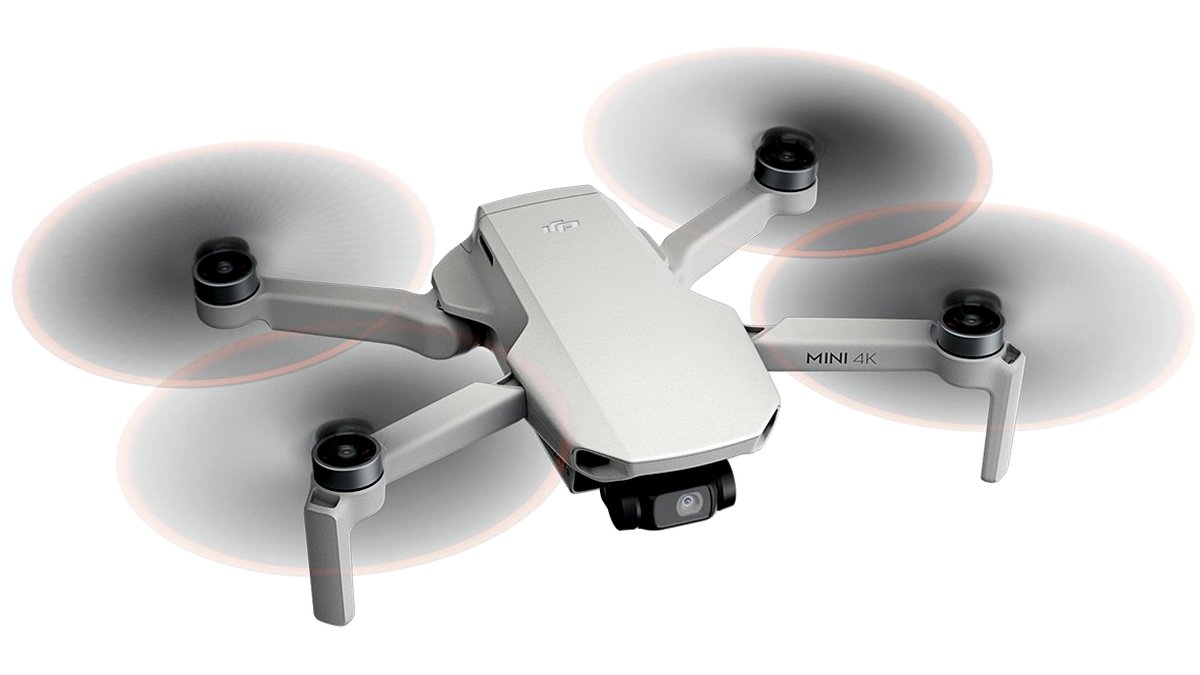
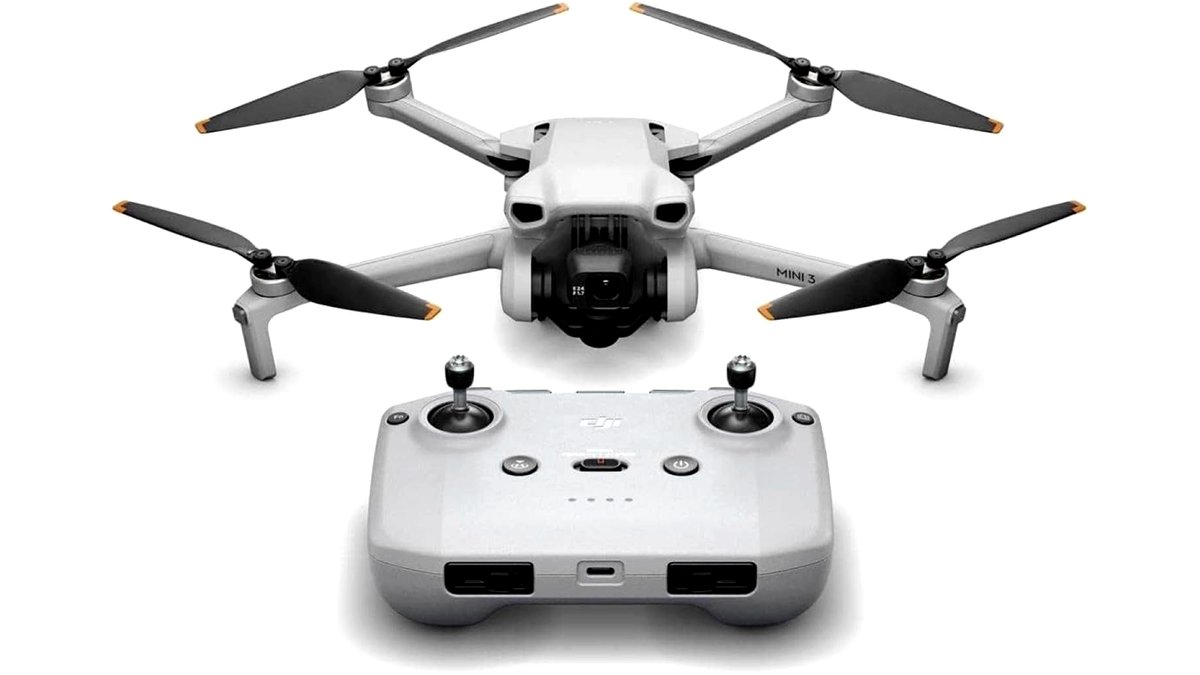
| Mini/lightweight practice drone | Absolute first-timers, indoor or tight-space practice | Often under 250g; basic or no camera; simple one-touch flight modes | Limited or no camera quality; shorter range and flight time than larger models |
| Beginner camera drone with GPS | New flyers who want steady aerial photo/video from the start | GPS hold and return-to-home; electronically stabilized camera; flight times commonly 15-25 minutes | Camera quality below premium mechanical-gimbal drones; usually at or near 250g, triggering registration rules |
| Beginner drone with obstacle sensing | Cautious new flyers wanting extra collision protection | Forward and/or downward sensors per maker spec; GPS and return-to-home typically included | Sensors don’t cover all directions; still requires attentive flying |
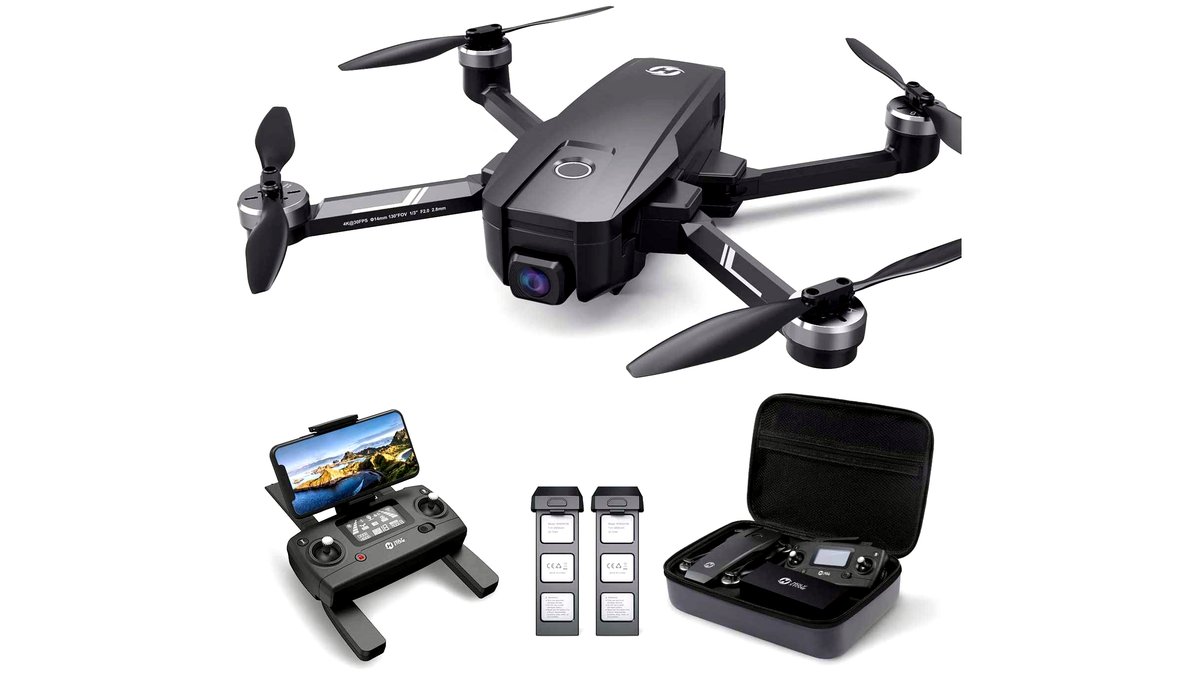
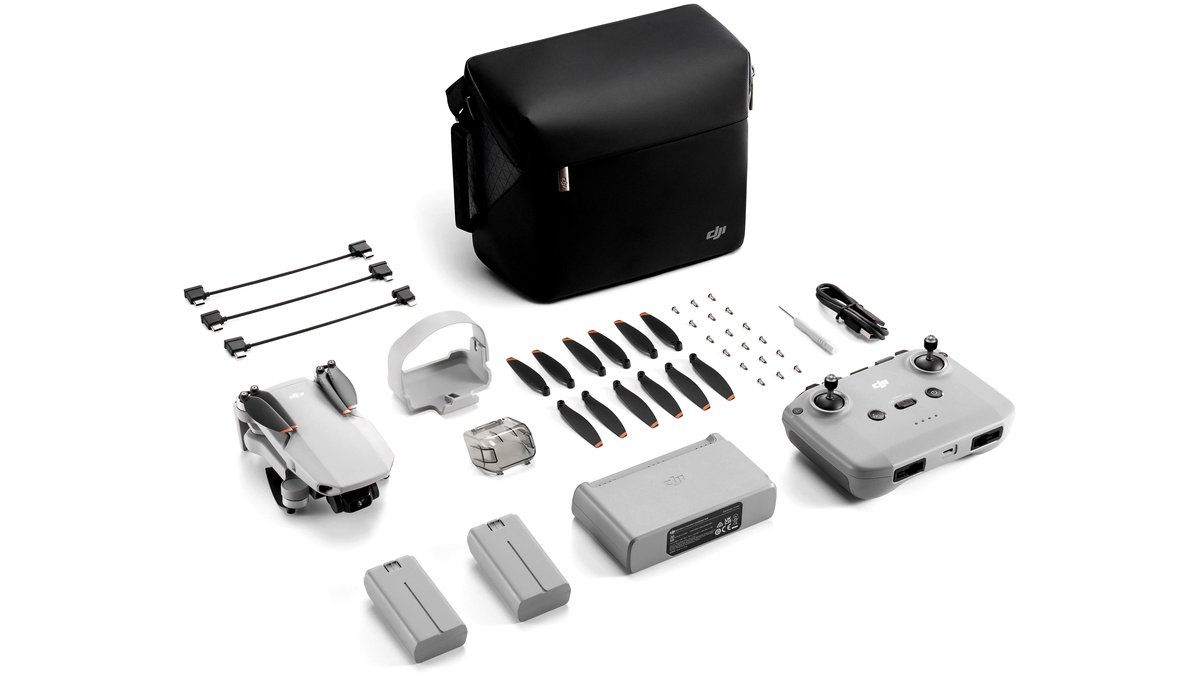
| Multi-battery beginner kit | Flyers wanting longer total flying time per outing without separate purchases | Bundle includes 2-3 batteries, charging hub, and carrying case on many kits | More to carry and manage; batteries still need individual charging time |
Pick X If…
| Choose This | If You… |
|---|---|
| Mini/lightweight practice drone | Have never flown before and want low-stakes practice before investing in a camera drone |
| Beginner camera drone with GPS | Want to start capturing stable aerial photos/video right away |
| Drone with obstacle sensing | Plan to fly in semi-tight outdoor spaces like backyards with trees or structures |
| Multi-battery kit | Want to fly multiple sessions in one outing without waiting on a single battery to recharge |
Rules, Registration, and Safe First Flights
In the United States, the FAA requires registration for most drones weighing 250 grams or more flown outdoors, and recreational flyers also generally need to pass TRUST (The Recreational UAS Safety Test), a free online safety test, before flying. Rules differ by country, so check your own country’s aviation authority guidance before your first flight regardless of which drone you buy. Many beginner drones hover right around or above the 250-gram threshold, so check the specific model’s weight if avoiding registration is a priority.
For a first flight, an open outdoor area free of people, vehicles, and obstacles is the standard recommendation found in most drone manufacturer manuals and beginner guides; starting in beginner or low-sensitivity flight mode, keeping altitude low, and practicing basic hover and directional control before attempting camera work helps build confidence without unnecessary crashes.
Alternatives Worth Considering
- Simulator apps or drone flight simulators: A no-risk way to practice stick control before ever flying a physical drone, worth trying if you’re nervous about crashing a real unit early on.
- Toy-grade micro drones under a much lower price point: A cheaper starting point for kids or very casual first-time use, though with far less capability than the beginner-tier options described above.
- Renting or borrowing a drone for a single outing: Worth considering if you’re unsure whether the hobby is for you before committing even a sub-$500 budget.
Frequently Asked Questions
Do I need a license to fly a drone under $500 for fun?
In the United States, recreational flyers generally don’t need a pilot’s license but do need to pass the free TRUST safety test and register drones weighing 250 grams or more with the FAA. Requirements vary by country, so check your local aviation authority’s current rules before flying.
How long does a beginner drone battery typically last per flight?
Many beginner and budget camera drones offer stated flight times in roughly the 15 to 30 minute range per battery charge, though actual time varies with wind, temperature, and flying style. Kits that include multiple batteries let you extend total flying time in one outing by swapping batteries rather than waiting for a recharge.
Can a beginner drone under $500 take good aerial photos and video?
Many beginner camera drones in this price range include electronically stabilized cameras capable of reasonably smooth footage for casual and social sharing use, though they generally fall short of the mechanical gimbal stabilization and sensor quality found on premium drones. If photo/video quality is your top priority, compare the maker’s stated camera specs and stabilization method across models before choosing.
What happens if I lose control signal with my drone?
Most GPS-equipped beginner drones include an automatic return-to-home feature that activates on signal loss or critically low battery, flying the drone back toward its takeoff point. This feature depends on a good GPS lock at takeoff and can be affected by obstacles or interference, so it’s a safety net rather than a guarantee.
Is it better to start with a camera drone or a simple practice drone?
This depends on your goals and comfort level; a simple, lightweight practice drone lets you build basic flying skill with lower financial risk if you crash, while a GPS-assisted camera drone is more forgiving than its lack of a dedicated “practice” label might suggest and can be a reasonable first drone if you’re mainly motivated by aerial photography. Many new flyers choose the camera-drone route directly since GPS hold and return-to-home meaningfully reduce the learning-curve risk.
Can I fly a beginner drone in windy conditions?
Most lightweight beginner drones are more affected by wind than heavier, more powerful models, and manufacturers typically state a maximum wind resistance rating that is worth checking before flying in breezy conditions. When in doubt, many flying guides recommend waiting for calmer weather, especially for new pilots still building control confidence.