Key takeaways
- Field teams who need to launch a mapping, inspection, or public-safety flight within minutes of arriving on site should prioritize a foldable enterprise drone with a fast boot sequence and a rugged case, while organizations running longer survey missions over…
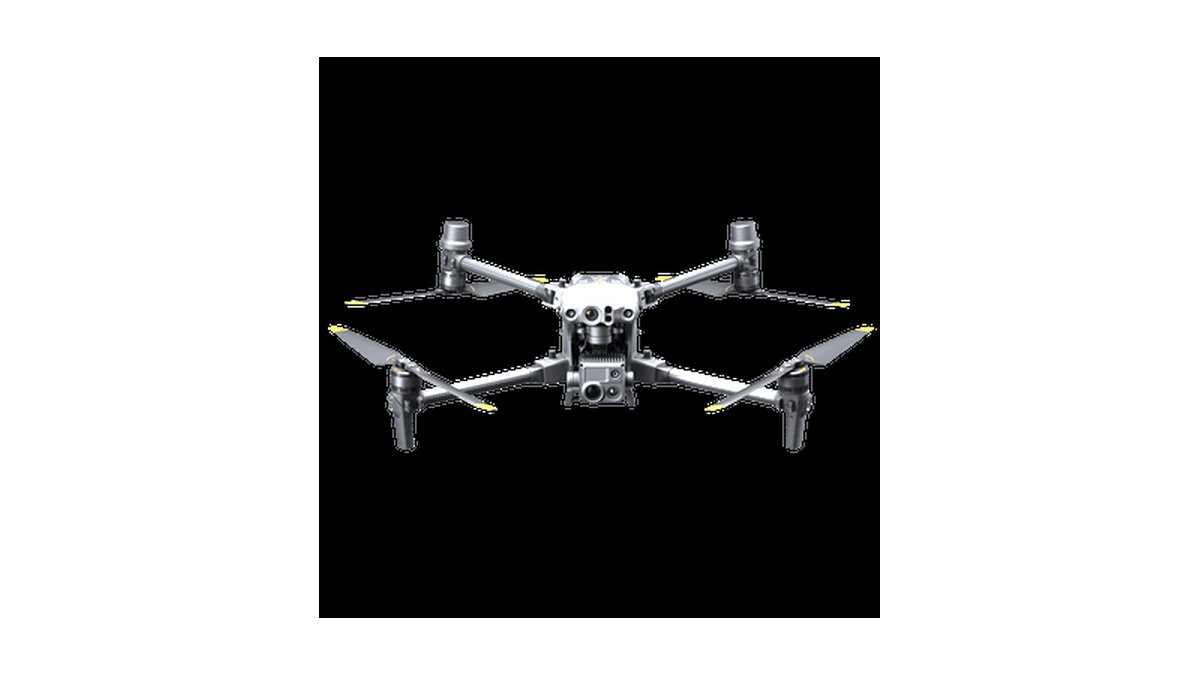
Field teams who need to launch a mapping, inspection, or public-safety flight within minutes of arriving on site should prioritize a foldable enterprise drone with a fast boot sequence and a rugged case, while organizations running longer survey missions over large areas may be better served by a larger fixed-arm platform with longer flight time even though it folds down less compactly. The right choice balances pack-down size against payload, sensor options, and how quickly the unit can go from case to airborne.
As an Amazon Associate, we earn from qualifying purchases made through links on this page.
What “rapid field deployment” actually requires
For teams responding to incidents, inspecting infrastructure, or mapping a site on short notice, the deployment-speed factors that matter most are a foldable arm design that locks into flight position in seconds, a controller and drone pairing that doesn’t require lengthy calibration each time, and a battery and charging setup that lets the crew swap in a fresh pack rather than wait through a full recharge. Reviewers covering commercial and public-safety drone use consistently flag startup time, not just flight time, as a practical differentiator between platforms marketed for rapid response versus general survey work.
Case design matters more for this use case than for recreational drones. A hard case sized to carry the folded drone, spare batteries, and the controller as one unit lets a single operator move fast between the vehicle and the launch point, and several enterprise platforms are sold with a maker-designed case specifically built around that workflow.
Payload and sensor options
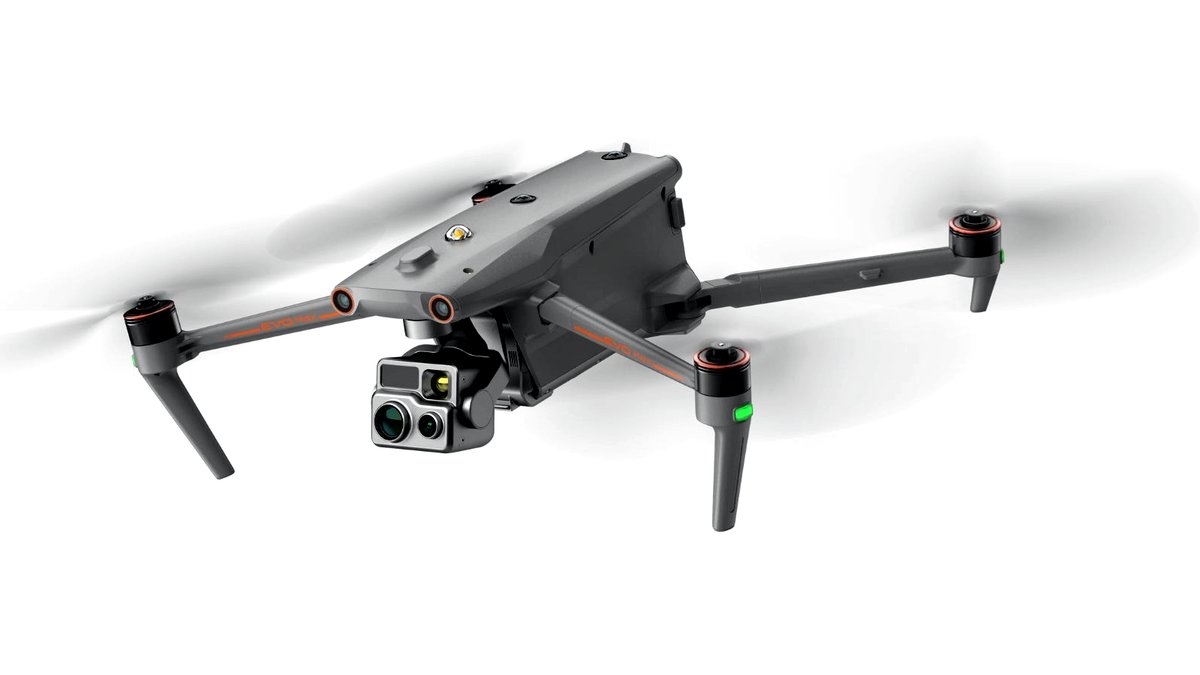
Enterprise foldable drones commonly support interchangeable or dual-sensor payloads: a standard RGB camera for visual inspection and mapping, paired in many current models with a thermal imaging sensor for search-and-rescue, firefighting support, or equipment-overheating checks. Makers of thermal-equipped models generally state the thermal sensor’s resolution and temperature measurement range separately from the visual camera’s resolution, and these two specs matter for different jobs, so it’s worth checking both rather than assuming a high-resolution visual camera implies strong thermal performance. Some platforms also support add-on modules like spotlights, speakers for public announcements, or precision RTK/GPS modules for survey-grade mapping accuracy; these are typically sold separately from the base drone and controller bundle.
Flight time, range, and weather tolerance
Stated flight time for enterprise foldable drones generally falls in a range makers describe as roughly 30 to 45 minutes per battery under ideal conditions, with real-world time usually shorter once wind, cold temperatures, or a heavier sensor payload are factored in. Transmission range figures published by makers (often several miles in open, interference-free conditions) matter most for linear infrastructure inspection like pipelines or power lines, while most incident-response and site-mapping work happens well within that range. Wind resistance and an IP-rated weather sealing figure, when a maker states one, are worth checking for teams who need to fly in light rain or higher wind rather than waiting for ideal conditions, since enterprise-grade bodies vary noticeably in stated wind tolerance.
Software, data handling, and compliance
Most enterprise drone programs run on top of a flight-planning and data-management app from the drone maker or a third party, which handles mission planning (grid mapping patterns, waypoint flights, orbit modes around a structure) and offloads captured imagery for later processing in mapping or inspection software. Organizations operating under aviation regulations should confirm the platform’s weight class and remote-ID compliance status with current local rules before deployment, since drone weight classes affect licensing and operating requirements in many jurisdictions, and those rules have continued to evolve.
| Platform tier | Best for | Key stated traits | Limits |
|---|---|---|---|
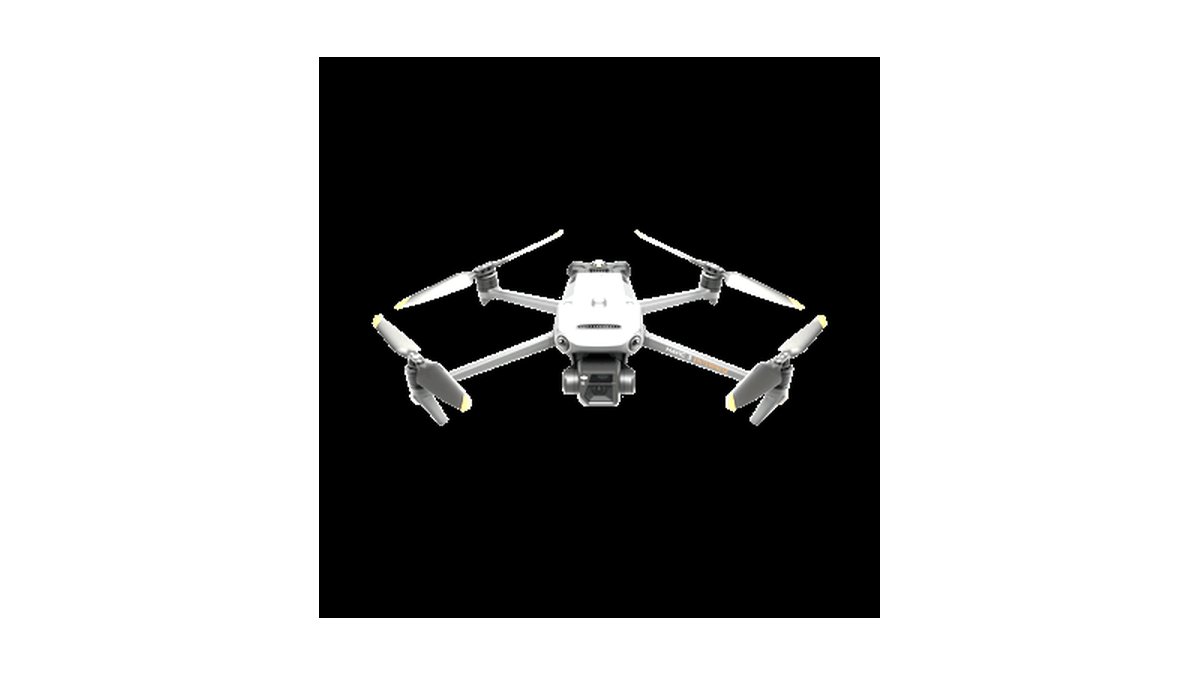
| Compact foldable enterprise drone | Fast single-operator deployment for inspection and incident response | Small folded footprint, quick-release battery, dual RGB/thermal payload options on many models | Shorter stated flight time and smaller sensor options than larger platforms |
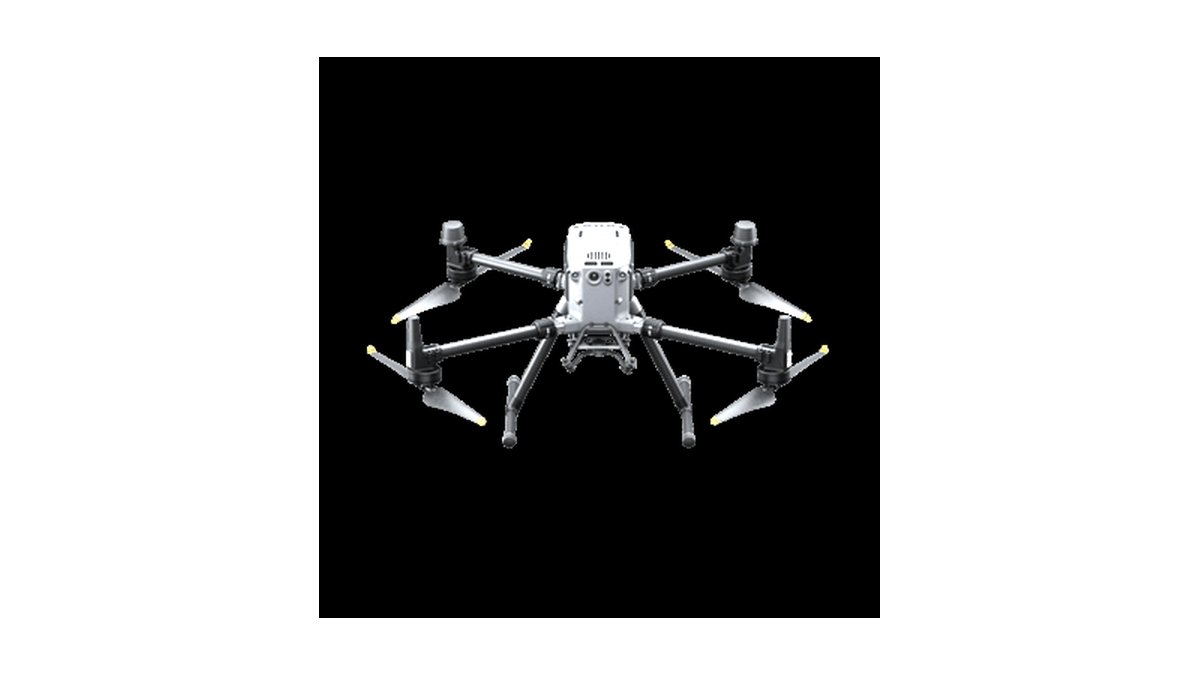
| Mid-size foldable enterprise drone | Mapping, surveying, and search-and-rescue over moderate areas | Longer flight time, stronger wind tolerance, modular payload bays | Larger case and heavier kit to carry |
| Heavy-lift foldable platform | Payload-heavy jobs like delivery testing, spraying, or large sensor packages | Highest stated payload capacity, often supports RTK modules | Longest setup time among foldable options; largest case |
| Rugged public-safety-focused drone | Fire, police, and search-and-rescue teams needing night and thermal capability | Bright spotlight and loudspeaker add-ons on some models, strong thermal sensor options | Premium pricing tier; add-on modules often sold separately |
Pick this if…
| If you… | Choose |
|---|---|
| Need the fastest case-to-air time for one operator | A compact foldable enterprise drone with a quick-lock arm design |
| Map large sites or long linear infrastructure | A mid-size or heavy-lift platform with longer stated flight time and range |
| Run search-and-rescue or firefighting support missions | A rugged platform with thermal imaging and, ideally, spotlight or speaker add-ons |
| Need survey-grade mapping accuracy | A platform that supports an RTK or precision GPS module |
| Fly mostly indoors or in tight spaces | A smaller drone with strong obstacle sensing rather than the largest payload platform |
Alternatives worth considering
A fixed-arm (non-folding) enterprise drone trades packed-down portability for a more rigid airframe, which some operators prefer for consistent flight characteristics across missions, though it takes more space to transport and store. A tethered drone system, powered continuously through a ground cable, gives up mobility and range entirely but offers effectively unlimited flight time for fixed-point monitoring tasks like a stationary security post. For teams on a tighter budget or doing lighter inspection work, a prosumer-grade foldable drone with a single high-resolution camera can cover basic visual inspection needs at a lower cost tier, though it typically lacks the thermal, payload, and ruggedness options of true enterprise platforms.
Training, redundancy, and fleet management
Organizations running more than one drone commonly adopt a fleet-management platform that tracks battery cycles, flight logs, and maintenance status across every unit, which matters most for teams flying regularly rather than occasionally. Keeping two or more identical platforms in rotation, rather than a single unit, gives a backup if one drone is down for maintenance or a battery fails, and several enterprise programs build this redundancy into their standard field kit from the start. Regular practice flights on the exact deployment routine, not just general flight skill, is what most consistently shortens real-world setup time according to teams who train this way.
Frequently Asked Questions
How fast can a foldable enterprise drone actually be deployed in the field?
This varies by platform, but several current enterprise models are marketed around unfolding and powering up within roughly a minute or two once the case is opened, with the full checklist (battery insertion, controller pairing, GPS lock) adding a few more minutes. Teams training regularly on the same platform typically get faster than the stated baseline through practiced routine.
Do I need thermal imaging, or is a standard camera enough?
It depends entirely on the mission. Search-and-rescue, firefighting support, and equipment-overheating inspections benefit significantly from thermal sensing, while general site mapping, real estate, or visual infrastructure inspection can often be handled well with a high-resolution standard camera alone.
What flight time should I expect in real conditions?
Maker-stated flight times are measured under close-to-ideal conditions, so real-world time is typically shorter, especially in cold weather, high wind, or with a heavier payload attached. Many operations teams plan around carrying multiple charged batteries rather than relying on a single long flight.
Are there legal restrictions on flying enterprise drones for incident response?
Yes, and they vary by country and sometimes by region within a country, covering weight classes, remote identification requirements, and airspace authorization near airports or restricted zones. Organizations should confirm the latest aviation authority rules for their jurisdiction and the specific drone’s weight class before deploying it operationally.
Can these drones fly in rain or strong wind?
Some enterprise platforms publish an IP rating or stated wind-resistance figure, and those vary meaningfully between models, so it’s worth checking the specific figure rather than assuming all “enterprise-grade” drones handle weather equally. Even weather-rated platforms typically have maker-recommended limits that crews should follow rather than exceed.
How much training does an operator need before field deployment?
Beyond any required local licensing (such as a commercial remote pilot certificate in jurisdictions that require one), most organizations run their own internal checklist and practice-flight program before trusting a new operator with live incident response. Familiarity with the specific platform’s folding, battery-swap, and mission-planning software meaningfully speeds up real deployments.