Key takeaways
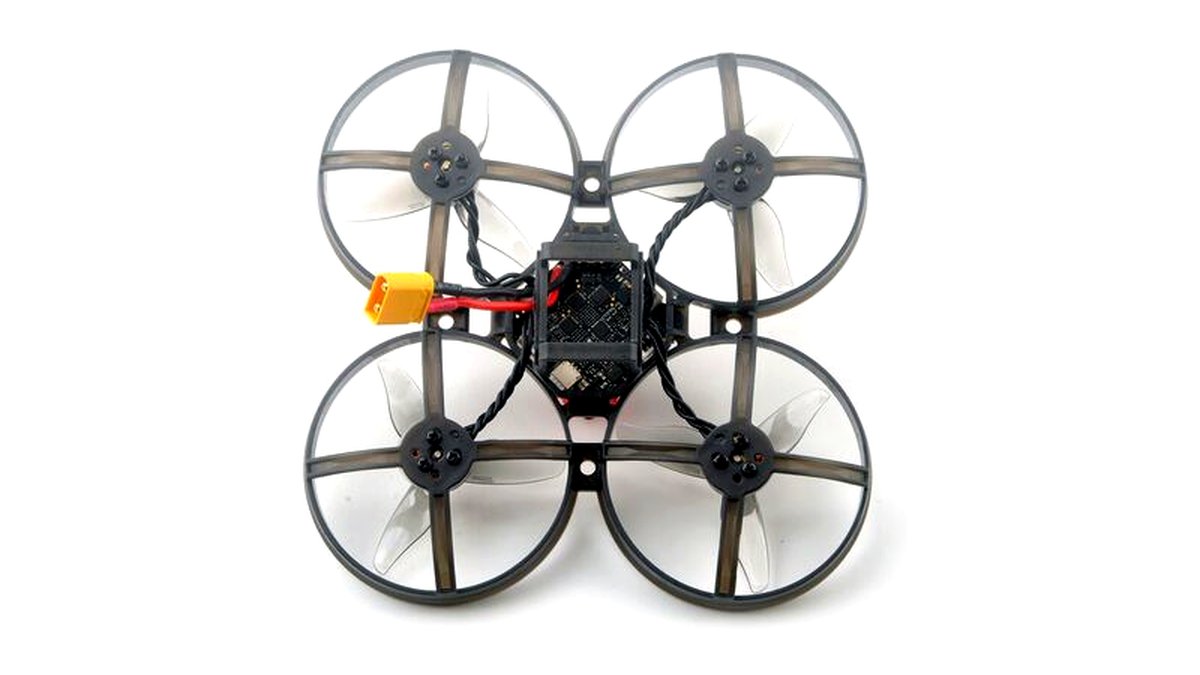
- Prop guards: included on nearly all beginner-oriented micro drones, prop guards protect both the propellers and nearby objects (and fingers) during the inevitable early crashes.
- Goggle type: entry bundles often include box-style goggles with a built-in screen rather than higher-end goggles with separate high-resolution displays; the difference mainly affects image clarity and field of view, not basic flyability.
- Flight modes: many beginner micro drones include a stabilized or “angle” flight mode that self-levels the drone, which is far easier to learn than full acrobatic (“acro”) mode and is where most new pilots should start.
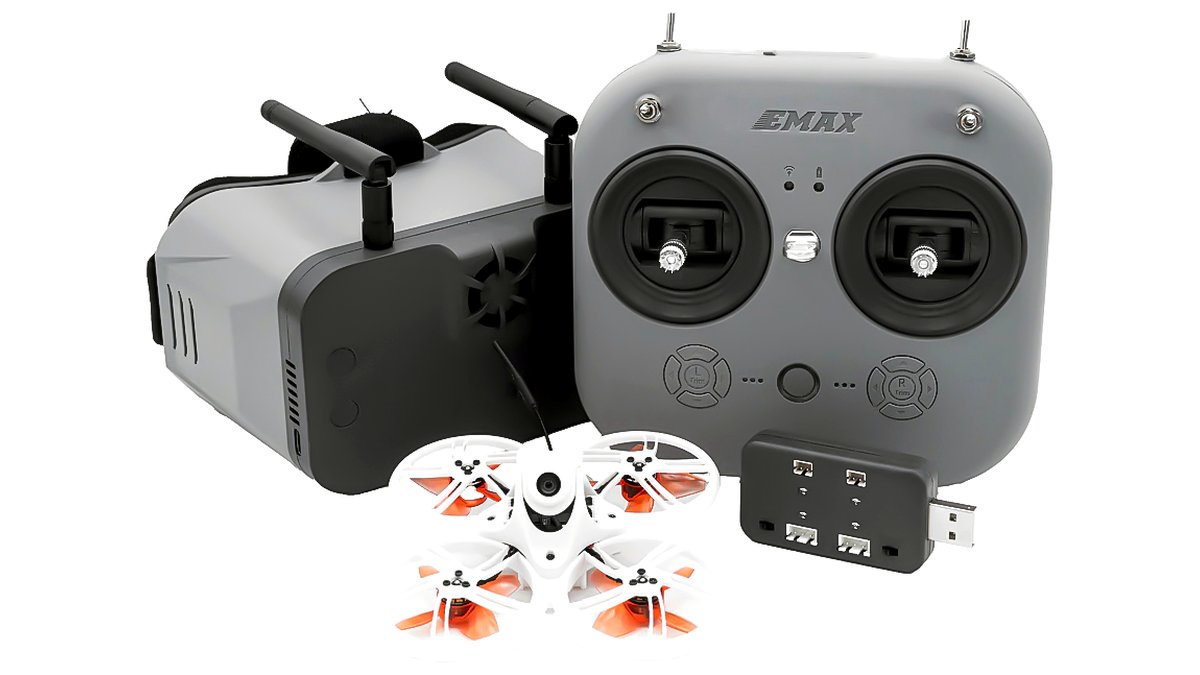
Choose a ready-to-fly micro FPV drone bundled with goggles and a controller for a true beginner who has never flown FPV, a lightweight “whoop”-style micro drone with prop guards for practicing indoors without destroying furniture, and a toothpick-class micro drone for an intermediate pilot who wants quicker, more acrobatic flight after mastering the basics. Micro FPV drones trade raw speed and range for small size, low cost of crashes, and the ability to fly indoors, which is exactly why beginners are steered toward this category over full-size FPV drones.
As an Amazon Associate, we earn from qualifying purchases made through links on this page.
What Makes a Drone a “Micro FPV” Drone
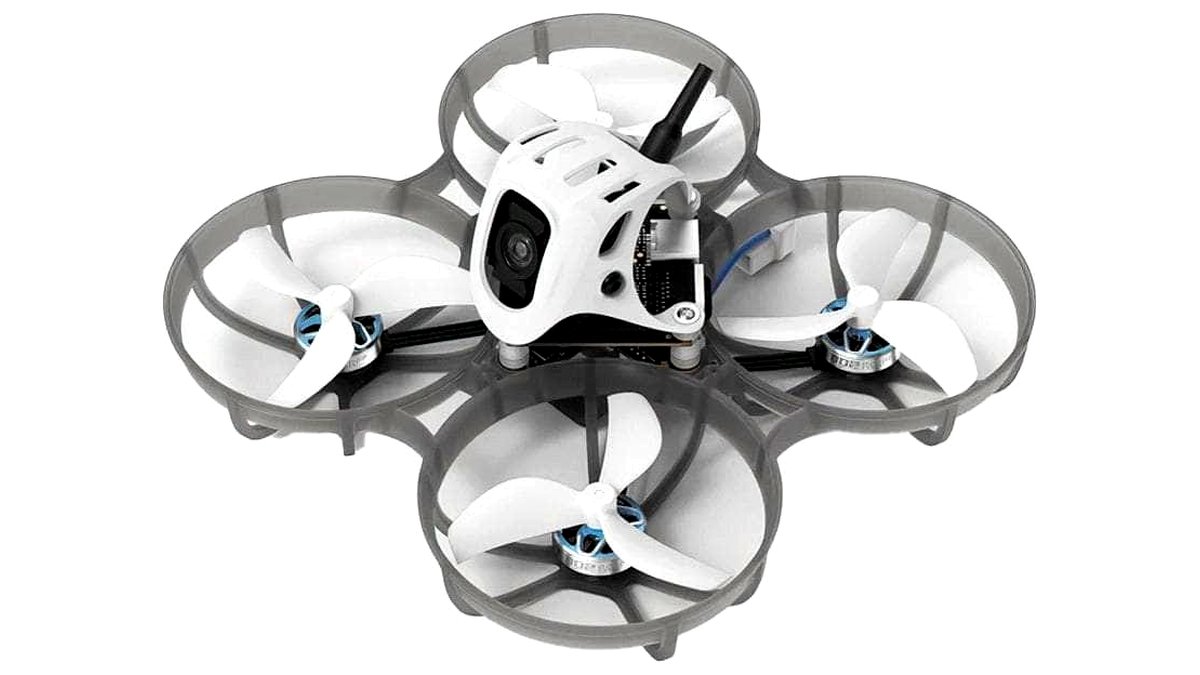
Micro FPV drones generally weigh well under 100 grams, often in the 20-35 gram range for the smallest “whoop” style models, which keeps them light enough to fly safely indoors and reduces the damage from the frequent crashes that come with learning FPV flight. Reviewers on FPV-focused outlets and community sites like Oscar Liang’s blog consistently recommend this weight class specifically for its forgiving crash tolerance and because many jurisdictions treat sub-250-gram drones differently under drone registration rules, though pilots should still confirm current local regulations themselves rather than relying on weight alone.
Beginner Ready-to-Fly Bundles
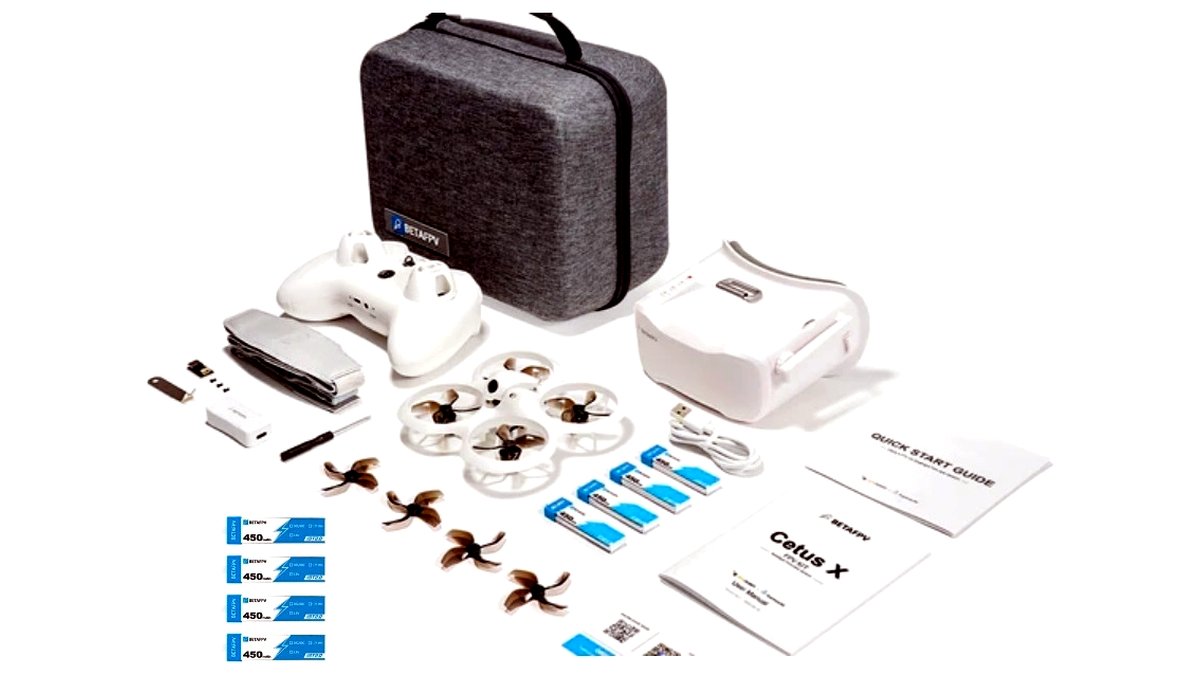
A ready-to-fly (RTF) bundle includes the drone, a compatible FPV headset or goggles, and a controller already paired and configured, removing the setup complexity that trips up many first-time FPV pilots. Brands like BetaFPV and HappyModel are commonly cited by reviewers as accessible entry points in this category.
- Prop guards: included on nearly all beginner-oriented micro drones, prop guards protect both the propellers and nearby objects (and fingers) during the inevitable early crashes.
- Goggle type: entry bundles often include box-style goggles with a built-in screen rather than higher-end goggles with separate high-resolution displays; the difference mainly affects image clarity and field of view, not basic flyability.
- Flight modes: many beginner micro drones include a stabilized or “angle” flight mode that self-levels the drone, which is far easier to learn than full acrobatic (“acro”) mode and is where most new pilots should start.
Toothpick-Class and Intermediate Micro Drones
Toothpick-class drones use a slimmer, more exposed frame design than whoop-style drones, trading some crash protection for better performance and faster acceleration, making them a common step up once a pilot has basic control down. These are usually sold as a standalone drone that needs a separately purchased or already-owned controller and goggles, rather than a full bundle.
- Motor and battery size: intermediate micro drones typically use slightly larger motors and higher-capacity batteries than true beginner whoops, giving noticeably punchier acceleration at the cost of some of that beginner-level crash forgiveness.
- Digital vs. analog FPV systems: digital FPV systems (such as DJI’s goggle ecosystem) offer sharper video than traditional analog systems but at a higher price and sometimes added latency considerations that experienced acro pilots weigh carefully.
- Frame repairability: toothpick frames are generally easier and cheaper to repair piece-by-piece after a crash than fully enclosed whoop frames, which matters once a pilot starts pushing limits and crashing more.
At a Glance
| Drone Type | Best For | Key Stated Specs | Limits |
|---|---|---|---|
| Whoop-style RTF bundle | First-time FPV pilots, indoor practice | Under ~35g, full prop guards, includes goggles/controller | Lower top speed; mostly indoor/calm-weather use |
| Toothpick-class micro drone | Intermediate pilots wanting more performance | Lighter exposed frame, faster acceleration | Less crash protection; usually needs separate gear |
| Analog FPV micro drone | Budget-conscious pilots, racing practice | Lower-cost video system, widely compatible goggles | Lower video resolution than digital systems |
| Digital FPV micro drone | Pilots wanting sharper video feed | Higher-resolution digital video link | Higher price; fewer compatible goggle options |
| Camera-equipped “tiny whoop” for casual flying | Fun indoor flying, light photography | Onboard camera for recording, simple controls | Lower performance than racing-focused micro drones |
Pick X If…
| Situation | Recommended Pick |
|---|---|
| You’ve never flown FPV before and want everything in one box | A whoop-style ready-to-fly bundle with goggles and controller |
| You mainly plan to fly indoors around furniture and people | A fully prop-guarded whoop-style micro drone |
| You’ve learned the basics and want quicker, sharper flight | A toothpick-class micro drone |
| You already own FPV goggles and a controller from another hobby | A standalone micro drone compatible with your existing gear’s video system |
| Video image quality matters more than budget | A digital FPV micro drone over an analog one |
Fit and Compatibility Notes
Check whether a drone is sold “ready to fly” (includes goggles and controller) or “bind and fly” (drone only, needs separately owned compatible gear), since the two terms get confused by new buyers and lead to receiving a drone with no way to control it. Confirm the goggle and controller protocol compatibility if buying components separately; not every micro drone’s receiver works with every controller brand without an added receiver module. Battery connector type also varies between product lines, so spare batteries need to match the specific drone’s connector, not just its voltage and capacity.
Alternatives Worth Considering
- Simulator-first approach: many experienced FPV pilots and reviewers recommend practicing on a flight simulator before ever crashing a real drone, since simulator time builds stick skills at zero repair cost.
- Standard camera drone (non-FPV, GPS-stabilized): for someone who wants aerial photos and video without learning manual FPV flight, a GPS-stabilized camera drone with a stabilized gimbal is a very different and generally easier-to-fly category.
- Full-size (5-inch) FPV drone: once a pilot has outgrown micro drones, a larger 5-inch-class FPV drone offers more speed and range but loses the indoor-friendly size and low-stakes crashing that make micro drones a good starting point.
Getting Started Safely
Most pilots new to the hobby benefit from starting in an open indoor room with soft furnishings nearby rather than a cluttered space full of breakables, since early flights almost always involve unexpected drifting and overcorrection. Keeping flights low and slow initially, and resisting the urge to switch out of a stabilized flight mode too soon, helps build muscle memory before attempting faster or more acrobatic maneuvers. Many community guides also recommend starting with the included default settings rather than tweaking rates and PID values immediately, since an inexperienced pilot can’t yet tell whether a crash came from a setting change or a flying mistake.
Building a Spare Parts Kit
Because crashes are routine in FPV flying, keeping a small stock of spare propellers, at least one extra battery, and a couple of basic replacement frame arms on hand prevents a single crash from ending a flying session early. Reviewers and hobbyist guides note that buying spares at the same time as the drone itself is usually more convenient than ordering them later once something breaks mid-session. Batteries in particular degrade with repeated charge cycles, so having more than one in rotation also extends the useful flying time of a single outing.
Frequently Asked Questions
Do I need a license to fly a micro FPV drone?
Requirements vary by country and depend on factors like drone weight and where it’s flown; many jurisdictions have lighter rules for drones under a certain weight threshold, often around 250 grams, which covers most micro FPV drones. Pilots should check their own country’s current aviation authority guidance rather than assuming micro size alone exempts them from all rules.
How much does it cost to repair a micro FPV drone after a crash?
Individual replacement parts like propellers, motors, and frame arms are generally inexpensive and widely available for popular micro drone models, and whoop-style frames in particular are designed to survive most low-speed indoor crashes without damage. Toothpick-class drones with more exposed frames tend to need part replacement more often as pilots push faster flying.
Can I fly a micro FPV drone indoors safely?
Whoop-style micro drones with full prop guards are specifically designed for indoor flying and are the safest category for flying around people, pets, and furniture at low speed. Larger or guard-less micro drones carry more risk indoors due to exposed propellers and less predictable low-speed handling.
What’s the difference between analog and digital FPV video for a beginner?
Analog FPV systems transmit a lower-resolution video signal but are generally cheaper and have been the hobby standard for longer, meaning more compatible, affordable goggles are available. Digital FPV systems provide a noticeably sharper image but at a higher cost and with a narrower range of compatible goggles.
How long does the battery last on a typical micro FPV drone?
Flight time on micro FPV drones is short compared to camera drones, commonly in the range the maker lists as a few minutes per battery, since small batteries and aggressive flying drain power quickly. Most pilots buy several spare batteries to extend a single flying session rather than expecting one battery to last long.
Is it normal to crash a lot when learning FPV flight?
Yes, frequent crashing is a normal and expected part of learning FPV flight, which is exactly why micro drones with prop guards are recommended for beginners over larger, more expensive drones. Starting in a stabilized flight mode and practicing in an open indoor space or simulator before attempting acrobatic flight reduces both crash frequency and part replacement costs.