Key takeaways
- A wide, stable sit-on-top tandem suits anglers who want to fish together comfortably and occasionally paddle solo, while a longer, narrower tandem suits paddlers who prioritize covering distance and tracking a straight line between fishing spots; which one fits depends…
A wide, stable sit-on-top tandem suits anglers who want to fish together comfortably and occasionally paddle solo, while a longer, narrower tandem suits paddlers who prioritize covering distance and tracking a straight line between fishing spots; which one fits depends on whether stability or speed matters more on the water being fished.
As an Amazon Associate, we earn from qualifying purchases made through links on this page.
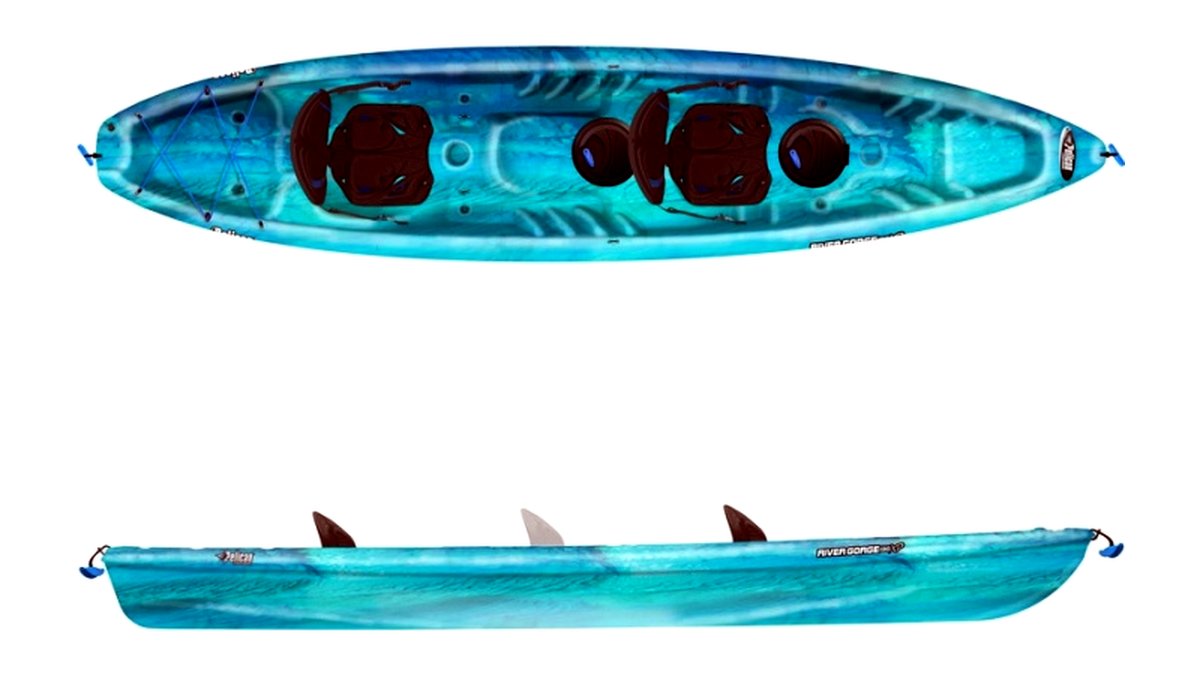
Tandem fishing kayaks are built to carry two anglers plus gear, which means hull width, weight capacity, and seat placement matter more than they do on a solo kayak. This guide breaks down what to compare and which hull style suits different fishing styles, lakes, and budgets.
Hull Width and Stability
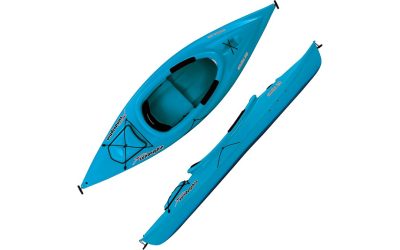
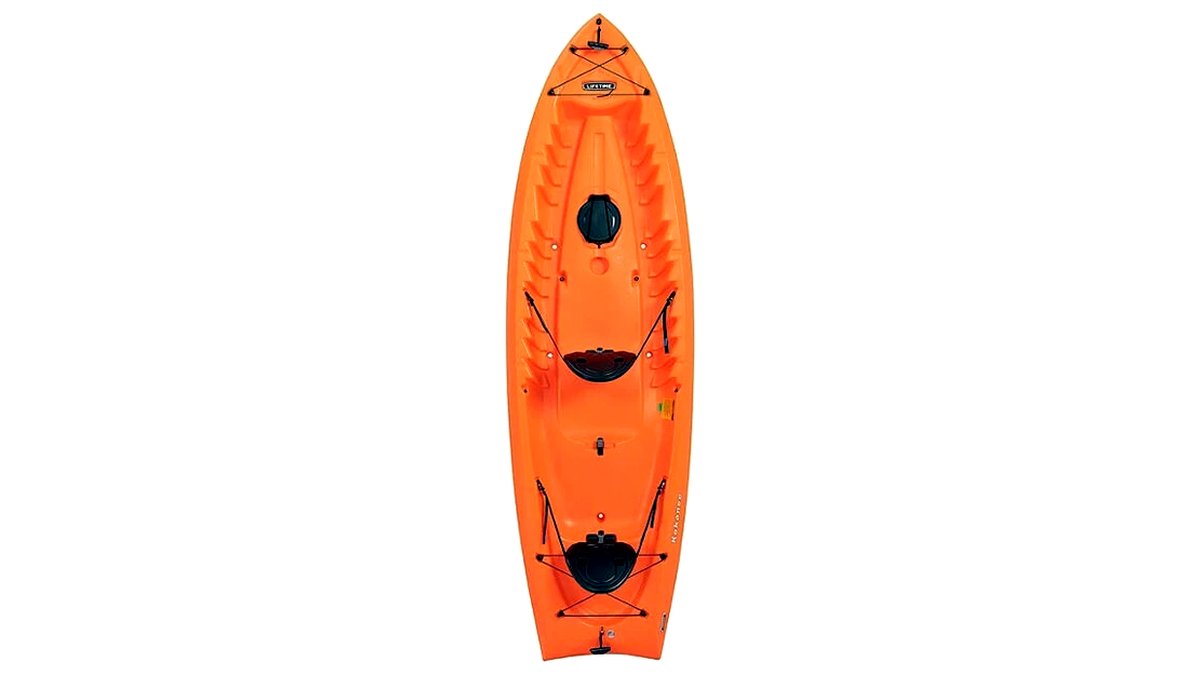
Most dedicated tandem fishing kayaks use a wide, flat-bottomed hull (commonly in the 34-40 inch width range as makers list it) to give both anglers a stable platform for casting and even standing in calmer water. Wider hulls sit higher and more stable at rest but generally paddle slower and are harder to move in wind compared to narrower touring-style hulls. Anglers who plan to fish from a standing position, or who want a stable platform for a child or beginner passenger, should prioritize hulls makers describe as stable or stand-up capable.
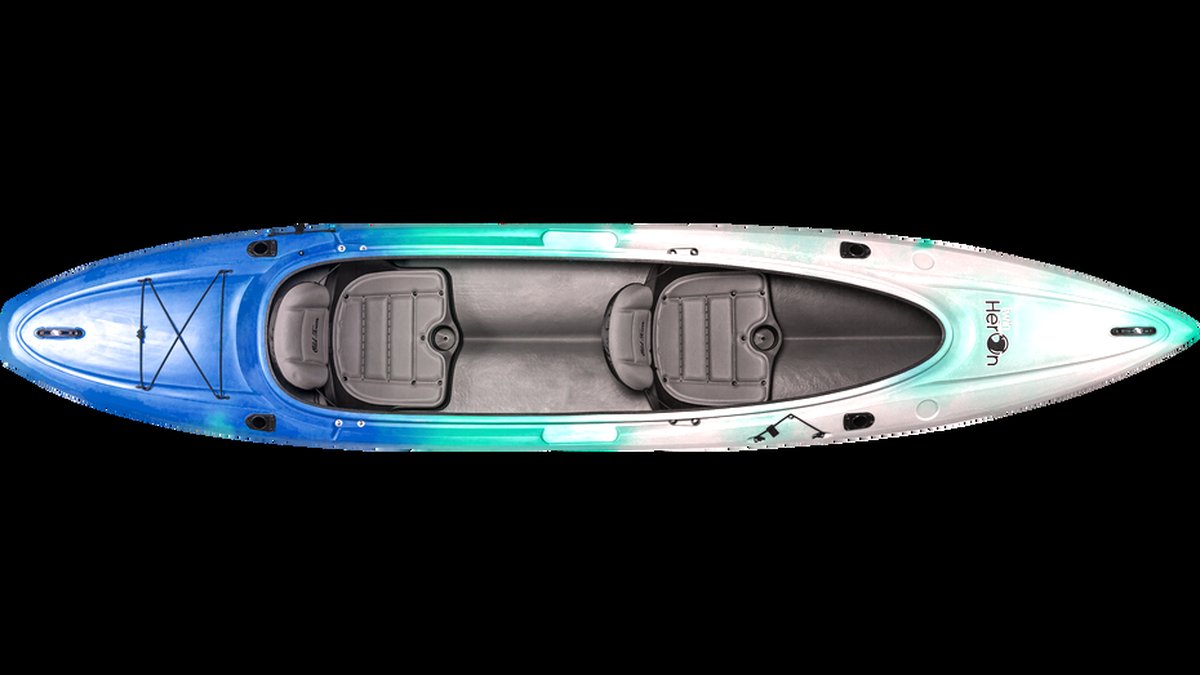
Narrower tandem kayaks trade some stability for better tracking and glide, which matters on larger lakes or when covering long distances between fishing spots. These hulls are less forgiving for standing but easier to paddle for extended periods, so paddlers who fish big water or troll over long stretches often prefer this style.
Weight Capacity and Gear Storage
Weight capacity needs to cover both anglers, their gear, and a safety margin; makers typically list a maximum capacity, and staying meaningfully under that number (not right at the limit) keeps the kayak sitting at a safe, stable waterline. Two average adult anglers with rods, tackle, a cooler, and a trolling motor battery can add up quickly, so capacity should be checked against the actual expected load rather than just body weight.
Storage layout varies: some tandem kayaks place a single large tank well at the rear for a cooler or crate, while others add a second smaller well at the bow. Rod holders (flush-mounted or clip-on), accessory tracks for mounting fish finders or rod holders, and bungee-covered dry storage are common features that differ meaningfully between models and are worth comparing against how much gear a given trip actually requires.
At a Glance
| Kayak Type | Best For | Key Stated Specs | Limits |
|---|---|---|---|
| Wide sit-on-top tandem | Calm lakes, two anglers who want to cast or stand | 34-40 in width, high weight capacity, multiple tank wells | Slower paddling, harder to move in wind or current |
| Narrower touring-style tandem | Big lakes, long paddles between spots | Longer length, narrower beam, better tracking | Less stable for standing; less beginner-friendly |
| Modular convertible (1-to-2 person) | Paddlers who sometimes fish solo, sometimes with a partner | Removable center seat, adjustable seating positions | Heavier than fixed tandem hulls; more moving parts |
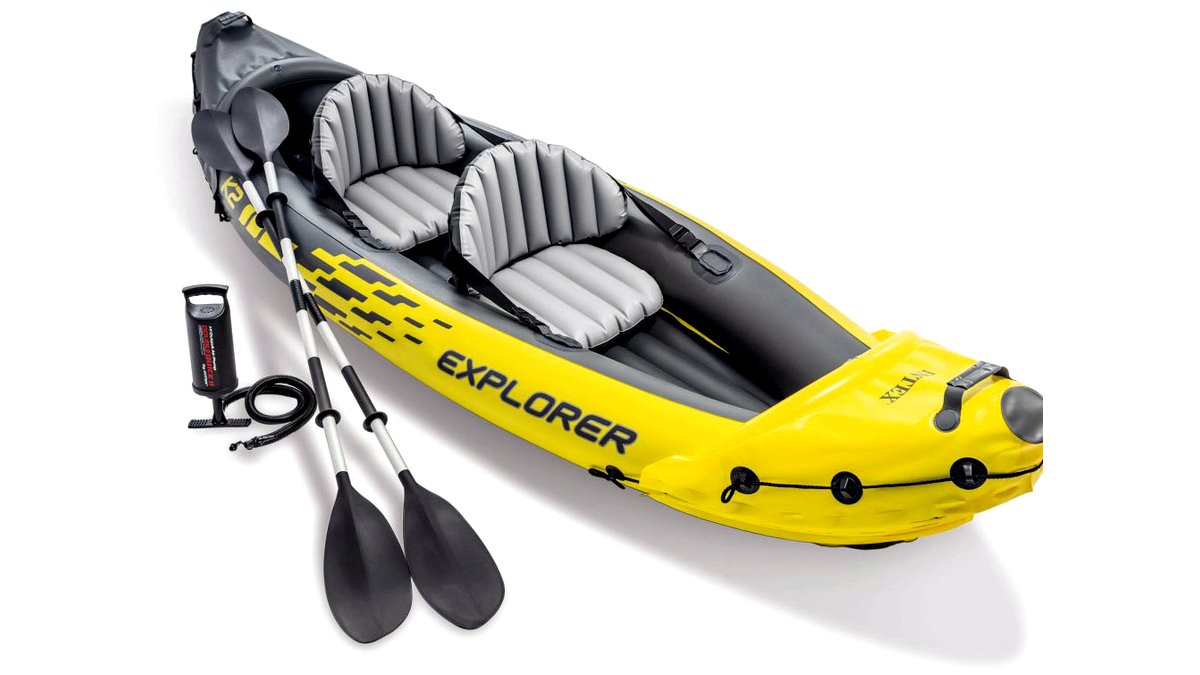
| Inflatable tandem | Storage-limited paddlers, car-top transport without a rack | Multi-chamber PVC or similar, foot pump included by most makers | Lower top speed; punctures possible on rocky or sharp terrain |
Seating, Pedal Drives, and Solo Use
Seat placement affects balance: tandems with adjustable or removable center seating let a single paddler shift the seat forward or add a middle seat, which is useful for anglers who fish solo most of the time but occasionally bring a partner or child. Elevated, breathable seats with back support reduce fatigue on longer trips compared to the lower bucket-style seats on entry-level models.
Some tandem fishing kayaks are available in pedal-drive versions, where one or both anglers use a pedal-and-fin or pedal-and-prop system instead of paddling, freeing the hands for casting while moving. Pedal-drive tandems cost more and weigh more than paddle-only versions, and the drive unit needs periodic maintenance, so this upgrade suits anglers who fish often enough to justify it.
Pick This If…
| Angler Situation | Recommended Type |
|---|---|
| Fishing mostly calm ponds or small lakes with a partner | Wide sit-on-top tandem |
| Covering long distances on open or windy water | Narrower touring-style tandem |
| Switching between solo and two-person trips | Modular convertible tandem |
| Limited storage space or no roof rack | Inflatable tandem |
| Wants hands-free movement while casting | Pedal-drive tandem (budget allowing) |
Transport and Weight
Tandem kayaks are long and heavy, often 120-200+ pounds depending on construction, which makes a two-person lift or a kayak cart worth planning for before buying. Roof racks need to be rated for the kayak’s actual weight, and many anglers add foam blocks or a dedicated kayak carrier rather than relying on factory roof rails alone. Inflatable tandems solve the transport and storage problem but add setup and breakdown time at the water, which matters for anglers who want to launch quickly.
Alternatives Worth Considering
Two solo fishing kayaks paired together give each angler full control of their own boat and can be a better fit for anglers who fish somewhat independently even on the same trip, though this doubles the vehicle transport and storage needs. A small jon boat or pontoon-style fishing boat is another option for anglers who want more stability and storage than any kayak offers, at the cost of needing a trailer or larger vehicle. For anglers unsure whether tandem fishing suits their style, renting a tandem kayak for a trip or two before buying is a reasonable way to confirm fit.
Frequently Asked Questions
Can one person paddle a tandem fishing kayak alone?
Yes, though it is noticeably less efficient than paddling a solo kayak, especially on wider hulls designed primarily for stability. Tandems with a movable or removable center seat make solo paddling easier by letting the lone paddler sit closer to the kayak’s center for better balance and tracking.
How much weight capacity do I actually need?
Add the combined weight of both anglers, their gear, tackle, a cooler, and any trolling motor or battery, then compare that total against the kayak’s maximum stated capacity with a meaningful safety margin, generally staying well under the listed maximum rather than near it. Loading a kayak close to its limit reduces freeboard and stability, which becomes more noticeable in wind or waves.
Are inflatable tandem fishing kayaks durable enough for regular use?
Many inflatable kayaks use multi-layer, puncture-resistant PVC or similar material that makers describe as suitable for regular use in typical lake and river conditions, though sharp rocks, oyster beds, or debris-heavy water increase puncture risk compared to hard-shell hulls. A repair kit is commonly included, and most punctures in calm fishing use are repairable rather than trip-ending.
What’s the difference between a pedal-drive and a paddle-only tandem?
A pedal-drive tandem uses a mechanical drive (fins or a small propeller) powered by pedaling, which frees the angler’s hands for casting while still moving the kayak, while a paddle-only tandem relies entirely on manual paddling. Pedal-drive versions cost more, weigh more, and need occasional drive maintenance, but many anglers find the hands-free movement worth the tradeoff for serious fishing trips.
Do tandem fishing kayaks work well for standing to cast?
Some wider, flat-hulled tandems are described by makers as stable enough for standing, generally in calm water and when weight is distributed evenly, but this varies significantly between models and is not a universal feature. Anglers who specifically want to stand and cast should look for kayaks the maker explicitly markets as stand-up stable rather than assuming any wide tandem will support it safely.
How do I transport a tandem kayak without a truck or large SUV?
A roof rack rated for the kayak’s weight, foam blocks, and proper tie-down straps let many sedans and smaller SUVs carry a tandem kayak, though the kayak’s length and weight should be checked against the vehicle and rack’s stated limits first. Inflatable tandem kayaks avoid this issue entirely since they deflate to fit in a trunk or small storage space, at the cost of setup time at the launch point.