Key takeaways
- Someone replacing a battery on a travel or folding mobility scooter generally wants the lightest lithium-ion pack that matches their scooter’s voltage and connector, while someone shopping for a new scooter specifically because of its lithium-ion battery is usually prioritizing…
Someone replacing a battery on a travel or folding mobility scooter generally wants the lightest lithium-ion pack that matches their scooter’s voltage and connector, while someone shopping for a new scooter specifically because of its lithium-ion battery is usually prioritizing range and the ability to fly with it on commercial airlines. Either way, matching voltage, capacity, and connector type to the specific scooter model is the first and most important step, and any electrical work beyond plugging in a matched replacement pack should follow the manufacturer’s manual or be handled by a qualified technician.
As an Amazon Associate, we earn from qualifying purchases made through links on this page.
Why Lithium-Ion Matters for Mobility Scooters
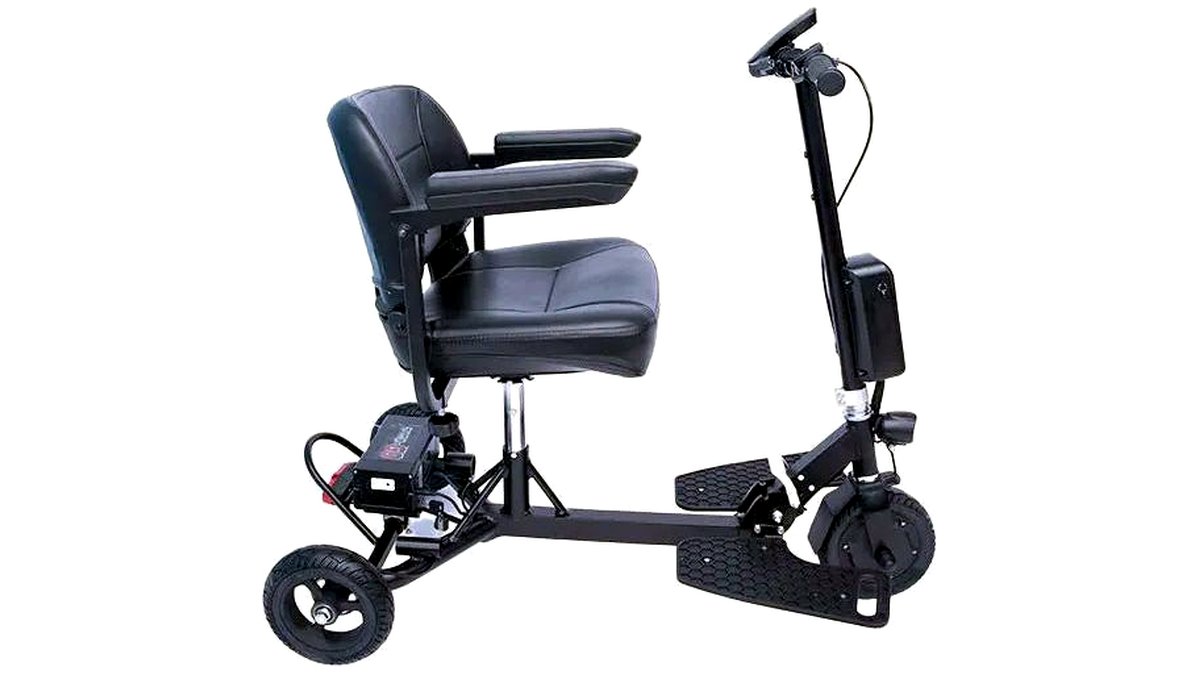
Mobility scooters have traditionally used sealed lead-acid batteries, which are heavy and typically need replacement every one to two years with regular use. Lithium-ion packs are lighter, generally hold a charge longer when not in use, and many scooter makers list a longer total cycle life for lithium packs compared with lead-acid equivalents. This is the main reason travel and lightweight folding scooters have shifted toward lithium-ion: the weight savings make a real difference when a scooter needs to be lifted into a car trunk or airline cargo hold.
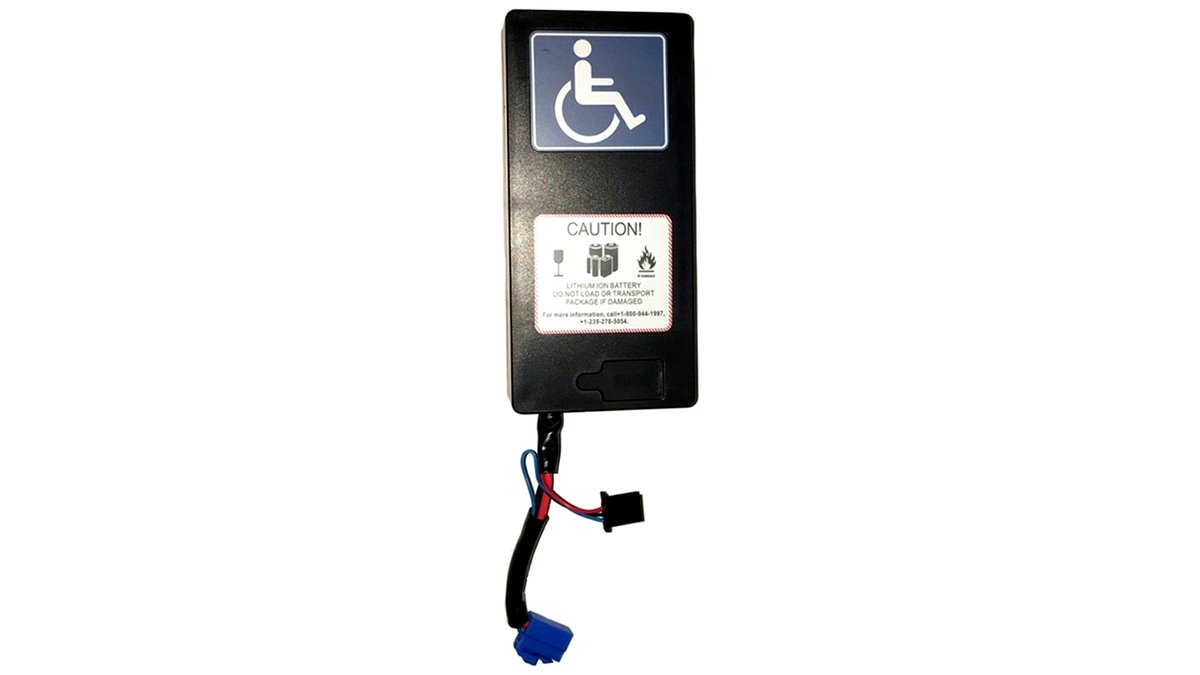
The other major factor is air travel. Airlines generally follow federal aviation guidance limiting carry-on and checked lithium battery packs by watt-hour rating, which is why many lithium-ion mobility scooter batteries are intentionally sized at or under common airline watt-hour thresholds. Travelers should always confirm the specific battery’s watt-hour rating against their airline’s current policy before flying, since rules can vary by carrier.
Replacement Packs vs. New Lithium-Powered Scooters
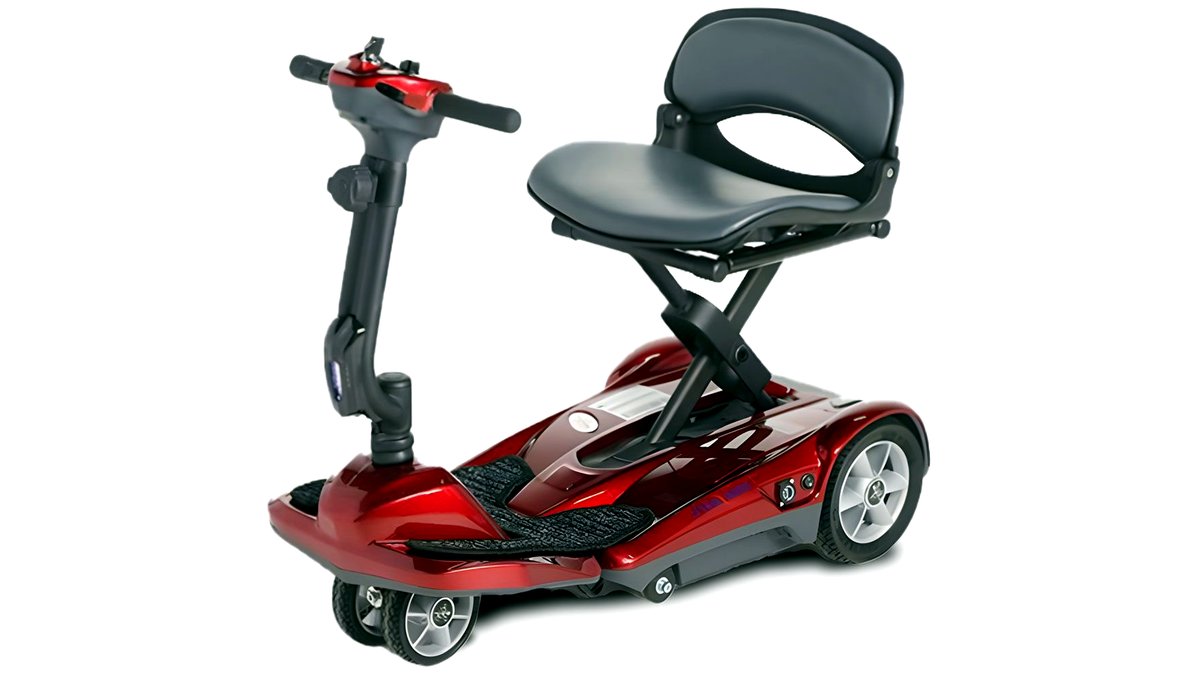
Buyers fall into two groups. The first already owns a scooter and needs a replacement or spare lithium-ion battery pack matched to that model’s voltage (commonly 24V or 36V systems) and connector type. The second is shopping for a new scooter where lithium-ion is a built-in feature, such as travel scooters from Glion, EV Rider, or Drive Medical’s lighter folding models, which the makers market specifically around lithium battery weight savings and often airline-friendly watt-hour ratings.
For the first group, compatibility is everything: a mismatched voltage or connector can prevent charging or, in a worst case, damage the scooter’s electronics. For the second group, the comparison is really between scooter models rather than batteries alone, since the battery is sold as part of the unit.
Battery Management and Safety Features
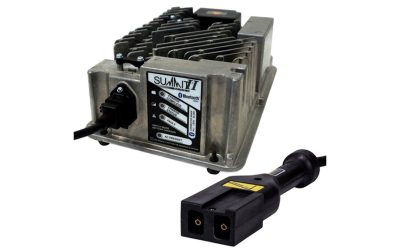
Reputable lithium-ion mobility scooter batteries include a battery management system (BMS) that the maker typically lists as protecting against overcharge, overdischarge, and short circuits. Some manufacturers also state UL or similar third-party safety certification for their lithium packs; buyers who want added assurance should check the specific listing for a stated certification rather than assuming it based on brand alone. Follow the scooter and battery manufacturer’s manual for charging practices, including which charger to use and where to charge and store the battery, since using a non-matched charger is a common cause of battery problems.
At a Glance Comparison
| Option | Best For | Key Stated Specs | Limits |
|---|---|---|---|
| OEM-matched replacement lithium-ion pack | Owners replacing a worn-out battery on an existing scooter | Matched voltage/connector per the scooter maker’s specs; built-in BMS | Must match exact scooter model; wrong pack may not charge or fit |
| Universal/aftermarket lithium-ion pack | Owners whose OEM battery is discontinued | Listed voltage and capacity ranges to match common scooter systems | Compatibility varies; requires careful spec-checking before buying |
| Travel scooter with built-in lithium battery (e.g., Glion, EV Rider lightweight models) | Buyers prioritizing light weight and air travel | Airline-friendly watt-hour ratings per maker’s listing; foldable frame | Smaller battery capacity than full-size mobility scooters |
| Full-size scooter with lithium-ion upgrade option | Buyers wanting lead-acid-level range with lighter weight | Higher-capacity lithium pack option per maker’s spec sheet | Premium cost over standard lead-acid version |
Fit and Compatibility Notes
Always confirm the replacement battery’s voltage matches the scooter exactly (commonly 24V or 36V, built from multiple cells), since the connector shape alone isn’t a reliable guide to electrical compatibility. Check the physical dimensions of the battery compartment, as higher-capacity lithium packs are sometimes a different size than the lead-acid battery they’re replacing. If the scooter is a travel model intended for flights, verify the pack’s watt-hour rating is printed on the battery or stated in the listing, since airline staff may ask to see it at check-in.
Charging Habits That Affect Battery Life
Lithium-ion chemistry responds differently to charging habits than the lead-acid batteries many scooter owners are used to. Manufacturers commonly advise against letting a lithium pack sit fully depleted for extended periods, and several also recommend avoiding leaving the battery on the charger continuously for days at a time once it reaches full charge, since the battery management system handles normal charge cycles but long-term habits still affect overall lifespan. Checking the specific manual for the maker’s recommended charging routine is more reliable than applying general lithium-ion advice from unrelated devices.
Temperature also plays a role in both performance and longevity. Most manufacturers list a recommended operating and charging temperature range, and charging a cold battery that’s just come in from freezing outdoor conditions can reduce charge efficiency or, in some cases, trigger the battery management system’s protective cutoff. Storing a spare or seasonal battery indoors at a moderate temperature, rather than in a garage or shed subject to temperature swings, is a commonly cited way to preserve capacity over the off-season.
Owners who use their scooter daily should also pay attention to the battery’s stated cycle life, generally listed as a number of full charge-discharge cycles before capacity noticeably declines. Partial charges typically count as a fraction of a full cycle, so a battery charged halfway each day will generally outlast one that’s fully depleted and recharged every day, which is useful context when comparing how long a replacement pack is likely to last under a specific usage pattern.
Pick X If… Decision Table
| If you… | Pick |
|---|---|
| Need a direct replacement for an existing scooter | An OEM-matched lithium-ion pack for that exact model |
| Have an older or discontinued scooter with no OEM lithium option | A carefully spec-matched aftermarket lithium pack |
| Fly frequently and want the lightest possible setup | A travel scooter built around an airline-friendly lithium battery |
| Want lead-acid-level range without the weight | A full-size scooter with a lithium-ion upgrade option |
Alternatives Worth Considering
Owners who rarely travel by air and mainly use their scooter at home may find a standard sealed lead-acid replacement battery more cost-effective than switching to lithium-ion, since the weight savings matter less without the travel use case. Buyers unsure about battery compatibility can also contact the scooter manufacturer directly or work through an authorized mobility equipment dealer, who can confirm the exact part number rather than guessing from generic voltage specs. Some owners experiencing frequent battery issues choose to have a mobility equipment technician inspect the scooter’s charging system before buying a new battery, in case the charger or wiring, not the battery, is the underlying problem.
Frequently Asked Questions
Can I use a lead-acid charger with a lithium-ion mobility scooter battery?
No. Chargers are typically matched to a specific battery chemistry, and manufacturers generally warn against mixing charger types. Always use the charger specified in the battery or scooter manual to avoid damaging the battery or creating a safety hazard.
How long do lithium-ion mobility scooter batteries typically last?
Makers commonly list a longer cycle life for lithium-ion packs compared with lead-acid batteries, though actual lifespan depends on charging habits, storage conditions, and usage frequency. Following the manufacturer’s charging and storage guidance in the manual is the best way to maximize battery life.
Are lithium-ion mobility scooter batteries allowed on airplanes?
Many are, provided the watt-hour rating falls within the airline’s stated limits, but policies vary by carrier and can change. Travelers should check the specific airline’s current battery policy and confirm the battery’s watt-hour rating before a trip.
What should I do if my scooter battery gets hot, swells, or smells unusual?
Stop using and charging the battery immediately and move it away from flammable materials and people if safely possible. Contact the manufacturer or a qualified technician, and do not attempt to open, puncture, or continue using a battery showing these warning signs.
How do I know if a replacement battery is truly compatible with my scooter?
Check the battery’s voltage, capacity, and connector type against the scooter manufacturer’s listed specifications or the original battery’s label. When in doubt, contacting the scooter manufacturer or an authorized dealer with the scooter’s model number is the most reliable way to confirm compatibility.
Do I need an electrician to install a replacement lithium-ion scooter battery?
Standard battery swaps on consumer mobility scooters are generally designed for the owner to perform by following the manual, without an electrician. Any issue involving the scooter’s internal wiring, charging port, or electronics beyond a straightforward battery swap should be referred to a qualified technician rather than attempted independently.