Key takeaways
- Material and denier. Heavier-denier nylon or TPU-coated fabric (roughly 300D-500D for main bags, lighter for liners) resists abrasion against rocks, boat hulls, and gravel beaches better than ultralight hiking dry bags.
- Roll-top closure with enough rolls. Three full rolls before buckling is the common standard for a submersible rating; fewer rolls risk leaking under sustained pressure, which matters if a bag ends up underwater during a wet exit.
- Welded or taped seams. Stitched seams need seam tape or they will wick water; welded seams are generally more reliable for repeated submersion.
- Shape for hatch packing. Kayak hatches are oddly shaped (tapered bow and stern compartments), so cylindrical bags in the 10-20 liter range usually pack more efficiently than one giant duffel-style dry bag.
- Purge valve (for compression). Not essential, but a one-way air purge valve lets a stuffed bag compress smaller, useful for sleeping bags and clothing in tight bow/stern compartments.
A kayak camping trip calls for a different dry bag than a day paddle: paddlers heading out for a weekend or longer need a dry bag (or a set of them) that keeps sleeping gear, clothing, and electronics bone-dry through splashes, rain, and the occasional capsize, while still packing into a hatch or lashing onto a deck. Below is a guide to the types of dry bags that fit kayak camping specifically, what separates a reliable one from a flimsy one, and how to size a set for a multi-day trip.
As an Amazon Associate, we earn from qualifying purchases made through links on this page.
What Makes a Dry Bag Good for Kayak Camping
Kayak camping is harsher on gear than casual paddling. Bags get stuffed into hatches, lashed to decks in spray and surf, and used as makeshift seats or pillows at camp. A few traits matter more here than for a simple day-trip dry sack:
- Material and denier. Heavier-denier nylon or TPU-coated fabric (roughly 300D-500D for main bags, lighter for liners) resists abrasion against rocks, boat hulls, and gravel beaches better than ultralight hiking dry bags.
- Roll-top closure with enough rolls. Three full rolls before buckling is the common standard for a submersible rating; fewer rolls risk leaking under sustained pressure, which matters if a bag ends up underwater during a wet exit.
- Welded or taped seams. Stitched seams need seam tape or they will wick water; welded seams are generally more reliable for repeated submersion.
- Shape for hatch packing. Kayak hatches are oddly shaped (tapered bow and stern compartments), so cylindrical bags in the 10-20 liter range usually pack more efficiently than one giant duffel-style dry bag.
- Purge valve (for compression). Not essential, but a one-way air purge valve lets a stuffed bag compress smaller, useful for sleeping bags and clothing in tight bow/stern compartments.
Dry Bag Types and Who They Suit
Lightweight Roll-Top Dry Sacks (5-20L)
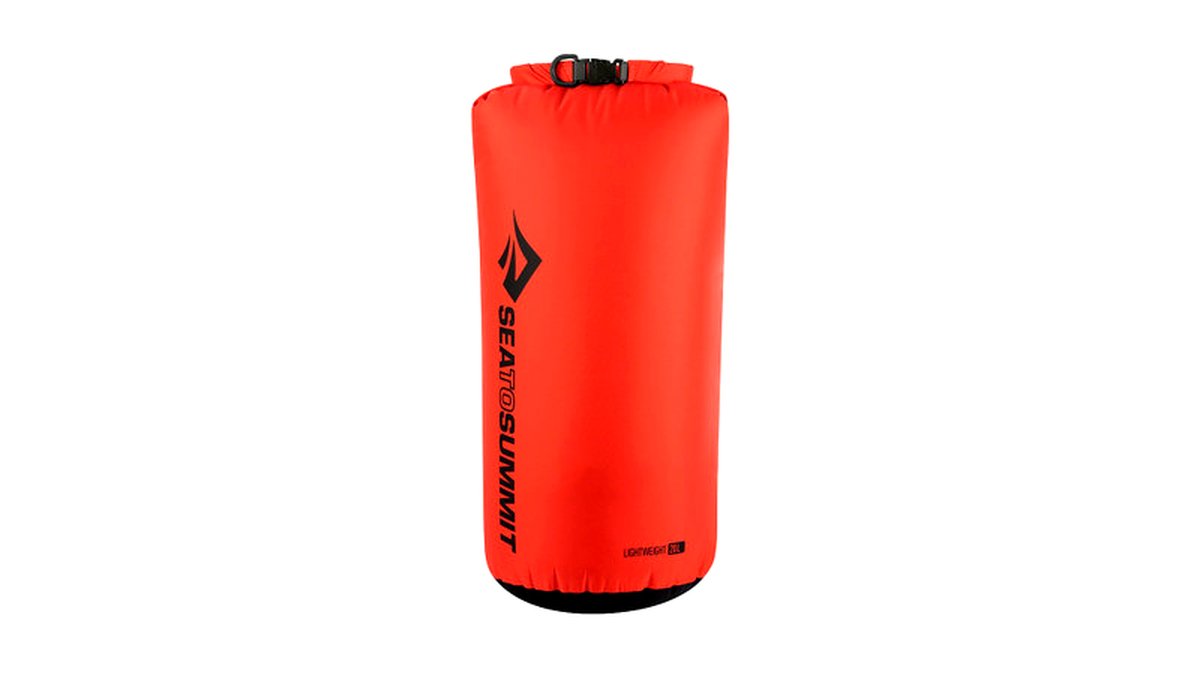
These are the workhorse size for splitting gear across multiple small bags, which is the standard approach for kayak camping since gear has to fit through narrow hatch openings. A paddler packing for a weekend typically uses three to five of these: one for sleep system, one for clothing, one for food, one for electronics/first aid. Lighter-denier versions save weight but trade off some abrasion resistance.
Heavy-Duty Dry Bags (300D+ fabric)
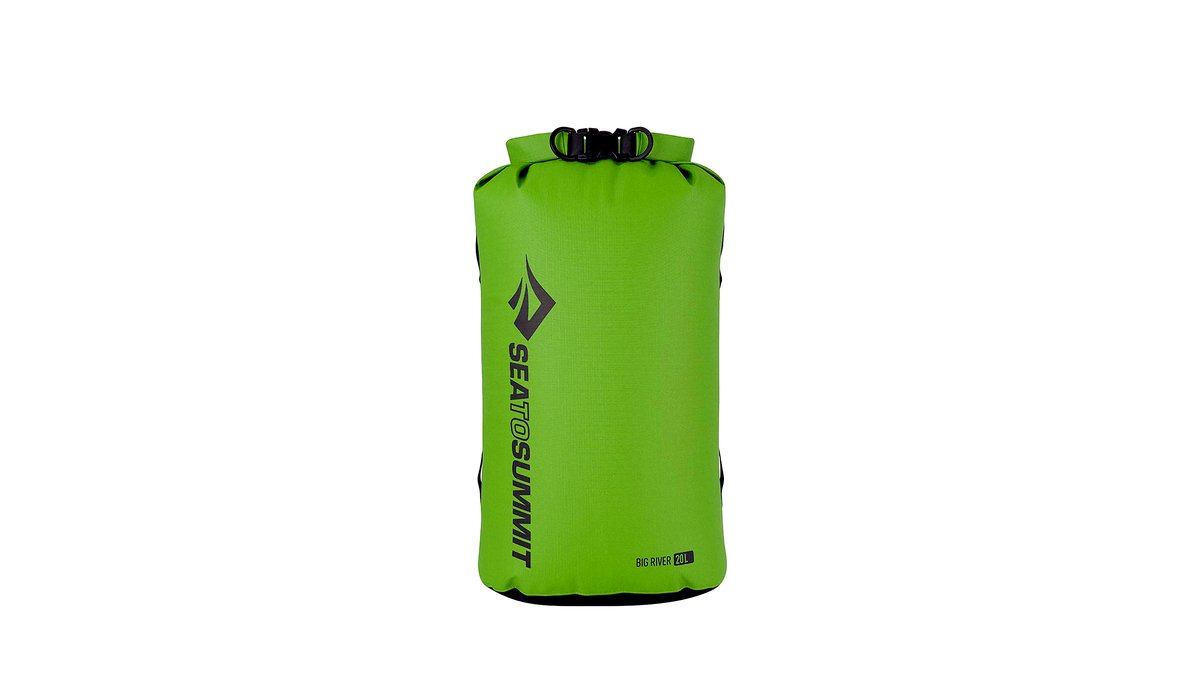
Built for repeated dragging over rocks and sand, these suit paddlers who camp on exposed coastlines or rocky rivers where bags get set down on abrasive surfaces constantly. They run heavier than ultralight bags, which matters less in a kayak than on a backpacking trip since the boat carries the weight.
Clear-Panel or Window Dry Bags
A clear PVC panel on one side lets a paddler identify contents without opening every bag at camp in the rain, useful for organizing a multi-bag system quickly after a wet landing.
Dry Duffels and Backpack-Style Dry Bags
Larger duffel-style dry bags (40L+) with backpack straps suit the portage-heavy parts of a trip, where gear has to be carried from the put-in to the water or around an obstacle. They are harder to stuff into a kayak’s bow or stern hatch, so many kayak campers use these mainly for gear staged on deck or for the drive to the launch.
Electronics-Specific Dry Pouches
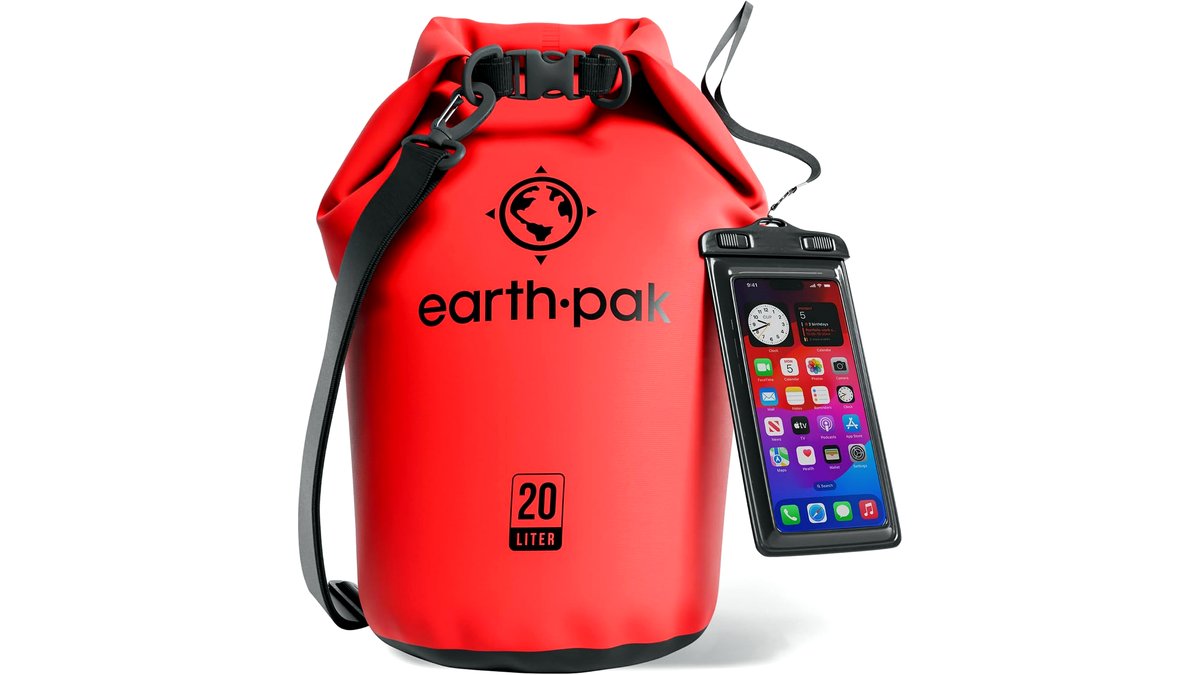
Small (1-3L) clear pouches rated for submersion protect phones, cameras, and GPS units that need to stay accessible during the paddle itself, not buried in a hatch. These are worth carrying separately from the main gear bags since they get used throughout the day.
Compression Dry Bags
Dry bags with external compression straps (in addition to the roll-top) squeeze sleeping bags and insulated clothing down significantly, which helps when bow and stern hatches taper to a narrow point. The compression straps add some weight and a few more failure points (buckles, webbing) compared to a plain roll-top.
| Type | Best For | Key Stated Specs | Limits |
|---|---|---|---|
| Lightweight roll-top (5-20L) | Splitting gear across hatches | 70D-210D nylon, roll-top, 1-3 bags per trip category | Lower abrasion resistance than heavy-duty bags |
| Heavy-duty (300D+) | Rocky or abrasive put-ins | 300D-500D coated fabric, reinforced base | Heavier and bulkier per liter |
| Clear-panel bags | Fast content ID at camp | PVC window panel, roll-top | PVC panel can be less flexible in cold |
| Dry duffel/backpack | Portages and launch-day carrying | 40L+, padded straps, roll-top or zip-dry closure | Awkward shape for narrow kayak hatches |
| Electronics pouch | On-deck access to phone/camera | 1-3L, clear vinyl, submersible rating | Not meant for bulk gear storage |
| Compression dry bag | Bulky insulated gear in tapered hatches | Roll-top plus external compression straps | Extra buckles add potential failure points |
Sizing a Dry Bag Set for a Multi-Day Trip
Rather than one large bag, most kayak campers assemble a set:
- Sleep system (bag + pad + liner): a 15-20L compression dry bag, sized to the kayak’s largest hatch opening.
- Clothing and insulation: a 10-15L roll-top, kept separate so wet and dry clothing can be swapped without opening the sleep bag.
- Food and cook kit: a 10-20L heavy-duty bag, since food bags take the most abuse from packing and unpacking at every meal; check local regulations on food storage near wildlife.
- First aid, repair kit, electronics: a small 3-5L bag plus a dedicated electronics pouch for anything used mid-paddle.
- Odds and ends (camp shoes, tarp, misc): a 20L+ bag that can ride on deck if hatch space runs out.
Measuring the kayak’s hatch openings before buying is worth the extra step: a bag that is rated for 20 liters but shaped too long or wide for the hatch mouth will not go in no matter how it is rolled.
Pick This If…
| Situation | Pick |
|---|---|
| Packing multiple small hatches on a sea kayak | A set of 10-20L lightweight roll-tops |
| Camping on rocky or abrasive shorelines | Heavy-duty 300D+ bags, at least for food and cook gear |
| Need to find a specific item fast in the rain | Clear-panel bags for the items opened most often |
| Long portage between the car and the put-in | A dry duffel with backpack straps for the car-to-water leg |
| Phone or camera used throughout the paddle | A small clear electronics pouch worn or deck-mounted |
| Bulky sleeping bag won’t fit the hatch taper | A compression dry bag with external straps |
Alternatives to a Standard Dry Bag Set
- Dry bag backpacks: combine dry-bag protection with backpack straps for the portage; heavier than a plain dry sack but save carrying a separate pack.
- Hard-sided dry boxes: rigid boxes with gasket-sealed lids protect electronics and food from both water and crushing, at the cost of an awkward shape for hatch packing.
- Dry bag liners inside a regular stuff sack: a budget approach pairing a thin dry liner with a standard compression sack; lighter and cheaper but generally less abrasion-resistant than a purpose-built dry bag.
Frequently Asked Questions
How do I know if a dry bag is actually submersible versus just splash-resistant?
Makers typically list an IPX rating or state a submersion depth and duration for bags rated beyond splash resistance. A roll-top bag with only one or two rolls before buckling is usually intended for rain and spray, not full submersion, so checking the roll count and the manufacturer’s stated rating is the most reliable way to tell.
Do I need different bags for food versus clothing?
Separating them is common practice because food bags get opened and handled more often, which wears seams and zippers faster, and because a food smell transferring to clothing or a sleeping bag is unpleasant on a multi-day trip. A dedicated heavy-duty bag for food also makes sense where bear or wildlife food storage rules apply.
Can a dry bag be used as a makeshift flotation aid?
Dry bags are not flotation devices or personal protective equipment, even when fully sealed and air-filled, and should never be relied on in place of a proper personal flotation device. Any buoyancy from a sealed bag is incidental, not a stated safety feature.
How do I pack a dry bag so it survives a capsize?
Rolling the top at least three full times before buckling, removing excess air before sealing, and avoiding sharp or hard items pressed directly against the fabric all reduce the chance of a seam or fabric failure under pressure. Lashing bags that ride on deck, rather than relying on bungees alone, also keeps them from being torn loose in surf.
What’s the difference between a roll-top dry bag and a zip-dry bag?
Roll-top bags seal by rolling the fabric opening and clipping a buckle, which is simple and reliable but requires enough straight fabric length to roll three times. Zip-dry bags use a waterproof zipper for a faster open/close action, which some paddlers prefer for bags opened frequently, though the zipper itself is a potential wear point over years of use.
Will a dry bag protect gear from cold and condensation, not just water?
A dry bag keeps external water out but does not insulate, so condensation can still form inside the bag from temperature differences between the gear and the outside air. Packing slightly damp gear (like a used sleeping bag) in a dry bag will not dry it out, and can trap moisture against the fabric overnight.