Key takeaways
- A high-back padded seat with adjustable straps suits paddlers who sit for hours and want back support, while a simple foam seat cushion suits paddlers who already have a decent factory seat and just want more padding underneath; the right…
A high-back padded seat with adjustable straps suits paddlers who sit for hours and want back support, while a simple foam seat cushion suits paddlers who already have a decent factory seat and just want more padding underneath; the right pick depends on whether the kayak’s stock seat needs full replacement or just extra comfort added to it.
As an Amazon Associate, we earn from qualifying purchases made through links on this page.
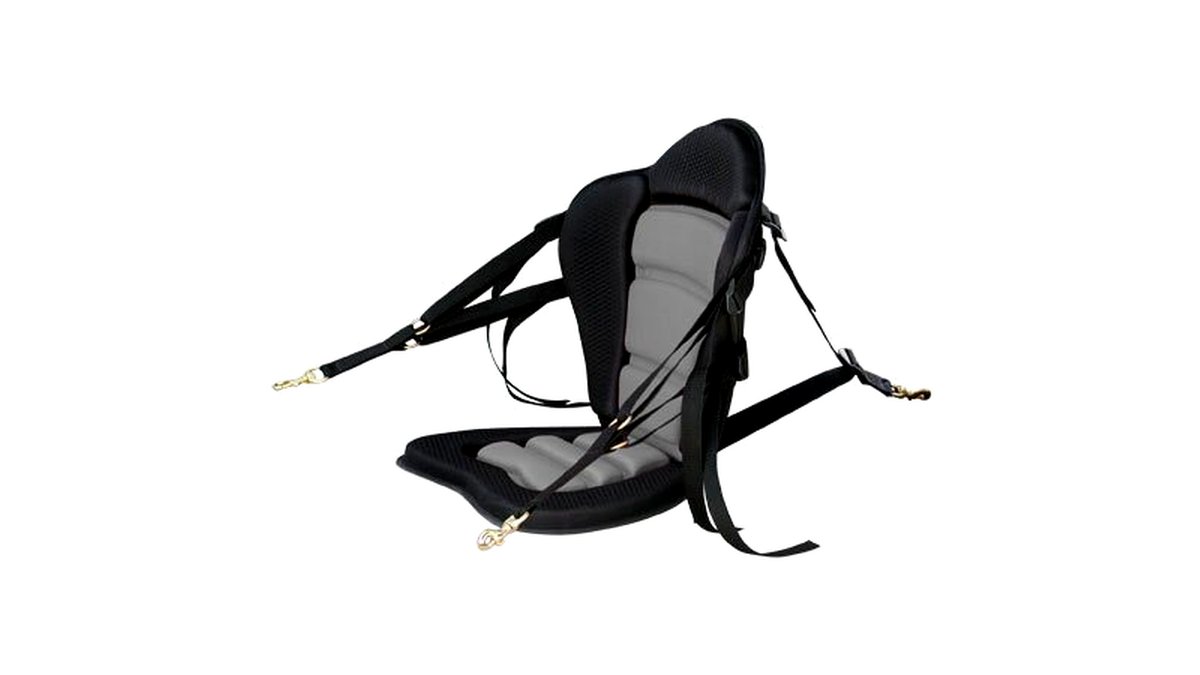
Kayak seats and cushions range from thin foam pads that sit on an existing seat to full replacement seats with frames, back support, and multi-point strap systems. This guide separates the two categories and explains what to check for fit, support, and comfort on longer paddles.
Replacement Seats vs Add-On Cushions
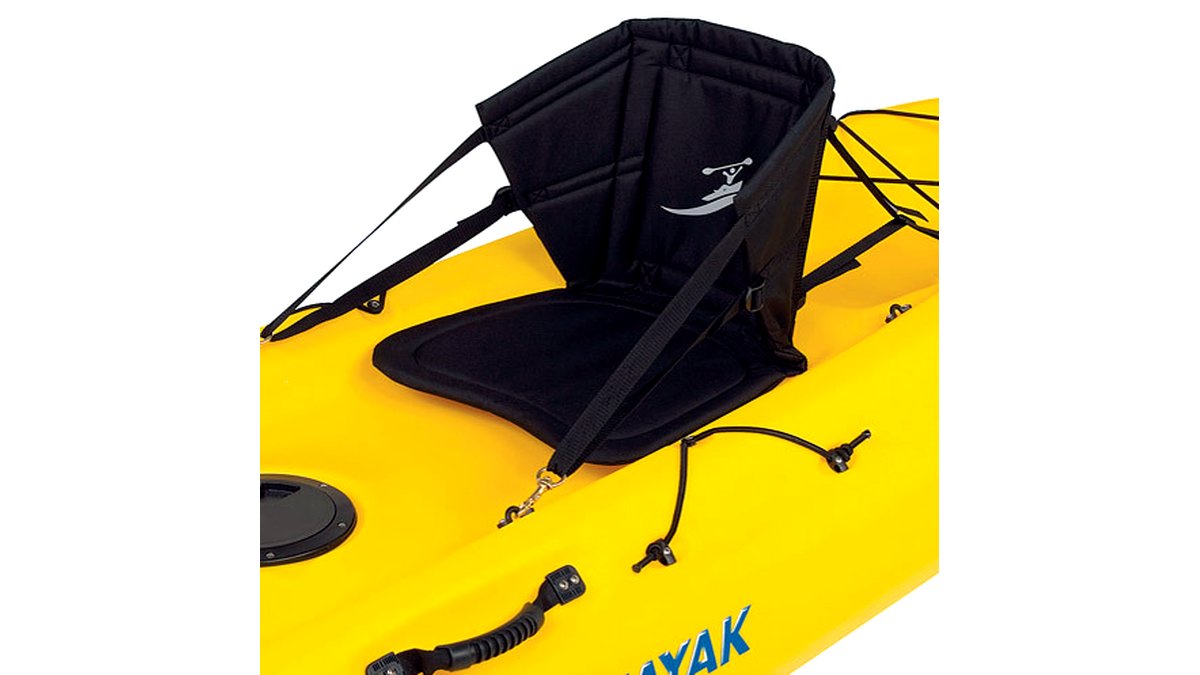
A replacement kayak seat is a standalone unit, usually with a rigid or semi-rigid base, a padded seat pan, and an adjustable backrest, that straps into the kayak’s existing seat mounting points or sits directly on the hull floor. These are the better choice when a kayak’s factory seat is thin, flat, or has broken-down padding, since they address both seating comfort and back support in one upgrade.
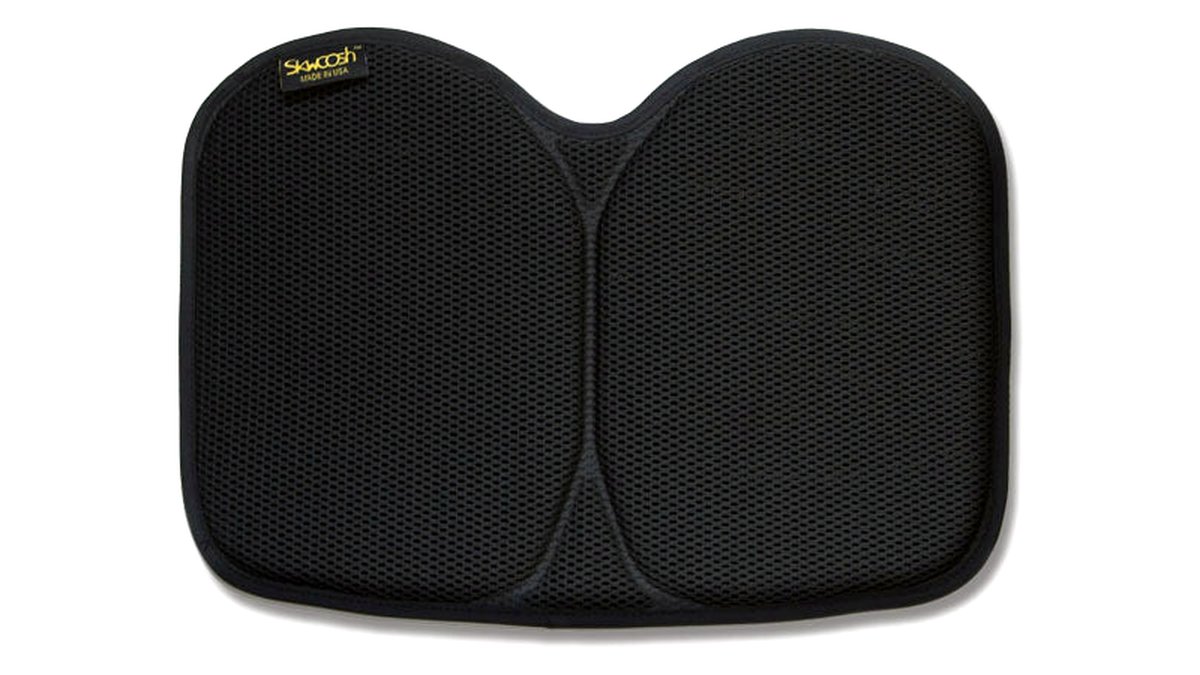
An add-on cushion is simpler: a shaped foam or gel pad that sits on top of an already-reasonable factory seat to add cushioning, most useful for paddlers whose main complaint is numbness or soreness after long sits rather than a lack of back support. Cushions are cheaper and easier to swap between kayaks but don’t fix a seat with poor back support or a broken frame.
Materials and Comfort Factors
Foam density matters more than thickness alone; a thick but low-density foam can compress flat within an hour of sitting, while a moderately thick, higher-density or molded foam tends to hold its shape longer during a full day on the water. Gel-infused cushions add pressure distribution on top of foam, which some paddlers find reduces numbness on multi-hour trips, though gel cushions typically cost more and can retain heat in warm weather compared to open-cell foam.
Breathable mesh covers over the padding help reduce moisture buildup, which matters for paddlers who sit for extended periods in warm or humid conditions, since a non-breathable cover can leave a paddler sitting in trapped sweat by the end of a long trip. Marine-grade or quick-drying materials are worth prioritizing for anyone who paddles in wet conditions or sit-on-top kayaks where water regularly splashes onto the seat.
At a Glance
| Seat/Cushion Type | Best For | Key Stated Specs | Limits |
|---|---|---|---|
| High-back replacement seat | Long paddles, back pain, poor factory seat | Adjustable backrest angle, multi-point straps, padded seat pan | Bulkier; needs compatible mounting points or strap-through design |
| Low-profile replacement seat | Sit-inside kayaks with limited interior clearance | Slimmer frame, lower seat height, basic back support | Less back support than high-back versions |
| Foam add-on cushion | Minor comfort boost on an already decent seat | Shaped or contoured foam, strap-on or non-slip base | No back support; doesn’t fix a broken seat frame |
| Gel or hybrid gel-foam cushion | Long multi-hour trips, pressure/numbness relief | Gel insert over foam base, often with cooling or breathable cover | Higher cost; can feel warm in hot weather |
Fit and Mounting Checks
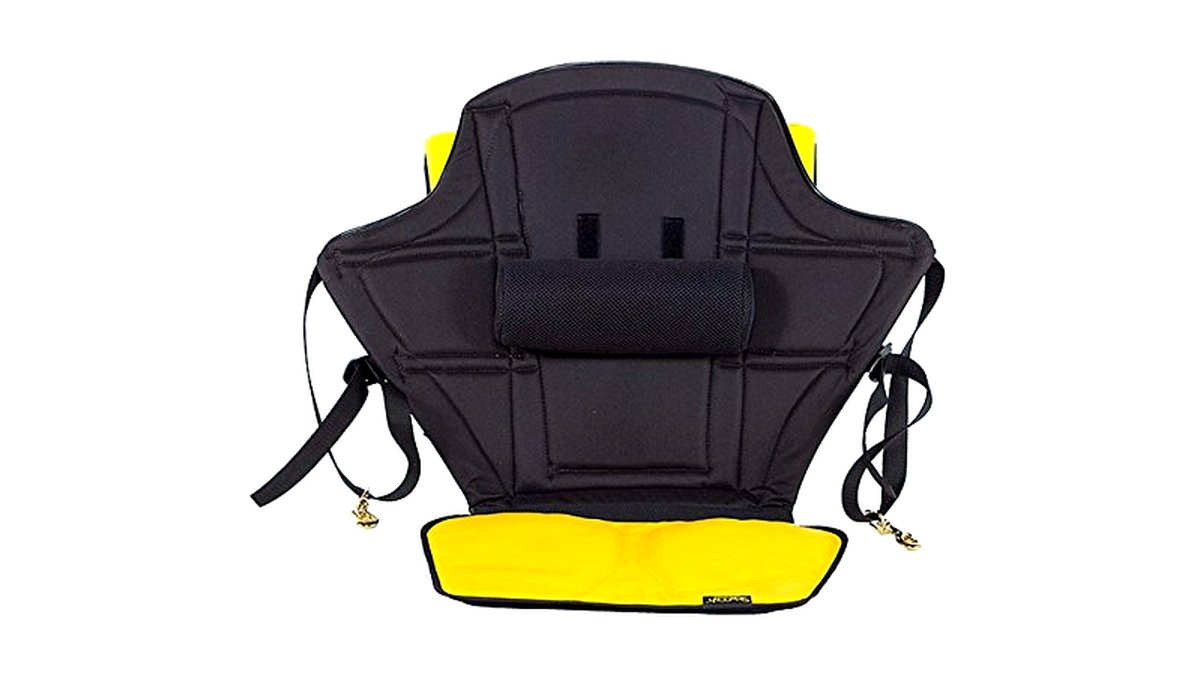
Before buying a replacement seat, the kayak’s existing seat mounting style needs to be checked: some kayaks have molded-in strap loops or D-rings, others have a recessed seat well, and some sit-on-top kayaks just have a flat deck with no built-in attachment points at all. A seat built for strap-through mounting generally fits a wider range of kayaks than one designed around a specific molded seat well.
Seat width and the kayak’s cockpit or seating area width should roughly match; an oversized seat can bunch against the kayak’s sides, while an undersized seat can shift during paddling strokes. Checking the kayak’s interior seating width (available in most kayak product specifications) against the seat’s base dimensions avoids a mismatch that’s hard to spot from photos alone.
Pick This If…
| Paddler Situation | Recommended Option |
|---|---|
| Factory seat is flat, thin, or has no back support | High-back replacement seat |
| Kayak has limited interior height or clearance | Low-profile replacement seat |
| Seat is fine but gets uncomfortable after a couple hours | Foam or gel add-on cushion |
| Frequent multi-hour or all-day paddling trips | Gel-hybrid cushion or a high-back seat with gel insert |
| Paddles in hot, humid conditions regularly | A seat or cushion with a breathable mesh cover rather than solid vinyl |
Color and Visibility Considerations
Seat and cushion color is mostly a personal preference, though darker colors absorb more heat in direct sun, which can make a seat uncomfortably warm on hot days before a paddler even sits down. Lighter or reflective-toned covers stay somewhat cooler in similar conditions, which is a small but noticeable difference for anglers and paddlers who spend full days on open water with little shade.
Maintenance and Durability
UV exposure breaks down foam and fabric over time, so kayak seats and cushions left in direct sun for long storage periods tend to degrade faster than those stored in shade or indoors between trips. Rinsing seats with fresh water after use in saltwater reduces salt buildup that can stiffen straps and buckles or degrade stitching over repeated trips. Seats with removable, washable covers are easier to keep clean long-term than those with a single sealed cushion unit.
Alternatives Worth Considering
A simple closed-cell foam pad cut to size from a hardware or outdoor store is a low-cost way to add cushioning, though it won’t match the shaping or strap systems of a purpose-built kayak cushion. For paddlers with significant back pain, a lumbar support cushion designed for general seating (car or office use) can sometimes be adapted to a kayak seat, though purpose-built kayak backrests are generally better shaped for the reclined, hip-forward paddling posture. Upgrading to a kayak with a known comfortable factory seat is a longer-term alternative for anyone shopping for a new kayak anyway and prioritizing seat comfort.
Frequently Asked Questions
Will a replacement seat fit any kayak?
Not universally; fit depends on the kayak’s existing mounting points, cockpit or deck shape, and available interior height, so the seat’s mounting style and dimensions should be checked against the kayak’s specifications before buying. Strap-through seats generally fit a wider range of kayaks than seats designed for a specific molded seat well.
How much difference does a seat upgrade actually make on long paddles?
Paddlers frequently report that a properly fitted, supportive seat reduces lower back fatigue and numbness significantly compared to a thin factory seat, especially on trips longer than an hour or two. The degree of improvement depends on how poor the original seat was and how well the new seat or cushion matches the paddler’s body and paddling posture.
Do I need a high-back seat, or is a cushion enough?
If the main issue is soreness or numbness rather than lack of back support, a cushion added to an already decent seat is often enough. If the factory seat offers little or no back support, or its padding has broken down and gone flat, a full replacement seat addresses the problem more completely than a cushion placed on top of it.
Are gel cushions worth the extra cost over foam?
Gel cushions can improve pressure distribution on very long trips, which some paddlers find meaningfully reduces numbness compared to foam alone, but they cost more and can feel warmer in hot weather. For shorter or occasional paddling, a good-quality foam cushion is often sufficient without the added cost.
Can kayak seats get wet, and will that damage them?
Most seats designed for sit-on-top kayaks are built to handle regular splashing and use marine-grade or quick-drying materials, though prolonged submersion or storage while wet can encourage mold or mildew in foam padding. Rinsing and fully drying a seat after use, especially after saltwater exposure, extends its usable life.
How do I know what size seat to buy for my kayak?
Measure the kayak’s interior seating area width and the distance between any existing mounting points or straps, then compare those measurements against the seat’s stated base dimensions before buying. When in doubt, checking the kayak manufacturer’s accessory compatibility list, if one is published, is a more reliable method than estimating from photos.