Key takeaways
- Paddlers who want a stable, easy-to-store option under this budget cap are generally best served by a single-person sit-on-top or inflatable recreational kayak, while anyone planning longer flatwater trips or fishing outings should look specifically for a sit-on-top with extra…
Paddlers who want a stable, easy-to-store option under this budget cap are generally best served by a single-person sit-on-top or inflatable recreational kayak, while anyone planning longer flatwater trips or fishing outings should look specifically for a sit-on-top with extra storage and rod holders rather than a basic pool-and-pond model. Which type wins depends on where the kayak will be paddled and how it will be stored and transported.
As an Amazon Associate, we earn from qualifying purchases made through links on this page.
What “Under $500” Actually Buys
At this budget cap, buyers are mainly choosing between hard-shell sit-on-top recreational kayaks, hard-shell sit-inside recreational kayaks, and inflatable kayaks. Touring, whitewater, and pedal-drive kayaks with serious hull engineering generally sit above this price range, so expectations should be set around calm lakes, slow rivers, and protected coastal paddling rather than open water or rapids.
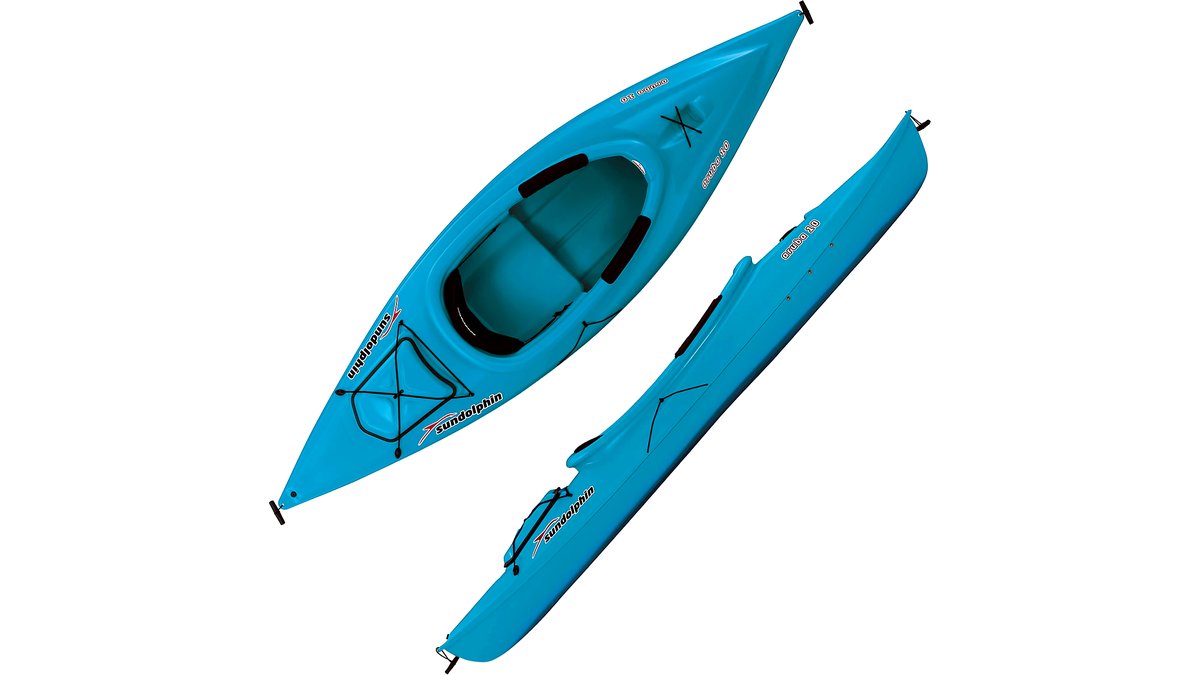
Recreational brands commonly found in this tier include Sun Dolphin, Lifetime, Pelican, and Intex (for inflatables), with Perception and Old Town occasionally offering entry models near the top of this range. Reviewers at paddling-focused outlets generally note that hull material thickness and seat quality are where cost-cutting shows up first in budget kayaks, so it’s worth checking those details specifically rather than assuming all budget kayaks are equivalent.
Sit-On-Top Hard-Shell Kayaks
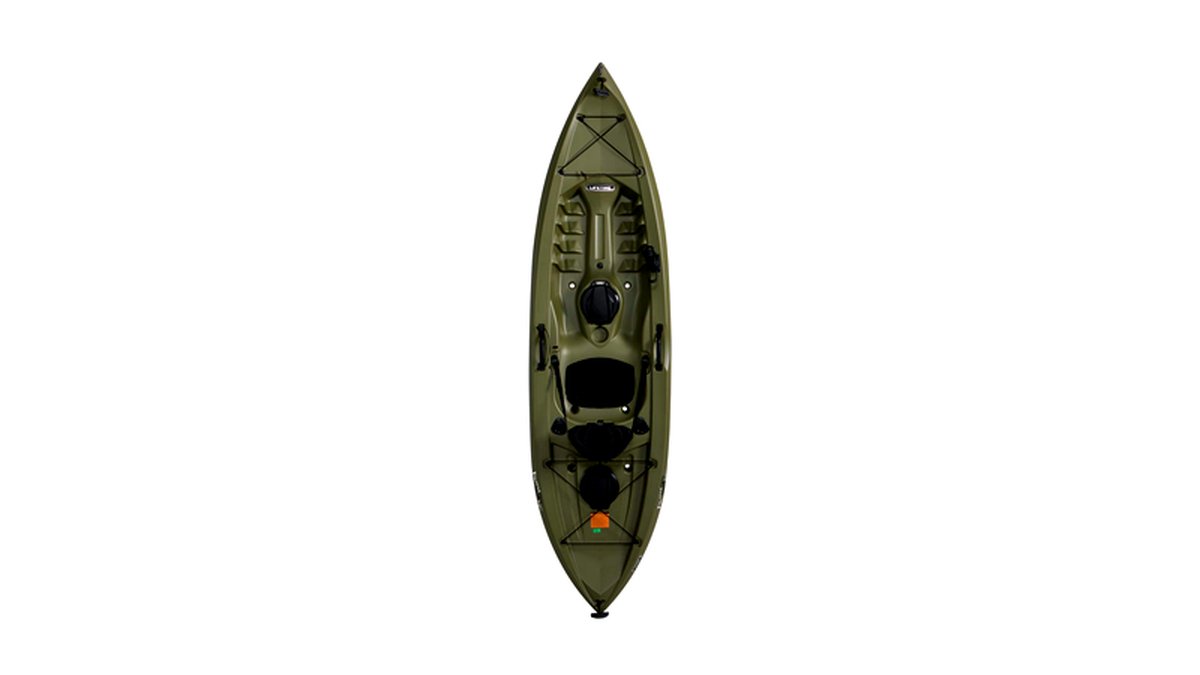
Sit-on-top kayaks are the most common recommendation for new paddlers at this price point because they’re simple to get on and off, self-bailing (water drains out through scupper holes rather than pooling inside), and forgiving if the paddler shifts weight or falls off in calm water. Models from Lifetime and Sun Dolphin in the 9 to 10-foot range are frequently cited as capable all-around choices for lakes and slow-moving rivers, typically listing molded-in footwells, a center carry handle, and rear storage with bungee tie-downs.
The tradeoff is weight and storage footprint: hard-shell kayaks need a roof rack or truck bed for transport and dedicated space (garage, shed, or kayak rack) for storage, which is a real consideration for apartment dwellers or anyone without a vehicle set up for roof-top hauling.
Sit-Inside Recreational Kayaks
Sit-inside models trade some of the sit-on-top’s easy re-entry for better protection from spray and wind, which matters more on cooler-weather trips or slightly choppier water. Entry-level sit-inside kayaks in this price range typically come from the same recreational brands and are usually shorter and lighter than touring sit-inside kayaks, prioritizing easy transport over long-distance tracking (how straight the kayak holds a course).
Inflatable Kayaks
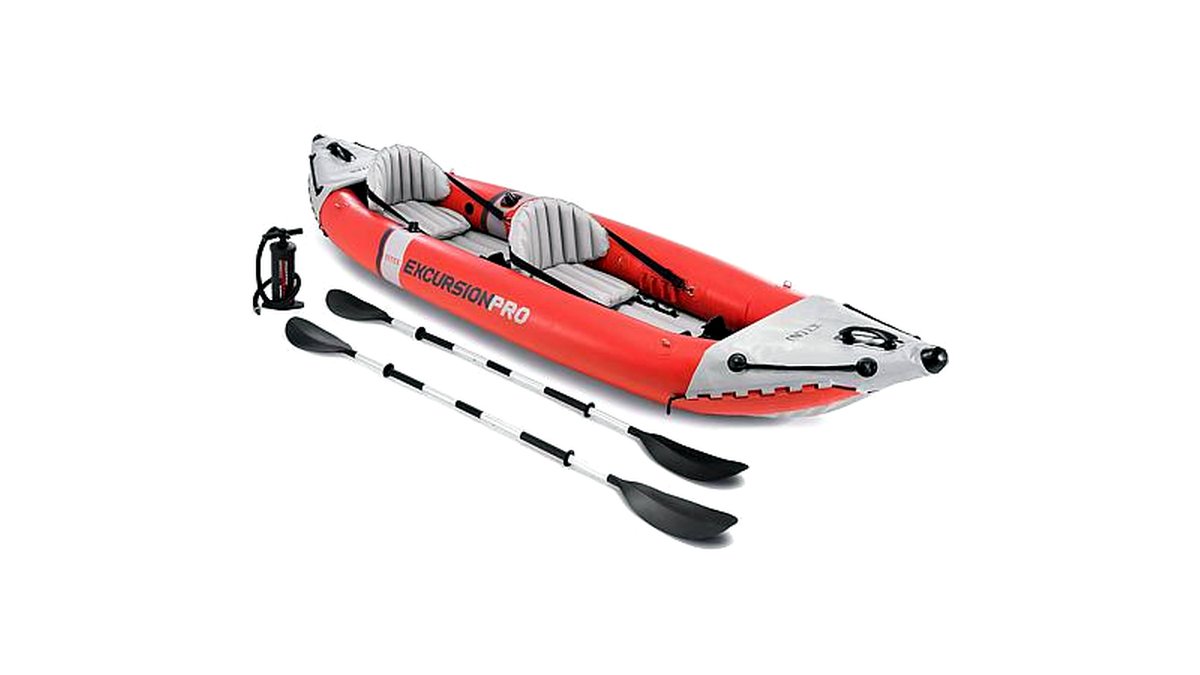
Inflatable kayaks from brands such as Intex are the most storage-friendly option, deflating to fit in a closet or car trunk, and several models land comfortably under this budget cap. The compromise is durability and paddling performance: inflatable hulls are more vulnerable to punctures from rocks or oyster beds, and they generally don’t track as straight or paddle as efficiently as a hard-shell hull, especially in wind. Reviewers typically recommend inflatables for calm, debris-free water and for buyers who value storage convenience over performance.
At a Glance Comparison
| Type | Best For | Key Stated Specs | Limits |
|---|---|---|---|
| Hard-shell sit-on-top (e.g., Lifetime, Sun Dolphin, Pelican, 9-10 ft) | New paddlers on lakes and slow rivers | Self-bailing scupper holes, rear storage well, molded footwells per maker listings | Needs roof rack or truck bed and dry storage space |
| Hard-shell sit-inside recreational | Paddlers wanting spray protection in cooler or breezier conditions | Enclosed cockpit, moderate length for easier handling | Harder re-entry if capsized; still needs transport/storage space |
| Inflatable kayak (e.g., Intex) | Buyers with limited storage or vehicle space | Deflates for compact storage; includes pump and paddle in most kits per maker listings | More puncture-prone; less efficient tracking in wind |
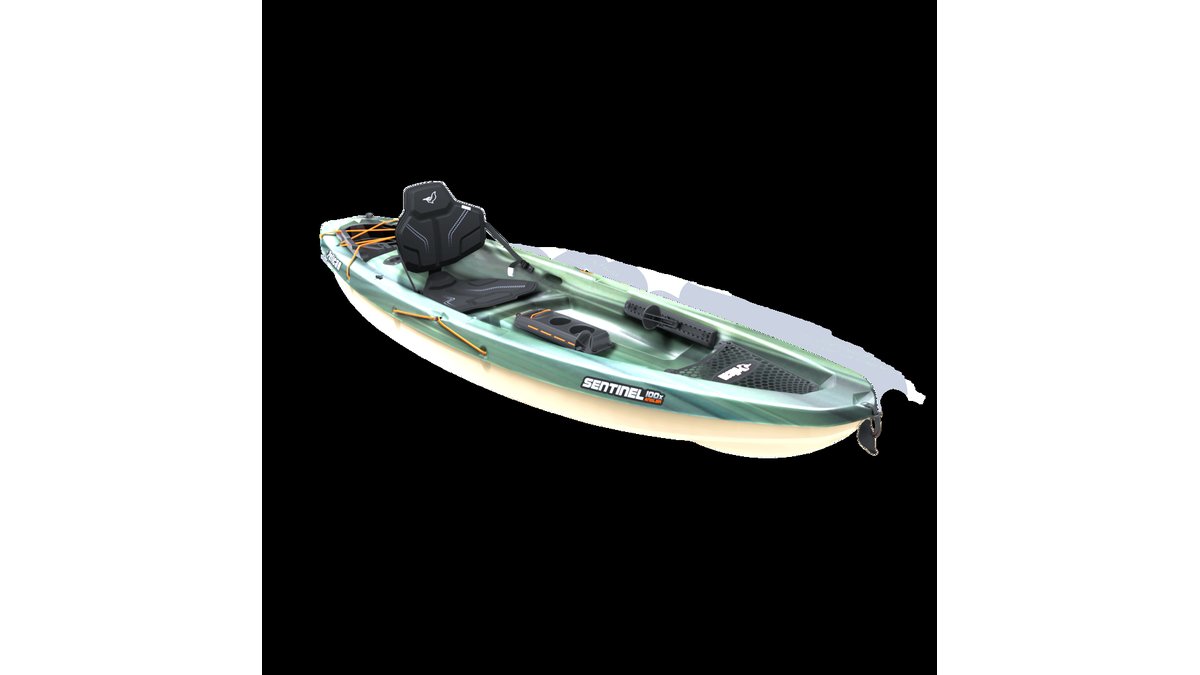
| Fishing-oriented sit-on-top (budget tier) | Casual anglers on calm water | Rod holders and extra storage listed by the maker | Fewer features than mid-range fishing kayaks above this budget |
Fit, Size, and Compatibility Notes
Check the kayak’s stated weight capacity against the paddler’s body weight plus gear, since reviewers commonly advise leaving a margin rather than paddling right at the listed maximum, which affects stability and freeboard (how high the hull sits above the water). Confirm the kayak’s length and weight match what the household can realistically carry and transport, as a 10-foot hard-shell kayak can weigh 40 pounds or more, which is awkward for one person to lift onto a roof rack alone. For inflatable kayaks, check the materials listing for multiple air chambers, since a multi-chamber design keeps the kayak afloat even if one chamber is punctured.
Stability, Tracking, and Hull Shape Basics
Budget recreational kayaks generally favor a wider, flatter hull for primary stability, which is the steady, side-to-side feel a paddler gets sitting still on calm water. This design choice makes kayaks in this price range forgiving for beginners but means they won’t track (hold a straight line) as efficiently as a narrower touring hull, so expect more frequent correction strokes on longer paddles, especially in wind or current.
Hull material also affects how a budget kayak handles over time. Most hard-shell models in this range use a single-layer polyethylene plastic, which is durable against scrapes on sand or gravel but can become more brittle in very cold storage conditions and will fade in color with prolonged UV exposure. Reviewers commonly recommend storing hard-shell kayaks out of direct sun when not in use and avoiding dragging them across pavement or rocks to extend the hull’s useful life.
Seating comfort is often the first thing buyers notice is a cost-cutting point at this budget. Entry-level kayaks typically use a molded plastic seat with a basic strap-adjustable back support, which is fine for short outings but can become uncomfortable on paddles longer than an hour or two; some paddlers upgrade to an aftermarket padded seat as a low-cost way to extend comfortable paddling time without buying a different kayak.
Pick X If… Decision Table
| If you… | Pick |
|---|---|
| Are new to kayaking and want the easiest, most forgiving option | A hard-shell sit-on-top recreational kayak |
| Paddle in cooler weather or want spray protection | A hard-shell sit-inside recreational kayak |
| Have limited storage space or no roof rack | An inflatable kayak |
| Plan to fish casually on calm water | A budget sit-on-top with rod holders |
| Paddle mostly on open or choppy water | Look above this budget tier for a longer, more stable hull |
Alternatives Worth Considering
Paddlers who want to bring a second person along occasionally might consider a tandem recreational kayak instead of two solo boats, though tandem models near this price point are usually heavier and bulkier to store. Anglers who get serious about fishing may eventually want to step above this budget tier for a dedicated fishing kayak with more stable pontoon-style hulls and built-in rod rigging. Families who paddle only a few times a year might also consider renting before buying, since usage patterns sometimes don’t justify the storage and transport commitment even at this price point.
Frequently Asked Questions
How much weight capacity margin should I leave when choosing a kayak?
Most paddling guides suggest keeping total load (paddler plus gear) comfortably under the kayak’s maximum listed capacity rather than paddling at the limit, since stability and freeboard decrease as the load approaches the maximum. A margin of 20 to 30 percent below the stated maximum is a common recommendation.
Are inflatable kayaks durable enough for regular use?
Quality inflatable kayaks with multiple air chambers and puncture-resistant material can hold up to regular use on calm, debris-free water. They’re generally more vulnerable than hard-shell hulls on rocky rivers or shell-covered coastal bottoms, so matching the kayak to the actual paddling environment matters.
Do I need a special roof rack to transport a hard-shell kayak?
A basic set of roof pads or a kayak-specific rack system makes transport easier and safer, though some owners use foam blocks on a bare roof for shorter trips. Reviewers generally recommend a proper rack or at least secure tie-down straps for any regular highway-speed transport.
What’s the difference between sit-on-top and sit-inside kayaks?
Sit-on-top kayaks have an open, molded seating area that drains water automatically and is easy to re-enter if the paddler falls off. Sit-inside kayaks have an enclosed cockpit that better shields the paddler from spray and wind but takes more effort to re-enter in deep water.
Can a kayak under $500 handle ocean or bay paddling?
Entry-level recreational kayaks in this price range are generally designed for calm, protected water such as lakes, ponds, and slow rivers rather than open ocean or large bays with wind and current. Paddlers planning regular coastal trips typically need a longer, more performance-oriented hull above this budget tier.
What accessories come included versus needing separate purchase?
Most hard-shell recreational kayaks in this range do not include a paddle, while many inflatable kayak kits do include a paddle and pump per the maker’s listing. A properly fitted personal flotation device is essential safety gear and is rarely included with any kayak, so budgeting for one separately is important.