Key takeaways
- Forwards who need stability in scrums and rucks do best with six-stud or SG-style (soft ground) cleats offering firm ankle and heel lockdown, backs who need speed and quick direction changes benefit from lighter molded or bladed cleats with a…
Forwards who need stability in scrums and rucks do best with six-stud or SG-style (soft ground) cleats offering firm ankle and heel lockdown, backs who need speed and quick direction changes benefit from lighter molded or bladed cleats with a lower-cut collar, and players on firm, dry pitches generally need fewer, shorter studs than players on soft, muddy grounds.
As an Amazon Associate, we earn from qualifying purchases made through links on this page.
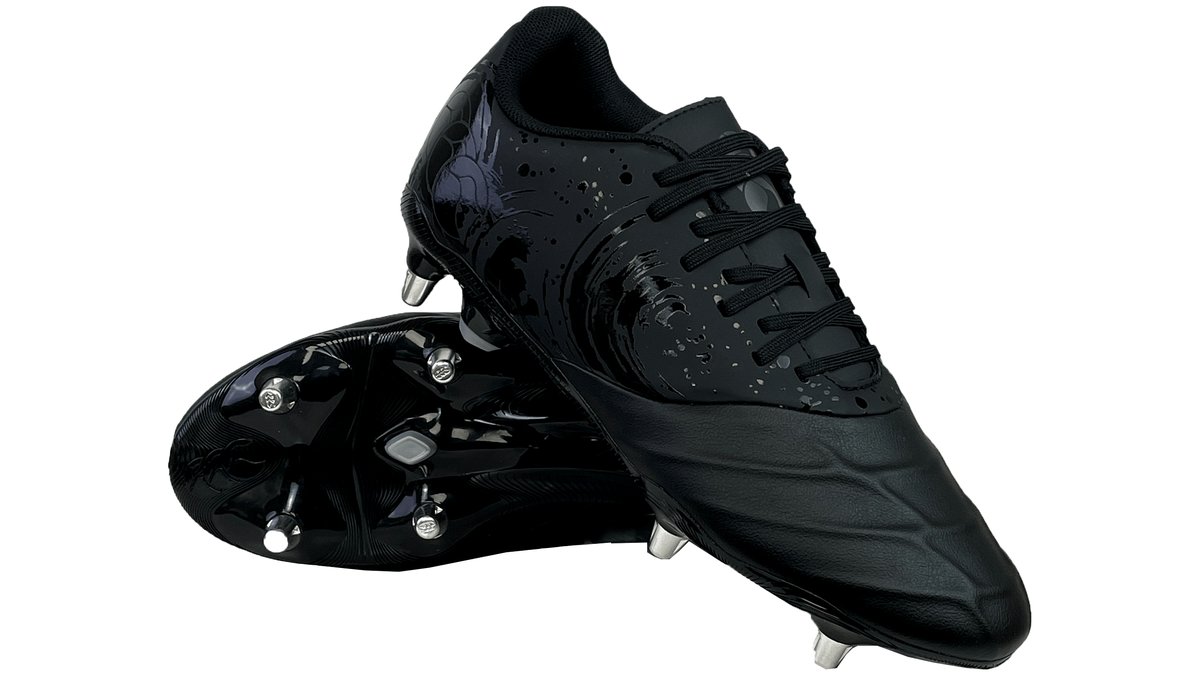
Rugby cleats, commonly called rugby boots outside North America, are built differently from soccer cleats and football cleats even though they look similar at a glance. The stud pattern, boot weight, and ankle support are tuned for the specific demands of scrummaging, rucking, and lateral cutting on grass. This guide breaks down the main categories by position and ground condition, since the “best” cleat depends heavily on what a player’s position asks of their feet and the surface they typically play on.
Rugby Cleat Categories
Forward-focused (six-stud/SG) boots
Forwards push and drive in scrums, rucks, and mauls, which puts heavy lateral and rotational stress on the ankle and boot sole. Boots built for forwards typically use a six-stud configuration, often with longer, replaceable studs at the heel and forefoot for grip in soft or churned-up ground, paired with a higher-cut collar for ankle support. The maker lists these as suited to soft ground (SG) conditions, meaning wet or loose turf where longer studs help prevent slipping.
Back-focused (molded/firm ground) boots
Backs prioritize speed, acceleration, and sharp direction changes over sheer pushing power, so boots built for backs are generally lighter, with a lower-cut collar that frees ankle movement and a molded (non-removable) stud pattern suited to firm ground (FG). Reviewers covering rugby footwear note that the weight savings in back-focused boots can be noticeable over a full match compared to heavier forward boots.
Hybrid/all-position boots
Many manufacturers also sell hybrid boots aimed at club or school-level players who do not want to buy separate forward and back boots, or at players who shift between positions. These typically use a middle-ground stud count and weight, trading some of the specialized benefits of either category for broader usability across positions and conditions.
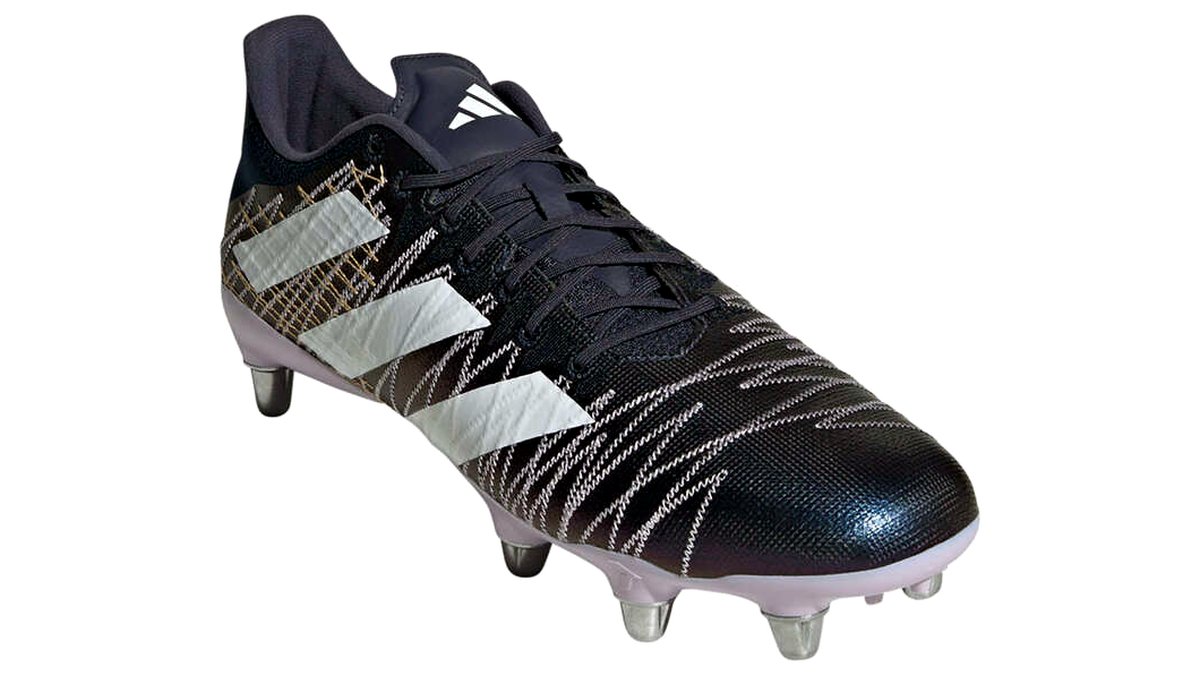
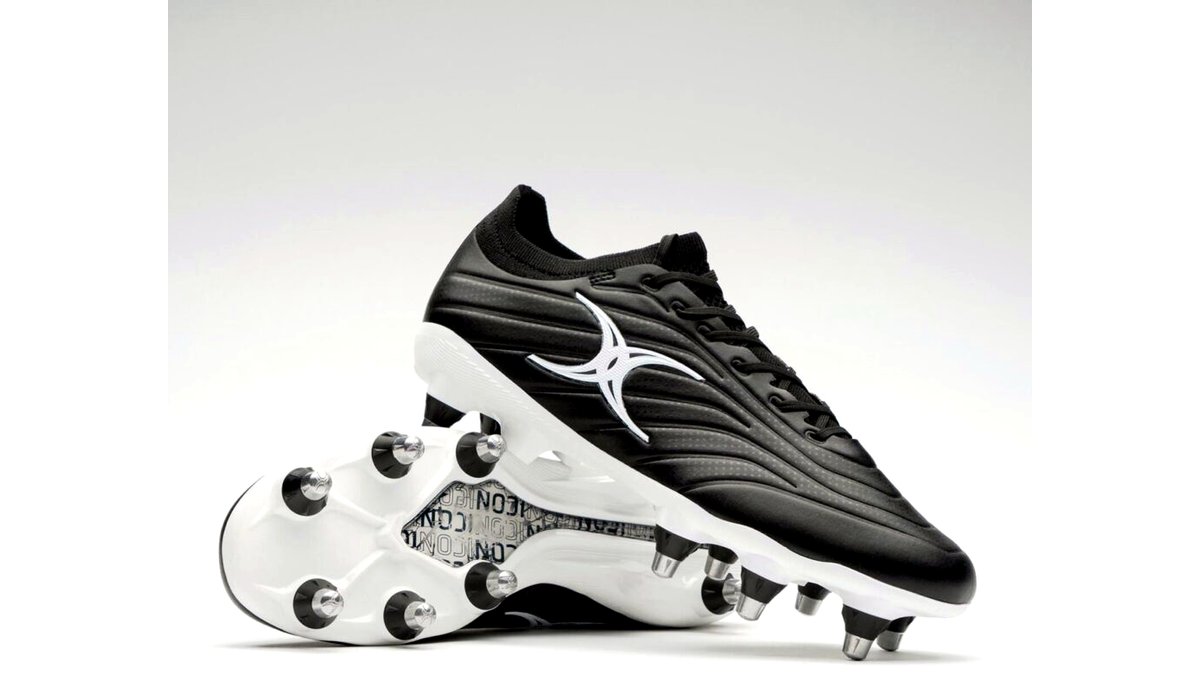
At a Glance: Rugby Cleat Categories Compared
| Category | Best for | Key stated features | Limits |
|---|---|---|---|
| Forward/SG boots | Props, locks, scrummaging forwards on soft/wet ground | Six-stud pattern, longer replaceable studs, higher ankle collar | Heavier, less suited to very firm/dry pitches |
| Back/FG boots | Wings, centers, fly-halves on firm, drier pitches | Lighter build, molded stud pattern, lower-cut collar | Less ankle support, less grip in soft/muddy conditions |
| Hybrid/all-position | Club and school players covering multiple positions | Moderate stud count and weight, versatile ground rating | Not optimized for either extreme scenario |
What to Check Before Buying
Stud configuration and ground rating
Ground ratings (SG for soft ground, FG for firm ground, and sometimes multi-ground options) indicate which turf conditions a boot’s stud pattern is built for. Playing on a firm, dry pitch in long soft-ground studs can feel unstable and uncomfortable, while short firm-ground studs can slip on wet, soft turf. Matching the ground rating to the typical home-pitch conditions matters more than most buyers expect.
Removable vs molded studs
Removable studs, common on forward-focused boots, let a player swap in longer or shorter studs depending on conditions, and swap out a worn stud rather than replacing the whole boot. Molded studs are fixed to the sole and cannot be adjusted, but they generally shave some weight and are simpler to maintain since there is nothing to lose or strip out mid-match.
Ankle support and collar height
A higher-cut collar supports the ankle during scrums, mauls, and contact but restricts some range of motion. A lower-cut collar frees movement for sprinting and cutting but offers less built-in ankle stability. Players recovering from a previous ankle injury may want to weigh collar height more heavily, and should follow guidance from a physiotherapist or doctor regarding any additional ankle bracing needed.
Boot weight
Weight differences between boot categories are usually measured in a modest number of ounces or grams per boot, but over 80 minutes of match play, reviewers note that lighter boots can reduce leg fatigue for players doing a lot of running, which tends to matter more for backs than forwards.
Fit and break-in
Rugby boots, especially those with leather or synthetic-leather uppers, often need a short break-in period before they feel fully comfortable. The maker’s sizing charts vary by brand, and reviewers commonly suggest trying boots on with the same socks worn during matches, since rugby socks are typically thicker than everyday socks and can change the effective fit by a half size or more.
Pick X If… Decision Table
| If your situation is… | Consider… |
|---|---|
| Prop, lock, or other forward playing mostly on soft or wet pitches | A six-stud SG boot with removable studs and a higher collar |
| Back or loose forward prioritizing speed on firm, dry pitches | A lighter molded FG boot with a lower-cut collar |
| Club or school player covering multiple positions and conditions | A hybrid all-position boot |
| Recovering from a previous ankle injury | A higher-collar boot, combined with guidance from a physiotherapist or doctor on any extra bracing |
| Playing conditions vary a lot week to week (wet one week, dry the next) | A multi-ground boot or a boot with removable studs that can be swapped between matches |
Fit and Sizing Notes
Rugby boot sizing runs differently across brands, and some brands run narrower or wider than typical athletic shoe sizing. Trying boots on with match-day socks, and allowing room for feet to swell slightly during a long match, helps avoid boots that feel fine in the shop but tight after 60 minutes of play. Junior and youth-sized boots typically use a different stud pattern and softer sole than adult boots, reflecting lower-impact play and different ground conditions typically used for youth pitches; parents buying for younger players should check that a boot is specifically listed as a junior or youth model rather than sizing down from an adult boot.
Alternatives Worth Considering
Multi-ground (MG) boots: For players whose home pitch conditions vary a lot through the season, multi-ground boots offer a stud pattern designed to handle both semi-firm and semi-soft conditions reasonably well, without needing to own two separate pairs.
Turf/artificial-ground boots: Players who train or play regularly on artificial turf may want a dedicated turf boot with a shorter, denser stud pattern built for synthetic surfaces, rather than using grass-rated studs that can wear down quickly or feel unstable on turf.
Football (soccer) boots adapted for casual rugby: While not ideal for full-contact matches, some casual or training-only players use firm-ground football boots; this is generally only suitable for non-contact training sessions, since rugby boots are built with different stud reinforcement for the lateral stress of tackling and scrummaging.
Frequently Asked Questions
What is the difference between SG and FG rugby boots?
SG stands for soft ground and refers to boots with longer, often removable studs designed for wet or loose turf, while FG stands for firm ground and refers to boots with shorter, usually molded studs designed for drier, harder pitches. Using the wrong rating for the actual pitch condition can reduce traction or cause discomfort.
Do forwards and backs really need different boots?
Forwards generally benefit from a sturdier, higher-stud-count boot with more ankle support for scrummaging and rucking, while backs generally benefit from a lighter, lower-cut boot that supports quick acceleration and direction changes. Many club-level players use a single hybrid boot that compromises between the two rather than buying position-specific pairs.
How long do rugby boot studs last?
Stud wear depends heavily on how often a player trains and plays, as well as pitch abrasiveness, so there is no single stated lifespan across brands. Removable-stud boots let a player replace worn studs individually, which generally extends the usable life of the boot compared to a molded-stud design.
Should youth players wear the same boots as adults?
No; junior and youth rugby boots typically use a softer sole and different stud pattern suited to lower-impact youth play, and sizing down from an adult boot does not replicate those design differences. Checking that a boot is specifically listed as a junior or youth model is the more reliable approach.
Can rugby boots be used for other sports like football or soccer?
Rugby boots are built with stud reinforcement for the specific lateral and rotational stress of scrummaging and tackling, which differs from the stud demands of soccer or American football. While occasional casual crossover use happens, each sport’s governing body may have its own equipment rules, so checking those rules is worth doing before using rugby boots in another sport’s organized matches.
How should rugby boots fit?
A properly fitted rugby boot should feel snug through the midfoot and heel with a small amount of room at the toe, tried on with match-day socks rather than thin everyday socks. Reviewers commonly note that break-in time varies by upper material, with some synthetic uppers softening faster than leather.