Key takeaways
- Players with a fast, aggressive swing who want maximum control generally do best with a heavier, more head-light players’ racket, while beginners and anyone recovering from arm strain usually get more comfort and forgiveness from a lighter, head-heavy, larger-head racket.…
Players with a fast, aggressive swing who want maximum control generally do best with a heavier, more head-light players’ racket, while beginners and anyone recovering from arm strain usually get more comfort and forgiveness from a lighter, head-heavy, larger-head racket. The right racket depends mostly on swing speed, arm comfort, and how much power versus control the player needs from the frame itself.
As an Amazon Associate, we earn from qualifying purchases made through links on this page.
How Tennis Rackets Differ Across the Market
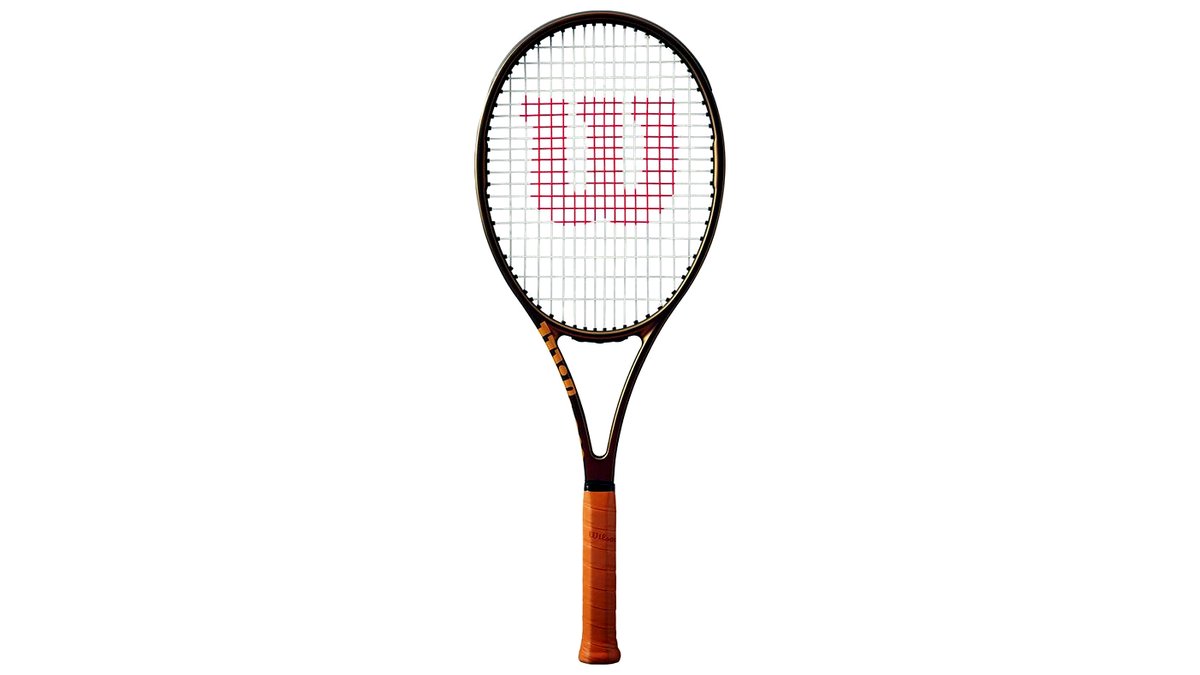
Modern tennis rackets are generally grouped by head size, weight, balance, and string pattern, and the major brands each build multiple lines aimed at different player types. Head size (commonly 95 to 100 square inches for players’ rackets, up to 105-115 for game-improvement rackets) affects the size of the sweet spot and how forgiving the frame is on off-center hits. Weight and balance affect how much natural power the frame generates versus how much control and maneuverability the player retains, and string pattern (dense versus open) affects spin potential and feel.
Reviewers at outlets such as Tennis Warehouse and Tennis.com consistently note that trying a racket through a demo program, where available, is the most reliable way to judge fit, since on-paper specs like weight and head size only partially predict how a racket will actually feel in a player’s hand.
Player’s Rackets for Advanced and Competitive Players
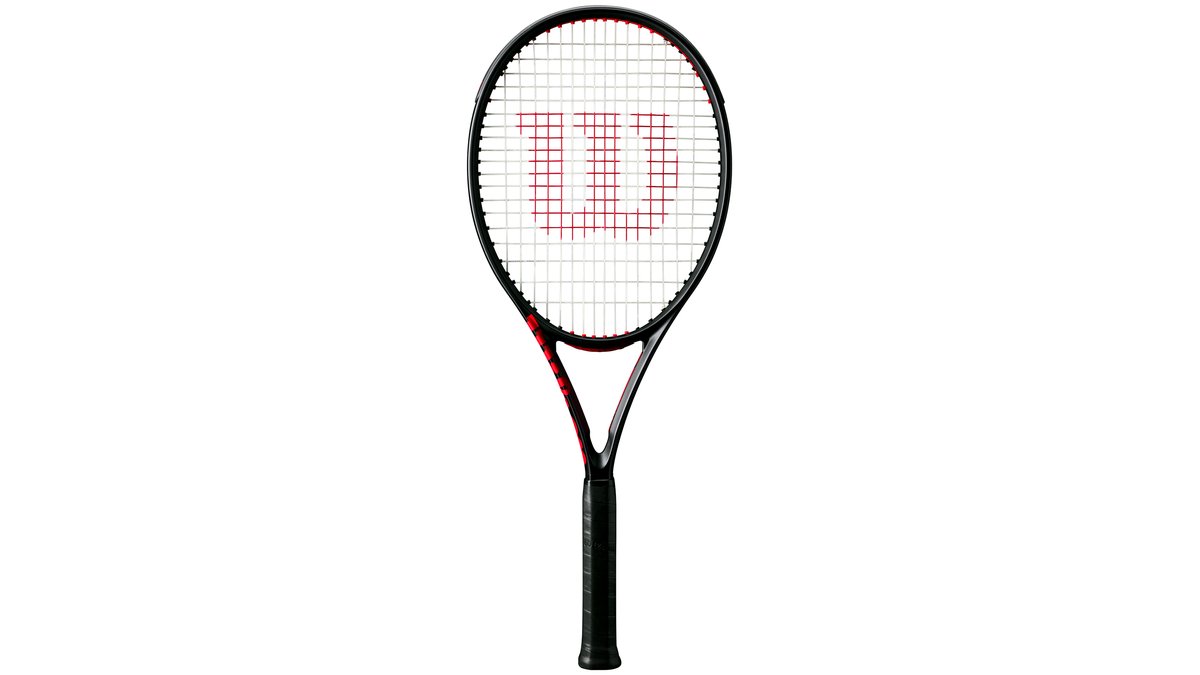
Lines such as Wilson’s Pro Staff and Blade series, Babolat’s Pure Strike, Head’s Speed and Prestige series, and Yonex’s Ezone and Percept lines are frequently recommended by reviewers for intermediate-to-advanced players who have a full, fast swing and want precise control over placement and spin. These frames typically use a smaller head size and a more head-light balance (weight distributed toward the handle), which rewards good technique but is less forgiving of mistimed shots than game-improvement frames.
Power and Game-Improvement Rackets
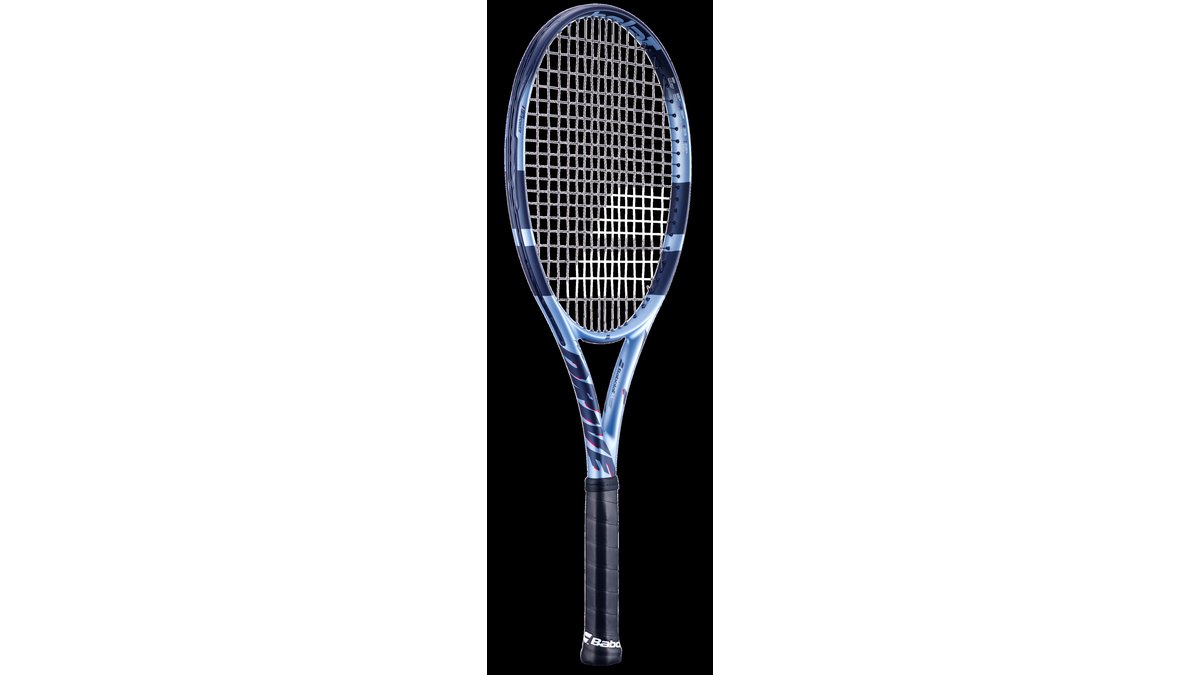
Babolat’s Pure Drive, Wilson’s Clash series, and Head’s Extreme series are commonly cited as popular choices for intermediate players who want a blend of power and forgiveness, using a slightly larger head and more even or head-heavy balance to generate pace with less swing effort. Wilson markets the Clash line specifically around flexibility and comfort, which reviewers often note makes it a good fit for players dealing with arm or elbow sensitivity who still want reasonable power.
Beginner and Recreational Rackets
For new players, most major brands offer lighter, larger-head frames (often in the 105-115 square inch range) designed to maximize the sweet spot and reduce the swing speed needed to generate pace. These frames prioritize forgiveness and comfort over the precise control that advanced players look for, making them a sensible starting point before a player’s technique and swing speed develop further.
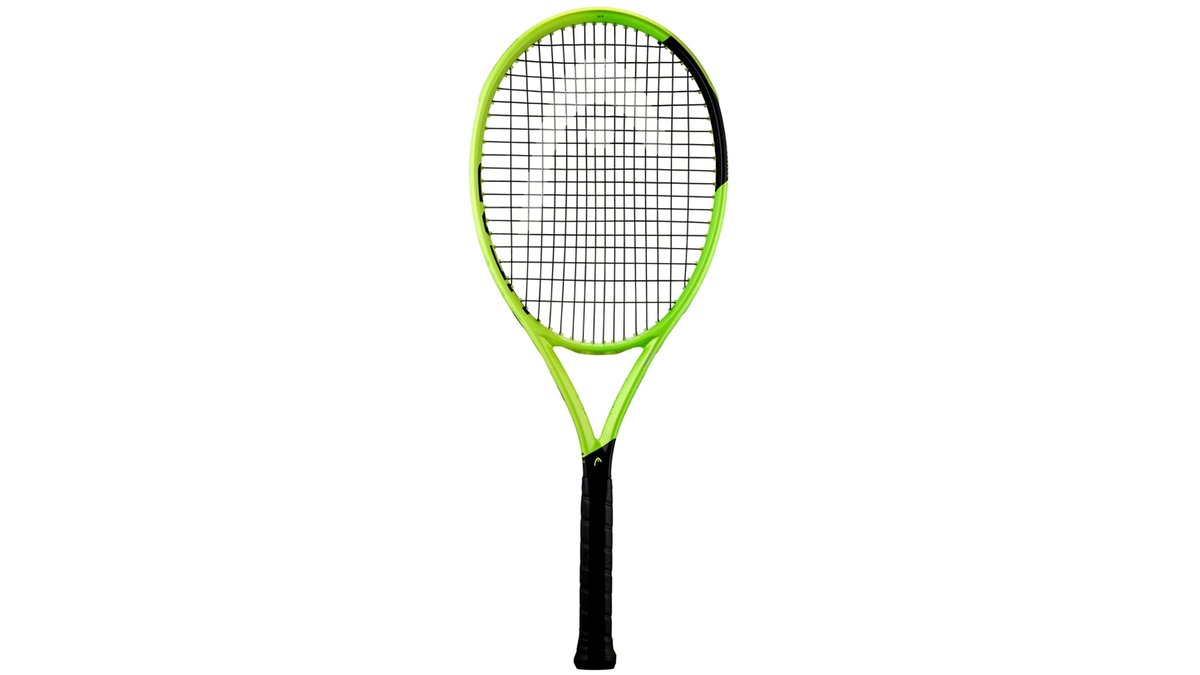
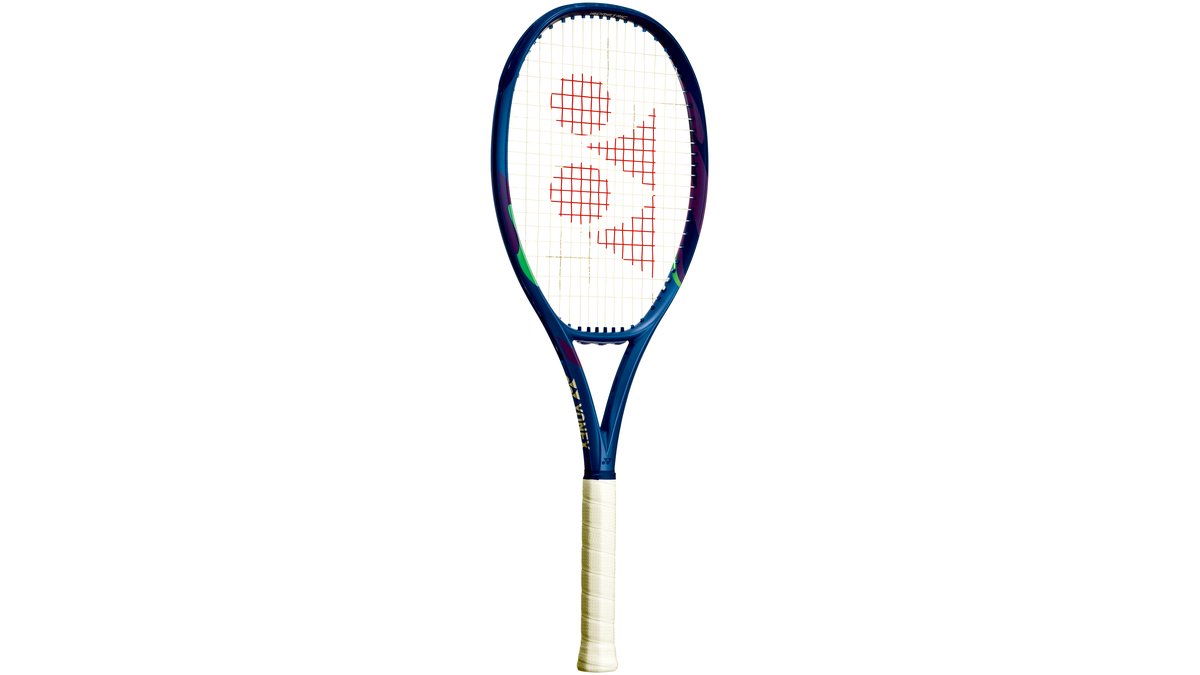
At a Glance Comparison
| Racket Type | Best For | Key Stated Specs | Limits |
|---|---|---|---|
| Player’s racket (e.g., Wilson Pro Staff/Blade, Babolat Pure Strike, Yonex Ezone/Percept) | Advanced players with fast, full swings wanting control | Smaller head size (95-100 sq in), head-light balance per maker specs | Less forgiving on off-center or late hits |
| Power/game-improvement racket (e.g., Babolat Pure Drive, Head Extreme) | Intermediate players wanting easy pace generation | Larger head size, more even balance per maker specs | Can feel less precise for players seeking fine placement control |
| Comfort/flex racket (e.g., Wilson Clash series) | Players prioritizing arm comfort alongside power | Maker-stated flexible frame construction for shock absorption | Flex-focused design trades off some plow-through on heavy balls |
| Beginner/recreational racket (105-115 sq in head) | New players and casual recreational use | Large head size, lighter weight, head-heavy balance | Limited control precision as skill develops |
Fit and Compatibility Notes
Grip size matters as much as frame choice: a grip that’s too small can increase wrist and elbow strain, while one that’s too large reduces racket-head control, so players should measure hand size or get fitted rather than guessing. String tension also changes how any given frame plays, with lower tension generally adding power and higher tension adding control, so the same racket can feel different depending on how it’s strung. Players managing elbow or shoulder sensitivity should look specifically at frames marketed for comfort and flexibility, and consider consulting a coach or sports physical therapist about string tension and grip fit if pain persists.
Swing Weight, Stiffness, and Why Spec Sheets Only Tell Part of the Story
Beyond static weight, swing weight (how heavy a racket feels while actually swinging it, influenced by how mass is distributed along the frame) has a bigger effect on feel than the raw unstrung weight number many buyers focus on first. Two rackets with identical weight can feel completely different if one distributes more mass toward the head and the other toward the handle, which is why head-light and head-heavy balance points matter as much as total grams.
Frame stiffness, often listed as a RA rating by manufacturers, affects both power and comfort. Stiffer frames generally transfer more energy into the ball for added power but transmit more shock to the arm, while more flexible frames absorb some of that shock at the cost of a bit of raw power, which is part of why comfort-focused lines like Wilson’s Clash are built around a notably more flexible frame construction. Players switching from an older, stiffer racket to a significantly more flexible one, or vice versa, often need a short adjustment period to recalibrate their timing and feel for pace.
Because these factors interact rather than working independently, two rackets with nearly identical headline specs from different brands can still feel noticeably different on court. This is the main reason reviewers and experienced players keep recommending a demo session over spec-sheet shopping alone, particularly for anyone stepping up from a beginner frame into a players’ or game-improvement racket for the first time.
Pick X If… Decision Table
| If you… | Pick |
|---|---|
| Have a fast, full swing and want maximum control and feel | A player’s racket such as the Pro Staff, Blade, or Pure Strike lines |
| Want easy power without needing a fast swing | A game-improvement racket such as the Pure Drive or Extreme lines |
| Deal with arm or elbow sensitivity but still want pace | A comfort-focused flexible frame such as the Clash series |
| Are new to tennis or play casually | A lighter, large-head beginner racket |
Alternatives Worth Considering
Junior players should look at brand-specific junior racket lines sized to the child’s height rather than a scaled-down adult frame, since junior rackets are built lighter and shorter for proper swing mechanics. Players who mainly play doubles and prioritize quick reactions at net sometimes prefer a slightly lighter, more maneuverable frame than they’d choose for singles-focused baseline play. Pickleball or padel crossover players occasionally ask about multi-sport rackets, but dedicated tennis rackets generally outperform multi-sport designs for actual tennis play.
Frequently Asked Questions
How do I know what grip size I need?
A common method is measuring from the middle crease of the palm to the tip of the ring finger, which roughly corresponds to standard grip size measurements in inches. Racket shops and many coaches can also fit grip size directly by having the player hold different frames.
Does a heavier racket really generate more power?
Generally yes, heavier rackets carry more mass into the ball, producing more power per swing, but they also require more strength and swing speed to control and maneuver quickly. Lighter rackets are easier to swing fast and maneuver at net but generate less power on their own.
Can switching rackets help with tennis elbow?
A more flexible, arm-friendly frame paired with a lower string tension can reduce shock transmitted to the arm for some players, and several brands market specific comfort-oriented lines for this reason. Persistent elbow pain should still be evaluated by a doctor or physical therapist rather than addressed through equipment changes alone.
What string pattern is better, dense or open?
Open string patterns (fewer strings, more spacing) generally generate more spin potential, while dense patterns offer more control and a more consistent response across the string bed. Many intermediate players find a mid-range pattern offers a reasonable balance of both.
How often should I restring my racket?
A common guideline from stringers and coaches is to restring as many times per year as you play per week, though players who notice strings losing tension or fraying sooner should restring earlier. Strings lose tension and feel even without visible wear, so time-based restringing matters even for infrequent players.
Is it worth demoing a racket before buying?
Where a demo program is available, reviewers strongly recommend trying a racket on-court before buying, since specs like weight and head size only partially predict feel. Demoing is especially useful when choosing between two rackets with similar specs but different brands or frame construction.