Key takeaways
- Balance. Head-light rackets swing faster and suit doubles, net play, and fast defensive exchanges. Head-heavy rackets store more mass in the head for smashing power but are slower to maneuver and reward players with established technique. Even-balance rackets sit between the two and work as an all-around choice.
- Shaft flexibility. Flexible shafts help players who have a slower or shorter swing generate power with less effort, which suits beginners and casual players. Stiff shafts transfer more of the player’s own swing speed into the shot with less shaft “whip,” which experienced, fast-swinging players prefer for precision.
- Weight. Most adult rackets fall in a narrow unstrung weight band; lighter rackets reduce arm and shoulder fatigue over long sessions, while slightly heavier rackets can add stability on mishits. Junior and recreational players should generally lean lighter.
- Grip size. A grip that is too thick limits wrist snap and feel; too thin and the racket can twist in hand on off-center hits. Many players start with the manufacturer’s standard grip and add an overgrip to fine-tune thickness and feel rather than buying a different grip size.
- String tension range. Lower tensions trampoline the shuttle more for easier power; higher tensions give better control and a crisper feel but demand more precise technique. Check the racket’s maker-stated maximum tension before stringing, since exceeding it risks frame damage.
- Frame material and build. Nearly all performance rackets now use carbon-fiber composite frames for a strong, light structure; differences between tiers usually come from the specific carbon layup, frame geometry, and whether the shaft uses added dampening materials.
Casual and social players do best with a flexible, head-light racket that is easy to swing fast, while competitive or club-level players who already generate their own power usually prefer a stiffer, more head-heavy racket built for smashing. The right pick depends less on brand and more on three numbers: balance point, shaft flex, and string tension range, which together determine how much work the racket does for you versus how much power and control you need to supply yourself.
As an Amazon Associate, we earn from qualifying purchases made through links on this page.
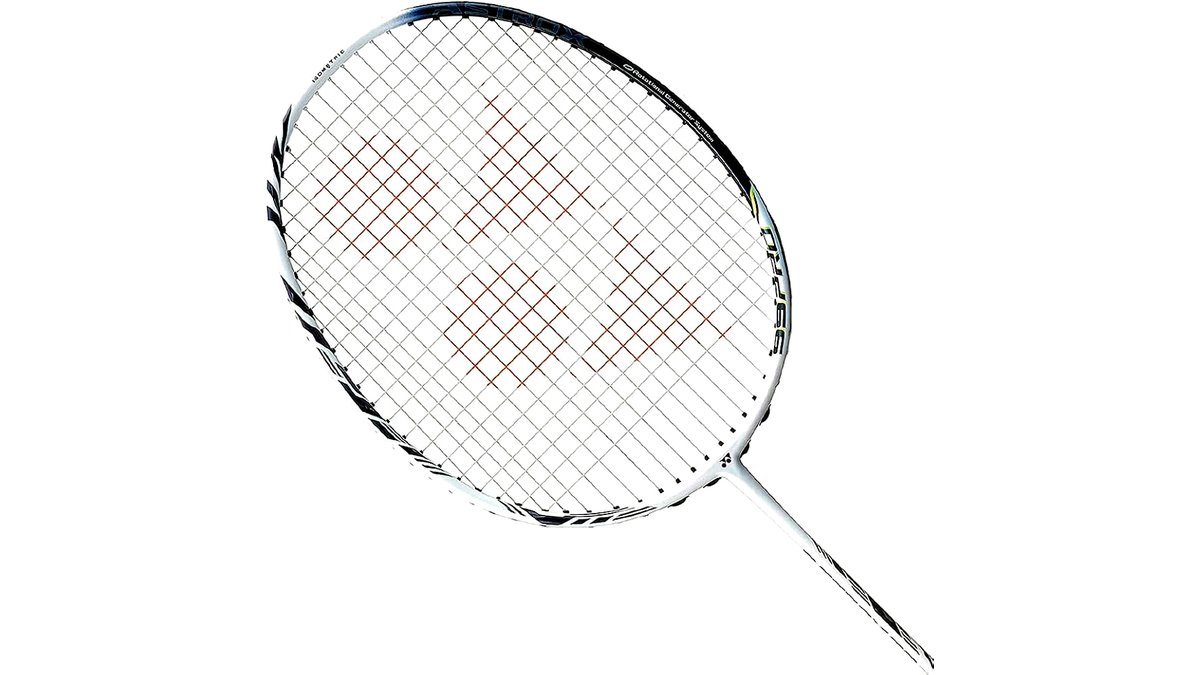
How to choose a badminton racket
- Balance. Head-light rackets swing faster and suit doubles, net play, and fast defensive exchanges. Head-heavy rackets store more mass in the head for smashing power but are slower to maneuver and reward players with established technique. Even-balance rackets sit between the two and work as an all-around choice.
- Shaft flexibility. Flexible shafts help players who have a slower or shorter swing generate power with less effort, which suits beginners and casual players. Stiff shafts transfer more of the player’s own swing speed into the shot with less shaft “whip,” which experienced, fast-swinging players prefer for precision.
- Weight. Most adult rackets fall in a narrow unstrung weight band; lighter rackets reduce arm and shoulder fatigue over long sessions, while slightly heavier rackets can add stability on mishits. Junior and recreational players should generally lean lighter.
- Grip size. A grip that is too thick limits wrist snap and feel; too thin and the racket can twist in hand on off-center hits. Many players start with the manufacturer’s standard grip and add an overgrip to fine-tune thickness and feel rather than buying a different grip size.
- String tension range. Lower tensions trampoline the shuttle more for easier power; higher tensions give better control and a crisper feel but demand more precise technique. Check the racket’s maker-stated maximum tension before stringing, since exceeding it risks frame damage.
- Frame material and build. Nearly all performance rackets now use carbon-fiber composite frames for a strong, light structure; differences between tiers usually come from the specific carbon layup, frame geometry, and whether the shaft uses added dampening materials.
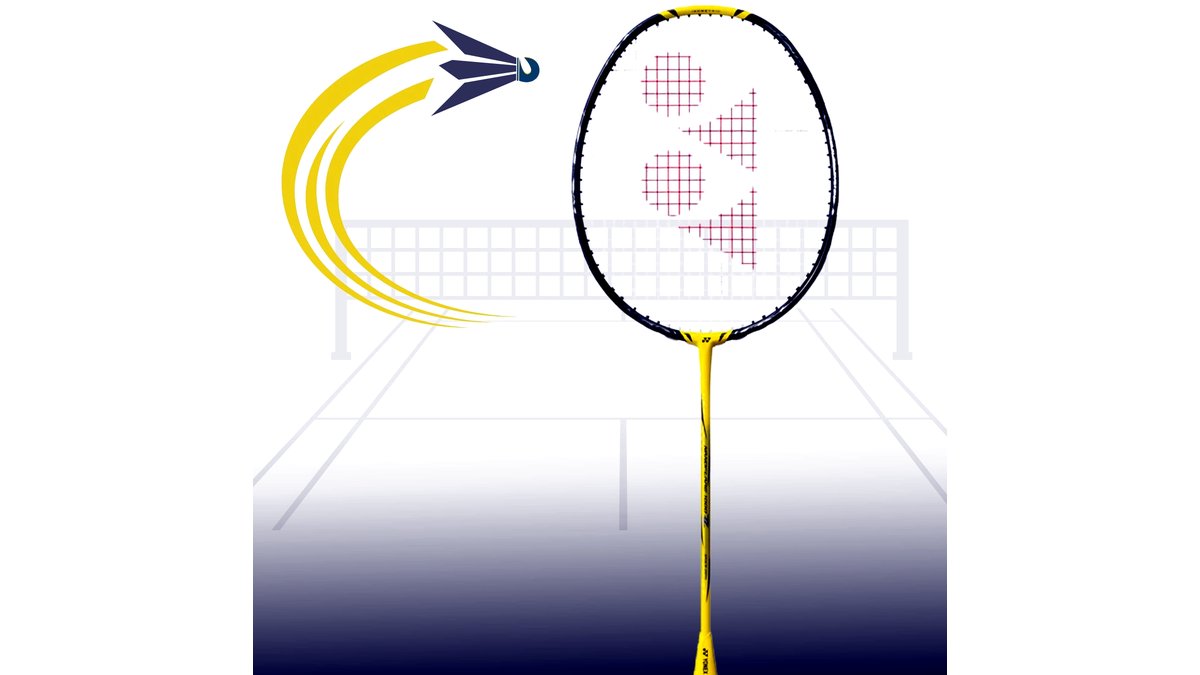
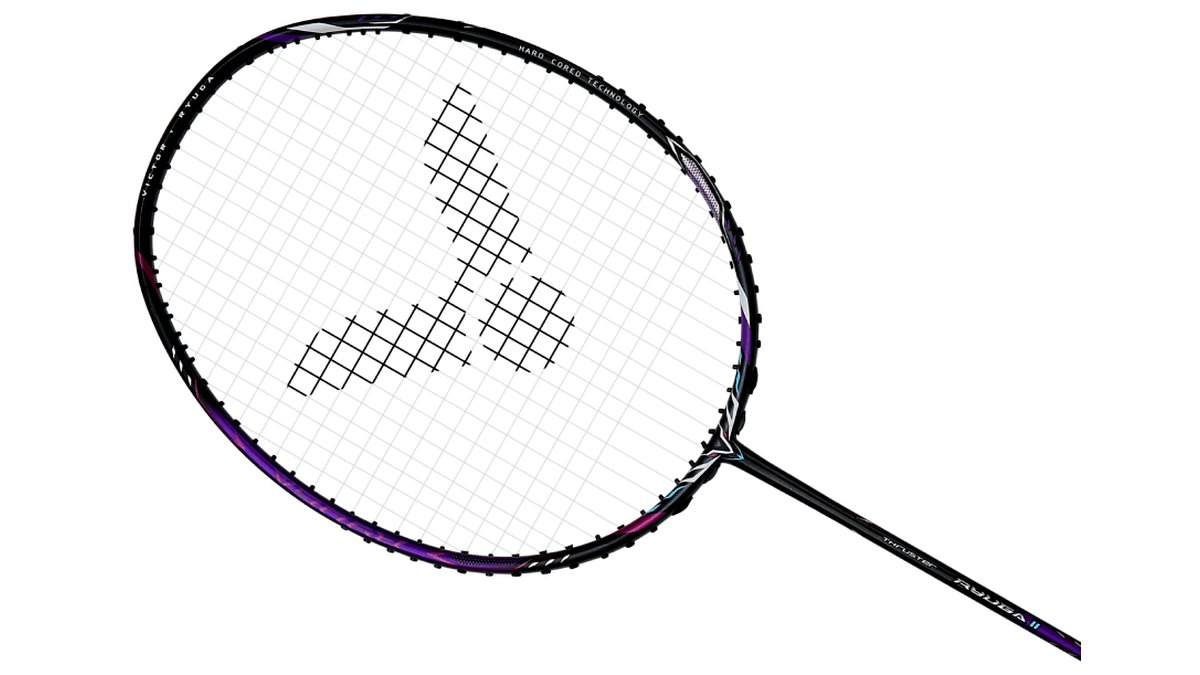
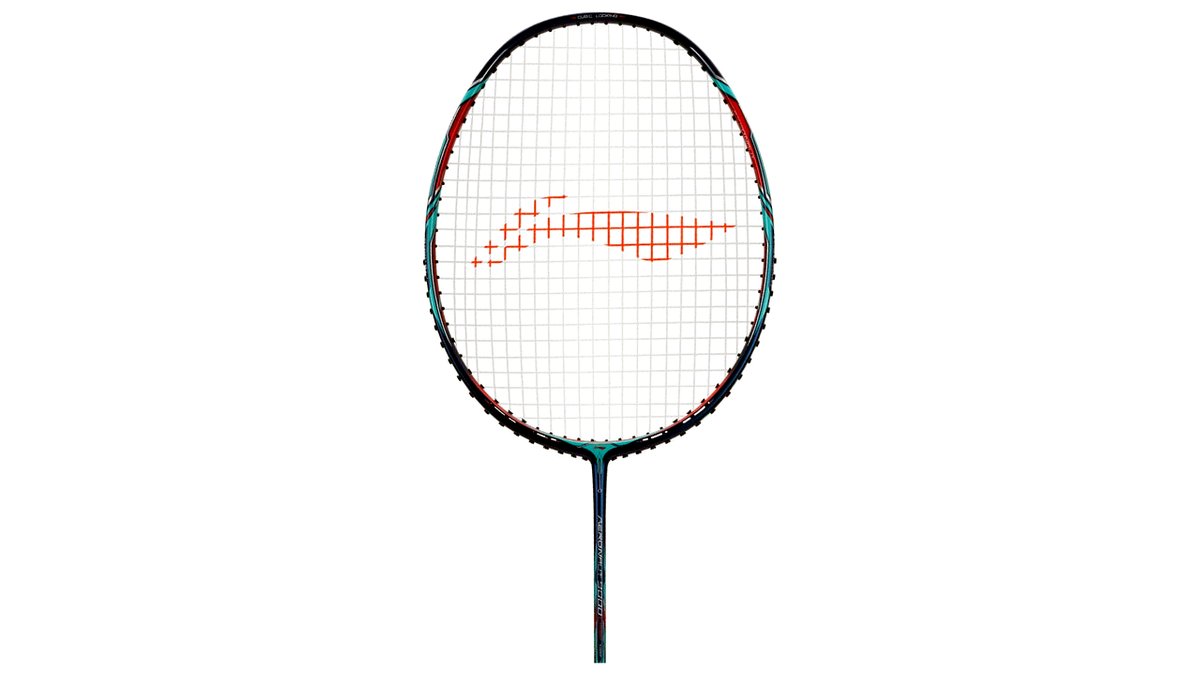
At a glance: badminton racket types
| Type | Best for | Key stated specs | Limits |
|---|---|---|---|
| Beginner/recreational all-around | New players, casual backyard or social games | Even or slightly head-light balance, flexible shaft, lighter weight, wider sweet spot geometry | Less smash power for advancing players, may feel “dead” to experienced swingers |
| Doubles/attacking speed racket | Doubles players, fast net exchanges, quick defense-to-attack transitions | Head-light balance, stiffer or medium shaft, built for fast swing speed | Less raw smash power than head-heavy designs, needs active wrist use |
| Power/smash-oriented racket | Singles players and strong swingers wanting maximum smash power | Head-heavy balance, stiff shaft, higher max string tension | Harder to maneuver quickly, tiring for players without a developed swing, less forgiving on mistimed shots |
| Control/all-around performance racket | Intermediate to advanced players wanting a balance of power and precision | Even balance, medium-stiff shaft, moderate-to-high max tension | Not specialized for either pure power or pure speed; a compromise pick |
Pick X if…
| If you… | Choose |
|---|---|
| Are new to the sport or play casually | A flexible, even or head-light all-around racket |
| Mostly play doubles with fast net exchanges | A head-light, stiffer attacking/speed racket |
| Play singles and want maximum smash power | A head-heavy, stiff-shaft power racket |
| Want one racket that handles both power and control | An even-balance, medium-stiff all-around performance racket |
| Have shoulder or elbow sensitivity | The lightest flexible racket available, strung at a lower tension |
Beginner and recreational rackets
For someone picking up a racket for the first time, the most forgiving setup is a lighter, flexible-shaft racket with an even or slightly head-light balance. The flex does much of the work generating pace on a shot, which matters because new players have not yet developed a fast, compact swing. Reviewers and coaching guides commonly note that a wider, more forgiving string pattern also helps beginners who are still learning to hit the shuttle on-center. These rackets are usually sold pre-strung at a moderate tension suitable for casual play, so there is no need to restring immediately after purchase.
Doubles and attacking speed rackets
Doubles badminton rewards quick reactions at the net and fast transitions between defense and attack, so head-light rackets that swing quickly are the standard choice at this level. A stiffer shaft than a beginner racket helps intermediate and advanced players place shots precisely during fast net exchanges, where power matters less than control and reaction speed. Players moving from recreational to club-level doubles often notice the biggest improvement comes from this balance shift rather than from weight or price alone.
Power and smash-oriented rackets
Head-heavy rackets concentrate more mass toward the string bed, which increases the momentum carried into a smash when the player supplies a full, fast swing. This design rewards players with established technique and a strong forearm and wrist action; players without that swing speed yet may find a head-heavy racket feels sluggish on quick exchanges and tiring over a long match. Manufacturers typically pair head-heavy frames with a stiffer shaft and a higher maximum string tension rating, since stiffer shafts and higher tensions give more precise control over a powerfully struck shuttle.
All-around control rackets
Players who don’t want to specialize often settle on an even-balance racket with a medium-stiff shaft, which splits the difference between smash power and maneuverability. This category suits intermediate and advancing players who play both singles and doubles and want one racket that performs reasonably well in both formats rather than excelling narrowly at one.
Fit and sizing notes
Grip size is usually listed by the manufacturer in a small numeric or lettered range; when between two sizes, players with smaller hands generally do better going down a size and adding an overgrip if more cushion is wanted, since an overgrip is easy to remove or replace but a grip that’s permanently too thick limits wrist snap on every shot. Shuttlecock type also affects how a racket feels: feather shuttles are standard for competitive and club play, while synthetic/nylon shuttles are more durable for casual outdoor use and behave slightly differently in flight, which can make the same racket feel different depending on which shuttle is used. Always check a racket’s maker-stated maximum string tension before restringing, and have stringing done by someone experienced with badminton rackets rather than a general racket-sport stringer, since badminton frames are strung far tighter relative to their weight than tennis rackets.
Alternatives worth considering
- A pre-strung beginner set with multiple rackets and shuttles. For households or casual groups just starting out, a multi-racket set is often more practical than buying a single performance racket, since it lets several people play without each needing their own equipment.
- A junior-specific racket. Children and smaller players benefit from a shorter, lighter junior racket sized to their height and strength rather than a cut-down adult racket, since junior models are built with proportionally different balance.
- Court shoes and a proper grip overwrap. Reviewers consistently note that footwear suited to quick lateral movement and a fresh overgrip improve on-court performance and comfort as much as, or more than, upgrading the racket itself.
Frequently Asked Questions
What string tension should a beginner use?
Most beginners do well with a lower-to-moderate tension within the racket’s stated range, since lower tension gives more natural power and a larger margin for off-center hits. As technique and swing speed improve, many players gradually move toward higher tensions for better control.
How often should badminton string be replaced?
String loses tension and elasticity over time even without breaking, so frequent players often restring every few months, while casual players may go much longer. A general guideline some stringers use is to restring roughly as many times per year as you play per week, though actual needs vary with playing intensity and climate.
Is a heavier racket always more powerful?
Not necessarily. Power comes from a combination of swing speed, timing, and where mass is distributed in the racket, not just total weight. A head-heavy racket swung well can outperform a heavier but poorly balanced racket, and a racket that’s too heavy for a player’s swing speed can actually reduce power and increase injury risk.
Can one racket work for both singles and doubles?
Yes, an even-balance, medium-stiff all-around racket is commonly recommended for players who split time between both formats. Specialized rackets offer an edge in their specific format but aren’t required to play either well.
What causes elbow or wrist soreness from badminton?
Overly stiff shafts, overly high string tension relative to a player’s technique, or incorrect grip size can all increase strain on the wrist and elbow over repeated play. Players experiencing persistent pain should consider a more flexible racket and lower tension, check their grip size and technique, and see a doctor or physical therapist if soreness continues.
Do I need a different racket for outdoor play?
Outdoor badminton is typically played with more durable synthetic shuttles rather than feather shuttles, and wind affects shuttle flight significantly, but the same racket generally works for both settings. Some players prefer a slightly more head-heavy racket outdoors to help push through wind resistance on longer shots.