Key takeaways
- Torque sensor vs. cadence sensor. A torque sensor measures how hard you’re actually pushing on the pedals and scales motor output to match, producing assist that feels proportional and natural. A cadence sensor only detects that the pedals are turning and applies a preset amount of assist regardless of how hard you’re pushing, which feels more like an on/off switch than a blended boost.
- Riding terrain. Hilly or mixed terrain benefits more from torque sensing, since assist scales up automatically as pedaling effort increases on a climb. Flat, consistent commuting routes see less practical difference between the two sensor types.
- Battery efficiency. Torque-sensing systems generally use power more efficiently because assist matches actual effort rather than applying a fixed boost regardless of how hard the rider is pedaling, which can translate to better range per charge in varied terrain.
- Sensor placement and type. Torque sensors are commonly built into the bottom bracket or rear hub; bottom-bracket-based sensors are generally regarded as more responsive since they measure force closer to where it’s applied. Some bikes combine both torque and cadence sensing for smoother assist transitions at low pedaling speeds.
- Number of torque measurement levels. Some systems measure torque in finer increments than others; a sensor with more measurement resolution can deliver smoother, more gradual assist changes as effort varies, while coarser systems may feel like it jumps between steps.
- Cost and complexity. Torque sensors add cost and mechanical complexity to a motor system compared with simpler cadence sensors, which is reflected in pricing between otherwise similar bikes or conversion kits.
Riders who want a natural, bike-like pedaling feel and better hill-climbing efficiency should prioritize an e-bike with a torque sensor over one using only a cadence sensor, while riders mainly interested in the lowest-cost assist for flat commuting may not notice enough difference to justify paying more for it. Torque and cadence sensing are the two main ways an e-bike’s motor decides how much assist to deliver, and understanding the difference matters more than any single spec when comparing bikes or upgrade kits.
As an Amazon Associate, we earn from qualifying purchases made through links on this page.
How to choose an e-bike by its pedal-assist sensor
- Torque sensor vs. cadence sensor. A torque sensor measures how hard you’re actually pushing on the pedals and scales motor output to match, producing assist that feels proportional and natural. A cadence sensor only detects that the pedals are turning and applies a preset amount of assist regardless of how hard you’re pushing, which feels more like an on/off switch than a blended boost.
- Riding terrain. Hilly or mixed terrain benefits more from torque sensing, since assist scales up automatically as pedaling effort increases on a climb. Flat, consistent commuting routes see less practical difference between the two sensor types.
- Battery efficiency. Torque-sensing systems generally use power more efficiently because assist matches actual effort rather than applying a fixed boost regardless of how hard the rider is pedaling, which can translate to better range per charge in varied terrain.
- Sensor placement and type. Torque sensors are commonly built into the bottom bracket or rear hub; bottom-bracket-based sensors are generally regarded as more responsive since they measure force closer to where it’s applied. Some bikes combine both torque and cadence sensing for smoother assist transitions at low pedaling speeds.
- Number of torque measurement levels. Some systems measure torque in finer increments than others; a sensor with more measurement resolution can deliver smoother, more gradual assist changes as effort varies, while coarser systems may feel like it jumps between steps.
- Cost and complexity. Torque sensors add cost and mechanical complexity to a motor system compared with simpler cadence sensors, which is reflected in pricing between otherwise similar bikes or conversion kits.
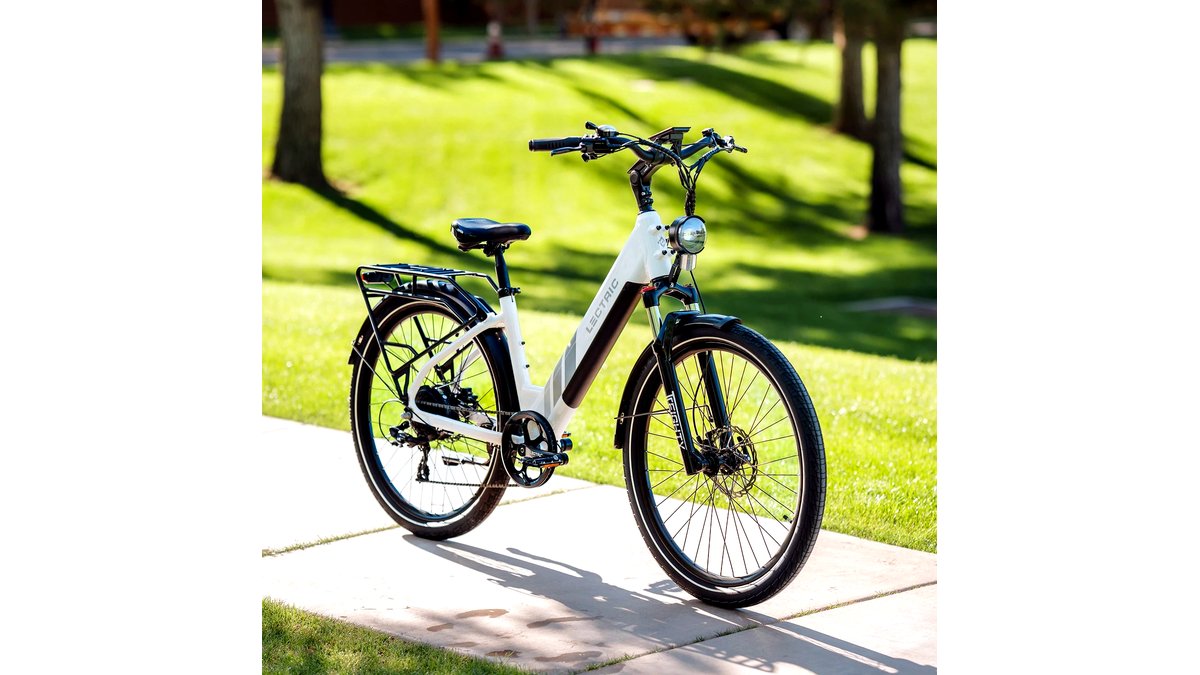
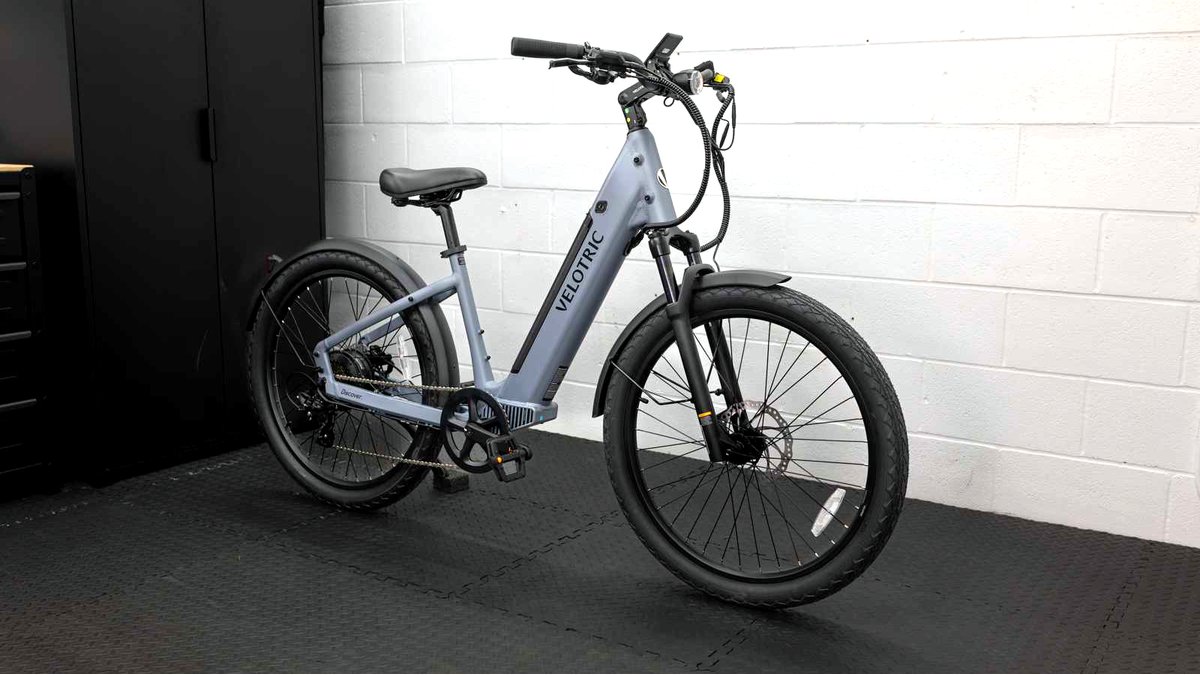
At a glance: pedal-assist sensor types
| Type | Best for | Key stated specs | Limits |
|---|---|---|---|
| Torque sensor (bottom bracket) | Hilly terrain, natural-feeling assist, efficient battery use | Measures actual pedaling force, scales assist proportionally, often paired with multiple assist levels | Higher cost, more complex to service or replace than a cadence sensor |
| Torque sensor (rear hub) | Simpler mid-tier bikes wanting torque-based assist without bottom-bracket integration | Measures force at the rear hub, proportional assist | Generally considered slightly less responsive than bottom-bracket torque sensors by reviewers |
| Cadence sensor | Flat commuting, budget-focused riders, simple on/off-feeling assist | Detects pedal rotation only, applies a preset assist level per gear/mode | Less natural feel, assist doesn’t scale with actual effort, generally less efficient use of battery |
| Combined torque + cadence system | Riders wanting smooth low-speed assist transitions | Uses cadence data to smooth assist engagement at low speed while torque data scales overall output | Added system complexity, found mainly on mid-to-premium bikes |
Pick X if…
| If you… | Choose |
|---|---|
| Ride hilly or mixed terrain regularly | A bike with a bottom-bracket torque sensor |
| Want the most natural, bike-like pedaling feel | A torque-sensing system over a cadence-only system |
| Mainly commute on flat, consistent routes and want lower cost | A cadence-sensor bike, which can still work well in this scenario |
| Want maximum range per charge in varied terrain | A torque-sensing bike, since it generally uses battery power more efficiently |
| Are converting a regular bike with an aftermarket kit | Check whether the kit offers a torque-sensing option, since many budget kits are cadence-only |
How torque sensors work and why they matter
A torque sensor sits in the drivetrain, most often integrated into the bottom bracket where the pedal cranks meet the frame, and measures the actual force the rider applies to the pedals in real time. The motor’s controller uses that reading to scale assist proportionally, so pushing harder on a climb brings more assist while light pedaling on a flat stretch brings less. Reviewers and cycling outlets consistently describe this as feeling more like a natural extension of the rider’s own effort than a simple boost, which is part of why torque-sensing systems are standard on higher-tier e-bikes and increasingly common on mid-tier models as costs have come down.
Cadence sensors and how they differ
A cadence sensor only detects that the pedals are turning and at what speed, without measuring how hard the rider is pushing. The motor controller then applies a preset amount of assist tied to the selected assist level and current pedaling speed, rather than adjusting based on effort. This produces a noticeably different feel: riders often describe cadence-based assist as more of an on/off or step-based boost, since the same light pedaling and hard pedaling at a given cadence and assist level will receive a similar amount of motor help. Cadence systems are mechanically simpler and generally keep the bike or conversion kit’s cost down, which is why they remain common on budget and entry-level e-bikes.
Hub-based torque sensors
Some mid-tier systems place the torque sensor at the rear hub rather than the bottom bracket, measuring force transmitted through the drivetrain at that point instead of directly at the pedals. This still provides proportional, effort-based assist and is less expensive to integrate than a bottom-bracket design, making it a middle ground between basic cadence sensing and premium bottom-bracket torque sensing. Reviewers have generally noted hub-based torque sensing feels slightly less immediate or precise than bottom-bracket sensing, though the practical difference is less noticeable to casual riders than to those comparing the two back to back.
Combined torque and cadence systems
Many current mid-to-premium e-bike motor systems combine both sensor types, using cadence data to smooth the transition when assist first engages at very low pedaling speed (where torque readings alone can feel abrupt) while relying on torque data to scale overall assist output as effort changes. This hybrid approach aims to capture the natural feel of torque sensing while avoiding jerky assist engagement right as the rider starts pedaling from a stop, which some pure torque-sensing systems can exhibit at very low speeds.
Fit and compatibility notes
If considering an aftermarket conversion kit rather than a complete e-bike, check specifically whether the kit uses a torque sensor or cadence sensor, since budget conversion kits frequently use cadence sensing to keep costs down even when marketed generally as “pedal assist.” Torque-sensor-equipped bottom brackets on conversion kits also need to match the bike’s existing bottom bracket shell width and standard, so confirm compatibility with the specific bike frame before purchase. For complete e-bikes, the sensor type is usually listed in the motor or drivetrain specifications on the maker’s product page rather than advertised prominently, so it may take some searching through the spec sheet to confirm which type a given model uses.
Alternatives worth considering
- A throttle-only or throttle-plus-pedal-assist bike. Some e-bikes include a throttle that provides assist without pedaling at all, which some riders want as a backup option regardless of which pedal-assist sensor type the bike uses.
- A mid-drive motor system vs. hub motor. Separately from sensor type, mid-drive motors (which work through the bike’s existing gears) are often paired with torque sensing and are generally regarded as more efficient on hills than hub motors, which is worth comparing alongside sensor type.
- A test ride before buying. Because sensor feel is subjective and some riders strongly prefer one type over the other, test riding both a torque-sensing and cadence-sensing bike before committing can clarify personal preference better than specs alone.
Frequently Asked Questions
Is a torque sensor always better than a cadence sensor?
For most riders, torque sensing provides a more natural feel and better efficiency, especially on hills or varied terrain, but it isn’t strictly “better” for every situation. Riders on flat, predictable routes who prioritize lower cost may find a cadence-sensor bike perfectly adequate for their needs.
Can I upgrade a cadence-sensor e-bike to a torque sensor?
Generally no, not as a simple add-on; the sensor type is built into the bike’s bottom bracket or hub motor system and typically requires replacing that component or the whole drivetrain system rather than a simple upgrade. It’s usually more practical to choose the sensor type when buying rather than planning to upgrade later.
Does a torque sensor improve battery range?
Torque sensing tends to use power more efficiently because assist scales with actual effort rather than applying a fixed amount regardless of how hard the rider pedals, which can improve real-world range in varied terrain. Actual range still depends heavily on battery capacity, rider weight, terrain, and assist level chosen, not sensor type alone.
Why does my cadence-sensor e-bike feel jerky at low speed?
Cadence sensors apply a preset assist level as soon as pedal rotation is detected, which can feel like a sudden push rather than a gradual increase, especially starting from a stop. This is a known characteristic of cadence-based systems rather than a defect, though it varies in intensity between different bikes and assist level settings.
How do I know which sensor type my e-bike or kit has?
Check the motor or drivetrain section of the manufacturer’s product page or owner’s manual, which should specify torque sensing, cadence sensing, or a combined system. If it isn’t listed clearly, contacting the manufacturer directly or checking independent reviews of the specific model is the more reliable path than guessing from the bike’s price alone.
Do torque sensors need special maintenance?
Torque sensors integrated into the bottom bracket generally don’t require separate maintenance beyond normal bottom bracket and drivetrain care, but they can be more expensive to repair or replace if they fail, since they’re often integrated with the motor unit rather than a standalone part. Following the manufacturer’s manual for service intervals is the best way to catch issues early.