Key takeaways
- Larger or taller riders who need a sturdy frame and a high weight rating suit a heavy-duty upright or recumbent exercise bike with a reinforced frame and wide seat, while riders primarily concerned with joint comfort suit a heavy-duty recumbent…
Larger or taller riders who need a sturdy frame and a high weight rating suit a heavy-duty upright or recumbent exercise bike with a reinforced frame and wide seat, while riders primarily concerned with joint comfort suit a heavy-duty recumbent model, since frame rating and seat design matter more for this buyer than resistance type or console features.
As an Amazon Associate, we earn from qualifying purchases made through links on this page.
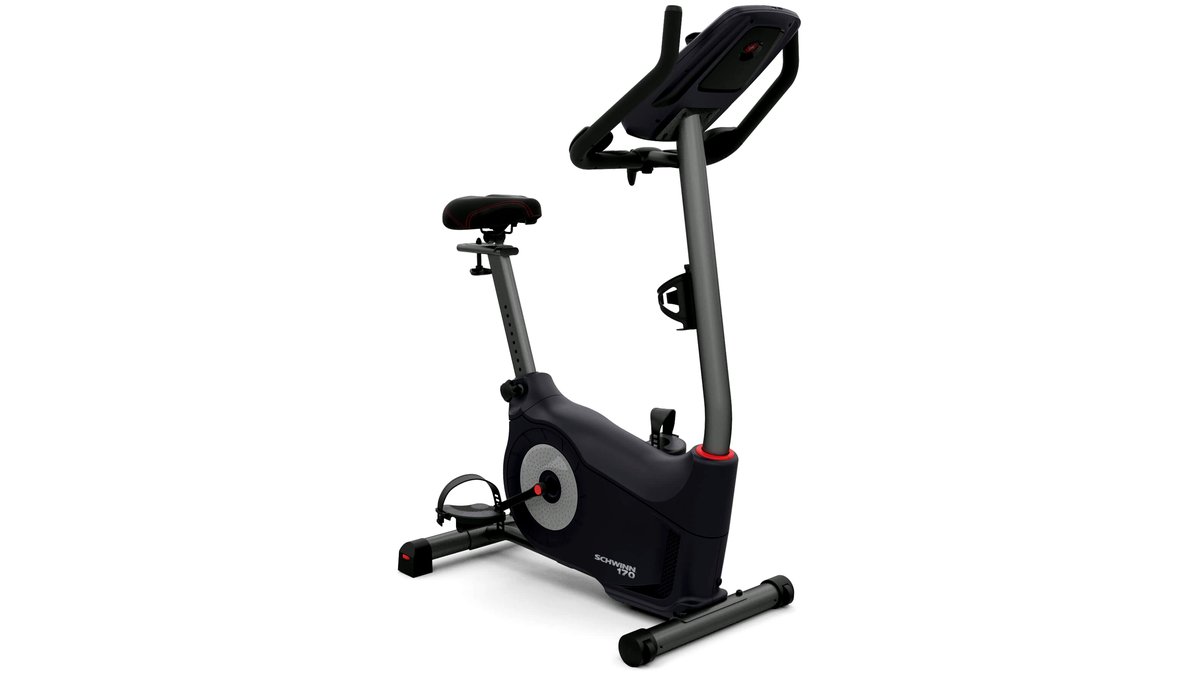
“Heavy-duty” in the exercise bike category generally refers to a reinforced frame rated for a higher maximum user weight than standard consumer bikes, often paired with a wider or more cushioned seat, a sturdier flywheel mount, and reinforced pedal arms. These bikes come in two main body styles: upright bikes, which position the rider similarly to a traditional spin bike or outdoor bicycle, and recumbent bikes, which place the rider in a reclined, seated position with back support and pedals positioned forward rather than below the body. Recumbent bikes generally put less strain on the lower back and joints, which makes them a common recommendation for riders managing joint pain, recovering from injury, or simply wanting a lower-impact cardio session, while upright bikes tend to engage the core more and better mimic an outdoor cycling position.
What Matters Most When Choosing
Maximum user weight rating is the defining spec in this category, and it varies meaningfully between models, so checking the manufacturer’s stated capacity against the rider’s actual weight, with some margin, is the most important single step before buying. Seat width and cushioning matter directly for comfort during longer sessions, and heavy-duty models frequently advertise wider seats than standard bikes to accommodate a broader range of body types. Step-through height and frame stability are worth checking for riders with limited mobility or balance concerns, since a lower step-through height and a wide, stable base reduce the risk of a fall when getting on or off the bike. Resistance type (magnetic versus friction) and console features (basic LCD displays versus app connectivity) matter less for durability but still affect day-to-day usability and should be matched to personal preference rather than treated as a durability factor.
Heavy-Duty Upright Picks
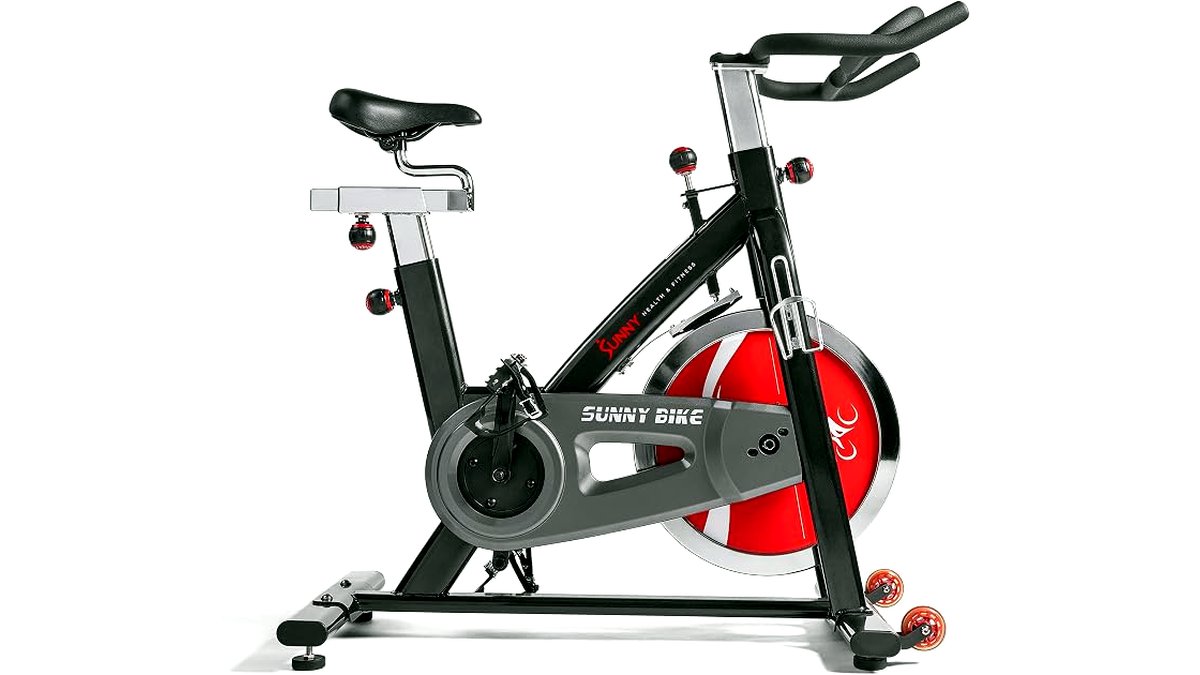
Reinforced-frame upright bikes from brands like Marcy and Sunny Health & Fitness are commonly cited in buying guides for combining a higher stated weight capacity with a more traditional cycling posture. These suit riders who want a workout that more closely resembles outdoor cycling or studio spin classes while still benefiting from the added frame strength and stability that heavy-duty construction provides. Reviewers note that upright models in this category still typically ask riders to check seat adjustability carefully, since a frame rated for higher weight does not automatically mean the seat and handlebar range will comfortably fit every body type.
Heavy-Duty Recumbent Picks
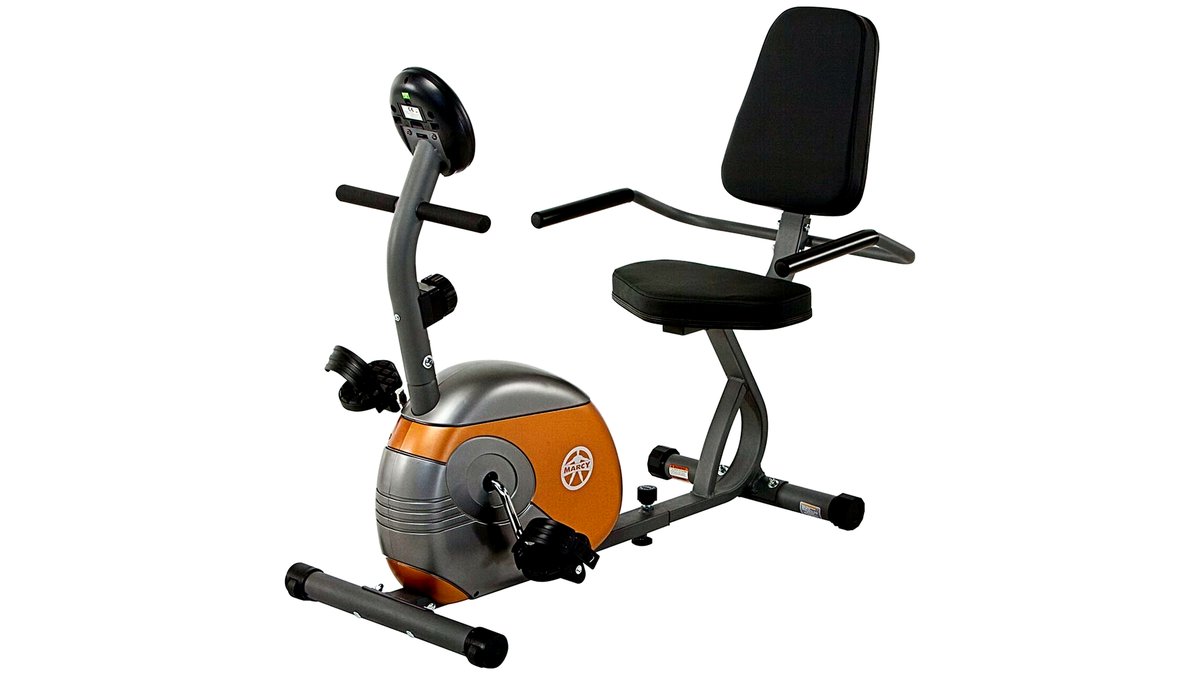
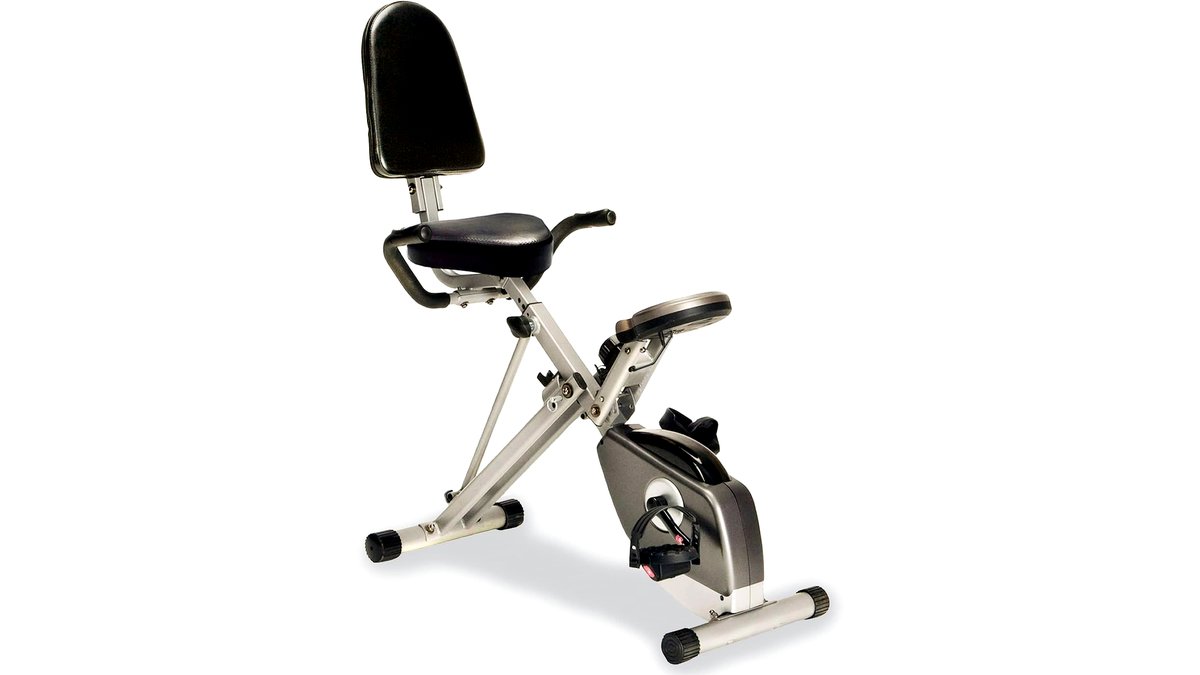
Recumbent exercise bikes built with reinforced frames and wider, more cushioned seats are frequently recommended for riders prioritizing comfort and joint protection alongside a higher weight capacity. Brands such as Marcy and Sunny Health & Fitness also offer recumbent models in this heavier-duty category, often with a step-through frame design that makes getting on and off easier for riders with limited mobility. The reclined seating position reduces pressure on the lower back and knees compared to an upright bike, which is a frequently cited reason riders with existing joint concerns choose this body style, though anyone with a specific medical condition or injury should check with a doctor or physical therapist before starting a new exercise routine.
At a Glance
| Bike Style | Best For | Key Stated Specs | Limits |
|---|---|---|---|
| Heavy-duty upright (e.g., Marcy, Sunny Health & Fitness) | Riders wanting a traditional cycling posture with higher weight capacity | Reinforced frame, maker-stated higher max user weight, adjustable seat and handlebars | Less back support than recumbent; higher step-over height for mounting |
| Heavy-duty recumbent (e.g., Marcy, Sunny Health & Fitness) | Joint comfort, lower-back support, easier mounting | Reclined seat with back support, step-through frame, reinforced construction | Larger footprint than upright models; less core engagement during the ride |
| Basic LCD console models | Riders who just want time, distance, and calorie tracking | Simple digital display, no app connectivity | No workout program variety or connected class options |
| App-connected console models | Riders who want guided classes or progress tracking | Bluetooth or app connectivity alongside the reinforced frame | Typically costs more than basic console versions |
Pick This If…
| Situation | Recommended Style |
|---|---|
| Want a workout posture closer to outdoor cycling | Heavy-duty upright bike |
| Managing joint pain, back issues, or limited mobility | Heavy-duty recumbent bike, and confirm with a doctor before starting if there is an existing injury |
| Need the easiest possible mounting and dismounting | Recumbent model with a low step-through frame |
| Want guided workouts or progress tracking | App-connected console model |
| Budget-focused, just want reliable tracking | Basic LCD console model |
Fit and Size Notes
Confirm the manufacturer’s stated maximum user weight and compare it against the rider’s actual weight with a reasonable safety margin, since heavy-duty ratings vary by model and are not interchangeable across brands. Seat width and the range of fore-aft and height adjustment both affect whether a given bike will actually fit comfortably; taller riders in particular should check the maximum seat-to-pedal distance before buying. Floor space matters too, since recumbent bikes generally have a longer footprint than upright models due to their reclined seating position, which can be a consideration in smaller rooms.
2-3 Alternatives
Riders who want even more back support than a standard recumbent bike offers might look at models specifically marketed with extra-wide, contoured seats and additional lumbar support, which some heavy-duty lines offer as a step above their standard recumbent option. For riders who want a full-body workout alongside leg-focused cardio, an elliptical machine rated for a similar higher weight capacity is a reasonable alternative, though it changes the motion pattern from cycling to a gliding stride. Riders who split time between upper and lower body cardio sometimes pair a heavy-duty exercise bike with a separate rowing machine, using the bike for lower-impact days and the rower for full-body sessions.
Assembly, Stability, and Long-Term Wear
Heavy-duty bikes generally ship with a sturdier base and wider stabilizer feet than standard models, but confirming the bike sits level on the intended floor surface after assembly still matters, since an uneven base can rock under load and accelerate wear at the frame’s welded joints over time. Many reviewers recommend periodically rechecking bolts, particularly at the seat post clamp and pedal cranks, since the higher loads these bikes are designed to handle can also reveal loose hardware faster than on a lighter-use standard bike if fasteners are not kept snug. Floor placement on a dedicated mat is also commonly suggested, both to protect flooring from the bike’s added weight and to reduce vibration transfer in multi-level homes or apartments.
Resistance mechanism wear is worth understanding before buying, since friction-based heavy-duty bikes use a brake pad that will eventually wear down with heavy or frequent use, while magnetic resistance systems have no contact wear and generally need less ongoing attention. Riders who plan to use the bike daily or for long sessions may find magnetic resistance lower-maintenance over the long run, though the resistance feel itself, rather than maintenance alone, often ends up being the deciding factor for most buyers. Checking whether replacement parts, such as pedals, seat cushions, or brake pads, are available from the manufacturer is also a reasonable step for anyone planning to keep a bike in heavy rotation for several years.
Frequently Asked Questions
What makes a bike “heavy-duty” versus a standard exercise bike?
Heavy-duty models generally use a reinforced frame, sturdier pedal arms, and a higher stated maximum user weight than standard consumer bikes, along with wider or more cushioned seating in many cases. The defining difference is the manufacturer’s stated weight capacity rather than any single visual feature.
Is a recumbent or upright bike better for bad knees?
Recumbent bikes are frequently recommended for riders with knee or joint concerns because the reclined position and pedal placement reduce strain compared to an upright bike’s more vertical pedaling motion. Anyone with a diagnosed joint condition should still check with a doctor or physical therapist before starting a new exercise program.
How do I know if a bike’s weight rating is reliable?
The manufacturer’s listed maximum user weight is the figure to rely on, and it’s worth checking this spec directly on the product listing or manual rather than assuming all bikes marketed as “heavy-duty” share the same rating. Capacity varies meaningfully between brands and even between models from the same brand.
Do heavier-duty bikes take up more space?
Often yes, particularly recumbent models, since the reclined seating position requires a longer base than an upright bike’s more compact footprint. Checking the manufacturer’s listed length and width against available floor space helps avoid a bike that doesn’t fit the intended room.
Can I get a good workout on a recumbent bike, or is it too easy?
Recumbent bikes can still provide an effective cardio workout, particularly at higher resistance settings, though they generally engage the core less than an upright bike due to the back support. Riders who want more core engagement alongside cardio often prefer an upright model instead.
Should I consult a doctor before starting on a heavy-duty exercise bike?
Anyone with an existing heart condition, joint injury, or other medical concern should check with a doctor before starting a new exercise routine, regardless of bike type. This is a standard precaution for any new cardio equipment, not something specific to heavy-duty bikes alone.