Key takeaways
- Draw weight and arrow speed: faster setups and higher poundage chew through foam faster and need denser self-healing cores.
- Broadheads vs. field points only: broadheads cut foam and shorten target life significantly; some targets are rated field-point only.
- Replaceable vitals insert: the core/vitals zone wears out first on a well-used target; models with a replaceable insert cost less to keep in service.
- Size and portability: full-size deer or elk targets are heavy and awkward to move; smaller turkey or small-game targets are easier to store and reposition.
- Weather exposure: targets left outside year-round need UV-stable foam; otherwise, cracking and faster degradation are common.
Bag targets suit field-point practice on a budget, foam block targets suit mixed field points and broadheads, and true 3D animal-shaped targets suit hunters rehearsing shot angles and distance judgment before season; which one is right depends mainly on what you shoot and how often you shoot it.
As an Amazon Associate, we earn from qualifying purchases made through links on this page.
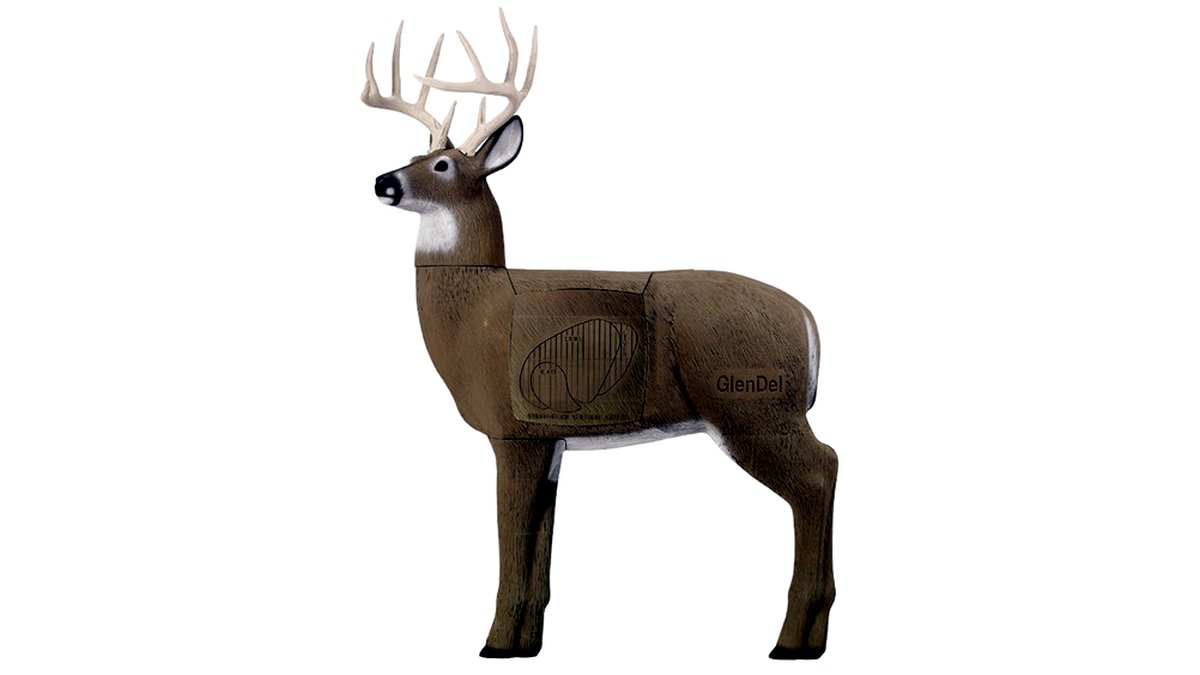
3D archery targets replicate the silhouette of game animals so a bowhunter can practice realistic shot placement, judge distance and angle, and build confidence before a hunt. They range from lightweight foam deer and turkey replicas meant for backyard practice to dense, self-healing competition targets built to survive thousands of broadhead and field-point hits across a full season. Picking the right one means weighing arrow speed, draw weight, how often broadheads will be used, and how much yard space is available for realistic distances.
Who Should Buy Which Type
Bowhunters preparing for deer, elk, or turkey season benefit most from a species-specific 3D target that mimics the actual animal’s vitals zone and body shape, since shot-angle practice does not transfer well from a flat bag target. Competitive 3D archery shooters need a target line that matches tournament scoring rings and animal poses used at local clubs. Beginners and backyard plinkers who mostly shoot field points can save money with a general-purpose foam block or bag target and skip the premium 3D line entirely.
Key Factors Before Buying
- Draw weight and arrow speed: faster setups and higher poundage chew through foam faster and need denser self-healing cores.
- Broadheads vs. field points only: broadheads cut foam and shorten target life significantly; some targets are rated field-point only.
- Replaceable vitals insert: the core/vitals zone wears out first on a well-used target; models with a replaceable insert cost less to keep in service.
- Size and portability: full-size deer or elk targets are heavy and awkward to move; smaller turkey or small-game targets are easier to store and reposition.
- Weather exposure: targets left outside year-round need UV-stable foam; otherwise, cracking and faster degradation are common.
At a Glance Comparison
| Target Type | Best For | Stated Specs/Design | Limits |
|---|---|---|---|
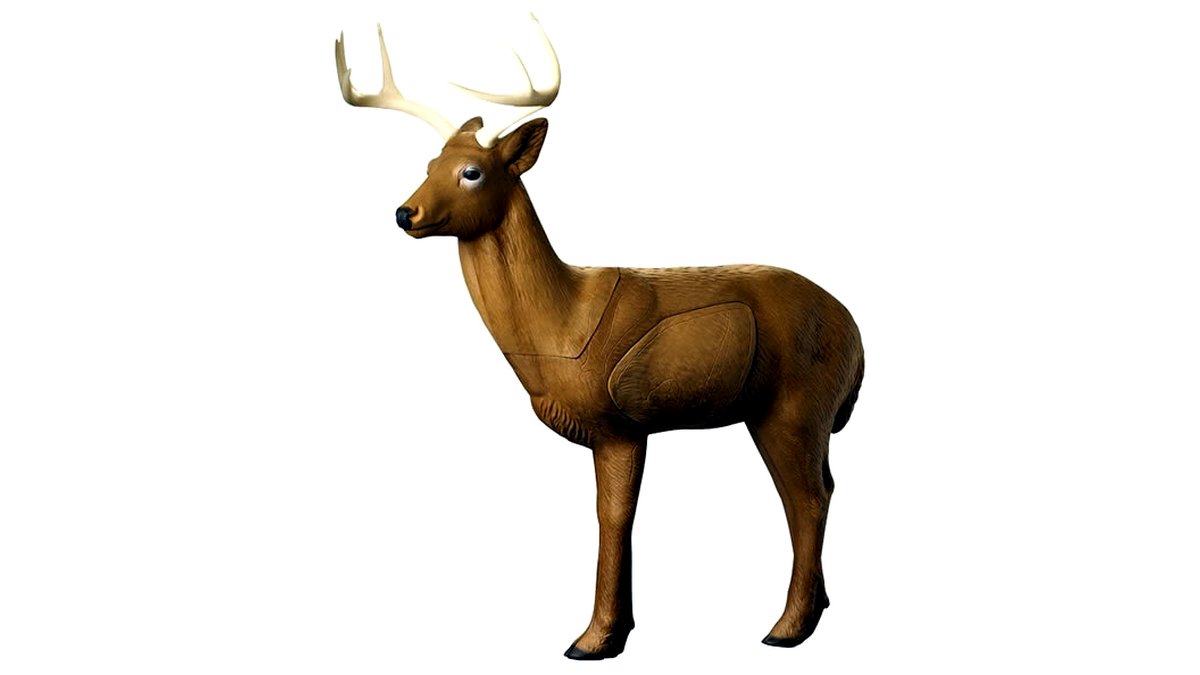
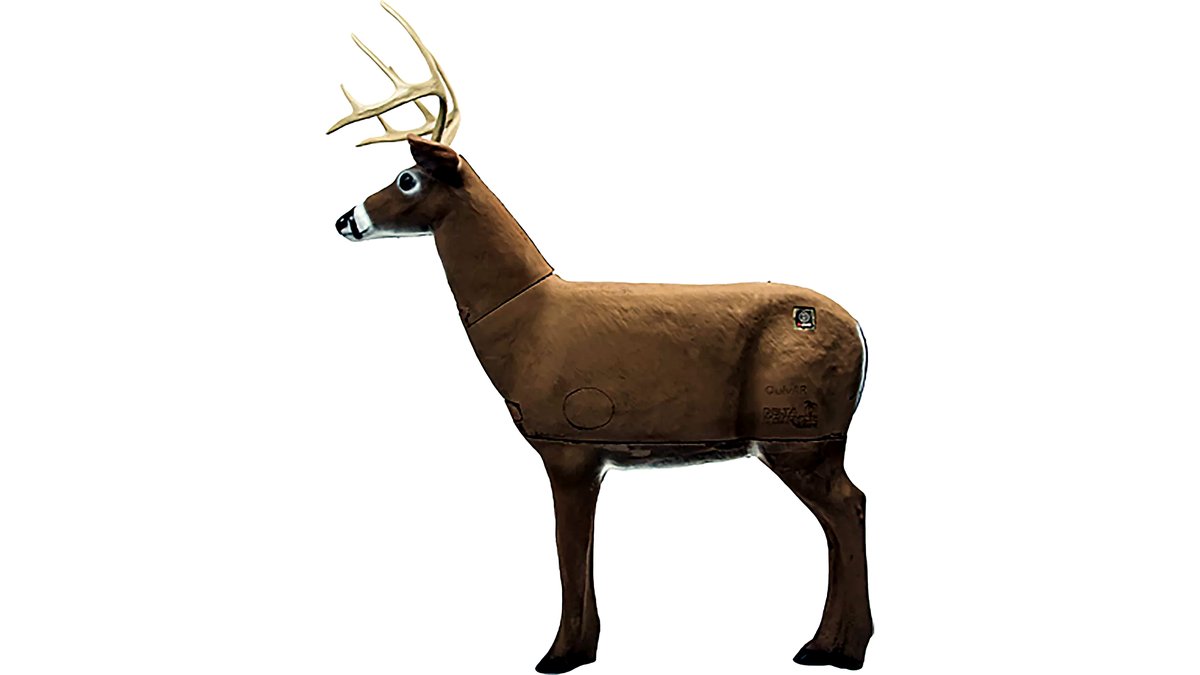
| Foam deer 3D target | Whitetail bowhunters practicing shot angles | Self-healing foam body, replaceable vitals insert, multiple scoring zones | Broadheads shorten lifespan faster than field points; heavy to relocate |
| Turkey 3D target | Spring turkey hunters | Compact size, upright and feeding poses available on some models | Smaller vitals zone makes distance-judgment practice less representative of other game |
| Elk or large-game 3D target | Western big-game hunters | Larger body profile, reinforced core for high draw weights | Bulky, needs more storage and yard space |
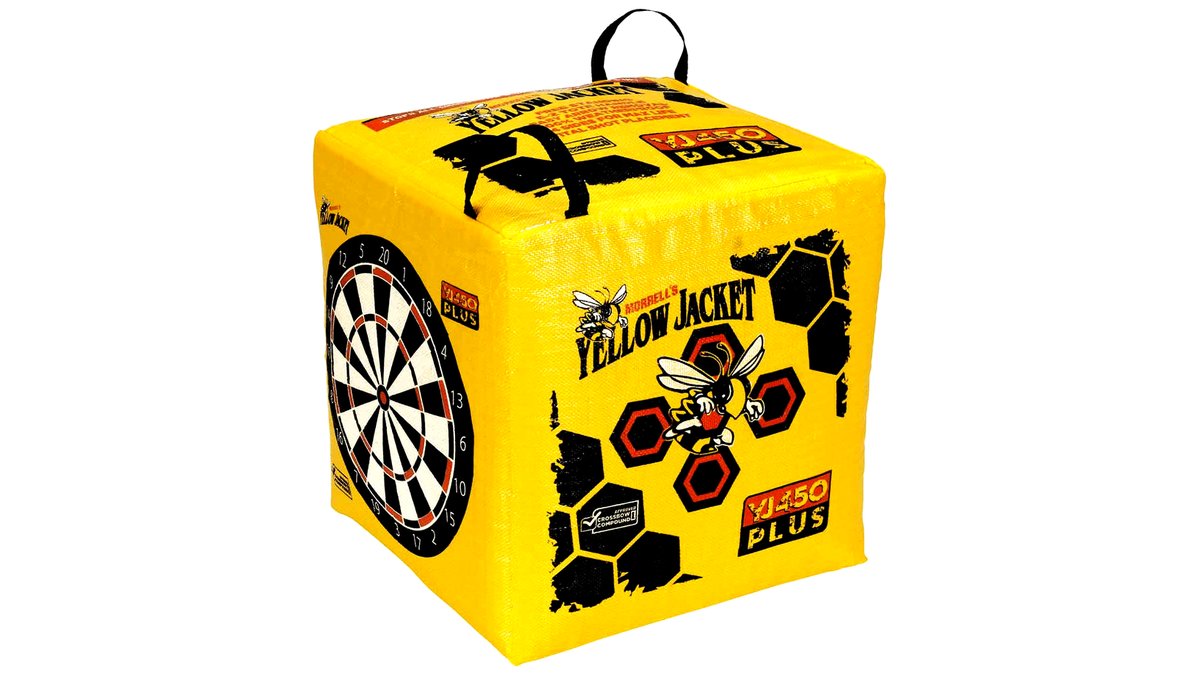
| Block/bag target (non-3D) | General field-point practice, beginners | Dense foam or synthetic fill, flat multi-angle faces | No realistic animal silhouette for angle practice |
| Competition-line 3D target | 3D archery league and tournament shooters | Standardized scoring rings matching common club course setups | Premium tier pricing; overkill for casual backyard use |
Pick X If…
| Situation | Recommended Pick |
|---|---|
| You hunt whitetail and want realistic shot-angle practice | Foam deer 3D target with replaceable vitals insert |
| You only shoot field points in the backyard | Standard foam block or bag target, skip 3D entirely |
| You shoot broadheads regularly | A 3D target explicitly rated for broadhead use, or a dedicated broadhead-only target alongside your 3D target |
| You compete in 3D leagues | Competition-line target matching your local course’s standard animal set |
| Storage space is limited | Turkey or small-game target instead of full elk/deer size |
Fit and Durability Notes
Most 3D targets are rated by the maker for a maximum draw weight and arrow speed; exceeding that rating causes faster core breakdown and, in some cases, pass-through risk on thin foam sections. Replaceable insert cores are worth prioritizing because the vitals zone absorbs the bulk of hits and wears out long before the outer shell does. For anyone shooting broadheads, checking whether the target is explicitly rated for broadhead use matters: field-point-only foam separates and tears quickly under a cutting edge. Targets stored outdoors year-round should be brought under cover when not in use, since UV exposure and moisture cycles shorten foam life even on weather-resistant models.
Setting Up for Realistic Practice
Placing a 3D target at varied, unmarked distances and shooting from field positions (kneeling, uphill, downhill) does more for hunting readiness than repeated flat-ground shots at a known yardage. Rotating the target to present quartering-away and quartering-toward angles, the shot angles most often faced in the field, helps build the judgment that a flat bag target cannot teach. Groups of hunters sometimes share a single large-game target across a season to offset the cost of a premium model, since a well-built elk or deer target can take a full season of controlled field-point use.
Alternatives Worth Considering
- Layered foam block targets: cheaper per hit for high-volume field-point practice, though they skip angle realism entirely.
- Broadhead-specific targets: a dense, purpose-built broadhead target placed alongside a 3D target extends the 3D target’s life by absorbing broadhead wear separately.
- Bag targets with printed vitals: a lower-cost middle ground that adds a printed scoring zone without the full animal silhouette.
Common Mistakes When Buying a 3D Target
A frequent mistake is buying a target sized for the wrong animal class relative to actual hunting plans, a turkey-sized target does little to build the kind of distance judgment needed for deer or elk, and an oversized target bought “just in case” ends up wasting storage space for someone who only hunts small game. Another common error is ignoring the stated draw-weight and speed rating and shooting a high-poundage compound or crossbow into a target built for lighter recurve or lower-poundage setups, which accelerates foam breakdown and can lead to pass-throughs on thin sections of the target. Shooters also sometimes skip checking whether a target is rated for broadheads at all, assuming any foam target can take a cutting edge, when many budget and mid-tier 3D targets are explicitly field-point only and will tear apart quickly under broadhead use.
Underestimating how much yard space realistic practice needs is another oversight: a 3D target set up at a single fixed 20-yard distance in a small backyard doesn’t replicate the range of distances and angles faced in an actual hunting situation. Where space allows, setting up multiple shooting positions at varied, unmarked distances gets far more practice value out of the same target than repeated shots from one spot. Finally, neglecting basic storage habits, leaving a target out in direct sun and rain year-round, shortens the life of even a well-built, weather-resistant model faster than regular use alone would.
Replacement Parts and Long-Term Costs
Because the vitals zone of a 3D target absorbs the majority of hits, checking whether a specific model sells a replaceable insert core separately is worth doing before buying, since replacing just the core costs less over a target’s lifetime than replacing the entire target once the vitals area wears through. Some manufacturers sell insert cores as a standard accessory, while others design the target as a single non-serviceable unit, which is a meaningful long-term cost difference between otherwise similar-looking targets. Buyers who expect to put a target through heavy seasonal use, daily practice leading up to a hunting season, for example, should weigh this replaceable-core option heavily, since it can mean the difference between one target lasting several seasons versus needing full replacement annually.
Frequently Asked Questions
How long does a 3D archery target typically last?
Lifespan depends heavily on draw weight, arrow speed, and whether broadheads are used. A target used mainly with field points at moderate draw weight can last several seasons, while heavy broadhead use on the same target may wear out the vitals zone within a single season. Checking for a replaceable insert extends usable life significantly.
Can broadheads be shot into any 3D target?
No. Many 3D targets are built and rated for field points only, and broadheads will cut and tear that foam quickly. The maker’s product listing or manual usually states whether broadhead use is supported, and a dedicated broadhead target is the safer choice when that rating is unclear.
What draw weight range do most 3D targets handle?
This varies by model and is stated by the manufacturer, generally covering common compound and traditional bow setups used for deer-sized game. Shooters with high-poundage setups or fast crossbows should check the specific weight and speed rating before buying, since exceeding it accelerates foam breakdown.
Is a full-size target necessary for practice, or will a smaller one work?
A full-size, correctly proportioned target gives more accurate distance-judgment practice because real game size affects how hunters perceive range in the field. Smaller or scaled-down targets are easier to store but can lead to misjudging actual shot distances on an animal in the field.
How should a 3D target be stored between uses?
Keeping the target out of direct sun and away from standing moisture when not in use helps prevent UV cracking and rot, even on models described as weather-resistant. Many hunters store targets in a garage or shed and only bring them out for practice sessions.
Do 3D targets work for crossbow practice too?
Yes, as long as the target’s stated speed and energy rating covers the crossbow’s bolt speed, since crossbows typically generate more kinetic energy than compound bows at the same draw weight class. Checking the manufacturer’s rating before use is the safest approach for crossbow shooters.