Key takeaways
- Coverage area: full-coverage headgear adds cheek and chin padding; open-face designs trade that coverage for better vision.
- Closure and fit system: lace-up closures generally offer a more secure, custom fit than strap-and-buckle designs, though they take longer to put on.
- Padding material and density: foam density affects both impact absorption and how much the headgear compresses under repeated shots.
- Ear protection: some headgear includes padded ear coverage, which matters for boxers who spar frequently and want extra protection against ear trauma.
- Federation or gym rules: amateur competition often requires specific headgear styles or certifications; checking gym and sanctioning body rules before buying avoids buying the wrong style.
- Sizing: most brands size by head circumference; a headgear that is too loose shifts during exchanges and reduces protection where it matters most.
Full-coverage headgear with cheek and chin padding suits heavy sparring and amateur competition prep, open-face headgear suits boxers who prioritize unobstructed vision for technical sparring, and a low-profile training headgear suits lighter pad work and controlled drilling; the right choice depends mostly on sparring intensity and the rules of the gym or federation involved.
As an Amazon Associate, we earn from qualifying purchases made through links on this page.
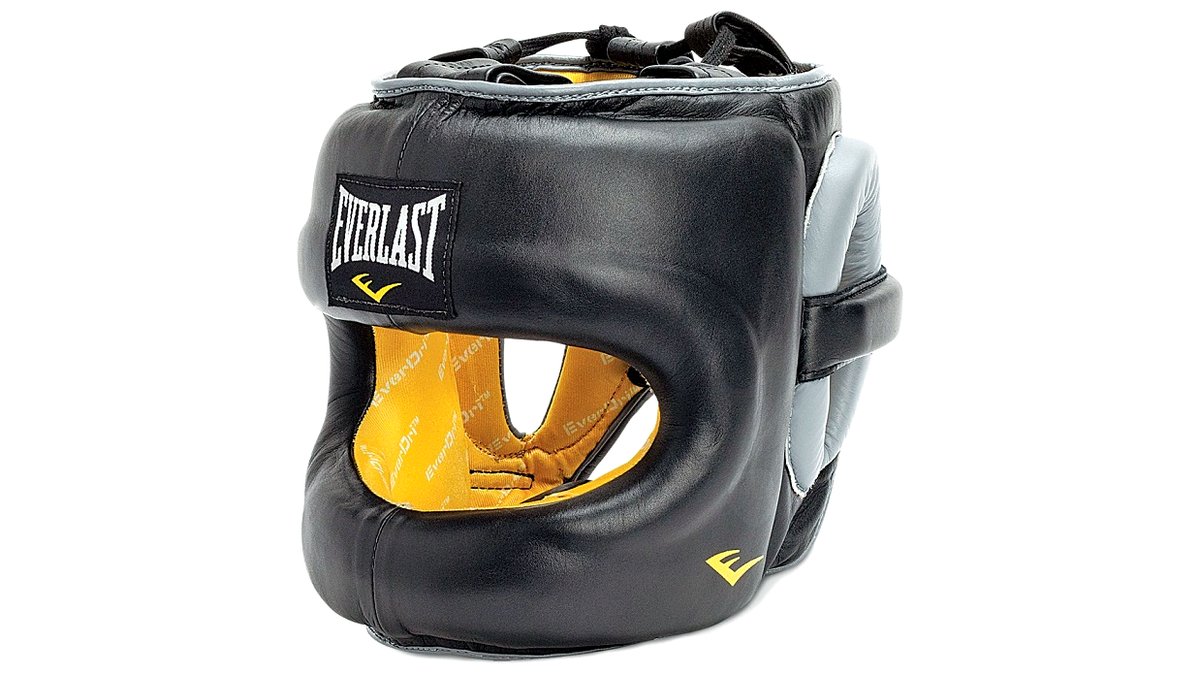
Sparring headgear exists to reduce the risk of cuts and soften impact during training, not to fully prevent concussion risk, and that distinction matters when comparing padding levels and coverage styles. Fit is arguably more important than any single spec, since headgear that shifts or rides up during exchanges leaves gaps in protection regardless of how thick the padding is. The right type depends on sparring intensity, whether a gym or governing body mandates a specific style, and how much peripheral vision a boxer wants to keep during exchanges.
Who Should Buy Which Type
Boxers doing regular hard sparring or preparing for amateur bouts typically need full-coverage headgear with cheek pads and chin protection, since amateur federations often specify minimum coverage requirements for registered competition. Boxers focused on technical sparring and defense work often prefer open-face or cheek-less designs that preserve peripheral vision, trading some cheek protection for better sightlines. Beginners doing light contact drilling can use a simpler training headgear, though many coaches still recommend full coverage until technique and head movement are more developed.
Key Factors Before Buying
- Coverage area: full-coverage headgear adds cheek and chin padding; open-face designs trade that coverage for better vision.
- Closure and fit system: lace-up closures generally offer a more secure, custom fit than strap-and-buckle designs, though they take longer to put on.
- Padding material and density: foam density affects both impact absorption and how much the headgear compresses under repeated shots.
- Ear protection: some headgear includes padded ear coverage, which matters for boxers who spar frequently and want extra protection against ear trauma.
- Federation or gym rules: amateur competition often requires specific headgear styles or certifications; checking gym and sanctioning body rules before buying avoids buying the wrong style.
- Sizing: most brands size by head circumference; a headgear that is too loose shifts during exchanges and reduces protection where it matters most.
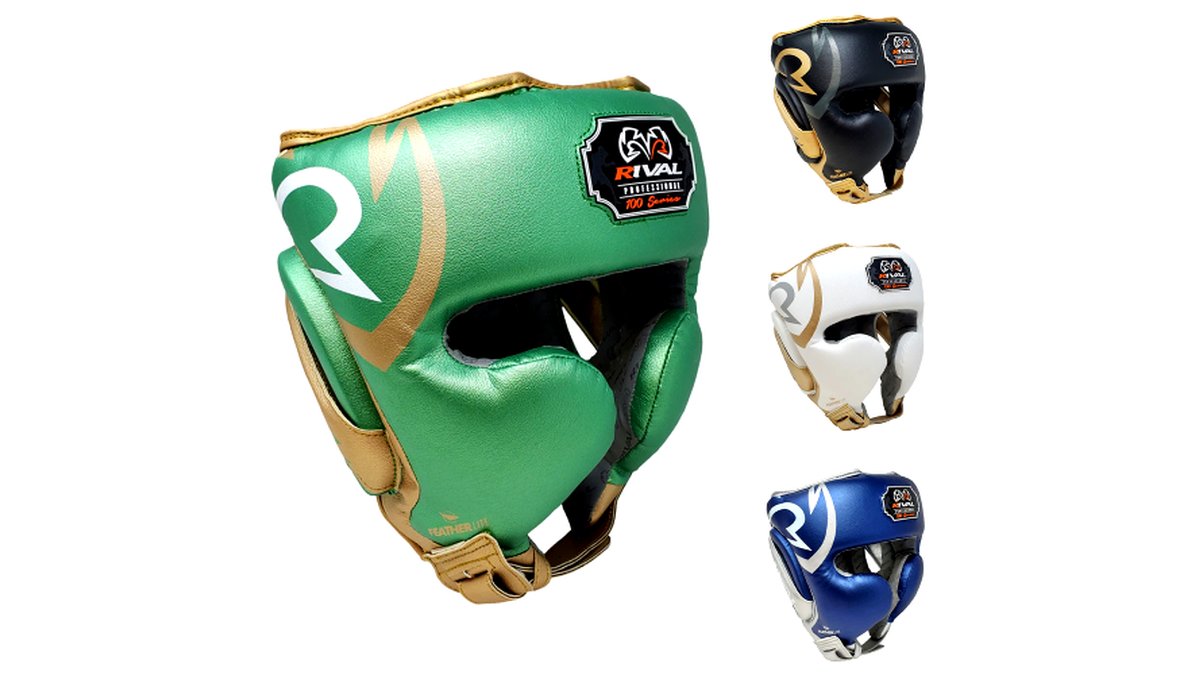
At a Glance Comparison
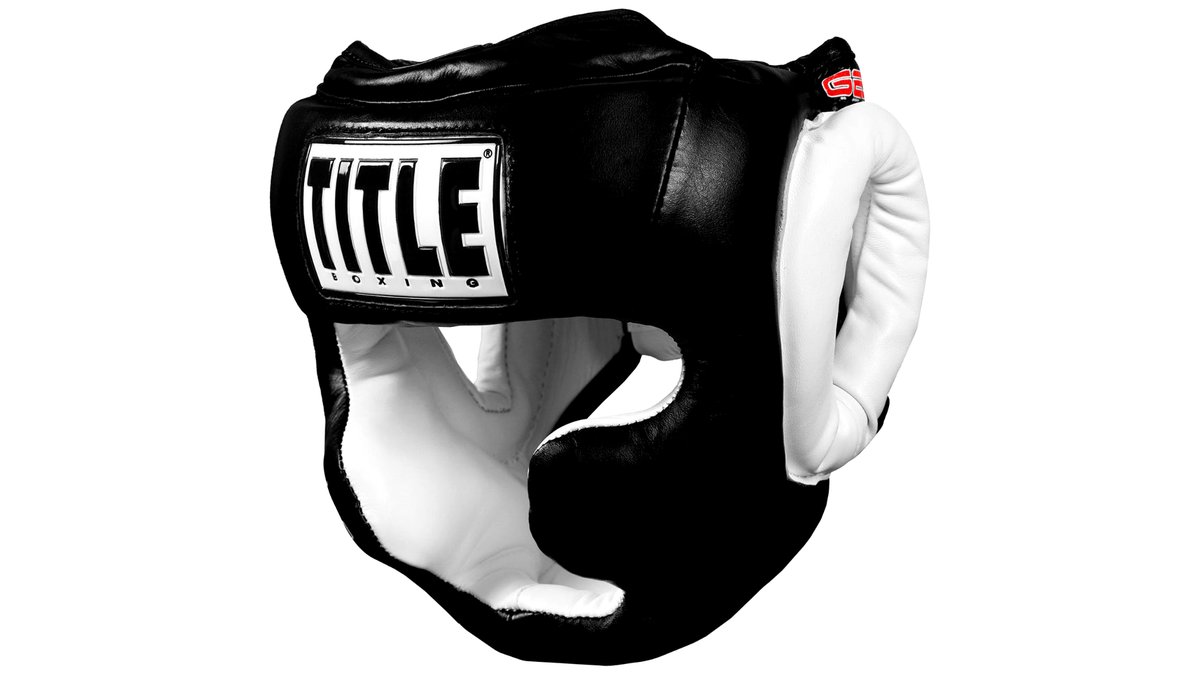
| Headgear Type | Best For | Stated Specs/Design | Limits |
|---|---|---|---|
| Full-coverage lace-up headgear | Hard sparring and amateur competition prep | Cheek pads, chin bar padding, secure lace-up fit | Reduces some peripheral vision; slower to put on than strap models |
| Full-coverage strap headgear | Gym sparring where quick changes between rounds matter | Cheek pads and chin padding with adjustable strap closure | Strap fit can loosen during a hard sparring session compared to lace-up |
| Open-face/cheek-less headgear | Technical sparring, defense-focused training | Reduced cheek coverage for improved peripheral vision | Less cushioning on cheek and jaw area during clean hooks |
| Training/light-contact headgear | Beginners, pad work, controlled drilling | Lighter padding, simplified design | Not intended for hard sparring or competition-level contact |
Pick X If…
| Situation | Recommended Pick |
|---|---|
| You spar hard regularly or are prepping for an amateur bout | Full-coverage lace-up headgear, checking your federation’s approved styles first |
| You want quick on/off between rounds at the gym | Full-coverage strap headgear, checking fit tightness before each round |
| You spar mainly for technical/defense work and want better vision | Open-face or cheek-less headgear |
| You’re new to sparring or doing light drilling only | Training-level headgear, upgrading to full coverage as sparring intensity increases |
| You spar often and worry about ear trauma | Headgear with padded ear coverage |
Fit and Safety Notes
Headgear should sit snugly without restricting jaw movement or vision, and most brands provide a sizing chart based on head circumference rather than generic small/medium/large labels alone. A properly fitted piece should not shift noticeably when shaken side to side after the chin strap or lace is secured. Coaches and gyms commonly set their own minimum headgear standards for sparring separate from competition rules, so checking with a gym before buying is worthwhile, especially for anyone new to a specific club. Headgear reduces the risk of cuts and softens some impact, but it does not eliminate concussion risk; any head impact followed by symptoms like dizziness, confusion, or prolonged headache should be evaluated by a medical professional before returning to sparring.
Material and Maintenance Notes
Synthetic leather exteriors are common and generally easier to wipe down and maintain than genuine leather, which some boxers prefer for breathability and feel but which requires more careful cleaning and conditioning. Foam padding compresses over time with heavy use, and reviewers often note that headgear used for daily hard sparring loses some cushioning effectiveness after extended use, which is a reasonable prompt to replace rather than continuing to rely on worn padding. Airing out headgear after each session and avoiding leaving it in a closed, humid bag helps control odor and extends the padding’s usable life.
Alternatives Worth Considering
- Headgear with a removable face bar: some full-coverage designs include a detachable bar across the face for extra protection, useful for boxers transitioning into harder sparring who want the option without buying a second piece.
- Combination headgear/sparring gloves sets: bundled sets from the same maker can simplify sizing and matching padding density, though buying pieces separately allows picking the best fit for each.
- MMA-style headgear: built with different coverage priorities for grappling and striking combined, generally not the best substitute for boxing-specific sparring due to different padding placement.
Common Mistakes When Buying Sparring Headgear
A frequent mistake is buying based on brand reputation alone without checking the specific sizing chart for that model, since head circumference ranges can differ meaningfully between brands even within the same labeled size. Another common error is choosing open-face headgear for hard sparring sessions purely for the vision benefit, without factoring in that cheek and jaw protection matters more as sparring intensity increases; open-face designs are generally a better fit for lighter, more technical sparring than for hard exchanges. Buyers sometimes also overlook ear protection entirely, assuming any headgear will adequately protect the ears, when padded ear coverage varies significantly between models and matters more for boxers who spar frequently over a long period.
Skipping a trial fit before a hard sparring session is another avoidable issue: headgear that feels fine standing still can shift or ride up once a boxer starts moving, sweating, and taking shots, so testing fit during lighter pad work or shadow sparring first is a reasonable way to catch problems before they show up mid-round. Finally, continuing to use headgear with visibly compressed or cracked padding well past its useful life, rather than replacing it, reduces the protection it’s meant to provide during exactly the sessions where protection matters most.
Breaking In New Headgear
New headgear, particularly lace-up styles with firmer padding, often benefits from a short break-in period of lighter sparring or pad work before being used in hard sparring, since padding can feel stiffer and less contoured to the head when brand new. Boxers switching headgear styles, moving from strap to lace-up, or from full-coverage to open-face, should expect an adjustment period as they get used to a different fit and field of vision, and starting that adjustment during lower-intensity rounds is safer than making the switch right before a hard sparring session or sanctioned bout.
Frequently Asked Questions
Does headgear prevent concussions during sparring?
Headgear primarily reduces the risk of cuts and softens some impact, but it is not designed to fully prevent concussions. Any sparring partner showing signs of a head injury, such as confusion, dizziness, or headache, should stop sparring and be evaluated by a medical professional before returning to contact training.
What’s the difference between lace-up and strap headgear?
Lace-up headgear generally offers a more secure, customizable fit because laces can be tightened precisely across the whole piece, while strap-and-buckle designs are faster to put on and take off between rounds. Many boxers choose lace-up for hard sparring and competition, and strap styles for quicker gym sessions.
How do I know if my headgear fits correctly?
A properly fitted headgear should sit snugly without shifting when the head is turned or shaken, while still allowing full jaw movement and a clear field of vision. Most manufacturers provide a head circumference sizing chart, which is more reliable than generic small/medium/large labeling alone.
Is open-face headgear safe for sparring?
Open-face headgear is commonly used for technical and defense-focused sparring where peripheral vision is a priority, but it offers less cushioning on the cheek and jaw area than full-coverage designs. Whether it is appropriate depends on sparring intensity and the preferences of the gym or coach overseeing the session.
How often should sparring headgear be replaced?
There is no fixed replacement schedule, but reviewers commonly note that foam padding compresses and loses some cushioning effectiveness with heavy, regular use over time. Checking for flattened padding, cracked material, or a loosened fit is a reasonable way to judge when replacement is due.
Do amateur boxing competitions require specific headgear?
Many amateur boxing federations specify minimum headgear coverage or approved styles for sanctioned competition, and these requirements vary by governing body and region. Checking the specific federation’s current equipment rules before a competition is the safest way to avoid being turned away for non-compliant gear.