Key takeaways
- Players who want forgiveness and a bigger sweet spot suit a wider, elongated paddle with a thick polymer core, while competitive players chasing touch and spin suit a thinner-core, textured-face paddle; the right choice depends more on core thickness, face…
Players who want forgiveness and a bigger sweet spot suit a wider, elongated paddle with a thick polymer core, while competitive players chasing touch and spin suit a thinner-core, textured-face paddle; the right choice depends more on core thickness, face material, and weight than on any single “best” brand.
As an Amazon Associate, we earn from qualifying purchases made through links on this page.
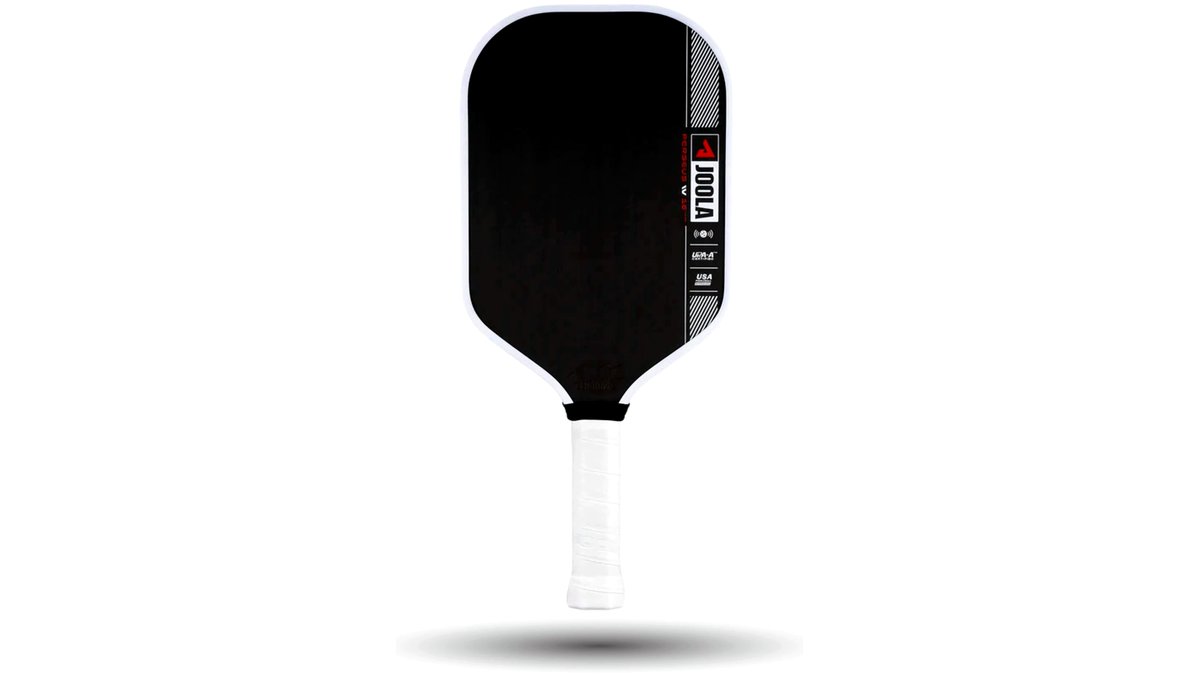
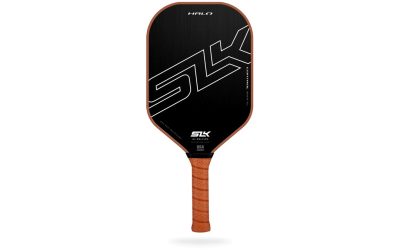
A pickleball paddle’s performance comes down to three building blocks: core material and thickness, face material, and overall weight and balance. Cores are almost universally made from polymer honeycomb today, with thickness commonly ranging from around 11mm to 16mm or more; thicker cores generally soften the feel and widen the forgiveness window, while thinner cores sharpen feedback and can increase pop on fast exchanges. Face materials span fiberglass (sometimes called composite), carbon fiber, and raw or textured carbon surfaces, each trading off power, control, and spin potential differently. Paddle weight typically falls between roughly 7 and 8.5 ounces, with lighter paddles favoring quick hands at the net and heavier paddles adding stability on drives.
What Matters Most When Choosing
Core thickness is the first fork in the road. A thicker core (14mm and up) tends to deaden the ball slightly on contact, which many players find forgiving and easier to control, especially during the soft, dinking exchanges that dominate pickleball at the kitchen line. A thinner core (11-13mm) typically produces a livelier, more responsive feel with more inherent pop, which better suits players who already have good touch and want more power on drives without changing their swing. Face material affects spin: carbon fiber and raw carbon surfaces tend to grip the ball more at contact, which can translate into more spin on serves and dinks, while fiberglass faces generally offer a slightly softer, more forgiving feel. Shape and length matter too; standard-shaped paddles balance reach and maneuverability, while elongated paddles add reach and serve power at some cost to maneuverability at the net.
Power and Control Picks
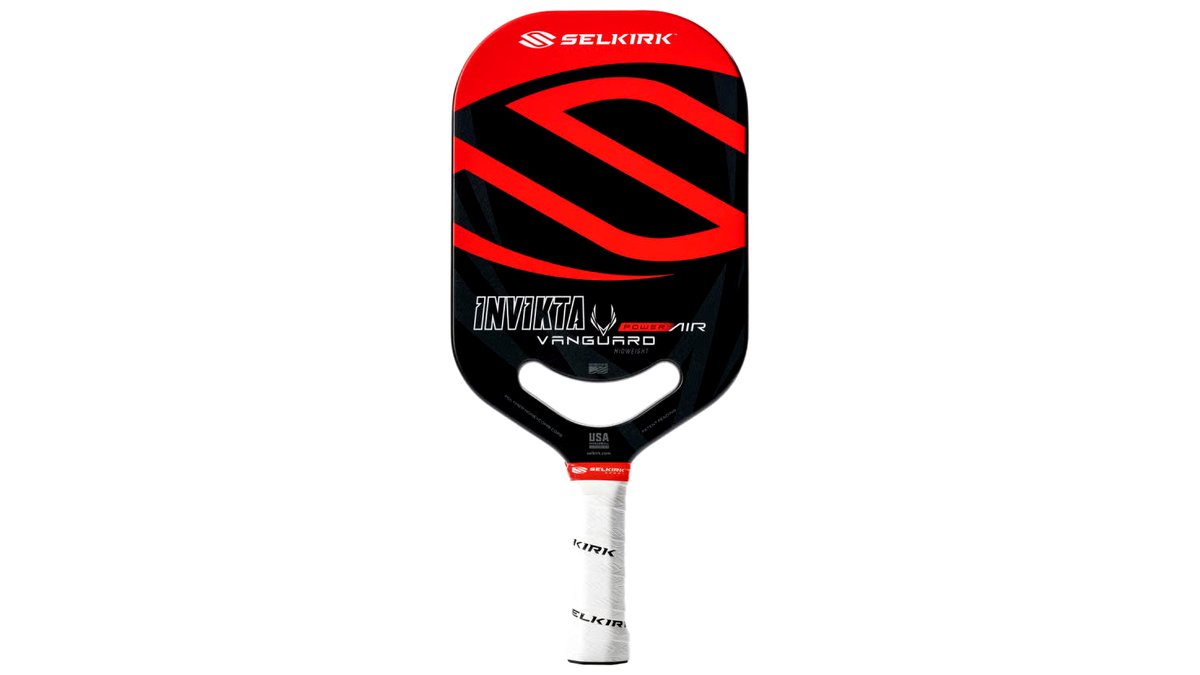
Paddles built around thinner cores and carbon or raw-carbon faces suit players who want to generate pace and spin with less swing effort. JOOLA’s performance-tier paddles and Selkirk’s control-oriented lines are commonly cited by reviewers as options that blend textured carbon surfaces with mid-range core thickness, aiming for a mix of spin potential and touch. These paddles tend to reward players with some match experience, since the livelier feel can be less forgiving on off-center hits compared to thicker-core alternatives.
Forgiveness and Beginner-Friendly Picks
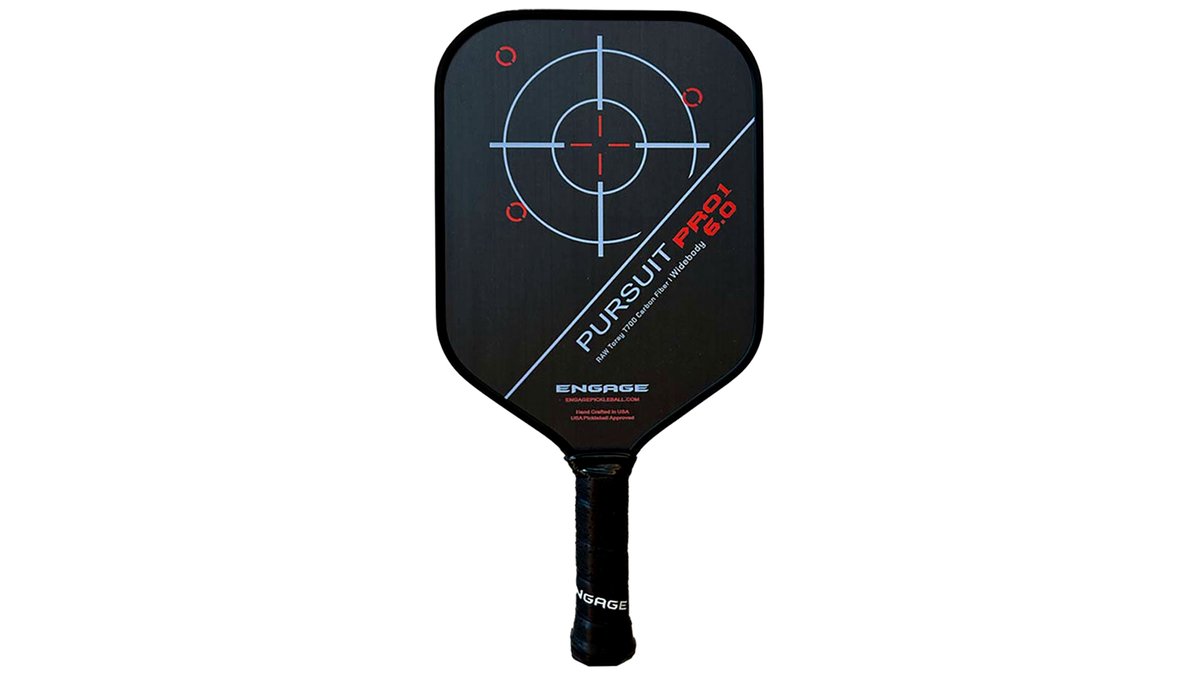
Thicker-core paddles with a larger sweet spot help new and intermediate players who are still developing consistent contact. Engage’s paddle lineup is frequently highlighted by reviewers for emphasizing control and a softer overall feel, which suits players focused on consistent dinks and resets rather than maximum pace. Paddles in this category generally trade some outright power for a bigger margin for error, which tends to lower frustration during the learning curve and in doubles play where quick reactions matter more than raw power.
At a Glance
| Paddle Style | Best For | Key Stated Specs | Limits |
|---|---|---|---|
| Thin-core, carbon/raw-carbon face (e.g., JOOLA, Selkirk performance lines) | Intermediate to advanced players wanting spin and pop | Core thickness commonly 11-13mm, carbon or raw carbon face | Less forgiving on off-center hits; smaller margin for error |
| Thick-core, fiberglass or textured face (e.g., Engage control lines) | Beginners, control-focused doubles players | Core thickness commonly 14-16mm, fiberglass or textured composite face | Less raw power on drives; can feel sluggish for aggressive players |
| Elongated shape paddles | Players wanting extra reach and serve power | Longer paddle face, narrower width than standard shape | Smaller sweet spot width; less maneuverable at the net |
| Standard shape, mid-weight paddles | All-around recreational and club play | Balanced length-to-width ratio, weight near the middle of the typical range | Not specialized for any one playstyle; a jack-of-all-trades compromise |
Pick This If…
| Situation | Recommended Style |
|---|---|
| New to the sport, want fewer mishits | Thick-core, fiberglass or textured-face paddle |
| Comfortable with dinks, want more spin on serves | Thin-core, carbon or raw-carbon face paddle |
| Play mostly doubles and need fast net reactions | Lighter-weight, standard-shape paddle |
| Want maximum reach for serves and overheads | Elongated-shape paddle |
| Have elbow or wrist sensitivity | Lighter paddle with a thicker, more cushioning core |
Fit and Grip Notes
Grip circumference matters as much as the paddle face for comfort and injury prevention; most paddles ship in a standard grip size, with overgrip tape available to build up circumference for players with larger hands. Handle length also varies slightly between models and can matter for two-handed backhand players, who generally prefer a longer handle for extra leverage. Players with any history of elbow or wrist discomfort should pay attention to paddle weight and vibration dampening, since heavier paddles and stiffer cores can transmit more shock on off-center hits; if joint pain develops during or after play, it is worth discussing grip size and paddle weight with a sports medicine professional rather than pushing through discomfort.
2-3 Alternatives
Players who cannot decide between power and control might look at hybrid paddles that blend a mid-range core thickness (around 13-14mm) with a carbon face, aiming to split the difference between the two categories above. Budget-conscious players new to the sport could start with an entry-level fiberglass-face paddle to learn the game before investing in a pricier carbon paddle once their playstyle is clearer. Players who travel for tournaments or play across multiple courts frequently might also consider owning two paddles, a control paddle for warmups and doubles, and a power paddle for singles, rather than compromising with one all-purpose choice.
Swing Weight and Balance Point
Beyond total weight, how that weight is distributed along the paddle changes how it swings, which is a detail newer players often overlook. A head-heavy paddle, where more mass sits toward the top of the face, tends to add stability and pop on drives but can feel slower to bring around on fast net exchanges, since more weight farther from the hand requires more effort to redirect quickly. A handle-heavy or evenly balanced paddle generally feels quicker through fast volleys and resets at the kitchen line, which many doubles-focused players prefer, since reaction time at the net often matters more than raw power on any single shot. Some manufacturers list a paddle’s balance point or swing weight directly in product specifications, and comparing that figure alongside total weight gives a more complete picture than weight alone.
Edge guard design and face texture also affect durability and legal play considerations. Textured carbon and raw carbon faces are popular for the spin they can generate, but certain competitive leagues and tournaments enforce specific surface roughness limits, so tournament players should confirm a paddle is approved under their governing body’s current equipment rules before relying on it in sanctioned play. Edge guards, the plastic or composite trim around the paddle’s perimeter, protect against chipping from mishits or contact with the ground, and paddles without a robust edge guard can show wear faster under regular outdoor play, particularly on rougher court surfaces.
Frequently Asked Questions
Does a thicker paddle core really make that much difference?
Yes, reviewers consistently note that core thickness is one of the biggest factors in how a paddle feels at contact. Thicker cores generally soften the hit and widen forgiveness, while thinner cores feel livelier and can add pop, so the right thickness depends on whether a player values control or raw power more.
Is carbon fiber always better than fiberglass?
Not necessarily better, just different. Carbon and raw carbon faces tend to grip the ball more for spin, while fiberglass faces often feel softer and more forgiving on contact, so the choice depends on whether a player prioritizes spin generation or a gentler, more consistent feel.
What paddle weight should a beginner start with?
Many instructors suggest starting in the lighter-to-middle part of the typical weight range, since a lighter paddle is easier to maneuver quickly at the net while learning basic positioning and reaction time. Players can always move toward a heavier paddle later once their technique and strength are more developed.
Can paddle choice affect elbow or wrist pain?
It can contribute, since a heavier paddle or a stiffer core can transmit more vibration into the arm on off-center hits, and grip size that is too small or too large can also strain the wrist. Anyone experiencing persistent joint pain should consider a lighter, more cushioned paddle and should consult a doctor or physical therapist if pain continues.
Do elongated paddles sacrifice much control?
Generally yes, to some degree. The extra length that helps with reach and serve power usually comes with reduced width, which shrinks the sweet spot and can make quick net exchanges slightly less forgiving compared to a standard-shaped paddle.
How often should a pickleball paddle be replaced?
There’s no fixed schedule, but players who notice a dead-sounding “thud” instead of a crisp pop, visible face delamination, or cracks should consider replacing the paddle, since worn faces lose their spin and power consistency over time. Frequency of play and how the paddle is stored, especially temperature extremes, both affect how quickly this wear shows up.
Does paddle price correlate with how long it will last?
Not always directly, since paddle longevity depends more on build quality, core material, and how often it gets used than on price alone. A mid-priced paddle used carefully can outlast a premium paddle that sees daily outdoor play and frequent temperature swings in a car trunk, so storage habits matter as much as initial purchase price for long-term durability.