Key takeaways
- Golfers replacing a cart’s power source should match battery chemistry to how the cart gets used: lead-acid packs suit light, occasional rounds on a tight budget, while lithium packs suit daily players, hilly courses, and anyone who wants years of…
Golfers replacing a cart’s power source should match battery chemistry to how the cart gets used: lead-acid packs suit light, occasional rounds on a tight budget, while lithium packs suit daily players, hilly courses, and anyone who wants years of maintenance-free range. The right pick depends less on brand and more on voltage configuration, amp-hour capacity, and whether the cart’s charger and wiring support lithium conversion.
As an Amazon Associate, we earn from qualifying purchases made through links on this page.
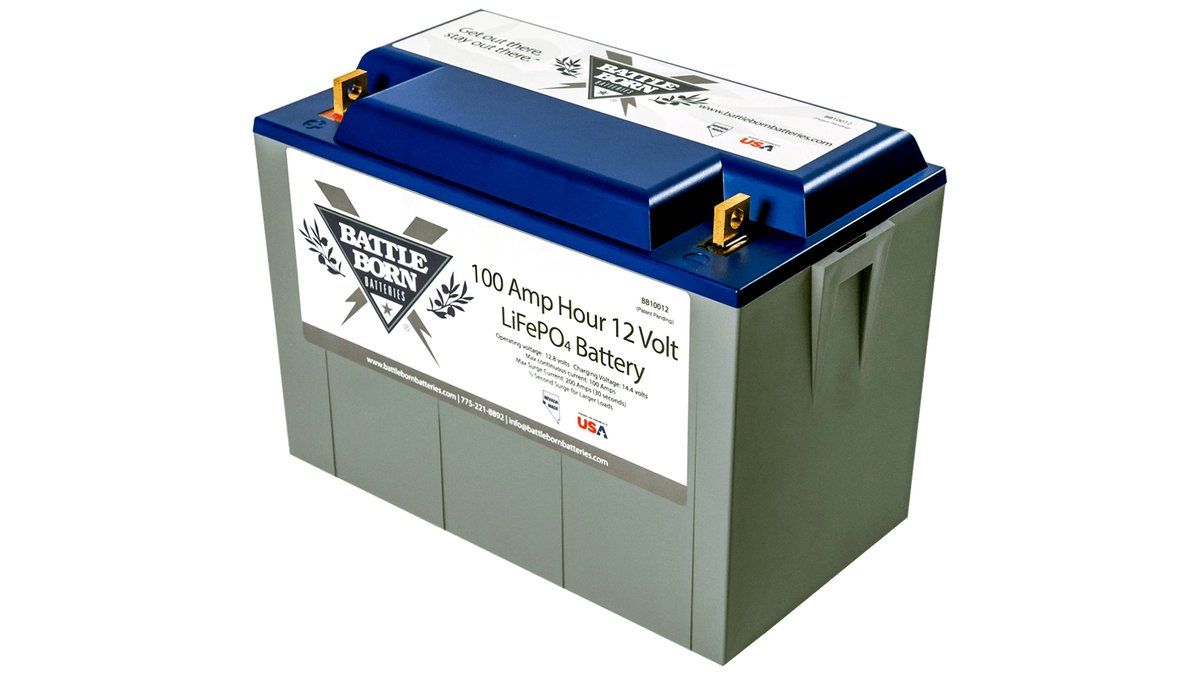
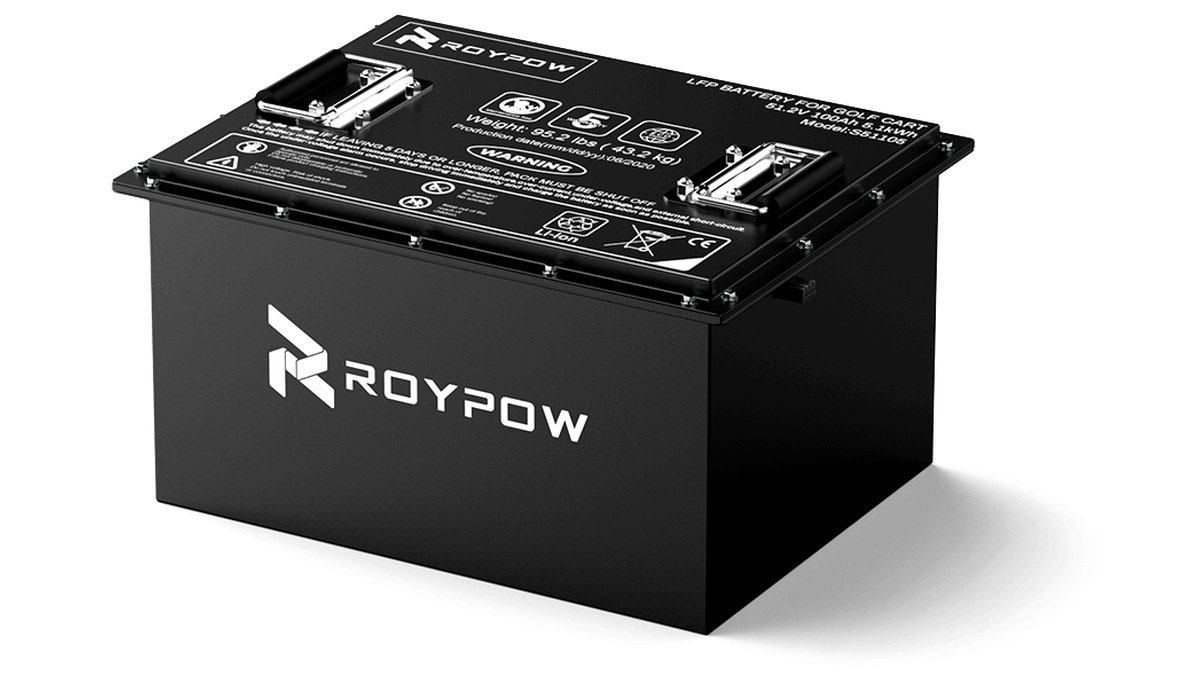
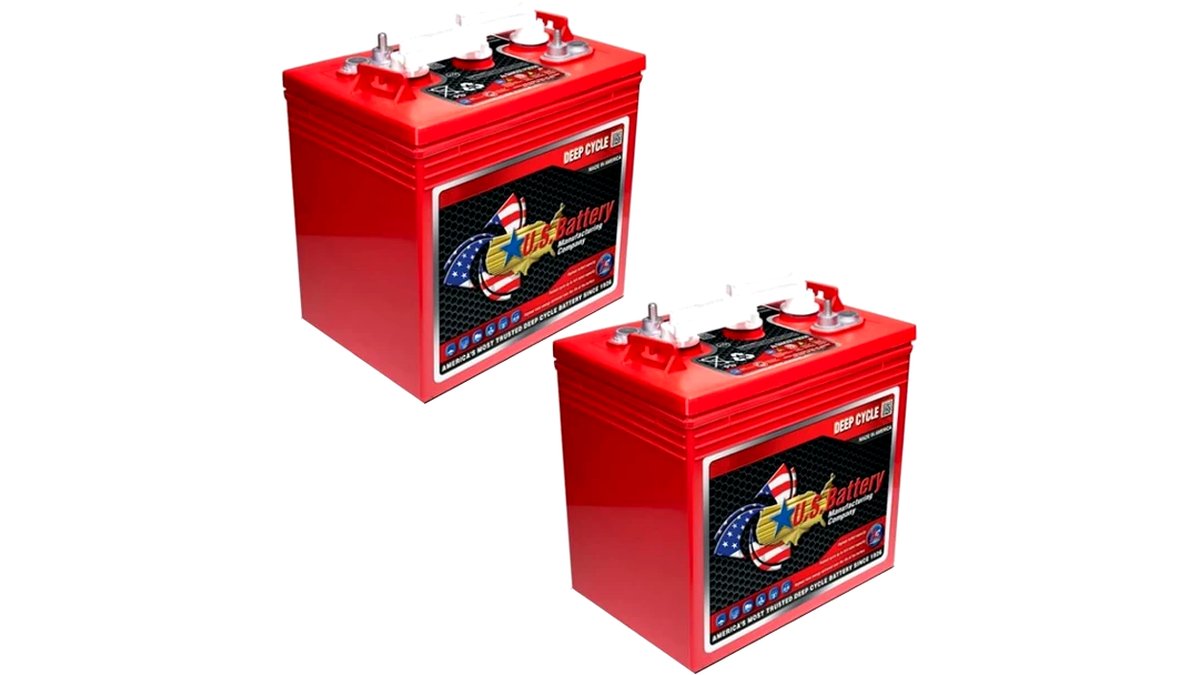
A golf cart battery pack is the bank of individual cells (usually six 8-volt or 48-volt units, or a configuration of 6V/12V cells) wired together to hit the cart’s system voltage, typically 36V or 48V. Capacity is measured in amp-hours (Ah), and that number, more than brand name, determines how many holes or how many miles a cart covers before it needs a recharge. Deep-cycle flooded lead-acid (FLA) packs remain the lowest-cost entry point and are widely available from manufacturers such as Trojan and US Battery. Absorbed glass mat (AGM) packs from makers like Duracell and Deka trade a modest price premium for sealed, maintenance-free operation and better vibration resistance. Lithium iron phosphate (LiFePO4) packs, sold by brands including Battle Born, Allied, and RoyPow, cost more up front but typically last three to four times longer than lead-acid, charge faster, and shed roughly half the weight, which can improve handling on hilly terrain.
What Matters Most When Choosing
Voltage compatibility is non-negotiable: the pack’s total voltage must match the cart’s existing system (36V and 48V are the two common standards). Amp-hour rating determines range; a cart used for a full day of golf or for neighborhood errands benefits from a higher Ah rating, while occasional short trips can get by with a smaller pack. Physical footprint matters too, since battery trays are sized for specific battery group sizes (commonly GC2 or GC8), and a pack that is taller or wider than the tray will not fit under the seat. Buyers converting from lead-acid to lithium should also check whether their existing onboard charger is lithium-compatible or whether a new charger is required, since using a lead-acid charger on a lithium pack can prevent proper charging or trigger the pack’s safety cutoff.
Lead-Acid and AGM Picks
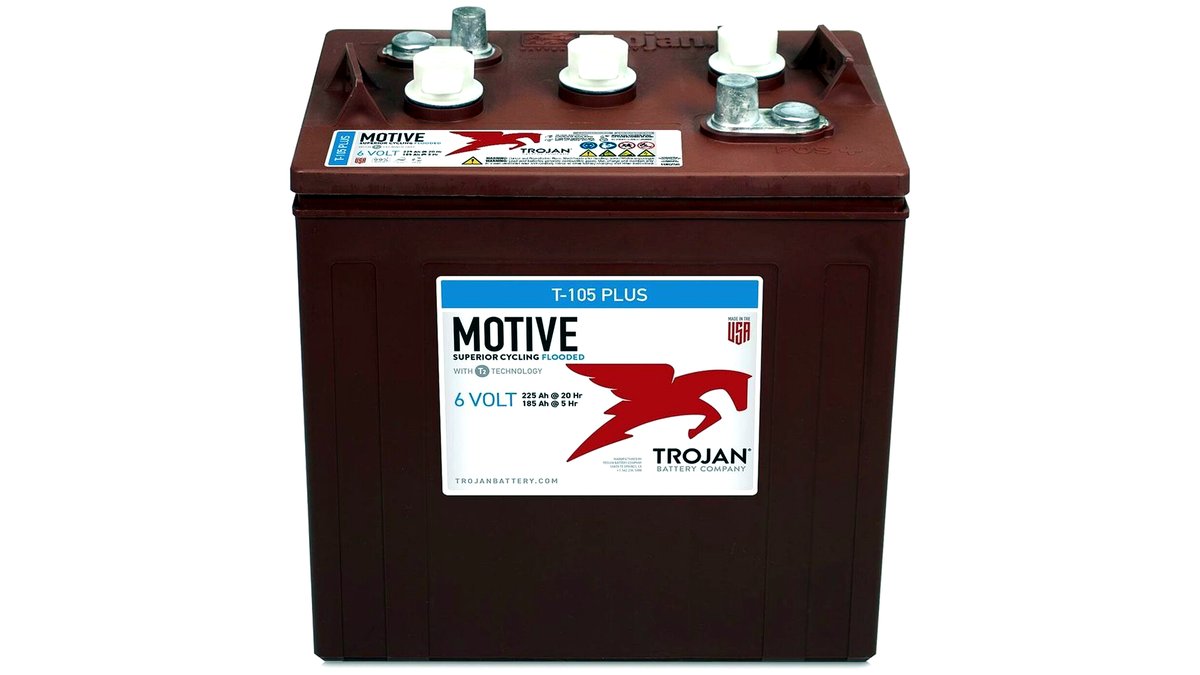
For carts that see light seasonal use, a flooded lead-acid 6-pack remains the most budget-friendly way to restore power. Trojan’s deep-cycle golf cart batteries are a long-standing reference point in this category and are rated for the repeated deep discharges that golf carts demand. These require periodic watering and terminal cleaning, and ventilation matters because flooded cells vent hydrogen gas during charging. AGM packs from US Battery and Deka remove the watering step and seal the cells, which suits owners who store the cart in an attached garage or who simply want less maintenance; the tradeoff is a somewhat higher purchase cost and, in most cases, a slightly lower total capacity per dollar than flooded equivalents.
Lithium (LiFePO4) Picks
Lithium packs suit golfers who play several rounds a week, live where hills tax the motor, or want to stop thinking about battery maintenance entirely. Battle Born and Allied both list drop-in 48V LiFePO4 packs designed to replace a full set of lead-acid batteries in the same tray space, often with a built-in battery management system that protects against overcharge, over-discharge, and cell imbalance. RoyPow and similar makers offer comparable drop-in kits at a range of capacities. The main limits: lithium packs cost noticeably more at purchase, some carts need a compatible charger swap, and very cold climates can slow charging unless the pack includes low-temperature protection circuitry.
At a Glance
| Pack Type | Best For | Key Stated Specs | Limits |
|---|---|---|---|
| Flooded lead-acid (e.g., Trojan deep-cycle) | Occasional golfers, tight budget | 36V/48V configurations, standard GC2/GC8 case sizes, deep-cycle rated | Needs watering and terminal cleaning; heaviest option; shortest lifespan |
| AGM sealed (e.g., US Battery, Deka) | Garage-stored carts, low-maintenance preference | Sealed cells, vibration-resistant, standard case sizes | Higher cost than flooded; still heavier than lithium; finite cycle life |
| LiFePO4 drop-in (e.g., Battle Born, Allied) | Daily players, hilly courses, long-term value | Built-in BMS, drop-in sizing for lead-acid trays, long cycle ratings per maker | Highest purchase cost; may require charger upgrade; cold-weather charging limits without heating option |
| Budget lithium (e.g., RoyPow) | Lithium benefits on a tighter lithium budget | Standard drop-in form factors, BMS protection | Fewer capacity options; verify charger compatibility before buying |
Pick This If…
| Situation | Recommended Type |
|---|---|
| Cart is used a few times a month for short rounds | Flooded lead-acid pack |
| Cart lives in a garage and maintenance time is scarce | AGM sealed pack |
| Cart is driven daily, on hills, or for long work shifts | LiFePO4 lithium pack with matching charger |
| Weight reduction is a priority (performance carts, racing) | Lithium pack, lightest available Ah rating that still meets range needs |
| Replacing one or two failed cells only | Match exact voltage and group size to existing pack rather than switching chemistry |
Fit, Size, and Compatibility Notes
Before ordering, confirm three things: the cart’s system voltage (check the existing battery label or owner’s manual), the battery tray’s case-size group (commonly GC2, GC8, or similar), and whether the onboard charger supports the chemistry being installed. Mixing old and new lead-acid cells in the same pack is discouraged by most manufacturers because uneven internal resistance shortens the life of the newer cells. When switching from lead-acid to lithium, buyers should also check hold-down hardware, since lithium packs are often shorter or lighter than the lead-acid units they replace and may need spacers or a modified strap to sit securely.
2-3 Alternatives
Golfers who want a middle ground between lead-acid cost and lithium longevity can look at gel-cell batteries, which share AGM’s sealed, low-maintenance design but handle deep discharges slightly differently; they suit carts that sit unused for long stretches between golf seasons. A second alternative is a single lithium “booster” or range-extender pack added alongside an existing lead-acid bank, which some owners use to add range without replacing the whole system, though this works only when the charging setup explicitly supports a mixed configuration. A third alternative is simply upgrading the onboard charger to a smart multi-stage charger while keeping lead-acid batteries, which extends battery life and improves charge efficiency without the upfront cost of new cells.
Charging Habits and Long-Term Care
Whichever chemistry a golfer chooses, charging habits have an outsized effect on how long the pack actually lasts in practice. Lead-acid and AGM packs generally benefit from a full charge after every use rather than being left partially discharged for days, since sulfation builds up on the plates when a lead-acid battery sits at a low state of charge. Lithium packs are more forgiving of partial charging and do not develop sulfation, but most makers still recommend avoiding deep discharges below the battery management system’s cutoff on a regular basis, since repeated full discharges can shorten even a lithium pack’s rated cycle life over time. Storing any cart battery pack through an off-season is its own consideration: flooded lead-acid batteries typically need a maintenance or trickle charger to prevent self-discharge damage over winter storage, while most lithium packs can sit at a partial charge for extended periods with less risk, though checking the specific maker’s storage guidance is worth doing before putting the cart away for the season.
Temperature also plays a role in both performance and longevity. Lead-acid batteries lose a meaningful amount of effective capacity in cold weather, which is one reason golfers in colder climates sometimes notice reduced range during winter rounds even with a healthy battery pack. Lithium packs handle cold better in terms of capacity retention, but charging a lithium battery in very cold conditions can be restricted or slowed unless the pack includes a built-in heating or low-temperature charge management feature, so golfers in colder regions should check this spec specifically if they plan to charge the cart in an unheated garage during winter months.
Frequently Asked Questions
How long do golf cart batteries typically last?
Flooded lead-acid packs commonly last a few years with regular watering and proper charging habits, while AGM packs tend to last somewhat longer under similar use. Lithium LiFePO4 packs are rated by most makers for substantially more charge cycles than lead-acid, which often translates to a decade or more of service depending on usage frequency and climate.
Can I switch from lead-acid to lithium without other changes?
In many carts, a drop-in lithium pack fits the existing tray, but the charger is the detail to check first. Lead-acid chargers use a charging profile that does not match lithium’s needs, so most makers recommend pairing a lithium pack with a lithium-compatible charger to charge safely and fully.
Do I need to water AGM or lithium batteries?
No. Both AGM and lithium packs are sealed and do not require water top-offs, which is one of the main appeals for owners who want to skip routine maintenance. Flooded lead-acid batteries are the exception and do need periodic distilled water refills.
Will a heavier battery pack affect how the cart handles?
Yes. Lead-acid packs add noticeably more weight than lithium packs of similar capacity, which can make the cart feel more stable on flat ground but can also strain the motor more on hills and increase rolling resistance. Many owners who switch to lithium report easier handling simply due to the weight drop, though actual handling also depends on tire condition and suspension.
What voltage should I buy if I’m not sure what my cart uses?
Check the label on the current battery pack or the cart’s owner’s manual rather than guessing, since both 36V and 48V systems are common across different cart models and years. Installing the wrong voltage pack can damage the cart’s motor controller, so this is worth confirming before ordering.
Is it safe to mix old and new batteries in the same bank?
Most manufacturers advise against it because a worn cell discharges and charges differently than a new one, which creates imbalance across the pack and shortens the new cell’s effective life. Replacing the full set at once, even if only one cell has failed, is the more reliable long-term approach for lead-acid and AGM systems.