Key takeaways
- Voltage and bank match. Golf carts commonly run 36V or 48V systems made up of multiple 6V, 8V, or 12V batteries wired in series; a maintainer must match the pack’s total voltage or be a multi-bank unit that addresses each battery individually.
- Charger vs. maintainer mode. A battery tender style device is designed to maintain a charge after the pack is already charged, while a full charger brings a depleted pack back up; many products on the market combine both functions in stages.
- Battery chemistry compatibility. Flooded lead-acid, AGM, and lithium golf cart batteries each need different charge profiles; the maker’s manual specifies which chemistries a given charger or maintainer supports.
- Automatic shut-off or float mode. Many makers list an automatic switch to a low-current float or maintenance mode once the battery reaches full charge, which is intended to reduce overcharging risk; always follow the specific product’s manual for this feature.
- Connection type. Ring terminals permanently wired to the battery posts allow quick connect/disconnect, while alligator clips are simpler but need to be attached and removed each time.
- Indoor/outdoor rating. Carts stored in an open carport or outdoors need a maintainer rated for outdoor or damp conditions, which the maker states in the product specifications.
A single-bank smart maintainer suits a golf cart with one 12V battery or a rider who tops off charge between occasional uses, while a multi-bank charger-maintainer built for golf cart voltage (36V or 48V packs) suits carts that sit unused for weeks at a time. The right choice depends on the cart’s battery voltage configuration and how long it sits idle between charges.
As an Amazon Associate, we earn from qualifying purchases made through links on this page.
What to look for in a golf cart battery tender
- Voltage and bank match. Golf carts commonly run 36V or 48V systems made up of multiple 6V, 8V, or 12V batteries wired in series; a maintainer must match the pack’s total voltage or be a multi-bank unit that addresses each battery individually.
- Charger vs. maintainer mode. A battery tender style device is designed to maintain a charge after the pack is already charged, while a full charger brings a depleted pack back up; many products on the market combine both functions in stages.
- Battery chemistry compatibility. Flooded lead-acid, AGM, and lithium golf cart batteries each need different charge profiles; the maker’s manual specifies which chemistries a given charger or maintainer supports.
- Automatic shut-off or float mode. Many makers list an automatic switch to a low-current float or maintenance mode once the battery reaches full charge, which is intended to reduce overcharging risk; always follow the specific product’s manual for this feature.
- Connection type. Ring terminals permanently wired to the battery posts allow quick connect/disconnect, while alligator clips are simpler but need to be attached and removed each time.
- Indoor/outdoor rating. Carts stored in an open carport or outdoors need a maintainer rated for outdoor or damp conditions, which the maker states in the product specifications.
At a glance
| Tender type | Best for | Key stated specs | Limits |
|---|---|---|---|
| Single-bank 12V smart maintainer | Single 12V battery carts or topping off one battery at a time | Low-amp output, automatic float mode per maker’s listing | Not suited to multi-battery 36V/48V packs directly |
| 36V or 48V dedicated golf cart charger-maintainer | Standard golf cart packs left idle for weeks | Matched output voltage, stated automatic shut-off/float mode | Chemistry-specific; must match flooded, AGM, or lithium setting |
| Multi-bank individual-battery maintainer | Packs where each battery should be balanced separately | Multiple independent outputs, one per battery | More wiring to set up initially |
| Solar trickle maintainer | Carts stored without easy access to household power | Panel plus controller, lower maintenance current | Output depends on available sunlight |
Top picks by category
NOCO Genius or similar smart single/multi-bank chargers
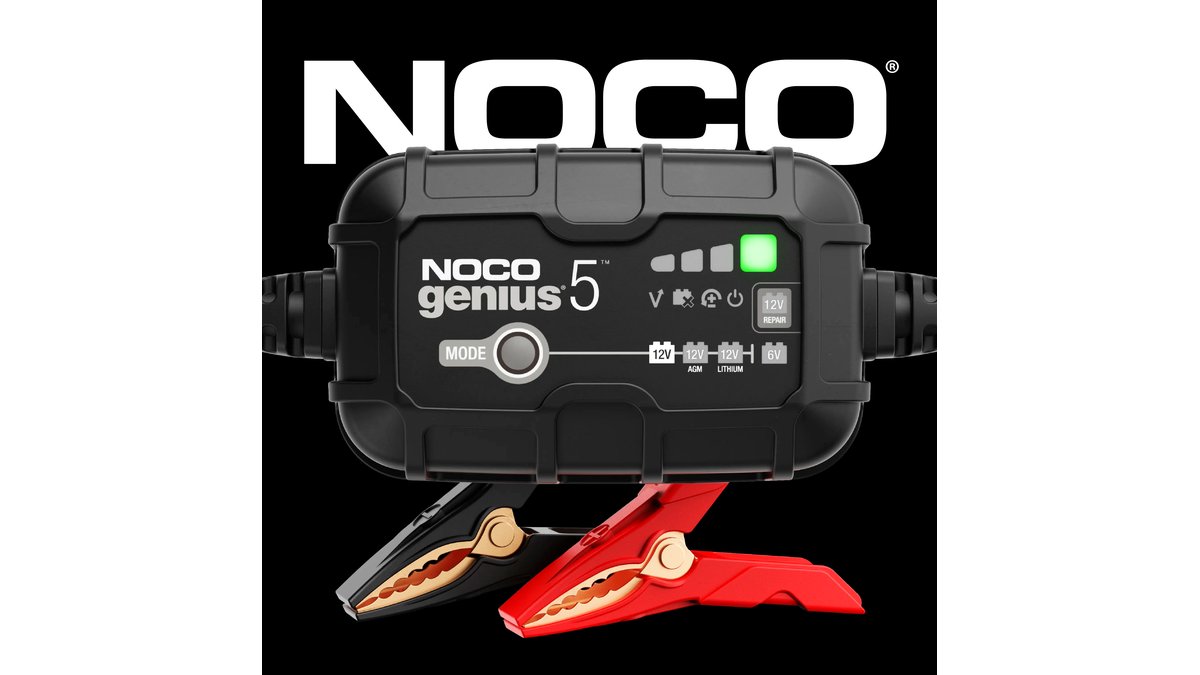
NOCO’s Genius line includes single-bank units for 12V batteries and higher-output models that can address multiple batteries, with the maker listing automatic temperature compensation and a stated float-mode function on many models. These suit golf cart owners who want one flexible charger-maintainer that can also serve other 12V equipment. The limit is that a single-bank model needs manual switching between batteries unless a multi-bank version matching the cart’s full pack is selected.
Battery Tender Jr. and multi-bank golf cart chargers
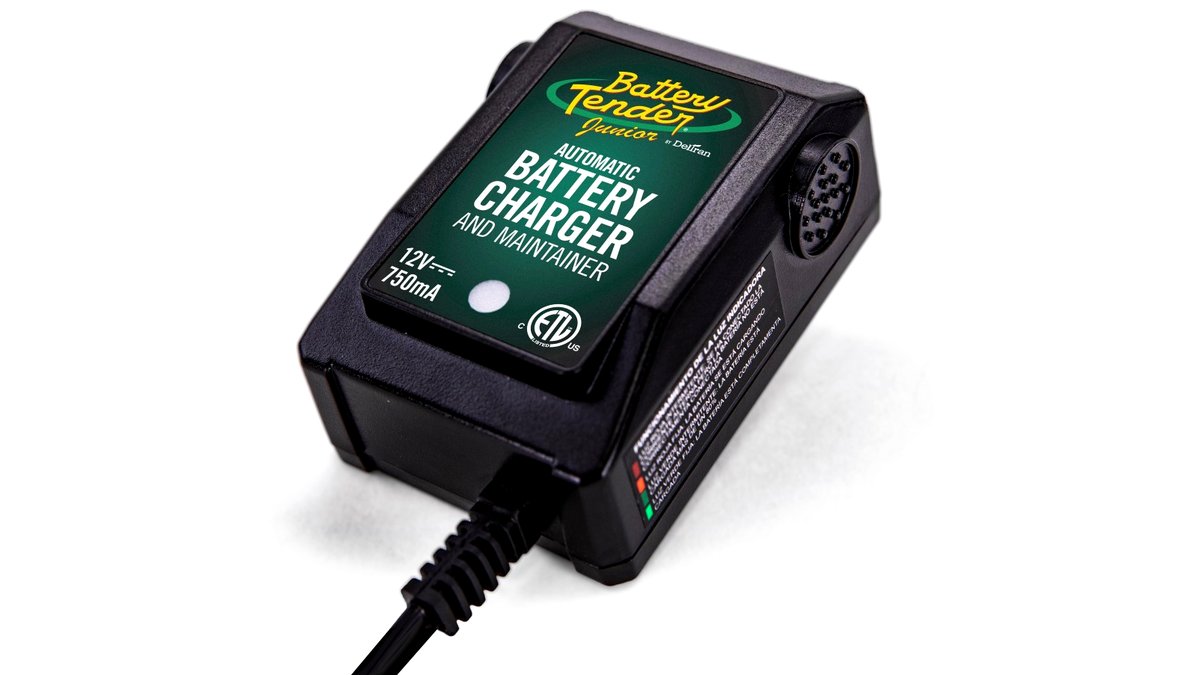
Battery Tender’s lineup includes compact single-battery maintainers as well as chargers built specifically for golf cart voltage packs, with the maker listing a stated automatic switch to float/maintenance mode once charging completes. These suit owners who want a dedicated, set-and-forget solution wired directly to the cart’s battery posts. The limit is that the exact model must match the cart’s pack voltage and battery chemistry per the manufacturer’s instructions.
Lester Summit Series II or similar dedicated golf cart chargers
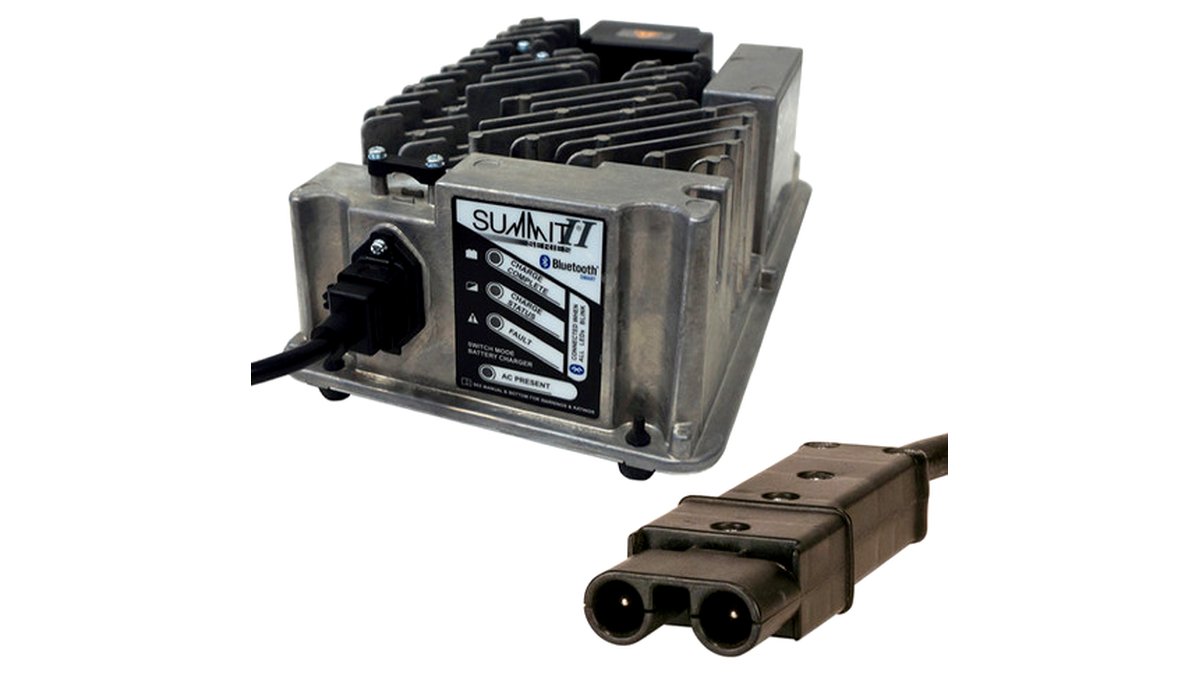
Chargers built specifically for golf cart applications, such as Lester’s Summit Series line, are designed around the voltage and charge profiles common to golf cart battery packs, with onboard or portable mounting options the maker lists in its specifications. These suit owners of fleet or personal carts who want a charger built to the cart industry’s standard rather than a general-purpose automotive maintainer. The limit is a higher price tier than general-purpose single-bank maintainers.
Schumacher or similar multi-bank maintainers
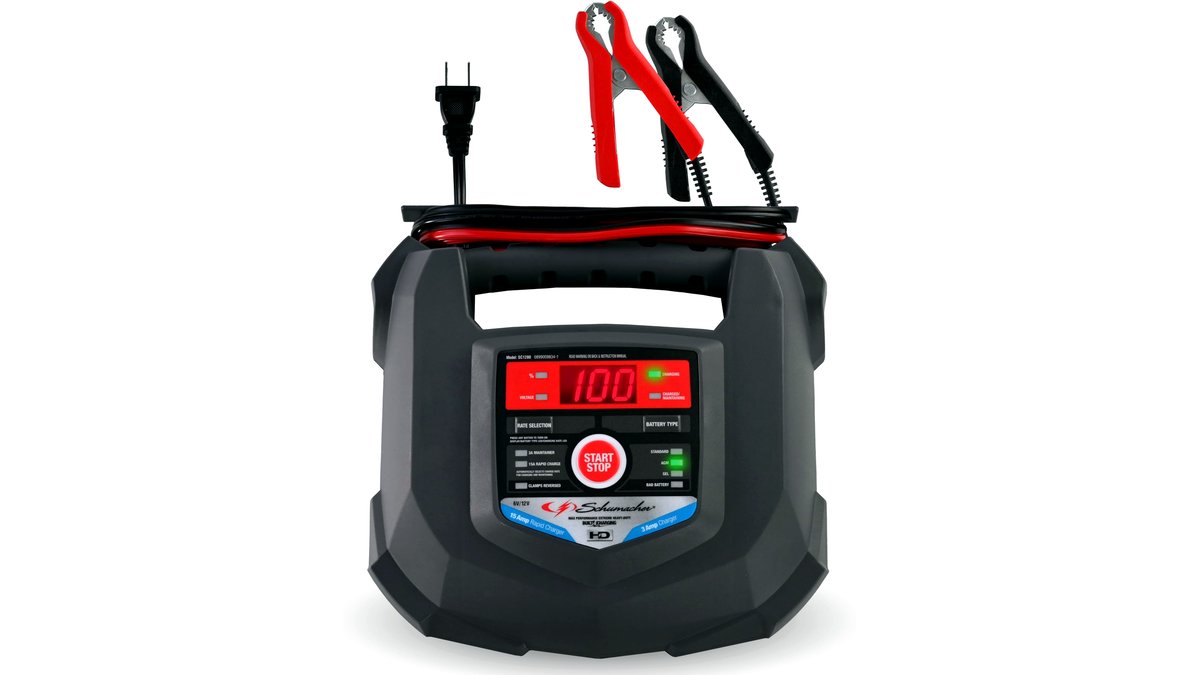
General-purpose multi-bank maintainers from brands like Schumacher address several individual batteries at once through separate charge leads, which the maker lists as useful for balancing a pack where batteries age at different rates. These suit owners who want to monitor and maintain each battery in a pack individually rather than as one combined unit. The limit is more complex initial wiring compared to a single matched-voltage charger.
Fit and compatibility notes
Always confirm the cart’s total system voltage (commonly 36V or 48V) and the chemistry of the installed batteries (flooded lead-acid, AGM, or lithium) before selecting a charger or maintainer, since using the wrong voltage or chemistry setting can damage batteries or create a safety hazard. Many golf cart battery packs use several lower-voltage batteries wired in series, and a maintainer that addresses the full pack as one unit may not balance individual batteries the way a per-battery multi-bank unit does. This is an electrical safety topic: always follow the battery and charger manufacturer’s manual for connection order, ventilation during charging, and any stated warnings, and have a qualified technician or electrician inspect the cart’s wiring if there is any doubt about compatibility or existing damage.
Pick one if…
| If you… | Pick this type |
|---|---|
| Have a single 12V battery or want to charge one battery at a time | A single-bank smart maintainer |
| Have a standard 36V or 48V pack left idle for weeks | A dedicated golf cart charger-maintainer matched to that voltage |
| Want each battery in the pack balanced individually | A multi-bank individual-battery maintainer |
| Store the cart away from household power | A solar trickle maintainer |
Alternatives worth considering
A built-in onboard charger from the cart’s original manufacturer, if the cart already has one, may only need a maintainer-mode add-on rather than a full replacement charger. A portable jump-start power pack can serve as a backup for a single depleted battery in an emergency, though it is not a substitute for regular maintenance charging. Replacing aging batteries with a lithium pack, where the cart and charger support it, can reduce how often active maintenance charging is needed, though this is a larger upfront investment and requires a charger rated for lithium chemistry.
Frequently Asked Questions
How often should I use a battery tender on my golf cart?
Many maintainer products are designed to stay connected continuously in float or maintenance mode whenever the cart is parked and has power access, per the manufacturer’s instructions. Owners who cannot leave a maintainer connected full-time should follow the battery maker’s guidance on how often periodic charging is needed to prevent deep discharge.
Can I use a car battery tender on a golf cart?
A standard 12V automotive tender can work on a single 12V battery within a golf cart pack, but it will not charge or maintain a full 36V or 48V pack as one unit. A charger or maintainer rated for the cart’s full system voltage, or a multi-bank unit addressing each battery, is generally needed for the whole pack.
What happens if I use the wrong voltage charger on my golf cart batteries?
Using a charger or maintainer that does not match the battery pack’s voltage or chemistry can damage the batteries and may create a safety hazard, including overheating. Always confirm voltage and chemistry compatibility against the manufacturer’s manual before connecting any charger.
Do lithium golf cart batteries need a different maintainer?
Yes, lithium batteries generally require a charger or maintainer specifically rated for lithium chemistry, since the charge profile differs from flooded lead-acid or AGM batteries. Using a charger not rated for lithium can affect battery performance and safety, so checking both the battery and charger manufacturer’s documentation is important.
Is it safe to leave a battery tender connected all winter?
Many maintainer products are designed by their makers for continuous connection, automatically switching to a low-current float mode once the battery is full, which is intended to prevent overcharging during long storage. Owners should still periodically inspect connections and follow the specific product’s manual, since stated features vary by model.
How do I know if my golf cart batteries need replacing instead of just maintaining?
Signs like reduced run time, slow charging, or a battery that will not hold a float charge can indicate aging or failing batteries rather than a charging problem. A qualified technician or the cart dealer can test individual battery capacity to confirm whether maintenance or replacement is the right next step.