Key takeaways
- Motor power and hill performance. Entry-level models use a single motor in the 350-500W range, suited to flat terrain, while higher-tier and dual-motor models are built for hills and heavier riders.
- Battery range. The maker lists an estimated range per charge for each model, but real-world range depends heavily on rider weight, terrain, tire pressure, and riding mode, so treat listed figures as a best-case number.
- Tire type. Pneumatic (air-filled) tires absorb bumps better and handle rougher pavement, while solid or honeycomb tires need no maintenance but transmit more road vibration.
- Portability and fold mechanism. Commuters who carry a scooter onto a bus or train, or up stairs, should weigh the model’s folded weight and fold-latch design, since lighter models trade off battery size and motor power.
- Brakes. Combined electronic and disc or drum brakes give more stopping power than electronic braking alone, which matters at higher speeds or on hills.
- Weather resistance rating. Many Hiboy models list an IP rating for water and dust resistance, which is useful context for riders who commute in light rain, though no IP rating makes a scooter fully submersible or storm-proof.
Commuters covering a mix of flat city streets and moderate hills fit best with a mid-tier dual-purpose Hiboy model, while short-trip riders on flat ground can save money with the brand’s lighter entry-level scooter, and off-road or hill-heavy commuters need one of Hiboy’s higher-power models. Which one makes sense depends on commute distance, terrain, and whether portability for stairs or public transit matters.
As an Amazon Associate, we earn from qualifying purchases made through links on this page.
What to look for in a Hiboy electric scooter
- Motor power and hill performance. Entry-level models use a single motor in the 350-500W range, suited to flat terrain, while higher-tier and dual-motor models are built for hills and heavier riders.
- Battery range. The maker lists an estimated range per charge for each model, but real-world range depends heavily on rider weight, terrain, tire pressure, and riding mode, so treat listed figures as a best-case number.
- Tire type. Pneumatic (air-filled) tires absorb bumps better and handle rougher pavement, while solid or honeycomb tires need no maintenance but transmit more road vibration.
- Portability and fold mechanism. Commuters who carry a scooter onto a bus or train, or up stairs, should weigh the model’s folded weight and fold-latch design, since lighter models trade off battery size and motor power.
- Brakes. Combined electronic and disc or drum brakes give more stopping power than electronic braking alone, which matters at higher speeds or on hills.
- Weather resistance rating. Many Hiboy models list an IP rating for water and dust resistance, which is useful context for riders who commute in light rain, though no IP rating makes a scooter fully submersible or storm-proof.
At a glance
| Model tier | Best for | Key stated specs | Limits |
|---|---|---|---|
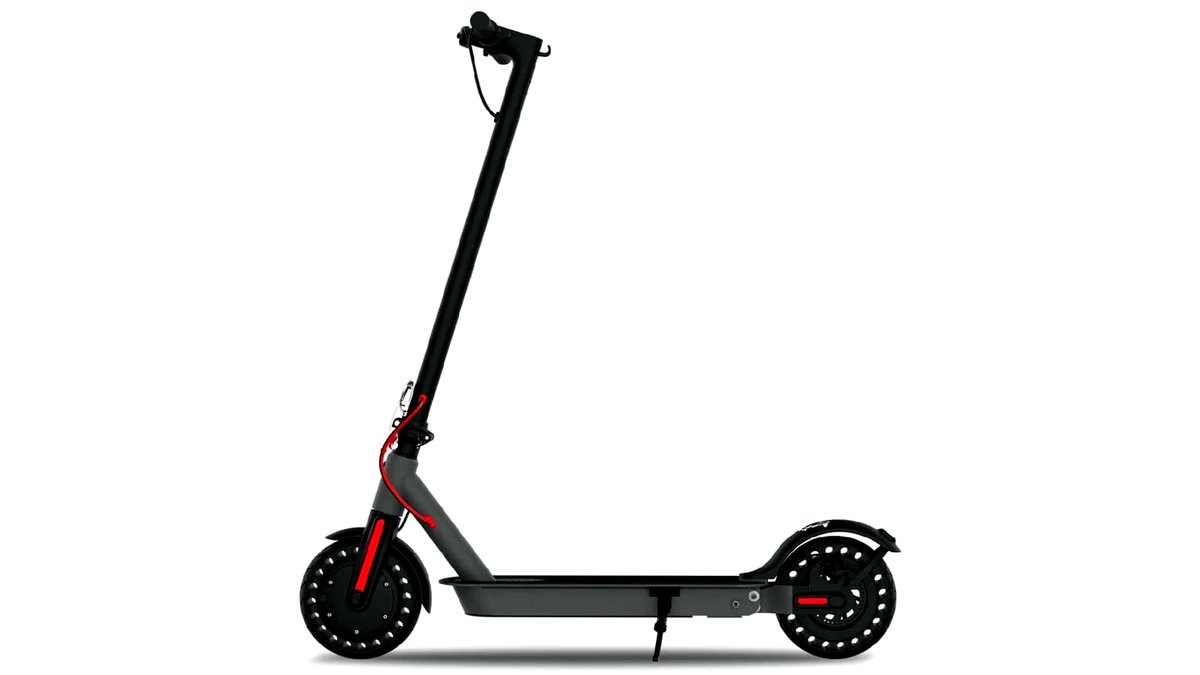
| Entry-level commuter (e.g., S2 line) | Short, flat-terrain commutes and casual riders | Single motor, foldable frame, moderate top speed | Limited hill-climbing and range versus higher tiers |
| Mid-tier all-rounder (e.g., MAX3 line) | Daily commuters with mixed terrain | Larger battery, pneumatic tires, higher stated range | Heavier than entry-level folding models |
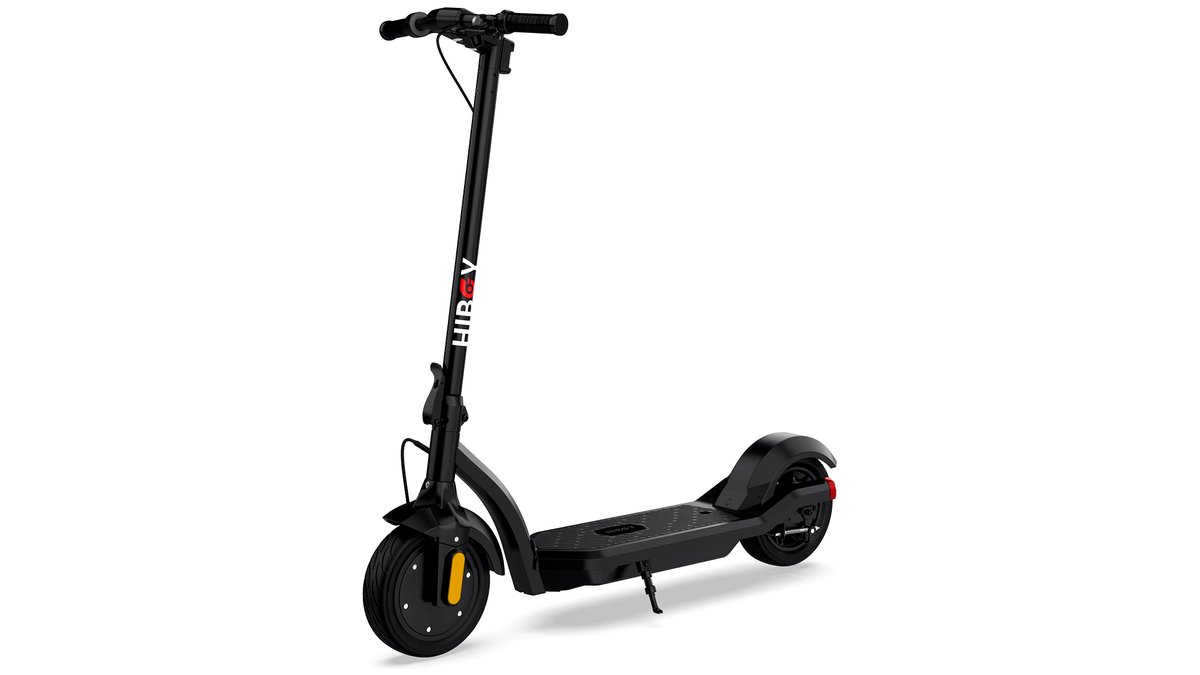
| Higher-power dual-purpose model (e.g., EX10 line) | Hilly commutes and heavier riders | Higher wattage motor, larger tires, dual braking | Bulkier and less convenient to carry up stairs |
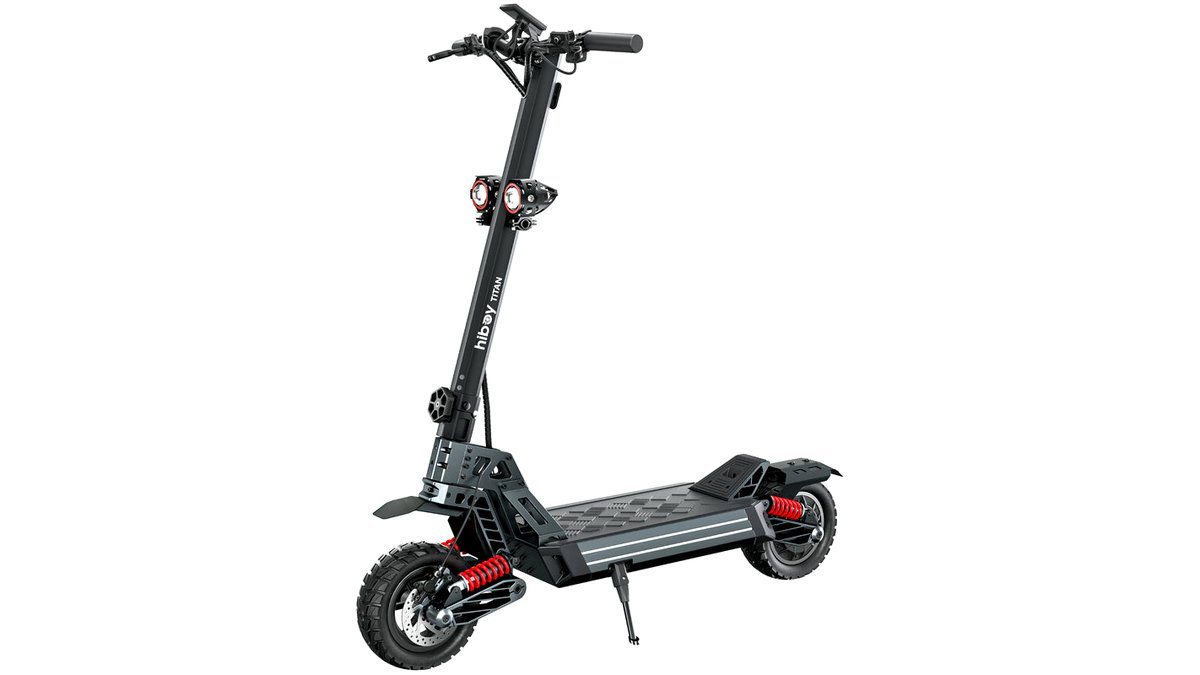
| Off-road/all-terrain model (e.g., Titan line) | Unpaved paths and rougher terrain | Dual motors, off-road tires per maker’s listing | Significant weight, not built for frequent folding/carrying |
Top picks by category
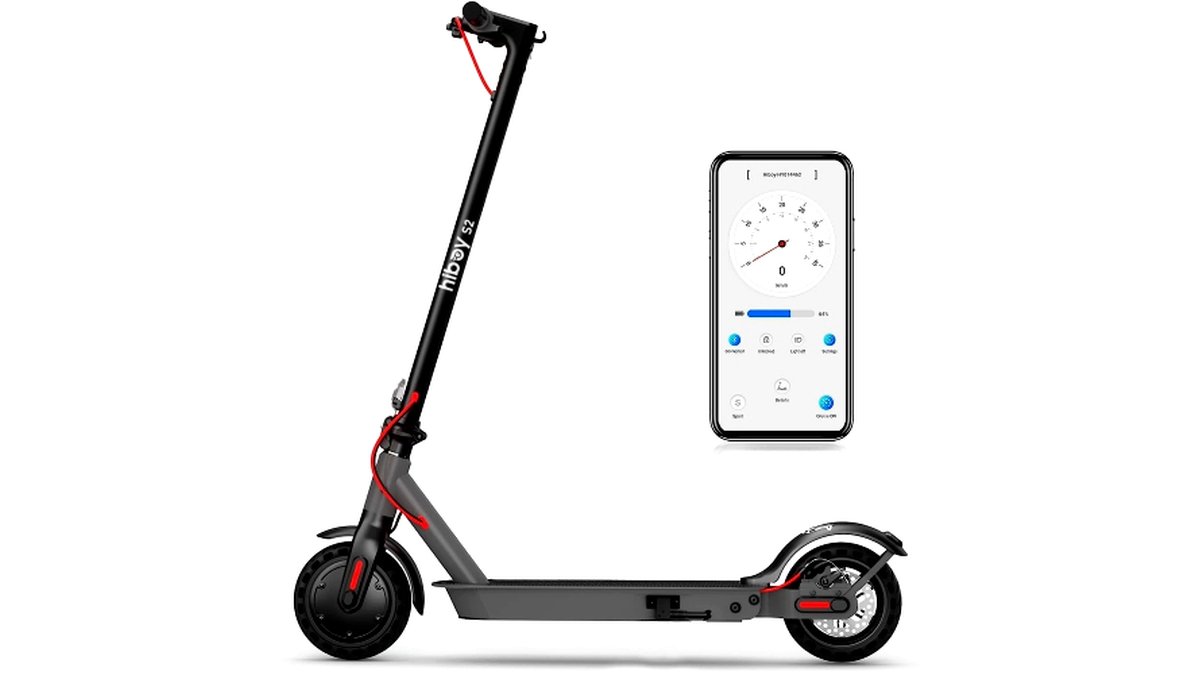
Hiboy S2 (entry-level commuter)
The S2 line is positioned by the maker as a lightweight, foldable commuter scooter suited to flat city riding and short trips. It targets riders who want an affordable, easy-to-carry scooter for last-mile commuting from a transit stop to an office or home. The limit is reduced hill-climbing ability and a shorter stated range compared to the brand’s larger models, which makes it a poor fit for longer or hillier commutes.
Hiboy MAX3 (mid-tier all-rounder)
The MAX3 line steps up battery capacity and uses pneumatic tires, which the maker lists as improving ride comfort and real-world range over the entry-level tier. It suits daily commuters covering a longer mixed-terrain route who want a noticeable step up in comfort without jumping to the heaviest models. The limit is added weight and bulk versus the entry-level line, which makes stair-carrying or tight storage less convenient.
Hiboy EX10 (higher-power model)
The EX10 line is built around a higher-wattage motor and larger wheels, aimed at riders who face hills or carry more body weight than the entry-level models are rated for. It suits commuters who prioritize power and stability over portability. The limit is reduced ease of carrying and folding compared to lighter commuter models, plus a higher price tier.
Hiboy Titan (off-road/all-terrain)
Hiboy’s off-road-oriented line uses dual motors and off-road-rated tires per the maker’s specifications, aimed at riders who regularly leave paved surfaces. It suits buyers who want one scooter for both pavement and light trail use. The limit is substantial weight and size, which makes it impractical for riders who need to carry the scooter indoors or up stairs regularly.
Fit and compatibility notes
Rider weight limits vary by model and are listed by the maker; exceeding the stated maximum rider weight reduces both range and motor longevity and can affect braking performance. Replacement parts, including tires and inner tubes, are model-specific, so riders should confirm their exact model number before ordering accessories or replacement parts. Folding scooters need their fold-latch mechanism checked periodically, since repeated folding and unfolding is a common wear point across this category of scooter, not specific to one brand.
Charging practices also affect long-term battery health across the lineup. The manufacturer’s manual typically recommends using only the included charger, avoiding charging immediately after a long ride while the battery is still warm, and not leaving the scooter on a full charge for extended periods without use. Riders who store a scooter over winter or for other long stretches should check the manual for a recommended storage charge level, since leaving a lithium battery fully depleted or fully topped off for months at a time can shorten its usable life regardless of brand.
Local laws also affect where and how a Hiboy scooter can be ridden, since rules on sidewalk use, maximum speed, required lights, and minimum rider age vary by city and region. Checking local regulations before commuting on public roads or sidewalks is a separate consideration from the scooter’s own specifications, and a helmet is commonly recommended regardless of local requirements.
Pick one if…
| If you… | Pick this type |
|---|---|
| Commute short, flat distances and want the lightest, most portable option | An entry-level model like the S2 line |
| Commute a longer mixed-terrain route daily | A mid-tier model like the MAX3 line |
| Face regular hills or are a heavier rider | A higher-power model like the EX10 line |
| Want to ride on unpaved trails as well as pavement | An off-road model like the Titan line |
Alternatives worth considering
An electric bike offers a seat, more stable handling, and typically longer range than an electric scooter, which suits commuters covering longer distances who do not need to carry the vehicle indoors. A manual kick scooter or folding bike is a lighter, cheaper alternative for very short, flat trips where battery charging is an inconvenience. A scooter from a competing brand with a swappable battery design may suit riders who want to extend range without waiting for a full charge, though swappable-battery models are less common in this price category.
Frequently Asked Questions
How far can a Hiboy electric scooter go on one charge?
The maker lists an estimated range for each model, but actual range depends on rider weight, terrain, tire pressure, temperature, and which riding mode is used. Riders should expect real-world range to fall below the maximum stated figure, especially on hills or in cold weather.
Are Hiboy scooters waterproof?
Many Hiboy models list an IP rating for water and dust resistance, which typically covers light rain and splashes rather than full submersion. Riders should avoid deep puddles and heavy storms regardless of a model’s stated IP rating, and should dry the scooter after any wet-weather use.
What is the maximum rider weight for a Hiboy scooter?
Maximum rider weight varies by model and is listed in the manufacturer’s specifications, with higher-power models generally rated for heavier riders than entry-level folding scooters. Riding above the stated weight limit can reduce range, slow acceleration, and affect braking distance.
Do Hiboy scooters need regular maintenance?
Like most electric scooters, Hiboy models need periodic tire pressure checks (for pneumatic-tire models), brake inspection, and fold-latch checks. Following the manufacturer’s manual for charging practices also helps preserve battery life over time.
Can I ride a Hiboy scooter in the rain?
Light rain is generally tolerated by models with a stated water-resistance rating, but riders should avoid deep water, heavy downpours, and submersion, since electrical components can be damaged regardless of rating. Checking the specific model’s manual for weather guidance is recommended before riding in wet conditions.
How long does it take to charge a Hiboy scooter?
Charging time varies by battery size and model, with larger-capacity batteries in mid-tier and higher-power models generally taking longer to reach a full charge than entry-level models. The manufacturer’s listed charging time is a useful baseline, though using the charger that came with the scooter is important for both charging speed and battery safety.