Key takeaways
- Battery capacity (Wh): The single biggest factor. Look at watt-hours, not just voltage or amp-hours alone, since Wh = V x Ah and lets you compare packs fairly across brands.
- Motor configuration: Dual-motor scooters draw more power and generally shorten range at a given speed compared to single-motor versions, even though they climb hills better.
- Tire type: Pneumatic (air-filled) tires roll more efficiently and absorb bumps better than solid rubber tires, which can meaningfully extend real-world range and comfort.
- Rider weight and terrain: Heavier riders and hilly routes draw more amps per mile, shrinking range regardless of the spec sheet.
Riders who need 40+ miles on a single charge should look at dual-battery adult commuter scooters, while anyone covering 20-30 miles for a daily work commute can save weight and budget with a single large-cell pack. The right pick depends less on top speed and more on battery capacity, tire type, and how much the scooter weighs when you have to carry it up stairs.
As an Amazon Associate, we earn from qualifying purchases made through links on this page.
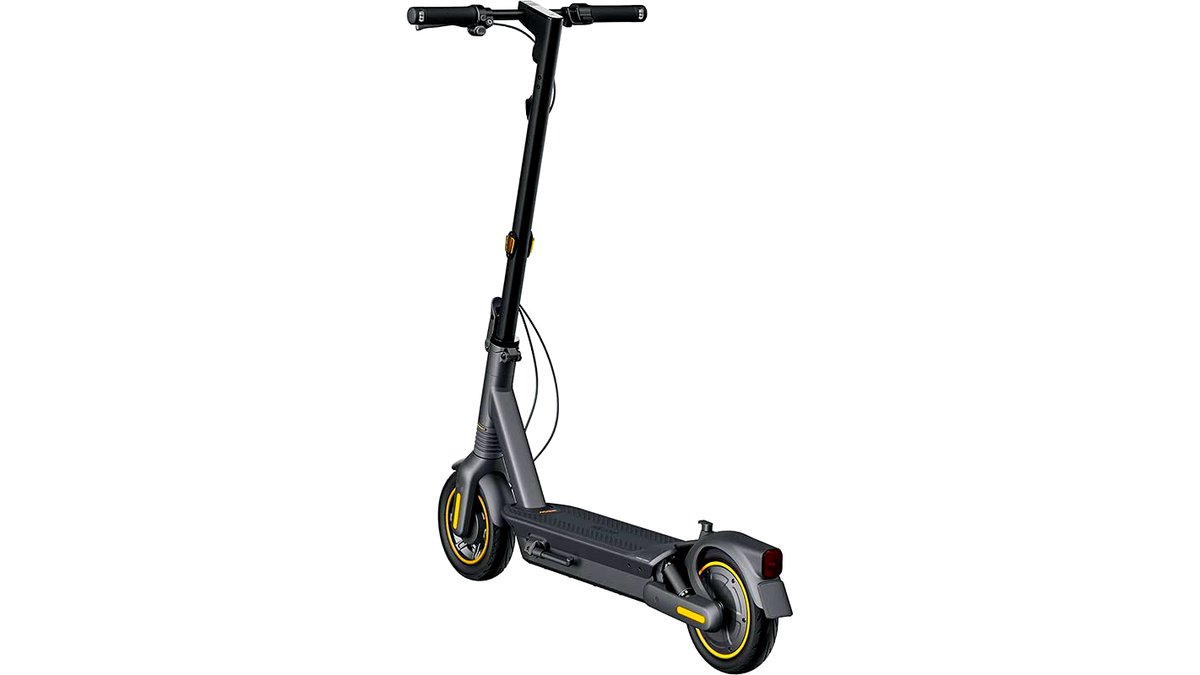
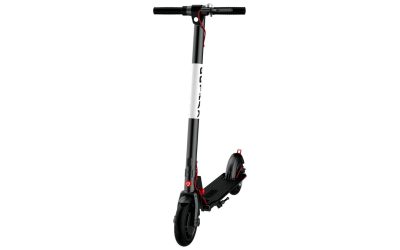
Long-range electric scooters trade portability for battery capacity. A scooter that claims 40, 50, or even 65 miles of range usually carries two battery packs, a heavier frame, and a motor (or dual motors) rated well above the 350W hub motors found on short-hop commuter models. Riders shopping this category are usually replacing a car trip, a bus transfer, or a long campus or warehouse walk, so the calculus is different from someone buying a scooter for a half-mile sidewalk ride.
What Actually Determines Range
Manufacturer range figures are measured under ideal conditions: a rider near the minimum weight threshold, flat pavement, low speed setting, and a fully charged pack. Real-world range typically comes in at 50-70% of the advertised number once you add rider weight, hills, wind, cold weather, and higher speed settings. A scooter advertised for 40 miles should realistically be budgeted for 22-28 miles in mixed commuting conditions.
- Battery capacity (Wh): The single biggest factor. Look at watt-hours, not just voltage or amp-hours alone, since Wh = V x Ah and lets you compare packs fairly across brands.
- Motor configuration: Dual-motor scooters draw more power and generally shorten range at a given speed compared to single-motor versions, even though they climb hills better.
- Tire type: Pneumatic (air-filled) tires roll more efficiently and absorb bumps better than solid rubber tires, which can meaningfully extend real-world range and comfort.
- Rider weight and terrain: Heavier riders and hilly routes draw more amps per mile, shrinking range regardless of the spec sheet.
Battery Capacity Tiers to Shop By
Rather than chasing a specific model, buyers do better comparing scooters by battery tier, since manufacturers refresh model names frequently but keep similar battery classes in production.
| Tier | Typical Battery | Best For | Trade-offs |
|---|---|---|---|
| Entry long-range | ~10-13Ah single pack | Commuters doing 15-20 miles round trip | Lighter weight, but range drops fast with hills or cold |
| Mid long-range | ~15-20Ah single or dual pack | Riders needing 25-35 real-world miles | Heavier (35-45 lbs), harder to carry upstairs |
| Max-range / dual-battery | 20Ah+ dual packs | Replacing car commutes of 20+ miles each way | Often 50-65 lbs; some models need two chargers or longer charge times |
Motor Power and Hill Climbing
Dual-motor setups (commonly in the 500W-1000W-per-motor range on commuter-class scooters) climb steeper grades and accelerate faster, which matters in hilly cities. Single-motor scooters in the 350-500W class are adequate for flat-to-rolling terrain and tend to be quieter and more efficient per mile. If your commute includes sustained grades above roughly 15%, prioritize a dual-motor model and confirm the maker states a specific climbing-angle rating rather than a vague “climbs hills well” claim.
Tires, Suspension, and Ride Comfort on Long Rides
Over 20-30+ minute rides, tire and suspension choices affect fatigue as much as range. Pneumatic tires (tubed or tubeless) smooth out cracked pavement and reduce vibration transferred to wrists and knees, though they’re vulnerable to punctures and need occasional pressure checks. Solid tires skip maintenance and puncture risk entirely but ride harsher on rough streets. Scooters built for long range often pair larger-diameter wheels (8.5-10+ inches) with front and/or rear suspension to offset the stiffer ride that comes with heavier frames.
Weight and Portability Trade-off
Long-range scooters are heavy. A model with 25+ miles of real-world range commonly weighs 35-55+ pounds, which affects whether you can realistically carry it onto a train, up an apartment stairwell, or into an office. If portability matters as much as range, look specifically at the carrying weight (not just the folded dimensions) and consider a mid-range-battery model over a max dual-battery one.
Charging Time and Battery Longevity
Larger packs take longer to charge, often 6-10+ hours for max-range dual-battery scooters unless the maker includes dual chargers or a fast-charge option. Lithium-ion packs in this category are commonly rated by manufacturers for several hundred charge cycles before capacity noticeably declines; storing the scooter at a partial charge (roughly 40-60%) rather than always topping off to 100% is a widely cited way to slow long-term capacity loss, per battery-care guidance that several scooter makers publish in their manuals.
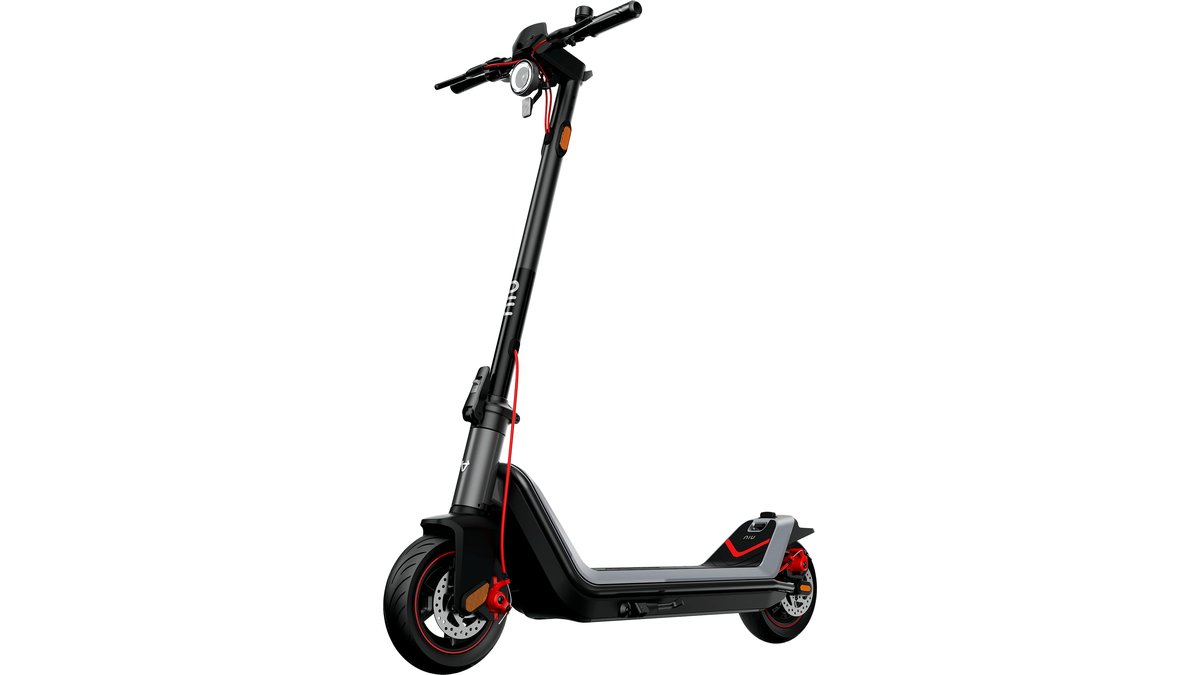
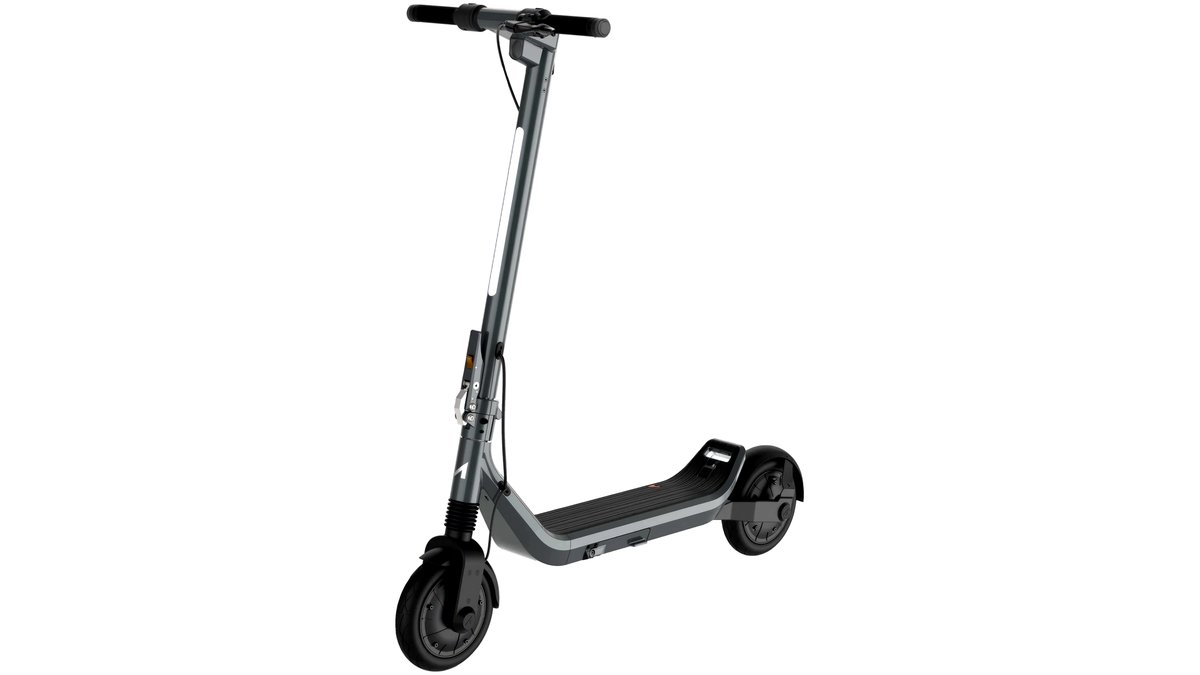
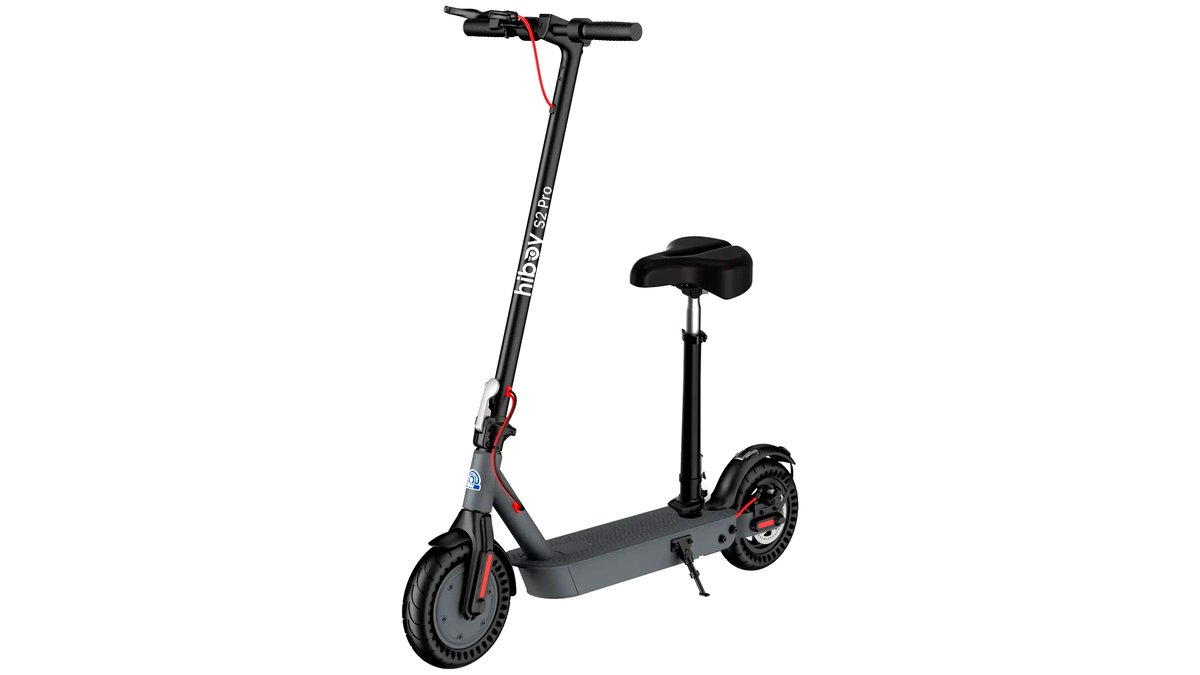
Pick X If…
| If you… | Choose this tier |
|---|---|
| Commute under 20 miles round trip on mostly flat ground | Entry long-range, single battery |
| Need 25-35 real-world miles and encounter some hills | Mid long-range, dual motor if hilly |
| Are replacing a 20+ mile each-way car commute | Max-range dual-battery model, accept the extra weight |
| Must carry the scooter upstairs or on transit daily | Favor a lighter mid-range model over max-range |
Safety and Compatibility Notes
Check your local laws before buying: many cities cap legal top speed, require lights, or restrict scooters above a certain wattage or weight on bike lanes and sidewalks. Confirm the scooter includes front and rear lights, a bell or horn, and dual braking (electronic plus mechanical disc or drum) for safe stopping at commuter speeds. Riders should wear a helmet and check local helmet laws, since stopping distances increase with scooter weight and speed.
Alternatives Worth Considering
- Swappable-battery commuter scooters: Some models let you carry a spare battery instead of one giant pack, splitting weight between the scooter and a bag, which suits mixed walk-ride commutes.
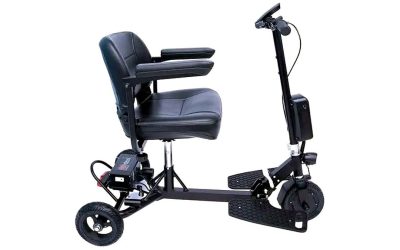
- Moped-style seated scooters: For longer commutes, a seated electric moped-style scooter trades portability entirely for comfort and even longer range, suiting riders who park it at home or in a garage rather than carrying it indoors.
- E-bikes with throttle assist: For similar range at lower weight-per-mile efficiency, an e-bike can be a more comfortable long-distance alternative, though it’s a different vehicle class with different storage needs.
Frequently Asked Questions
How much should I subtract from the advertised range figure?
Plan on 50-70% of the advertised number for everyday riding. A scooter rated for 40 miles should be budgeted at roughly 20-28 real-world miles once rider weight, hills, and typical speed settings are factored in. Cold weather can reduce that further, sometimes by 10-20%.
Do dual-motor scooters always have shorter range than single-motor ones?
At the same battery capacity, yes, dual-motor scooters generally use more power per mile than single-motor versions, especially when both motors are engaged on hills. Many dual-motor long-range models offset this with a larger battery pack specifically to compensate.
Are pneumatic tires worth the puncture risk on a long-range scooter?
For most commuters, yes. The ride comfort and slightly better rolling efficiency over the course of a 20+ mile week usually outweighs the occasional puncture, and many pneumatic tires on this class of scooter are tubeless or self-healing to reduce flat risk.
How long do scooter batteries typically last before replacement?
Manufacturers commonly rate lithium-ion packs for several hundred charge cycles before capacity drops meaningfully, which for a daily commuter can translate to one to three years depending on mileage and charging habits. Keeping the battery away from extreme heat and avoiding constant full-100%-charge storage is frequently cited as extending pack life.
Is a heavier, longer-range scooter harder to control?
Heavier scooters generally feel more stable at speed but require stronger braking and more effort to maneuver at low speed or when lifting them. Riders switching from a lightweight commuter model to a max-range dual-battery scooter should expect an adjustment period, particularly when carrying it.
Can I upgrade a shorter-range scooter with an extra battery later?
Some scooters are designed with a second battery bay or an accessory expansion pack, but this isn’t universal and isn’t something to assume is possible after purchase. If future range upgrades matter, confirm with the manufacturer’s specifications before buying rather than assuming compatibility.