Key takeaways
- Wheel hooks: Hang the bike by one wheel; simple and cheap, but puts weight on a single wheel and tire for extended periods, which some cyclists prefer to avoid for lighter road bike wheels.
- Frame/top-tube hooks: Support the bike by its frame rather than a wheel; gentler on wheels but need enough clearance for the frame shape, and not all frame geometries hang evenly.
- Pedal or crank hangers: Hang the bike vertically by a pedal, saving the most wall space but requiring more clearance height and a secure foothold for the pedal to rest in.
Garages storing a couple of bikes plus a ladder should look at a combination wall-mounted rack system with separate hooks rated for each item’s actual weight, while anyone with limited wall space can use ceiling-mounted pulley hoists instead to keep the floor and walls clear. The right choice depends on your garage’s available wall versus ceiling space and how often you need to take the items down.
As an Amazon Associate, we earn from qualifying purchases made through links on this page.
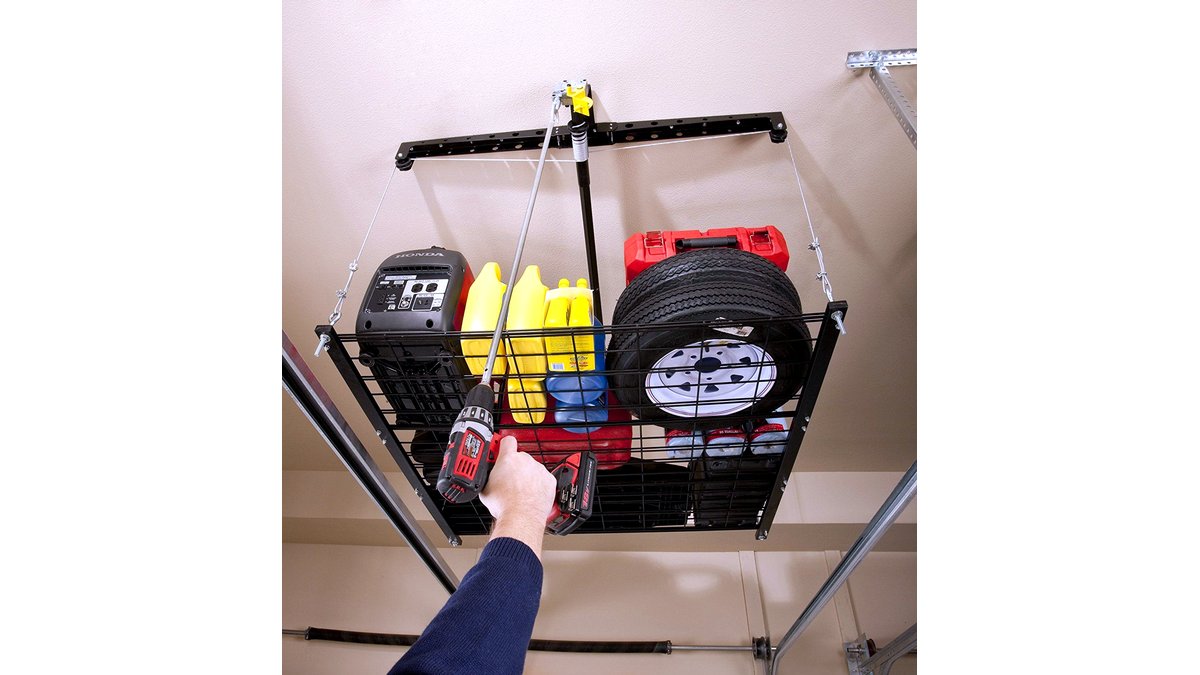
Wall-Mounted vs Ceiling-Mounted Storage
Wall hangers keep bikes and ladders at a fixed height, usually within easy reach, and are simpler to install since they only need into-stud or into-masonry anchoring at one point per hook. Ceiling hoists and pulley systems free up wall space entirely and work well in narrow garages, but require more installation effort (finding ceiling joists, running pulley cord) and more lifting effort each time you need the item down, since you’re raising and lowering rather than simply lifting off a hook.
| Type | Best For | Key Stated Specs | Limits |
|---|---|---|---|
| Wall-mounted hook/rack | Easy daily access, limited ceiling clearance | Weight rating per hook, often 35-100+ lbs depending on model | Uses wall space; needs stud or masonry anchor for rated capacity |
| Ceiling-mounted hoist/pulley | Narrow garages, infrequent-use items | Pulley systems often rated 50-100+ lbs combined lift capacity | Needs joist access; slower to raise/lower than a simple hook |
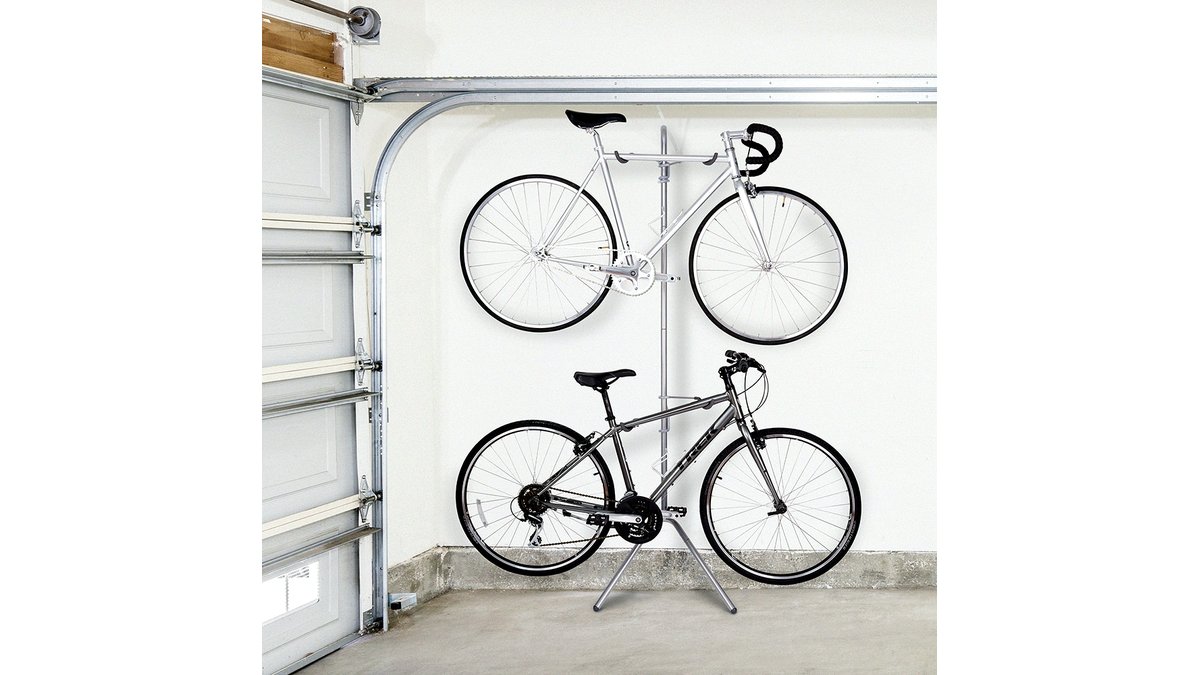
| Freestanding rack/stand | Renters or anyone avoiding wall/ceiling drilling | Floor footprint varies; no mounting hardware needed | Takes up floor space; less stable than anchored options |
Weight Ratings and Why They Matter
Bike hangers and ladder hooks are rated for a maximum weight, and that rating depends entirely on proper installation into a stud, joist, or masonry anchor rather than drywall alone. A hook rated for 50 lbs into a stud can fail well below that rating if mounted into hollow drywall with the wrong anchor type. Before buying, weigh (or check the manufacturer’s listed weight for) your heaviest bike and your ladder separately, since a shared rack holding both needs a combined rating with margin, not just enough for one item alone.
Bike-Specific Hanger Types
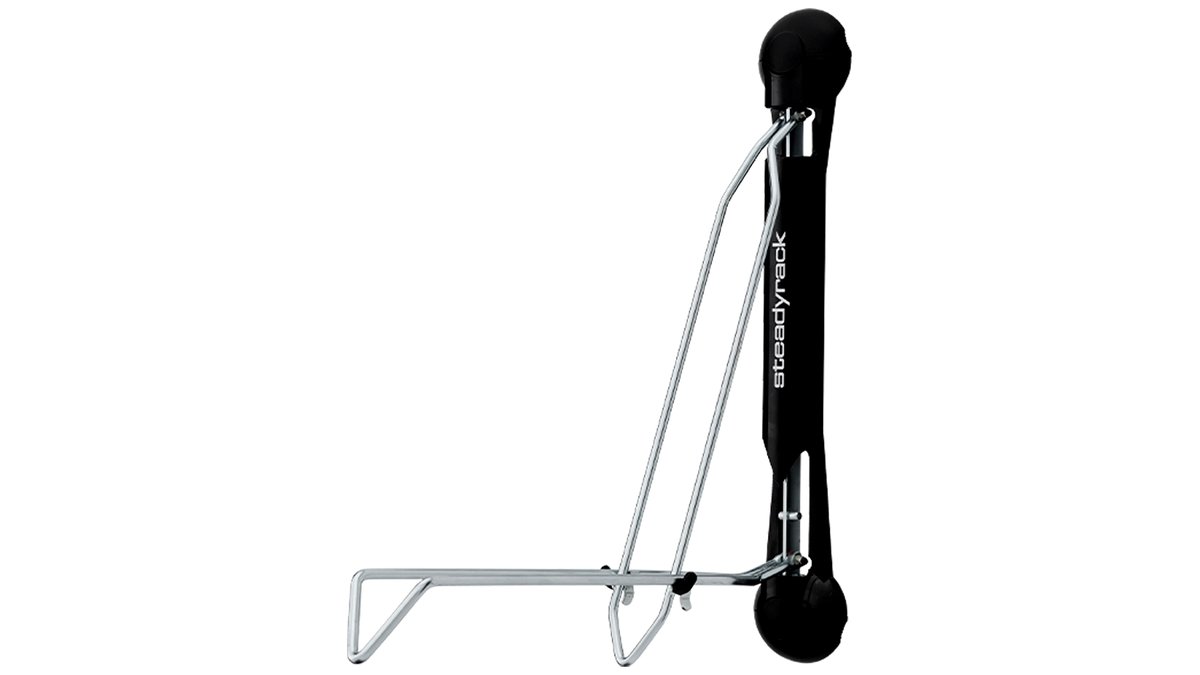
- Wheel hooks: Hang the bike by one wheel; simple and cheap, but puts weight on a single wheel and tire for extended periods, which some cyclists prefer to avoid for lighter road bike wheels.
- Frame/top-tube hooks: Support the bike by its frame rather than a wheel; gentler on wheels but need enough clearance for the frame shape, and not all frame geometries hang evenly.
- Pedal or crank hangers: Hang the bike vertically by a pedal, saving the most wall space but requiring more clearance height and a secure foothold for the pedal to rest in.
Ladder-Specific Hanger Types
- J-hooks or horizontal brackets: Simple wall brackets that cradle a ladder horizontally; need a long enough wall run to match the ladder’s full length.
- Vertical wall clips: Hold a ladder upright against a wall, saving horizontal space but needing floor-to-ceiling clearance matching the ladder’s height.
- Ceiling pulley hoists: Lift the ladder flat against the ceiling, ideal for garages with high ceilings and limited wall runs, at the cost of a more involved lift-and-lower process.
Combination Systems for Bikes and Ladders Together
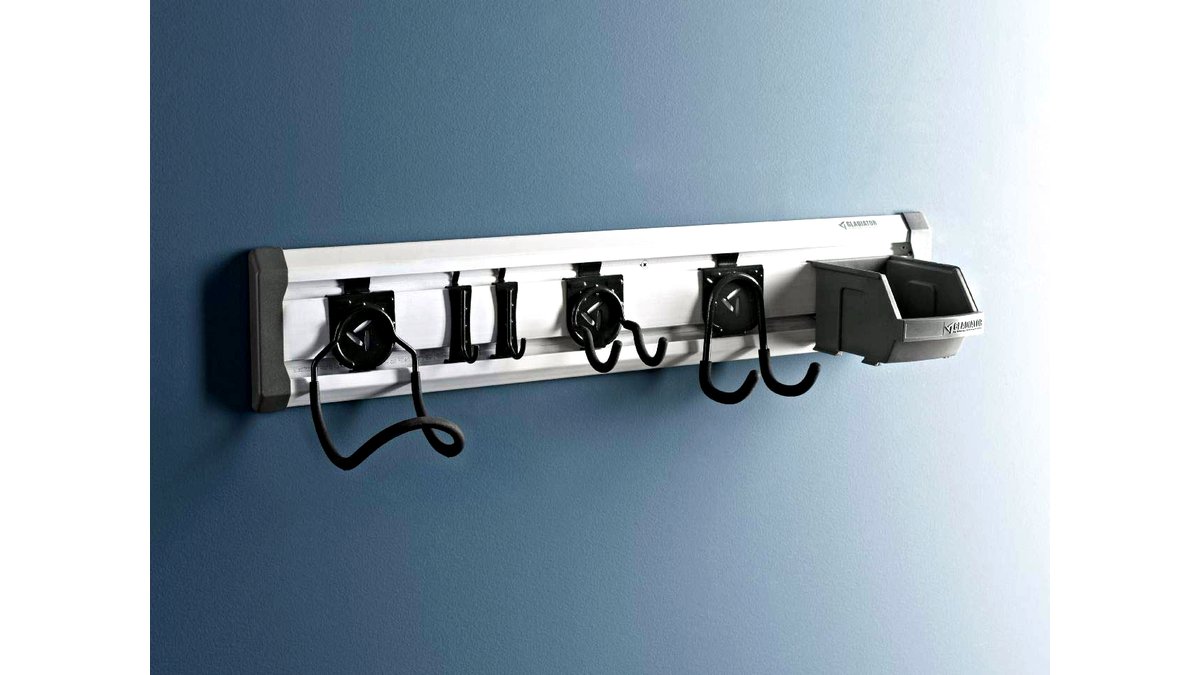
Several garage storage systems sell modular rail or track hardware where you mix and match bike hooks, ladder brackets, and general utility hooks along a shared rail, letting you rearrange the layout as your stored items change. These modular rail systems are worth considering if your garage storage needs will likely shift over time (different bikes, seasonal gear), since swapping an accessory is simpler than reinstalling a fixed single-purpose hook.
Pick X If…
| If you… | Choose |
|---|---|
| Access your bike and ladder often | Wall-mounted hooks at an easy-reach height |
| Have a narrow garage with little spare wall space | Ceiling-mounted hoist or pulley system |
| Rent and can’t drill into studs or joists | Freestanding rack, or clamp-style hooks rated for that use |
| Expect to change what you store over time | Modular rail/track system with swappable hooks |
Installation and Compatibility Notes
Locate studs or ceiling joists with a stud finder before drilling, and use the fastener type the manufacturer specifies for your wall material (wood stud, concrete, or cinder block each need different anchors). Confirm the hook or bracket’s rated weight capacity against your actual bike and ladder weight with reasonable margin, not right at the limit, since repeated load cycles and temperature swings in an unheated garage can affect anchor performance over time.
Safety Notes
Overloading a wall hook beyond its rated capacity, or mounting into drywall without a proper anchor, risks the item falling and causing injury or damage to vehicles stored below. For ceiling hoists, keep the lift path clear of parked cars and check the pulley cord and hardware periodically for fraying or wear, following the manufacturer’s maintenance guidance.
Alternatives Worth Considering
- Overhead storage platforms: For garages prioritizing bulk storage over quick access, a ceiling platform rack can hold bins, ladders, and even bikes together, though it requires more installation effort than single hooks.
- Freestanding bike stands: A floor-standing bike rack avoids wall or ceiling mounting entirely, useful for renters, at the cost of floor footprint.
- Slat-wall or pegboard systems: A full slat-wall panel lets you reposition hooks freely across a large area, suiting garages that frequently reorganize stored items.
Organizing a Shared Garage Space
When a bike and ladder hanger system shares wall or ceiling space with other stored items like seasonal gear, tools, or sports equipment, plan the layout before drilling any holes rather than adding hooks piecemeal over time. Group items by access frequency, placing daily-use bikes within easy reach and keeping rarely used items like holiday decorations or an extension ladder higher up or further back. A clear layout plan also helps avoid the common mistake of mounting a new hook too close to an existing one, which can cause bikes or ladders to bump into each other or block a car door from opening fully.
Frequently Asked Questions
How do I know if a hook is rated for my bike’s actual weight?
Check your bike’s weight (often listed by the bike maker, or use a bathroom scale) against the hook’s stated maximum load, and choose a hook rated meaningfully above that weight rather than right at the limit. Remember that an e-bike or cargo bike can weigh significantly more than a standard road or commuter bike.
Can I mount a bike hook into drywall without hitting a stud?
Standard drywall anchors are not rated for the sustained weight of a hanging bike or ladder; you need to anchor into a stud, joist, or masonry, or use a heavy-duty toggle-style anchor specifically rated for that weight if a stud genuinely isn’t available. Check the hook manufacturer’s installation instructions for the anchor type they require.
Is it safe to store a ladder horizontally versus vertically?
Both are safe when properly supported across the ladder’s full length or secured at multiple points; the main risk is a horizontal bracket spaced too narrow for the ladder’s length, causing excess sag, or a vertical clip that doesn’t fully secure the ladder against tipping. Follow the bracket manufacturer’s spacing guidance for your ladder’s length.
Do ceiling hoists require a particular ceiling height to work well?
Most ceiling pulley systems need enough clearance above a parked car to lift the item flat against the ceiling without the item or the hoist mechanism interfering with the vehicle. Measure your garage’s ceiling height and typical vehicle height before buying a ceiling hoist system.
Will hanging my bike by one wheel damage the tire over time?
Extended storage hanging by a single wheel can, in some cases, cause minor tire or rim stress compared to frame-mounted storage, though opinions vary among cyclists and the effect is generally minor for typical garage storage periods. If you’re concerned, a frame or pedal-hook style hanger avoids putting sustained weight on one wheel.
How many hooks do I need for a two-bike, one-ladder garage setup?
Plan for one dedicated hook or bracket per item rather than trying to share a single hook between a bike and a ladder, since combined loads increase the risk of exceeding a hook’s rated capacity. A modular rail system makes it easy to add a hook later if you acquire another bike or tool.