Key takeaways
- Midsole density and durability: Firmer, higher-density foams resist compression set better under sustained heavier loads, maintaining support longer than soft, lightweight foams optimized for lighter runners.
- Base width: A wider platform at the midsole and outsole improves lateral stability, which matters more as body weight increases.
- Support mechanism type: Medial posts (firmer foam wedge on the inner side) and guide rails (raised foam edges that limit excess inward roll) both address overpronation differently; guide rails tend to feel less restrictive, while medial posts offer more direct correction.
- Upper durability and structure: Reinforced uppers with structured overlays hold their shape better over higher mileage and heavier loading than minimal mesh uppers.
- Manufacturer weight guidance: Some running shoe makers specifically state a recommended runner weight range for certain models; check for this rather than assuming all stability shoes perform identically regardless of runner weight.
Heavier runners dealing with overpronation should look at stability shoes with a firmer medial post or guide-rail system and a wider base, while those without pronation issues but seeking extra durability and cushioning under higher body weight should focus on max-cushion stability models with a reinforced midsole. The key differences from standard stability shoes are midsole durability under higher impact forces and a wider, more stable platform.
As an Amazon Associate, we earn from qualifying purchases made through links on this page.
Why Heavier Runners Need Different Specs Than Standard Stability Shoes
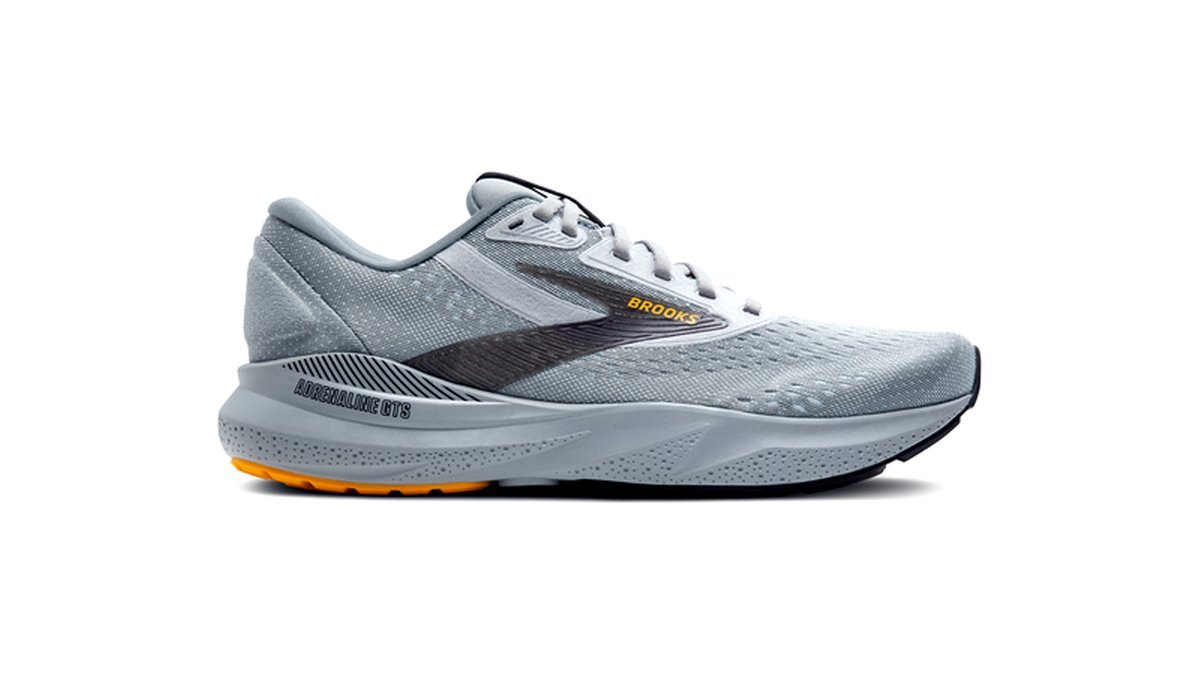
Running generates impact forces several times body weight with each stride, so a heavier runner compresses standard foam midsoles faster, which can shorten a shoe’s effective cushioning life well before the outsole wears out. Stability features designed for lighter runners—thin medial posts, softer guide rails—can also compress unevenly or break down faster under higher loads, which is why shoes marketed specifically toward heavier runners typically use firmer-density foam, wider platforms, and reinforced support structures rather than just a bigger size of the same shoe.
Core Features to Check
- Midsole density and durability: Firmer, higher-density foams resist compression set better under sustained heavier loads, maintaining support longer than soft, lightweight foams optimized for lighter runners.
- Base width: A wider platform at the midsole and outsole improves lateral stability, which matters more as body weight increases.
- Support mechanism type: Medial posts (firmer foam wedge on the inner side) and guide rails (raised foam edges that limit excess inward roll) both address overpronation differently; guide rails tend to feel less restrictive, while medial posts offer more direct correction.
- Upper durability and structure: Reinforced uppers with structured overlays hold their shape better over higher mileage and heavier loading than minimal mesh uppers.
- Manufacturer weight guidance: Some running shoe makers specifically state a recommended runner weight range for certain models; check for this rather than assuming all stability shoes perform identically regardless of runner weight.
Comparison by Support Style
| Support Type | Best For | Key Stated Specs | Limits |
|---|---|---|---|
| Guide-rail stability | Mild-to-moderate overpronation, runners wanting a more natural feel | Raised foam rails along the midsole edge | Less correction than a firm medial post for severe overpronation |
| Medial-post stability | Moderate-to-significant overpronation | Firm-density foam wedge on the inner midsole | Can feel more rigid; takes adjustment if switching from neutral shoes |
| Max-cushion stability | Heavier runners prioritizing joint comfort over correction | Thick, high-durability midsole stack with built-in wider base | Added stack height can feel less responsive for faster-paced running |
Fit and Sizing Considerations
Heavier runners often benefit from a wider toe box and a true-to-size or slightly roomier fit, since swelling during longer runs is more pronounced under higher body weight. Try shoes on later in the day when feet are naturally more swollen, and check the manufacturer’s width options (standard, wide, extra-wide) if your foot is wider than average, rather than sizing up in a standard-width shoe, which changes fit elsewhere.
Durability and Replacement Timing
Standard running shoe lifespan guidance (commonly cited around 300-500 miles) can run shorter for heavier runners, since midsole compression happens faster under greater loads. Watch for early warning signs rather than relying only on a mileage number: visible midsole creasing, uneven wear on the outsole, or a noticeable loss of the “bounce back” feel the shoe had when new are signs it’s time to replace them, even if you haven’t hit the typical mileage estimate.
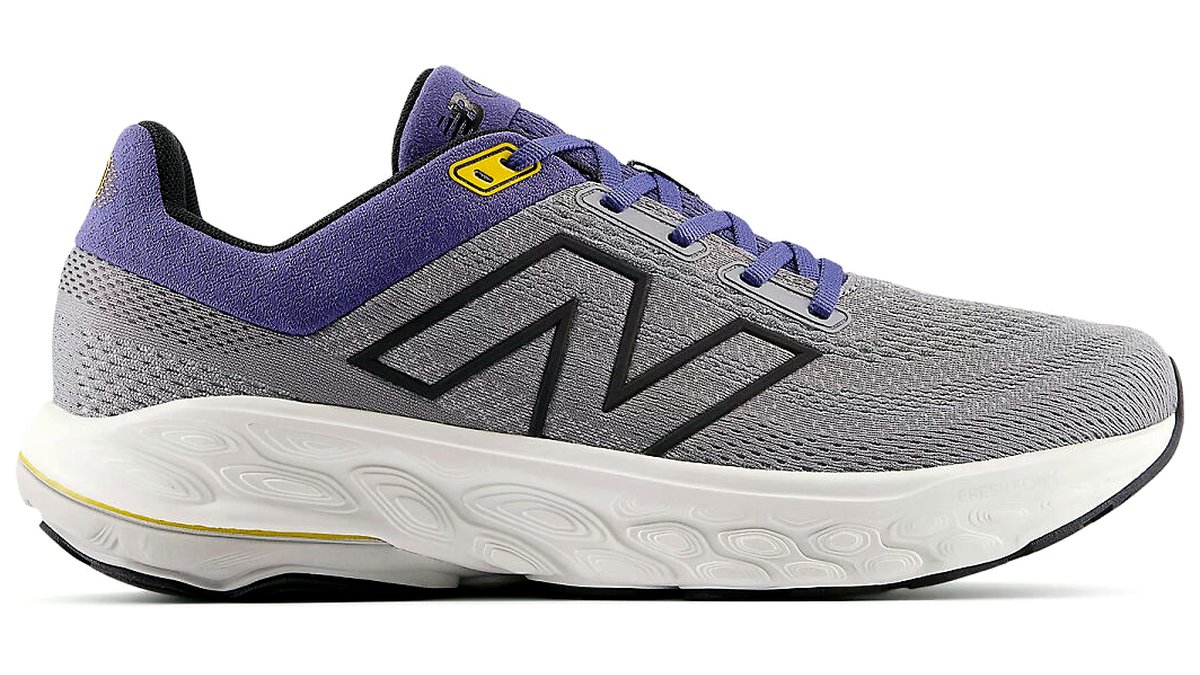
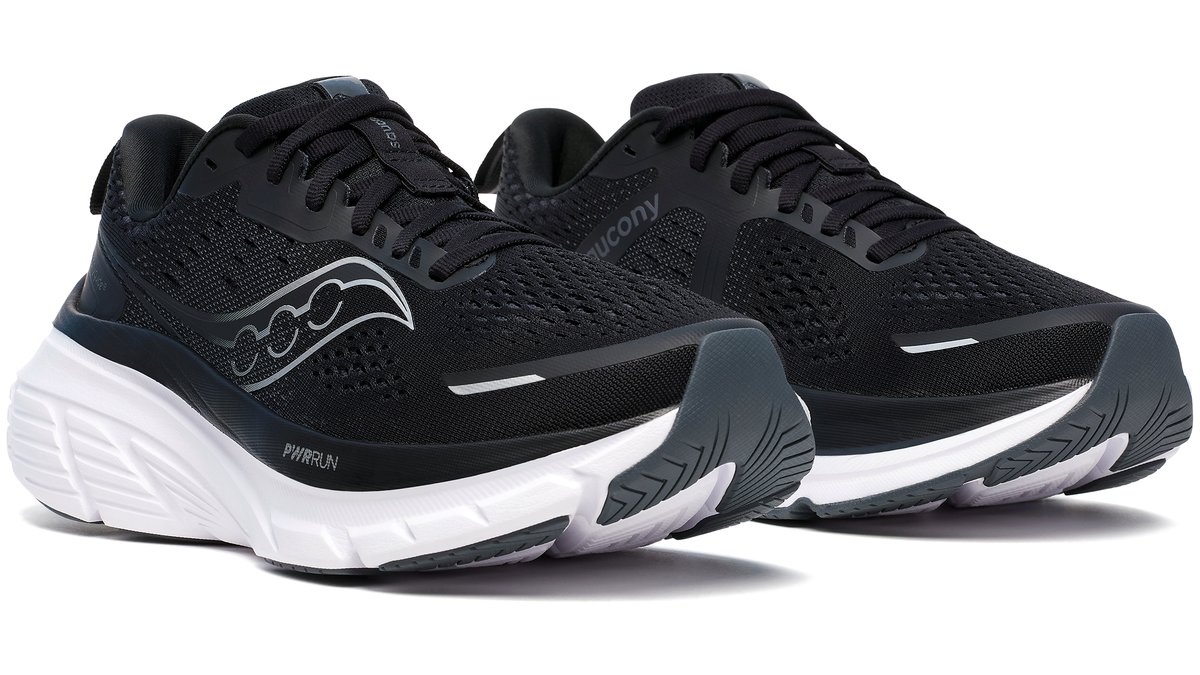
Pick X If…
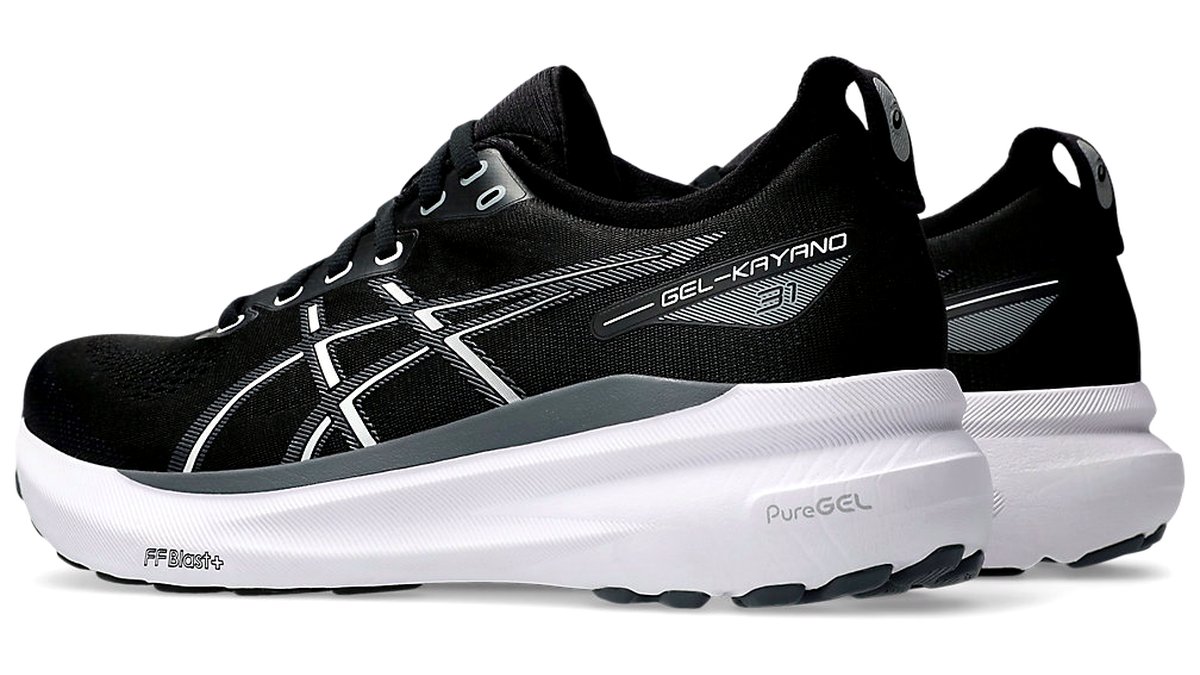
| If you… | Choose |
|---|---|
| Have mild overpronation and want a natural feel | Guide-rail stability shoe |
| Have moderate-to-significant overpronation | Firm medial-post stability shoe |
| Don’t overpronate but want extra joint comfort under higher body weight | Max-cushion stability shoe with reinforced midsole |
| Run high weekly mileage | Prioritize midsole durability specs over weight of the shoe itself |
Health and Safety Notes
Overpronation and gait issues are best assessed by a podiatrist, physical therapist, or a specialty running store’s gait analysis rather than guessed from shoe marketing alone. If you experience persistent joint pain, shin pain, or foot pain while running, see a doctor or physical therapist rather than relying on a shoe change alone to resolve it, since shoes can help manage mechanics but don’t replace a proper diagnosis for ongoing pain.
Alternatives Worth Considering
- Motion-control shoes: For severe overpronation beyond what standard stability shoes address, motion-control shoes offer the firmest, most structured support, typically with a straighter last shape and denser medial foam.
- Neutral max-cushion shoes: If gait analysis shows no significant overpronation, a neutral shoe with heavy-duty cushioning may serve a heavier runner better than an unnecessary stability feature.
- Custom orthotic inserts paired with a neutral shoe: Some runners get better, more individualized support pairing a fitted orthotic with a well-cushioned neutral shoe rather than relying on a stock stability shoe’s built-in correction.
Breaking In New Stability Shoes Safely
Switching to a new stability shoe, especially one with firmer support than your previous pair, is worth easing into gradually rather than jumping straight into a long run. Many running coaches suggest wearing new shoes for short, easy runs or walks over the first week or two, letting both the shoe’s materials settle and your body adjust to any change in support or stack height. This gradual approach matters more for heavier runners, since the combination of higher impact forces and unfamiliar support structures can increase the chance of soreness in the feet, ankles, or shins if the transition happens too quickly.
Frequently Asked Questions
How do I know if I actually need a stability shoe versus a neutral one?
A gait analysis at a specialty running store or with a physical therapist is the most reliable way to confirm overpronation, rather than guessing from shoe wear patterns alone, though uneven inner-edge wear on old shoes is a common hint worth mentioning to a professional. Buying a stability shoe without overpronation generally doesn’t cause harm but may feel unnecessarily firm or guided.
Do heavier runners need to replace running shoes more often?
Many heavier runners find midsole cushioning compresses and loses responsiveness before reaching typical mileage estimates cited for average-weight runners, since impact forces scale with body weight. Watching for visible midsole creasing or a flattened feel is more reliable than counting miles alone.
Is a wider shoe base always better for stability?
A wider platform generally improves lateral stability, which benefits most heavier runners, but an excessively wide fit without a secure midfoot lockdown can reduce responsiveness or cause the foot to shift inside the shoe. Look for a wide base paired with a snug, well-structured midfoot and heel area.
Can I use stability running shoes for walking or gym workouts too?
Stability running shoes are generally fine for walking and light gym use, but their design is optimized for the forward, repetitive motion of running rather than lateral movements common in some gym workouts. For heavy lateral training, a cross-training shoe may offer better support.
Should I size up if I’m a heavier runner with swelling feet?
Rather than sizing up broadly, check the shoe’s available width options first, since a wide or extra-wide version in your true size often fits better than a half-size-up in standard width, which can leave the heel loose. Trying shoes on later in the day accounts for natural foot swelling.
What’s the difference between medial-post and guide-rail support in practice?
A medial post is a firmer wedge of foam built into the inner midsole that directly resists excess inward roll, while guide rails are raised foam edges along the midsole that gently steer the foot’s motion without feeling as rigid. Runners with more significant overpronation often need the firmer, more direct correction of a medial post.
Do heavier runners need a different lacing or fit approach than lighter runners?
The lacing technique itself doesn’t need to differ by body weight, but heavier runners may find a secure midfoot lockdown more important for stability at higher impact forces, so taking the time to lace snugly through the midfoot eyelets rather than leaving them loose can improve how supportive the shoe feels. If the shoe comes with extra lacing options like a heel-lock eyelet, using it can further reduce slippage during longer runs.