Key takeaways
- 1-2 person flip-overs: Compact, fast, best for anglers prioritizing mobility over comfort on long sits.
- 3-4 person hubs: Enough room for a small group with gear, often with enough height to stand briefly.
- 5-6+ person hubs: Suited to groups or families fishing together for a full day, sometimes with multiple holes and a dedicated gear area.
Anglers fishing alone or in pairs who want to move between holes quickly should choose a flip-over or hub-style shelter they can set up in under a minute, while groups fishing together for a full day in cold conditions do better with a larger hub or framed shelter with multiple seats and insulated fabric. The main trade-off across this category is setup speed and portability versus interior space and insulation.
As an Amazon Associate, we earn from qualifying purchases made through links on this page.
Main Shelter Types
| Type | Best For | Key Stated Specs | Limits |
|---|---|---|---|
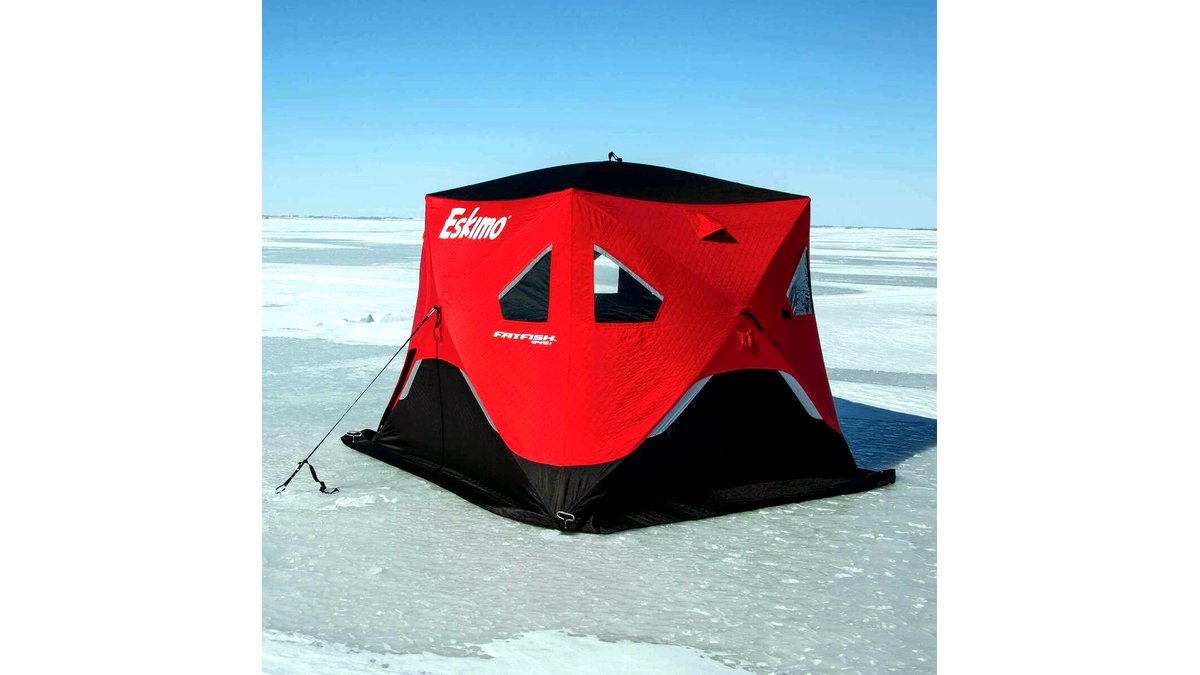
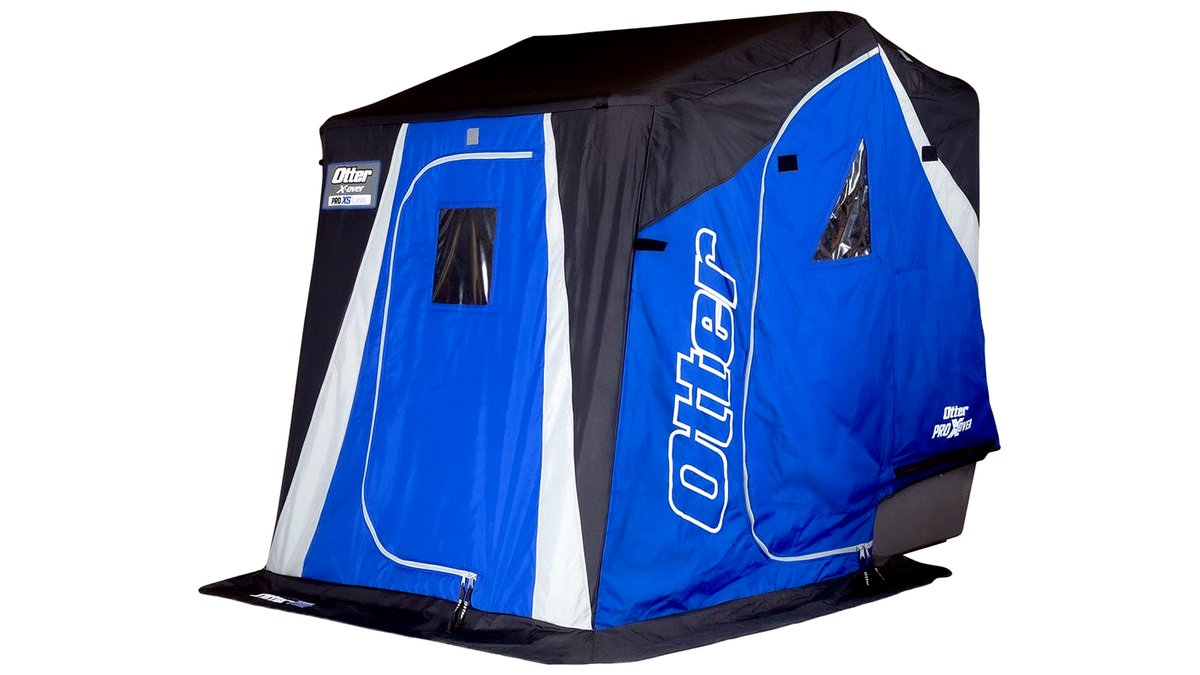
| Flip-over (sled-base) | Solo or two-person mobile fishing, moving between holes often | Built-in sled base, 1-2 person capacity, fast flip-up setup | Limited interior space; less insulated than hub shelters |
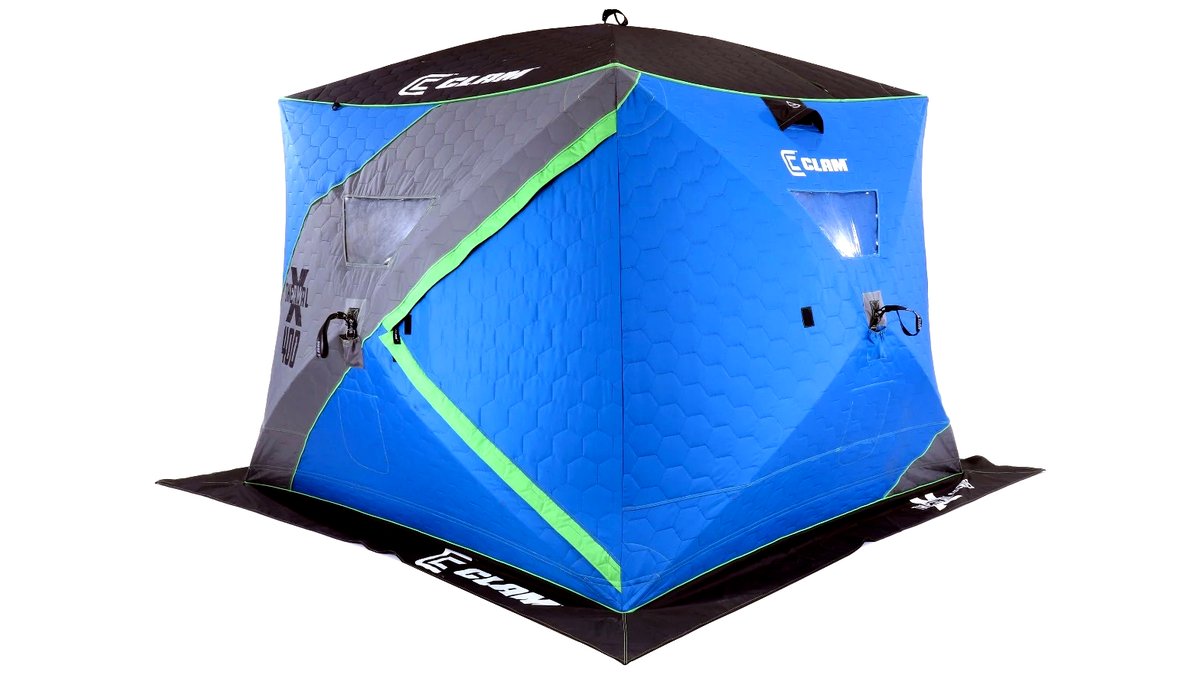
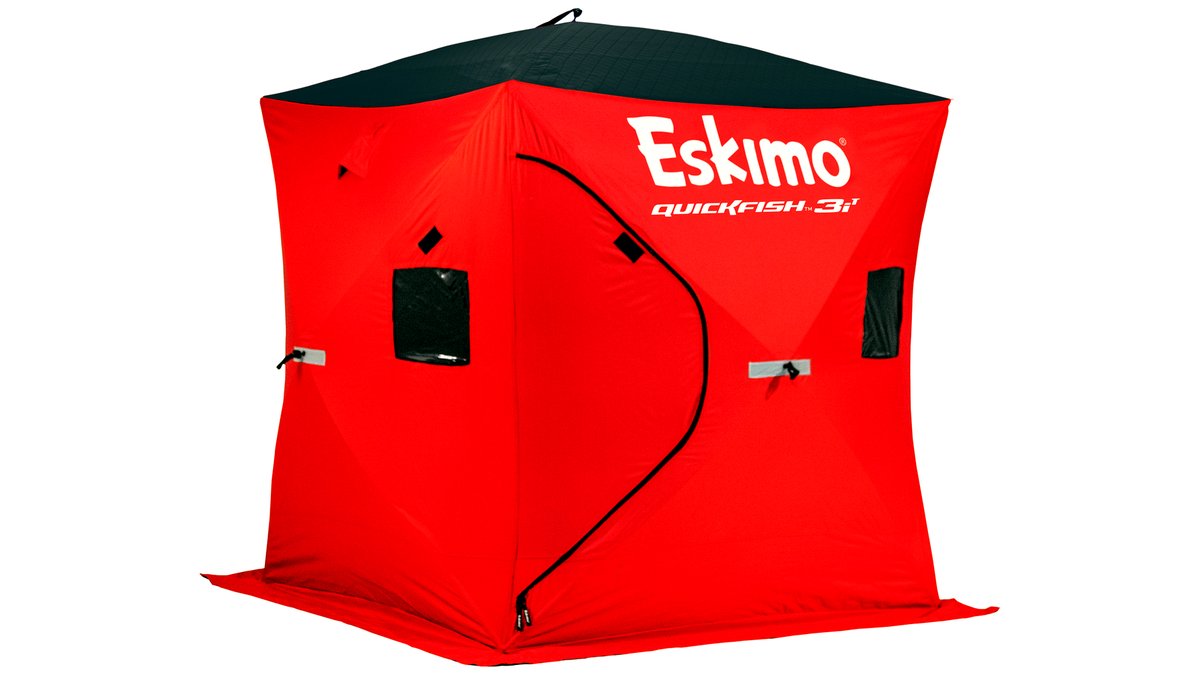
| Hub-style pop-up | Groups of 2-6, day trips with less frequent moving | Pop-up hub frame, multiple size/capacity options, often insulated fabric | Bulkier to transport; takes longer to set up/break down than a flip-over |
| Thermal/insulated hub | All-day trips in very cold conditions | Insulated fabric layers, maker-stated temperature retention claims | Heavier and pricier than non-insulated hubs; still needs a heater for true warmth |
Portability and Setup Speed
Flip-over shelters attach to a sled you tow behind you (by hand, snowmobile, or ATV) and flip up into position directly over your holes in seconds, making them the fastest option for anglers who move frequently to chase fish. Hub-style shelters pop open like a tent but need to be carried or dragged separately from your gear sled, and anchored with ice stakes or augured-in anchors, which takes longer but is worth it for the extra interior room and standing height many hub models offer.
Capacity and Interior Space
- 1-2 person flip-overs: Compact, fast, best for anglers prioritizing mobility over comfort on long sits.
- 3-4 person hubs: Enough room for a small group with gear, often with enough height to stand briefly.
- 5-6+ person hubs: Suited to groups or families fishing together for a full day, sometimes with multiple holes and a dedicated gear area.
Insulation and Staying Warm
Insulated or thermal shelters use multi-layer fabric that the maker typically claims helps retain heat from a portable heater and blocks wind better than single-layer fabric. Even with insulated fabric, a shelter alone generally isn’t a heat source; most anglers pair a shelter with a propane heater rated for its interior size, and insulation mainly helps that heater work more efficiently by slowing heat loss rather than eliminating the need for one.
Fabric, Frame, and Durability
Shelter fabric is typically rated by denier (a measure of fabric thickness/durability); higher-denier fabrics resist wind and abrasion better over repeated seasons of setup and transport. Frame materials vary between fiberglass and more rigid composite poles; fiberglass hub frames are common and generally hold up well in moderate wind, though very high-wind conditions call for checking the maker’s specific wind-rating claims and using all provided guy-lines and anchors rather than skipping them.
Pick X If…
| If you… | Choose |
|---|---|
| Fish solo or with one partner and move often | 1-2 person flip-over shelter |
| Fish in a small group for a full day | 3-4 person hub-style shelter |
| Fish in very cold regions for extended sits | Insulated/thermal hub paired with a sized propane heater |
| Need to haul gear long distances over ice | Flip-over with an integrated sled base |
Safety Notes
Always confirm ice thickness with a spud bar or auger test before heading out, following locally published ice-safety guidelines, since no shelter choice offsets unsafe ice conditions. If using a propane or fuel-burning heater inside any shelter, follow the heater manufacturer’s ventilation instructions exactly and use a carbon monoxide detector rated for enclosed space use, since insulated shelters trap heat (and gases) more effectively, which raises carbon monoxide risk if ventilation guidance isn’t followed. Anchor shelters securely in windy conditions per the maker’s instructions to prevent tipping or blow-away.
Compatibility and Setup Notes
Check a flip-over shelter’s sled dimensions against your existing gear and towing method (on foot, snowmobile hitch, or ATV) before buying, since sled size varies between models. For hub shelters, confirm the packed/folded dimensions fit your vehicle for transport, and check whether an ice anchor kit is included or needs to be bought separately, since reliable anchoring is important for any shelter used in open, windy areas.
Alternatives Worth Considering
- Permanent/portable combo shacks: For anglers who fish the same spot most of a season, a heavier-duty, semi-permanent shelter can offer more insulation and comfort than a pack-up-daily hub, at the cost of mobility.
- Bivy-style one-person shelters: An ultra-portable bivy shelter trades interior space and standing height for minimal weight, useful for anglers hiking long distances to remote spots.
- Open-air fishing with a portable windbreak: In milder conditions or short sits, some anglers skip a full shelter entirely and use just a portable windbreak panel with heavier clothing instead.
Transporting and Storing a Shelter Off-Season
Most hub and flip-over shelters pack down into a carry bag or fold flat against the sled base, but actual packed dimensions vary enough between models that it’s worth checking against your vehicle’s trunk or truck bed space before buying, particularly for larger group-size hubs. Off-season, store fabric shelters dry and loosely folded rather than tightly compressed for months, since some fabrics can develop creases or coating issues if left tightly packed in a damp space. Check the maker’s care instructions for cleaning ice, salt, and dirt off the fabric and frame before long-term storage, since residue left over summer can degrade zippers and seams faster than normal wear would.
Frequently Asked Questions
Do I need a heater even with an insulated shelter?
Yes, insulated fabric helps retain heat but doesn’t generate it; nearly all ice shelters, insulated or not, are paired with a portable propane heater sized to the shelter’s interior for real warmth on cold days. Check the heater manufacturer’s rated coverage area against your shelter’s interior size.
How much ice thickness do I need before setting up a shelter?
Ice thickness safety guidelines vary by region and are typically published by local fish and wildlife agencies; always confirm the latest local guidance and test ice directly with a spud bar or auger rather than relying on a shelter’s weight rating as any indicator of ice safety. No shelter choice makes thin or unstable ice safe to fish on.
Is a flip-over or a hub shelter better for a beginner?
Flip-over shelters are generally simpler for a beginner since setup is just flipping the top into place, with fewer parts to learn. Hub shelters take a bit more practice to pop open, fold down, and anchor properly, though most anglers get comfortable with the process after a couple of outings.
How do I prevent carbon monoxide buildup when using a heater inside?
Follow the heater manufacturer’s ventilation instructions exactly, which often specify keeping a vent or door partially open even in cold conditions, and use a battery-powered carbon monoxide detector rated for enclosed spaces. Never use a heater not rated for enclosed or semi-enclosed shelter use.
What denier fabric should I look for in windy conditions?
Higher-denier fabrics generally hold up better to wind and abrasion over repeated use, though exact recommended denier varies by shelter size and intended climate, so check the specific maker’s claims for their shelter model rather than assuming one number applies universally. Using all provided guy-lines and ice anchors matters as much as fabric choice in high wind.
Can one shelter work for both solo trips and group outings?
Some mid-size hub shelters are marketed as flexible enough for solo comfort or a small group in a pinch, but a shelter sized for a group will feel like overkill to carry and set up solo, while a 1-2 person flip-over will feel cramped for a group. If your trips vary significantly in group size, owning or renting two differently sized shelters is often more practical than one compromise size.
How do I anchor a shelter properly on open, windy ice?
Most hub-style shelters include ice anchors or stakes that screw or drive into the ice through loops around the shelter’s base; using all of the provided anchor points rather than just one or two corners gives the most wind resistance. On especially exposed lakes, some anglers add extra weight, such as filled buckets, at each corner as additional insurance against gusts lifting the shelter.