Key takeaways
- St. Croix ice rod lines: Another established ice fishing rod maker with a range of actions and price tiers, often compared directly against 13 Fishing for build quality and sensitivity.
- Clam Outdoors ice rods: A brand with a long history specifically in ice fishing gear, offering both economical and premium ice rod options.
- Entry-level combo kits from general tackle brands: For anglers just starting out who are not yet sure how often they will ice fish, a basic, inexpensive combo can be a reasonable way to try the sport before investing in a specialized rod.
Panfish and light-bite anglers who want maximum tip sensitivity do best with one of 13 Fishing’s lighter, softer-tip rods built for finesse jigging, while anglers chasing walleye, pike, or other larger ice species need a stiffer, higher-power rod in the same lineup that can handle bigger jigs and set hooks on larger fish. 13 Fishing built its ice fishing reputation on parabolic-action rods designed specifically for the subtle bite detection that ice fishing demands, and the brand’s lineup spans several price tiers and actions rather than a single do-everything rod.
As an Amazon Associate, we earn from qualifying purchases made through links on this page.
Why 13 Fishing’s Ice Rods Stand Out
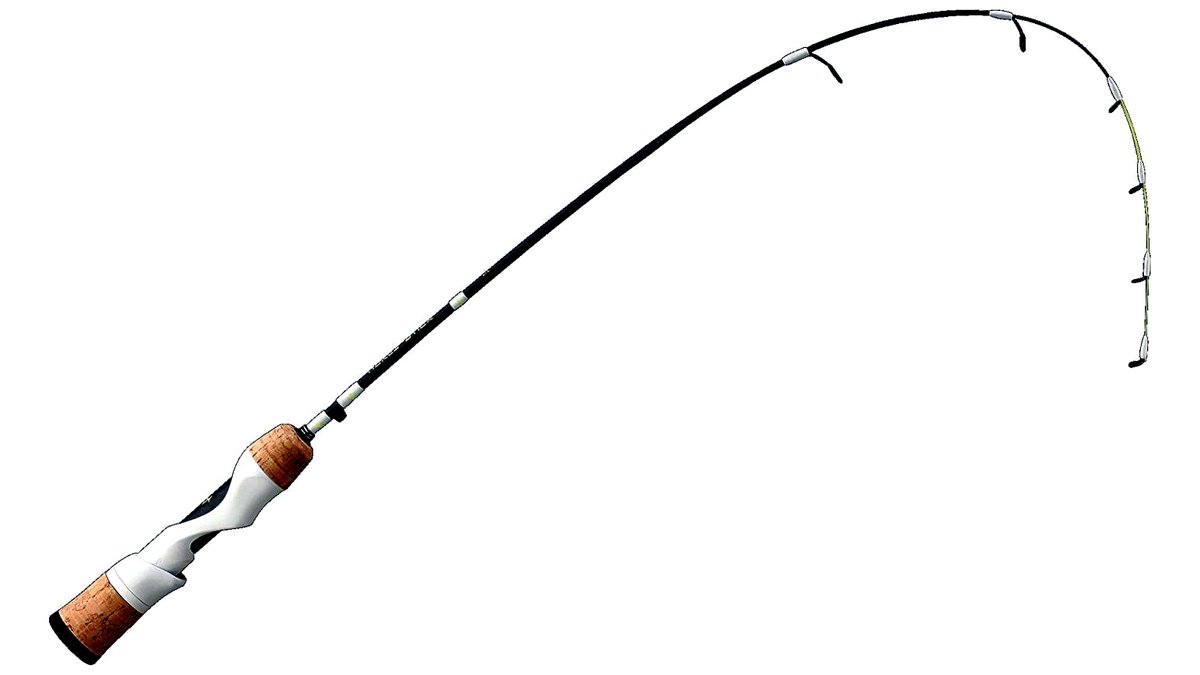
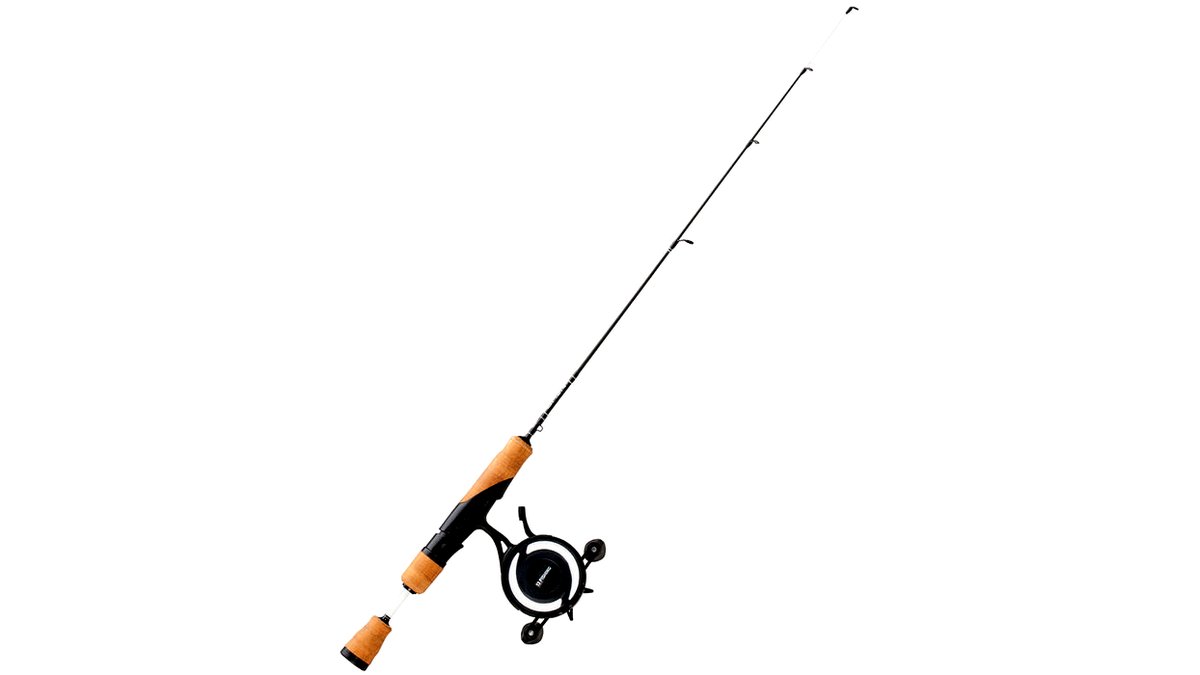
Ice fishing rods differ from open-water rods mainly in length (much shorter, since there is no need to cast) and in how the blank is built to show the smallest possible bite on the rod tip in cold, often windy conditions where a bite can be nearly impossible to feel by hand. The maker lists its tip designs as tuned for exaggerated visual bite detection, meaning a light nibble that might go unnoticed on a stiffer rod shows up as visible tip movement. This matters most for panfish like bluegill and crappie, where bites are often extremely subtle, and less for species that strike harder.
Action and Power: Matching the Rod to the Species
Rod action (how much and where the rod bends) and power (how much force it takes to bend it) are the two specs that matter most for ice rods. A softer, more parabolic action rod bends more evenly along its length and is generally favored for finesse jigging and subtle bite detection with panfish. A faster, stiffer action with higher power is better suited to setting hooks on larger, harder-pulling fish like walleye or pike, and for working heavier jigs or spoons that a softer rod would struggle to work properly. Reviewers who fish multiple species through a season often end up owning two or three rods across this spectrum rather than expecting one rod to do it all well.
Rod Length for Ice Fishing
Ice rods run noticeably shorter than open-water rods, generally in a range suited to fishing through a hole close to the angler, whether sitting on a bucket, standing, or fishing from inside a shelter. A shorter rod gives tighter control in a confined shanty or shelter, while a slightly longer rod can help with hook-setting leverage on bigger fish or when jigging multiple holes spread further apart. The right length also depends on whether the angler fishes mostly from a seated position over one hole or moves frequently between holes.
Handle Material and Cold-Weather Grip
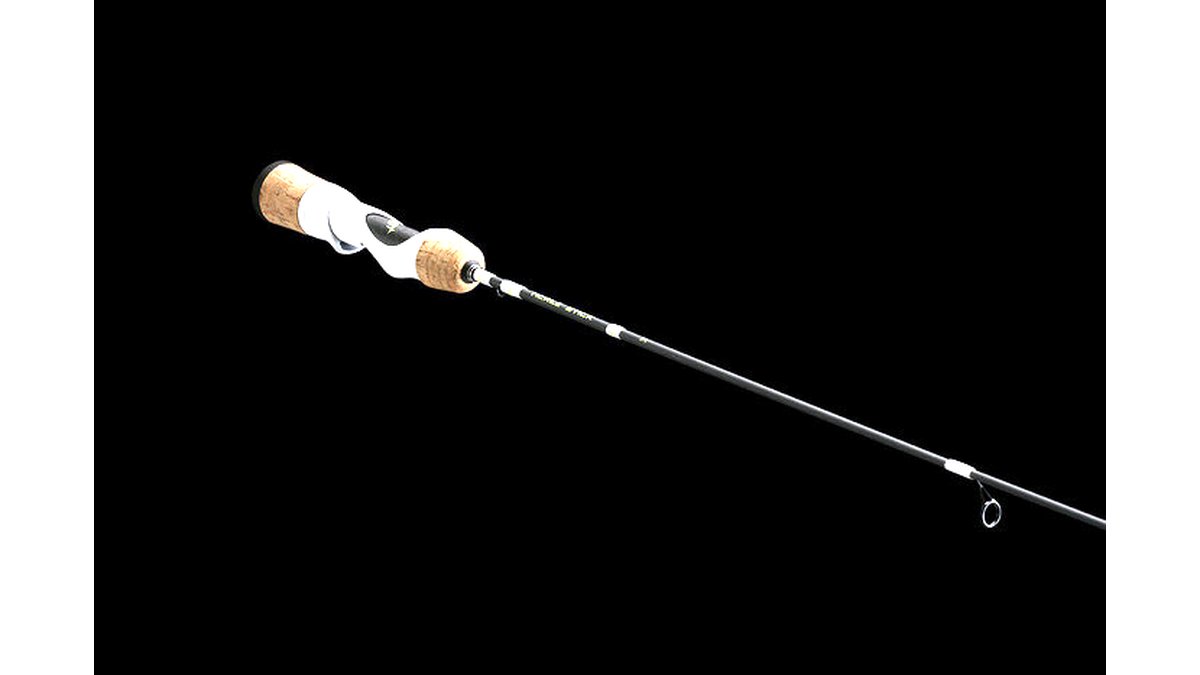
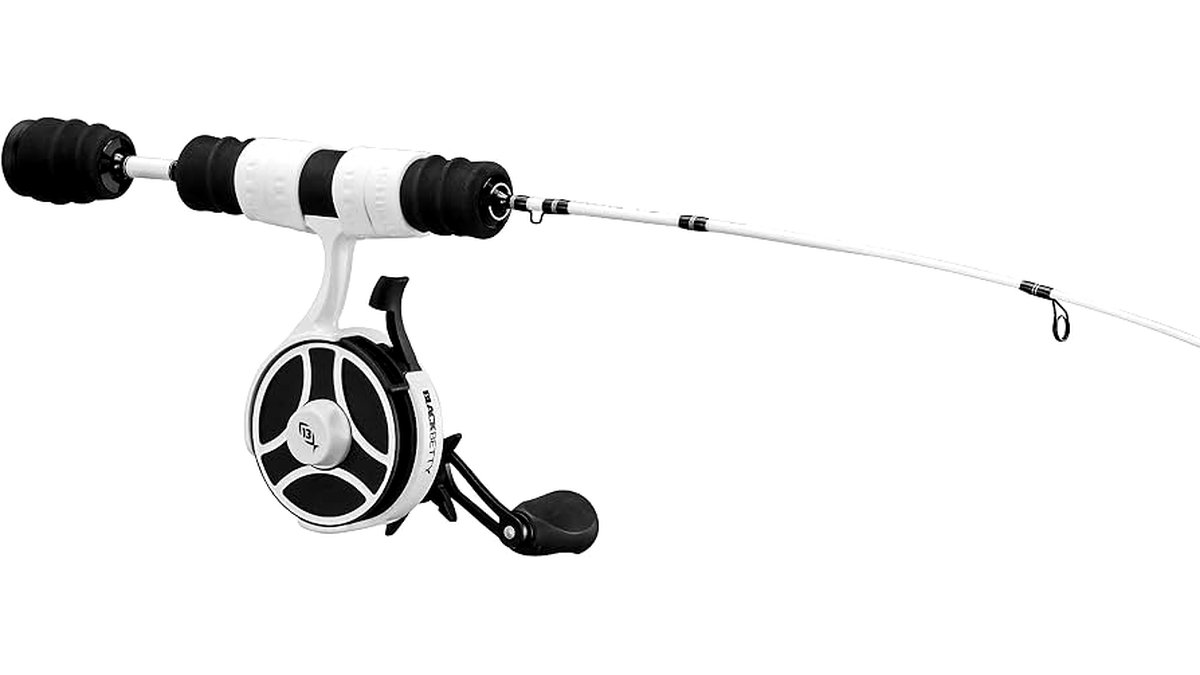
Cold hands and wet gloves make handle material more important on an ice rod than it might be for warm-weather fishing. Cork handles are a common choice for warmth and tactile feedback, while foam or rubberized grips can offer a more secure hold with wet gloves. Reviewers generally note that a rod’s reel seat and handle quality become more noticeable in sub-freezing conditions, where numb fingers make a secure, easy-to-operate reel seat worth more than it would seem on paper.
Reel Compatibility
Most 13 Fishing ice rods are sold as rod-only or in combo packages with one of the brand’s own ice reels, and the reel seat is generally sized for standard spinning or inline reels common in ice fishing. Anglers switching reels between rods through a season should confirm the reel seat diameter and the rod’s intended reel style, since inline reels (common for panfish finesse presentations) and standard spinning reels can feel and balance differently on the same blank.
At a Glance Comparison
| Rod Type/Action | Best For | Key Stated Specs | Limits |
|---|---|---|---|
| Light/finesse parabolic action | Panfish: bluegill, crappie, light-biting species | Soft, even bend; tuned for visual bite detection on subtle bites | Underpowered for larger, harder-pulling fish |
| Medium-power all-around action | Mixed-bag ice anglers targeting several species | Balanced bend; works moderate jig weights | Compromise rod, not specialized for extremes in either direction |
| Medium-heavy/fast action | Walleye, pike, lake trout, and other larger species | Stiffer backbone for hook-setting power; handles heavier jigs and spoons | Less sensitive to the lightest panfish bites |
| Combo packages (rod + 13 Fishing reel) | Anglers wanting a matched, ready-to-fish setup | Rod and reel balanced together by the maker | Less flexibility to mix and match components |
Pick the Right Rod If…
| Situation | Recommended Rod Type |
|---|---|
| You mostly target bluegill, crappie, or other light-biting panfish | Light/finesse parabolic action |
| You fish for a mix of species through the season | Medium-power all-around action |
| You target walleye, pike, or other larger, harder-fighting fish | Medium-heavy/fast action |
| You fish mostly from inside a tight shelter or shanty | A shorter length within your chosen action/power |
| You want a ready-to-go setup without separately matching components | A combo package with a matched reel |
| You fish with gloves in sub-freezing temperatures often | A rod with a foam or rubberized grip rather than bare cork |
Fit and Compatibility Notes
Because ice rods are so short, transport and storage differ from open-water tackle: many anglers use a dedicated rod case or bucket-mounted holder sized for ice rod lengths specifically, and a rod bought without checking case compatibility can end up loose or cramped in gear meant for longer rods. Line weight recommendations printed on the rod or in the maker’s specs should also be matched to the target species and the jig or bait weight planned for use, since using line far outside the rod’s rated range reduces both sensitivity and the rod’s ability to protect light line from snapping on a hookset.
A Few Alternatives Worth Considering
- St. Croix ice rod lines: Another established ice fishing rod maker with a range of actions and price tiers, often compared directly against 13 Fishing for build quality and sensitivity.
- Clam Outdoors ice rods: A brand with a long history specifically in ice fishing gear, offering both economical and premium ice rod options.
- Entry-level combo kits from general tackle brands: For anglers just starting out who are not yet sure how often they will ice fish, a basic, inexpensive combo can be a reasonable way to try the sport before investing in a specialized rod.
Frequently Asked Questions
What length ice rod should I start with if I only plan to own one?
A mid-length rod in a medium-power, all-around action is generally the most versatile single choice for anglers who are not yet specializing in one species, since it balances sensitivity and hook-setting power reasonably well across several common ice species.
Do I need a different rod for panfish versus walleye?
Not strictly, but dedicated rods perform noticeably better in each role. A soft, parabolic panfish rod will struggle to set hooks or handle a larger walleye or pike, while a stiffer walleye-oriented rod will miss some of the lightest panfish bites that a finesse rod would show clearly.
Can I use my open-water spinning reel on a 13 Fishing ice rod?
It depends on the reel seat size and style on the specific rod model; many ice rods are built for smaller, lighter reels than typical open-water spinning setups. Checking the rod’s stated reel seat compatibility before pairing components avoids a mismatched or unbalanced setup.
How should I store an ice rod during the off-season?
Storing the rod in a dedicated rod case or rack away from extreme temperature swings and direct sunlight helps protect the blank’s finish and guides. Loosening any drag on an attached reel before long-term storage is also a commonly recommended practice to avoid stressing the reel’s internal components.
Why does my ice rod tip bend so easily compared to a regular fishing rod?
That soft, pronounced tip bend is intentional on finesse and panfish-oriented ice rods, since the design is meant to visually exaggerate even the lightest bite in cold conditions where feel through the hand is reduced by gloves and numb fingers.
Is a more expensive ice rod actually worth it over a budget option?
Higher-tier rods generally use lighter, more responsive blank materials and better guides and reel seats, which reviewers often note improves bite detection and overall feel noticeably. For occasional or casual ice anglers, a budget rod can still be perfectly functional, while frequent anglers targeting subtle-biting species tend to notice and value the upgrade more.