Key takeaways
- A dedicated launch-monitor simulator like a Garmin Approach R10 or SkyTrak+ setup suits golfers who want real swing data and course play at home, while a budget-tier screen-and-projector kit suits casual players who mainly want impact feedback and a fun…
A dedicated launch-monitor simulator like a Garmin Approach R10 or SkyTrak+ setup suits golfers who want real swing data and course play at home, while a budget-tier screen-and-projector kit suits casual players who mainly want impact feedback and a fun hitting space; the choice comes down to how much floor space, ceiling height, and budget are available.
As an Amazon Associate, we earn from qualifying purchases made through links on this page.
Home golf simulators range from compact radar-based launch monitors that pair with a phone or tablet app, up to full enclosure setups with an impact screen, a short-throw projector, and simulation software that renders virtual courses. Buyers researching “best golf simulators” are usually comparing these tiers rather than shopping for a single product, so this guide groups options by what each tier actually delivers.
What Separates the Simulator Tiers
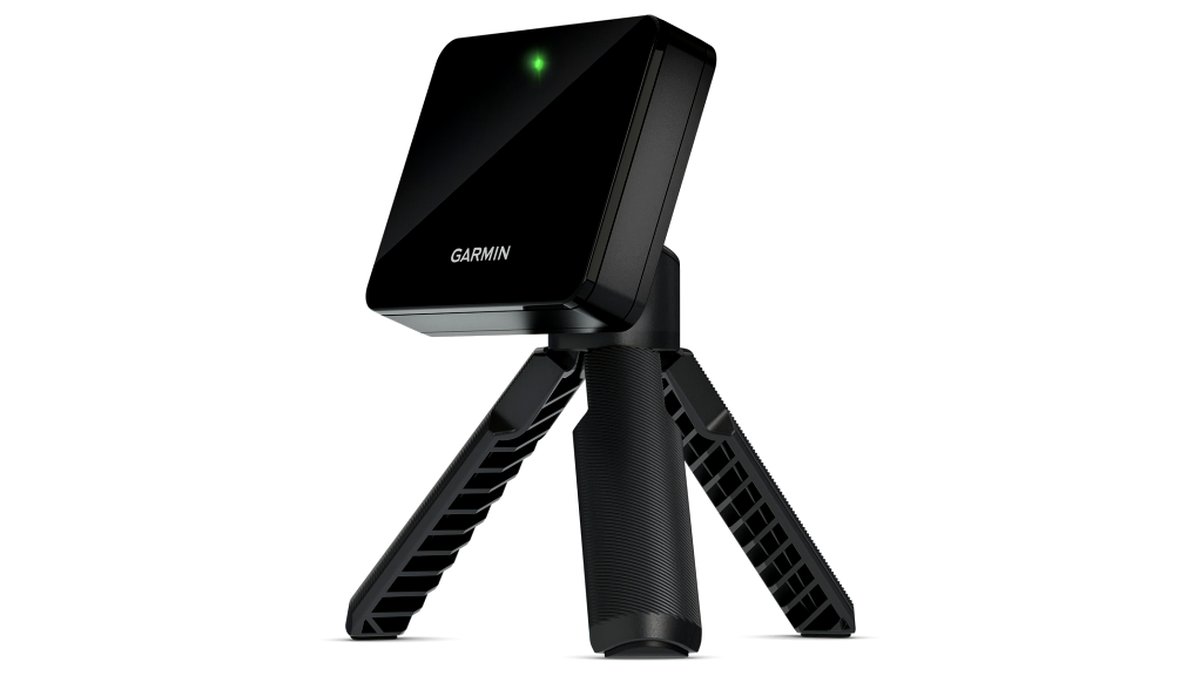
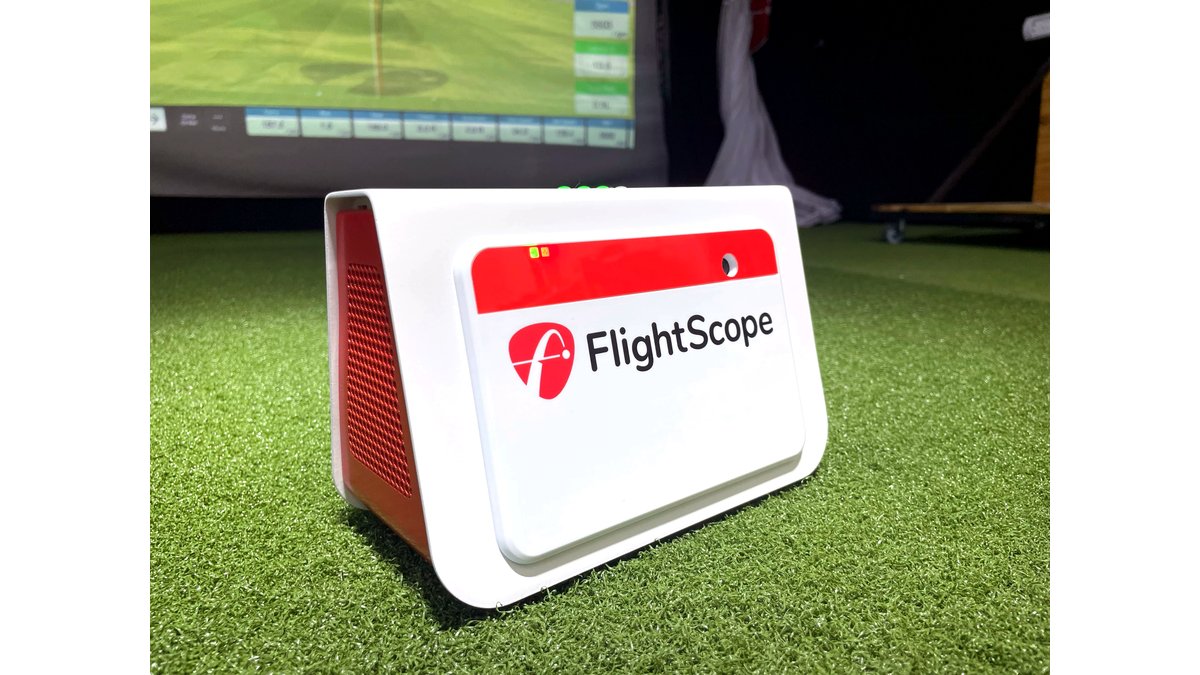
At the entry level, radar or camera-based launch monitors clip onto a tripod or sit behind the ball and estimate club head speed, ball speed, launch angle, and spin. These units are portable and can be used in a backyard or at a range, and many connect to companion apps that show basic shot shape and distance. They do not include a screen or enclosure, so indoor use means hitting into a net rather than seeing a rendered course.
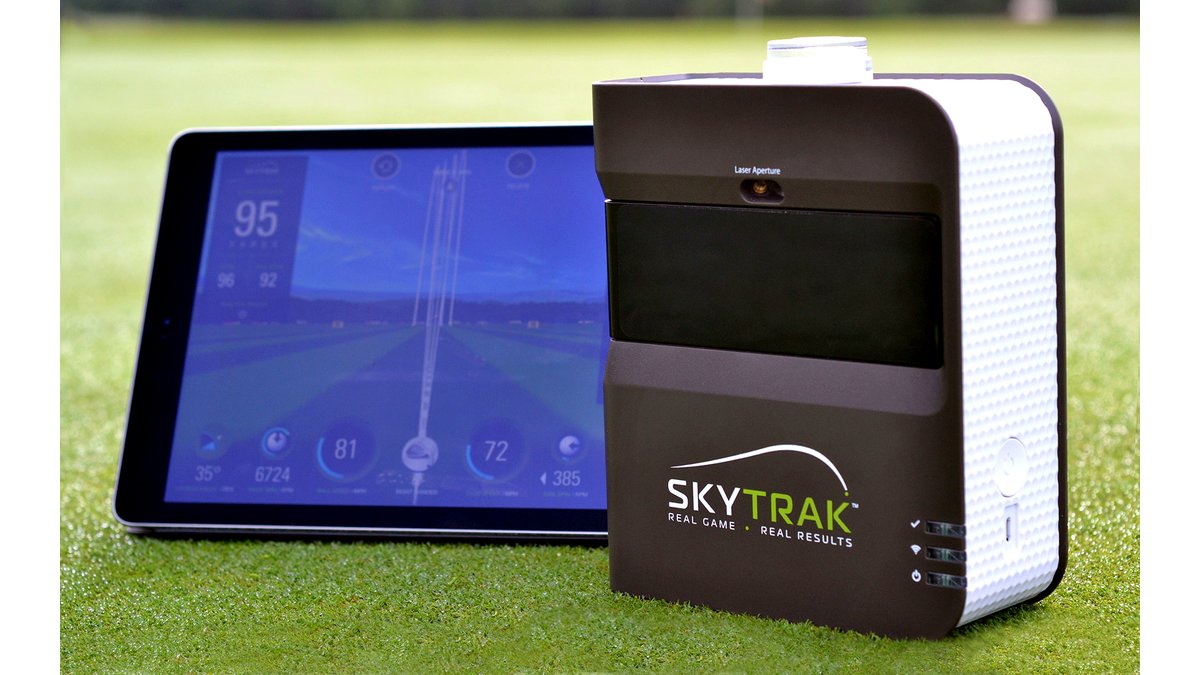
The mid tier adds a hitting net or impact screen, sometimes with a projector, so the launch monitor’s data drives an on-screen ball flight. This is the point where “simulator” starts to mean an actual visual experience rather than just a number readout. Software subscriptions (annual or one-time) typically unlock course libraries, practice ranges, and multiplayer rounds.
Full enclosure packages are the premium tier: a sturdy frame, an impact screen rated for repeated golf-ball strikes, side and ceiling netting, flooring or a hitting mat, a projector mounted for short-throw use, and a higher-end launch monitor or camera system for more complete swing metrics (face angle, attack angle, spin axis). These packages need the most ceiling height and room length, generally at least 9 feet of ceiling clearance and 10-16 feet of hitting-to-screen distance depending on the brand’s specifications.
Launch Monitor Technology: Radar vs Camera
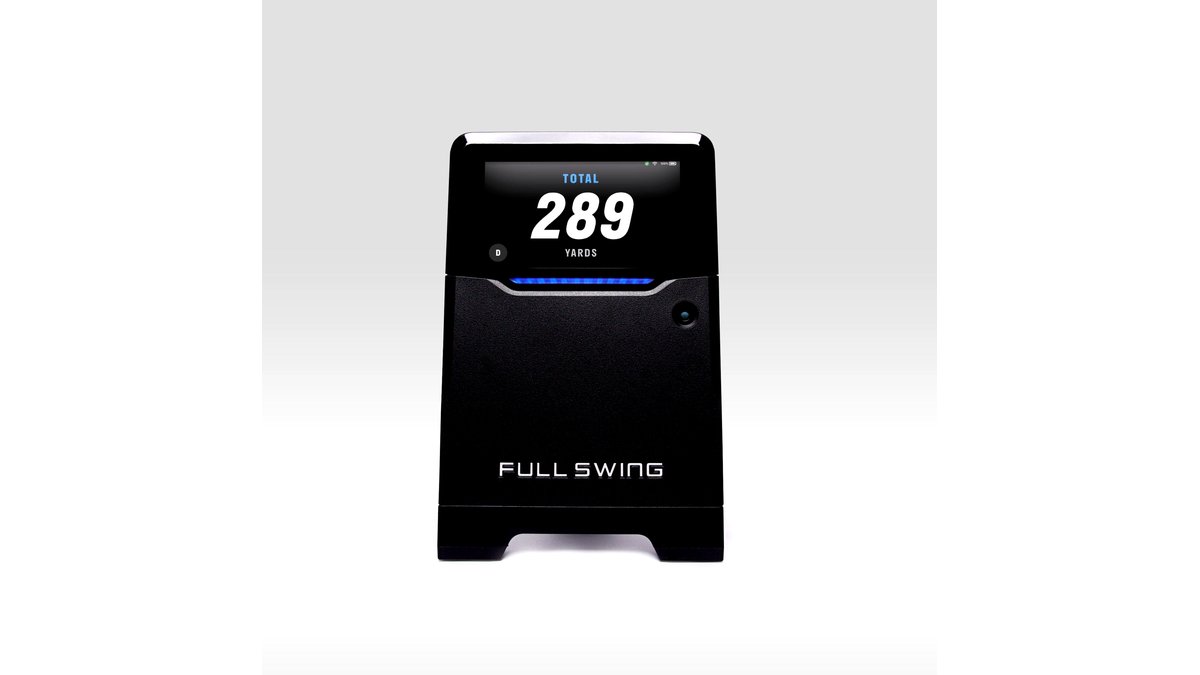
Radar-based units (the approach Garmin and some other makers use) track the ball’s flight path directly, which tends to produce consistent carry and total distance numbers outdoors or in a space long enough for the radar to read the ball in flight. Camera-based units (the approach many higher-end systems use) capture the club and ball at impact and infer flight data from that moment, which can work in shorter indoor spaces but depends on good, consistent lighting and a clean lens.
Buyers with a short indoor hitting space often lean toward camera-based or hybrid systems built for low ceiling and short-distance use, since pure radar units generally want more room behind the ball to read ball flight accurately. The maker’s own specifications for minimum ceiling height and hitting distance should be checked against the actual room before buying, since this is the single most common reason an otherwise good simulator feels cramped.
At a Glance
| Tier | Best For | Key Stated Specs | Limits |
|---|---|---|---|
| Portable launch monitor (e.g., Garmin Approach R10 class) | Range use, swing feedback, tight budget | Radar tracking, phone app pairing, carry case, compact tripod mount | No screen or enclosure; needs a net or open space to hit into |
| Screen + launch monitor bundle (e.g., SkyTrak-class systems) | Garage or basement setups with moderate space | Camera or radar monitor, impact screen, projector optional, course software subscription | Software subscription cost; needs a flat, level hitting area |
| Full enclosure package | Dedicated simulator rooms, serious practice | Frame, side/ceiling netting, HD impact screen, short-throw projector mount, advanced metrics | Highest space and ceiling requirements; longest setup time |
| Simulator software only (for existing hardware owners) | Upgrading an existing launch monitor’s course experience | Course libraries, practice modes, multiplayer | Only as good as the launch monitor data feeding it |
Space, Ceiling, and Mat Considerations
Ceiling height is the first filter: most enclosure makers list a minimum clearance (commonly around 9 feet) to allow a full swing with longer clubs like a driver. Rooms under that height generally limit buyers to half-swing practice or short-iron use only, which defeats the point of a full simulator for many golfers.
Room length matters next. The distance from the hitting mat to the impact screen needs to match what the launch monitor and screen system specify as a minimum, since too-short a distance can produce inaccurate ball-flight capture on camera-based systems or make the screen feel uncomfortably close. Side-to-side width should allow a full backswing without clipping a wall, especially for taller golfers or those with a flatter swing plane.
A quality hitting mat or turf matters more than many buyers expect. Mats described by makers as having multiple layers (foam, rubber, and a turf top) tend to reduce joint impact on repeated full-speed swings compared to thin, single-layer mats, and some golfers set the ball on a slightly raised tee section to mimic fairway lies.
Pick This If…
| Golfer Profile | Recommended Tier |
|---|---|
| Wants swing data at the range, no screen needed | Portable radar/camera launch monitor |
| Has a garage or basement with 9+ ft ceilings and wants to play virtual courses | Screen + launch monitor bundle |
| Has a dedicated room and wants the most complete experience | Full enclosure package |
| Already owns a launch monitor and just wants better course graphics | Simulator software subscription upgrade |
| Lives in an apartment or has under 8 ft ceilings | Portable launch monitor used outdoors or at a range, rather than any enclosure |
Software and Subscription Notes
Most mid- and premium-tier systems separate the hardware purchase from the simulation software, which is typically sold as an annual subscription or occasionally a lifetime license. The software determines how many courses are available, whether multiplayer or tournament modes exist, and how often new courses are added. Buyers should confirm whether a given launch monitor is compatible with more than one simulation software package, since some hardware makers lock their units to a single proprietary app while others support multiple third-party platforms.
Alternatives Worth Considering
A simple net-and-mat setup without any launch monitor is the lowest-cost way to practice full swings indoors, though it gives no data feedback at all. For golfers who mainly want short-game practice, a putting mat or chipping net costs far less than a full simulator and addresses a different part of the game. Golfers who travel or move often may prefer a fully portable launch monitor plus a simple net they can pack away, rather than a fixed enclosure that is harder to relocate.
Frequently Anticipated Questions
How much ceiling height does a golf simulator actually need?
Makers of full enclosure systems commonly specify a minimum of around 9 feet for a full swing with a driver, though some compact or “low ceiling” enclosure designs are built for slightly less. A room shorter than the stated minimum will limit swings to shorter clubs or half-swings, so checking the exact figure on the product listing against the room’s measured height is worth doing before buying.
Do I need a projector, or can I use a TV instead?
A short-throw projector aimed at an impact screen is the standard setup because it lets the hitting area sit close to the screen without the golfer standing in the image path. A large TV can work for viewing shot data and basic course view in some setups, but it generally cannot double as the impact screen itself, since a TV is not built to absorb ball strikes.
Is radar or camera-based tracking more accurate indoors?
Camera-based and hybrid systems are generally the better fit for shorter indoor spaces because they capture data at the moment of impact rather than needing room to track the ball in flight. Pure radar units tend to perform best with more distance behind the ball, which is easier to achieve outdoors or in a longer indoor bay.
Can a golf simulator damage my flooring or walls?
Repeated full-speed swings can damage flooring, ceilings, and walls if the hitting area and netting are not sized and positioned correctly, which is why enclosure makers specify side and ceiling clearance. Using the recommended mat, netting, and installation guidance from the manufacturer reduces this risk significantly compared to improvised setups.
Will a simulator work with every golf club in my bag?
Most modern launch monitors are designed to read the full range of clubs from driver to wedge, though very low-loft, high-speed swings can occasionally challenge entry-level sensors’ accuracy. Golfers who care most about driver data for distance practice should check reviewer-reported accuracy for long clubs specifically, since some budget units are tuned more for iron-shot consistency.
Do I need a golf simulator subscription forever, or is there a one-time option?
Policies vary by brand: some simulation software is sold as a required annual subscription to keep courses and updates active, while a smaller number of packages offer a one-time license with limited or no ongoing course additions. This detail should be confirmed on the specific software’s own page before buying hardware that is tied to it.