Key takeaways
- Confirm motor type (series DC, separately excited DC, or AC) before selecting any controller, since this is not interchangeable across motor types.
- Check voltage match between the controller, the battery pack (commonly 36V or 48V), and the motor; mismatched voltage can damage components.
- Verify the controller’s amperage rating is suited to the motor’s draw, since undersized controllers can overheat or fail under load, especially on hills.
- Some programmable controllers require a specific handheld programmer or cable sold separately from the controller itself; confirm this is included or available before buying.
Owners wanting more top speed and stronger hill-climbing from a stock golf cart should look at a programmable aftermarket speed controller matched to their cart’s motor type, while anyone just chasing a quick, inexpensive boost without reprogramming should consider a simpler speed chip or potentiometer adjustment instead. Controller upgrades range from small tweaks to full motor-and-controller replacements, and the right level depends on budget, motor type, and how the cart is actually used.
As an Amazon Associate, we earn from qualifying purchases made through links on this page.
What a Golf Cart Controller Actually Does
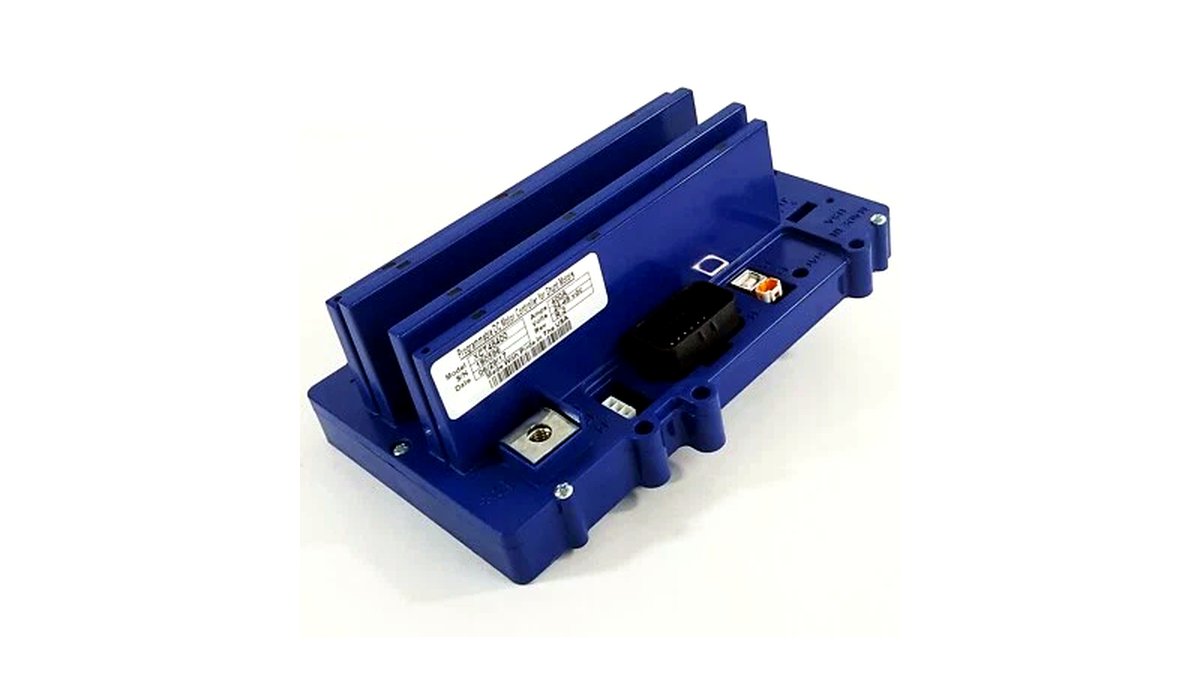
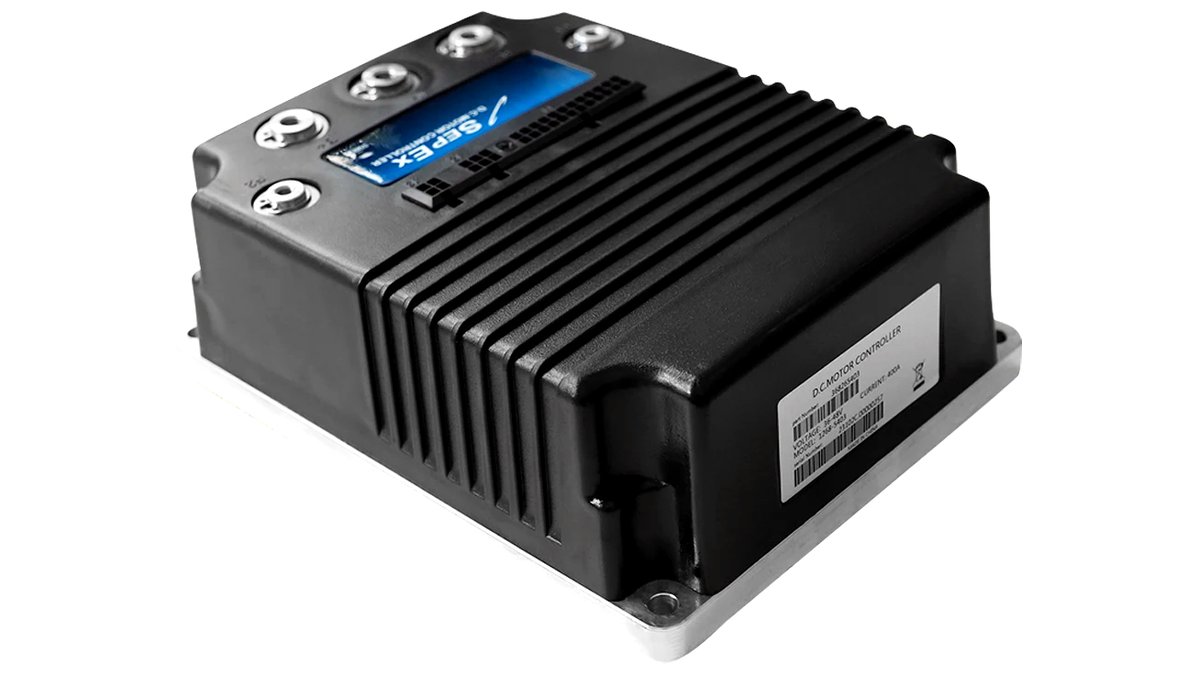
The controller is the electronic module that takes input from the accelerator pedal and battery pack and converts it into the power delivered to the motor, managing acceleration curves, top speed limits, and regenerative braking on carts equipped with it. Stock controllers from cart manufacturers are typically tuned conservatively for safety, battery longevity, and liability reasons, which leaves real performance headroom that aftermarket controllers are built to unlock.
Golf carts use either series-wound DC motors, separately excited DC motors (sometimes called shunt-wound), or AC motors depending on the cart’s age and manufacturer, and controllers are generally motor-type specific. This is the single most important compatibility check before buying any controller upgrade, since a controller built for an AC motor will not work on a DC-motor cart and vice versa.
Levels of Controller Upgrade, From Simple to Full Replacement
At the simplest level, some carts use a speed-limiting potentiometer or resistor that can be adjusted or removed to raise the top speed cap the factory controller allows, without replacing the controller itself. This is the lowest-cost option but has limited range of improvement and does not change acceleration curves or hill performance meaningfully.
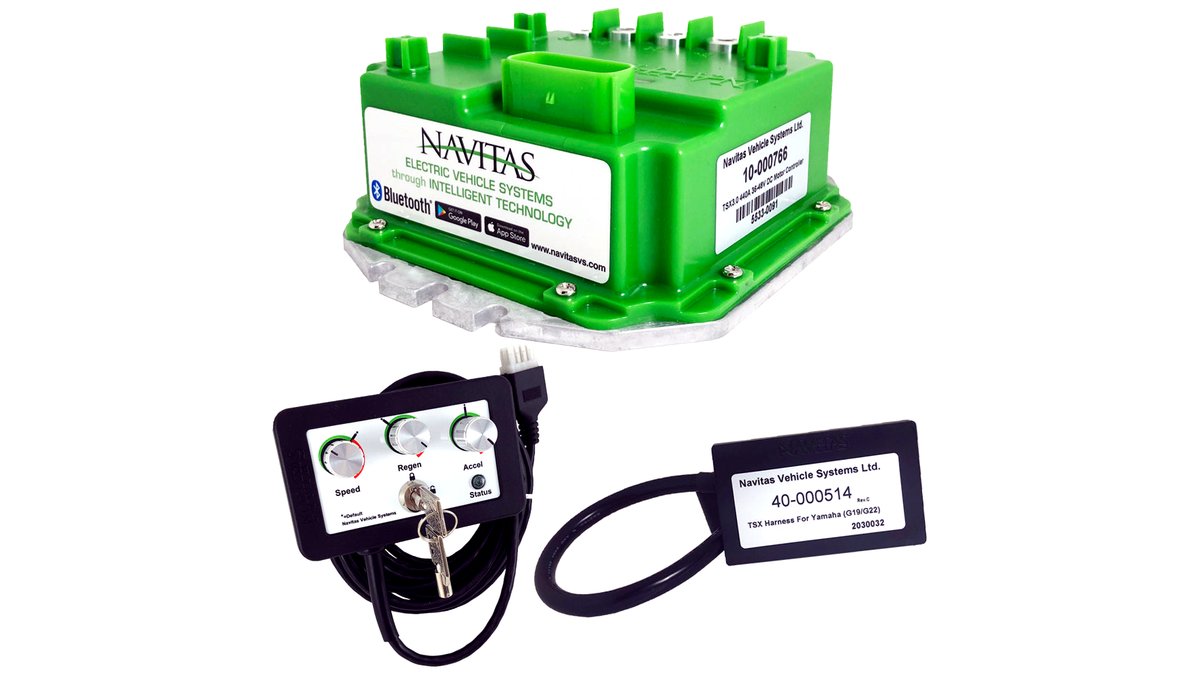
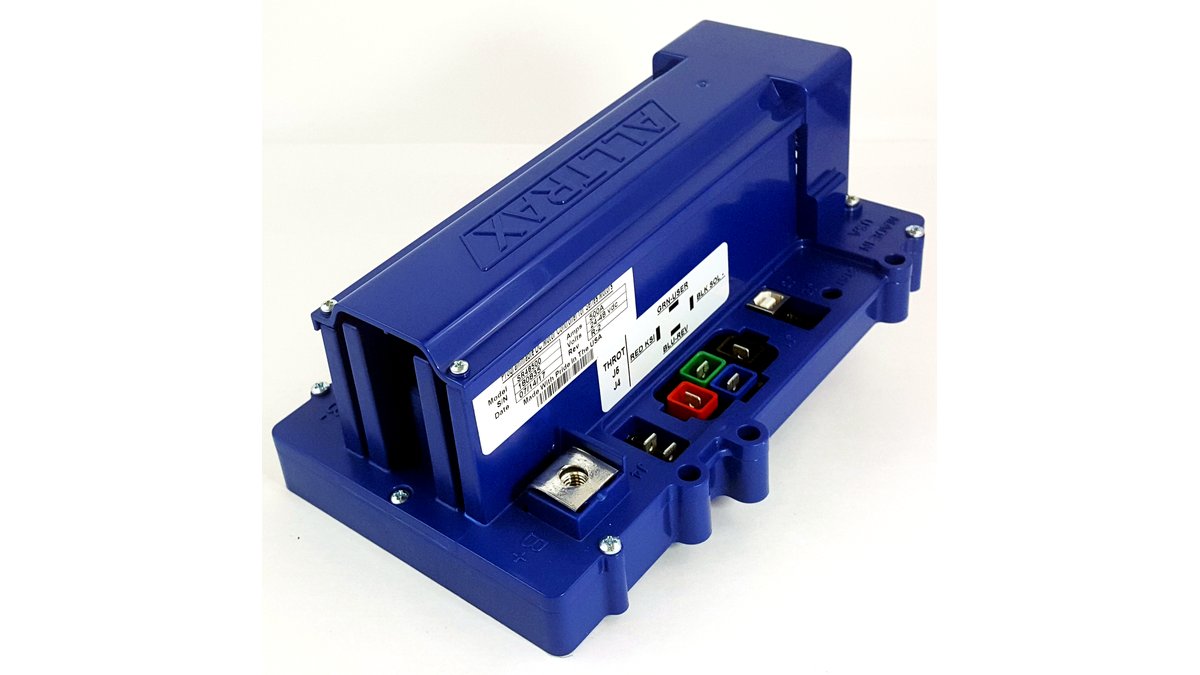
A step up is a direct aftermarket replacement controller matched to the existing motor, which typically offers programmable acceleration, top speed, and sometimes regenerative braking settings through a handheld programmer or software interface. The most involved upgrade pairs a new high-performance motor with a matched high-output controller, which makers of performance golf cart parts generally market as the path to the largest gains in both speed and torque, at correspondingly higher cost and installation complexity.
Fit and Compatibility Notes
- Confirm motor type (series DC, separately excited DC, or AC) before selecting any controller, since this is not interchangeable across motor types.
- Check voltage match between the controller, the battery pack (commonly 36V or 48V), and the motor; mismatched voltage can damage components.
- Verify the controller’s amperage rating is suited to the motor’s draw, since undersized controllers can overheat or fail under load, especially on hills.
- Some programmable controllers require a specific handheld programmer or cable sold separately from the controller itself; confirm this is included or available before buying.
At a Glance: Controller Upgrade Options
| Upgrade type | Best for | Key stated specs | Limits |
|---|---|---|---|
| Speed-limiting potentiometer adjustment | Owners wanting a small, low-cost speed increase on a stock setup | Works within the stock controller’s existing capability | Limited gain; doesn’t improve acceleration or hill torque |
| Direct aftermarket replacement controller | Owners wanting programmable speed, acceleration, and braking tuning | Makers list programmable settings via handheld or software programmer | Must match existing motor type and voltage exactly |
| Matched high-performance motor and controller set | Owners wanting the largest gains in speed and hill-climbing torque | Makers list higher continuous and peak amperage ratings than stock setups | Highest cost and installation complexity; may require other drivetrain upgrades |
| Regenerative braking-capable controller | Owners prioritizing battery efficiency and reduced brake wear on hills | Makers list regen braking as a programmable feature on supported controllers | Only available on controllers and motors designed to support it |
Pick This If…
| Situation | Recommended upgrade |
|---|---|
| Want a small speed bump without major work or cost | Speed-limiting potentiometer adjustment |
| Want tunable acceleration, top speed, and braking feel | Direct aftermarket replacement controller |
| Want the biggest possible gain in speed and hill torque | Matched high-performance motor and controller set |
| Cart is used often on hills and battery range matters | Regenerative braking-capable controller |
| Cart is used mainly on flat ground at low speed | Stock controller is likely sufficient; upgrade may not be worth the cost |
What Changes After a Controller Upgrade, and What Doesn’t
A controller upgrade changes how power is delivered, but it does not increase the energy stored in the battery pack, so faster acceleration and higher top speed generally come with reduced range per charge, particularly if the cart is driven harder as a result of the upgrade. Owners should also check that other drivetrain components, including tires, brakes, and suspension bushings, are rated for the higher speeds a performance controller can unlock, since stock components on older carts are not always built with higher speed in mind.
Some states and golf courses have rules limiting cart speed on their property regardless of what the vehicle is capable of, so an upgraded cart’s higher top speed may not be usable everywhere it’s driven. This is worth checking locally before investing in a performance-focused upgrade intended mainly for course use.
Alternatives Worth Considering
Owners mainly frustrated with hill performance rather than top speed might get more practical benefit from upgrading tires to a more aggressive tread, or from a lower-cost conservative controller reprogram rather than a full motor swap. A second alternative is upgrading the battery pack itself to a higher-capacity or lithium pack, which won’t raise top speed the way a controller swap does but can meaningfully extend range and maintain stronger voltage under load on hills. A third alternative for owners unsure about DIY installation is having a local golf cart shop perform a professional controller and motor matching service, which adds labor cost but reduces the risk of a mismatched or improperly installed upgrade.
Frequently Asked Questions
Will a controller upgrade work with my cart’s stock motor?
It depends on the motor type; many programmable aftermarket controllers are designed to work with the stock motor as long as the motor type (series DC, separately excited DC, or AC) and voltage match the controller’s specifications. Pairing a controller with an incompatible motor type is not something manufacturers support and can cause damage.
How much faster will my golf cart go after a controller upgrade?
Gains vary significantly depending on the upgrade level, the cart’s existing motor and gearing, and battery condition, so manufacturers typically avoid guaranteeing a specific speed figure across all cart models. A simple potentiometer adjustment offers a smaller gain than a full programmable controller, which in turn offers less gain than a matched high-performance motor and controller set.
Does a controller upgrade reduce my golf cart’s driving range?
Often yes, since higher speeds and stronger acceleration draw more power from the same battery pack, and driving habits tend to become more aggressive after a performance upgrade. Pairing a controller upgrade with a higher-capacity battery pack is one way owners commonly offset this tradeoff.
Do I need a professional to install a new controller?
Many aftermarket controllers are designed for installation by an experienced DIYer familiar with golf cart electrical systems, but professional installation is commonly recommended for less experienced owners, particularly when motor type and wiring need careful verification. Incorrect installation can damage the controller, motor, or battery pack.
Is it legal to upgrade my golf cart’s speed?
Legality depends on local laws regarding low-speed vehicles and where the cart is driven; some golf courses and municipalities set their own speed limits for carts regardless of the vehicle’s mechanical capability. Checking local regulations and course rules before upgrading, especially if the cart will be driven on public roads, is the responsible step to take first.
Can I add regenerative braking to a cart that doesn’t already have it?
Regenerative braking generally requires both a compatible motor and a controller programmed to support it, so retrofitting it onto a cart without either usually means replacing both components rather than just the controller. Owners specifically interested in this feature should confirm compatibility with the seller before purchasing a controller.