Key takeaways
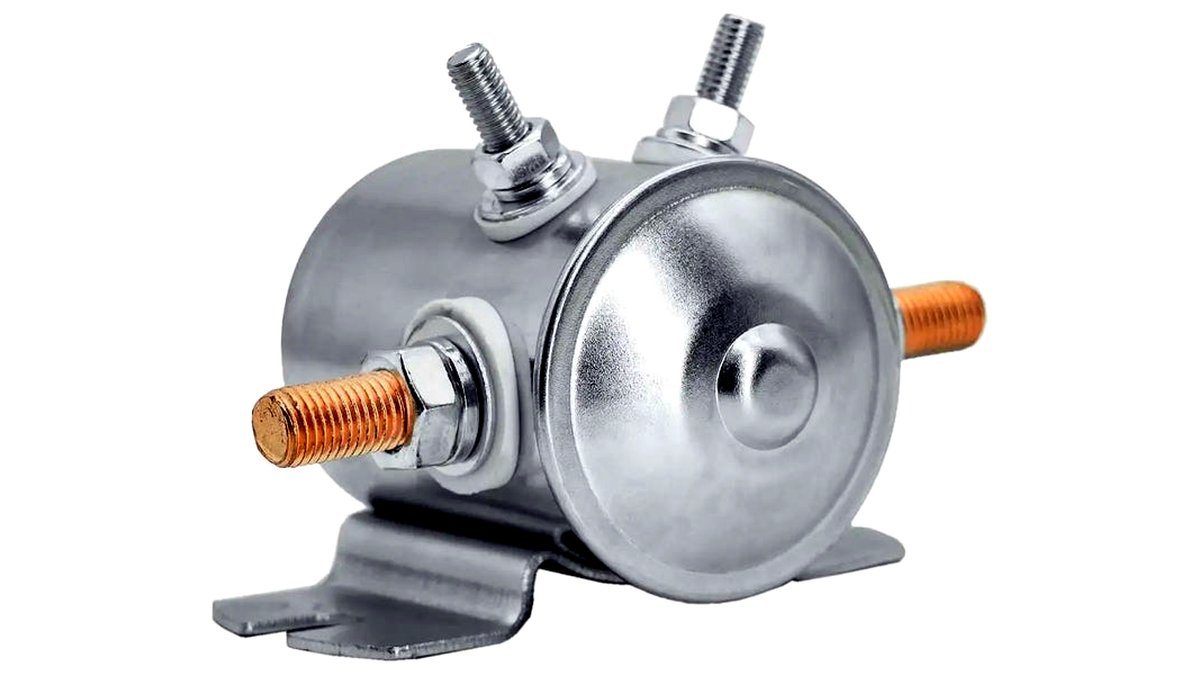
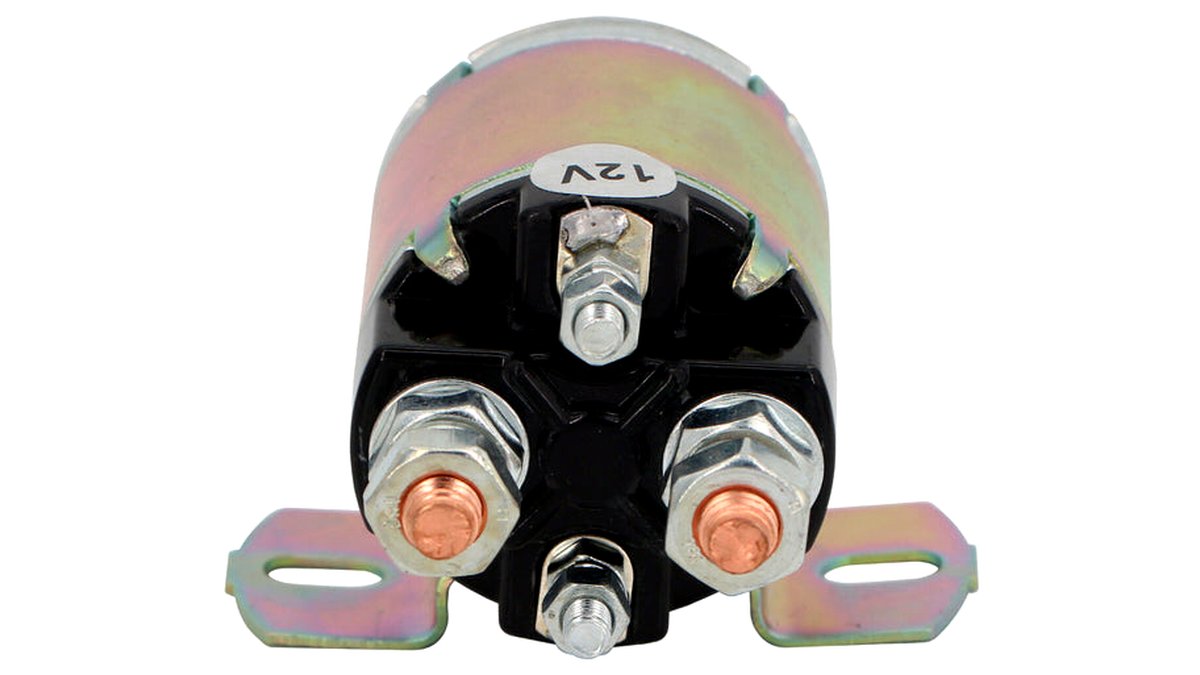
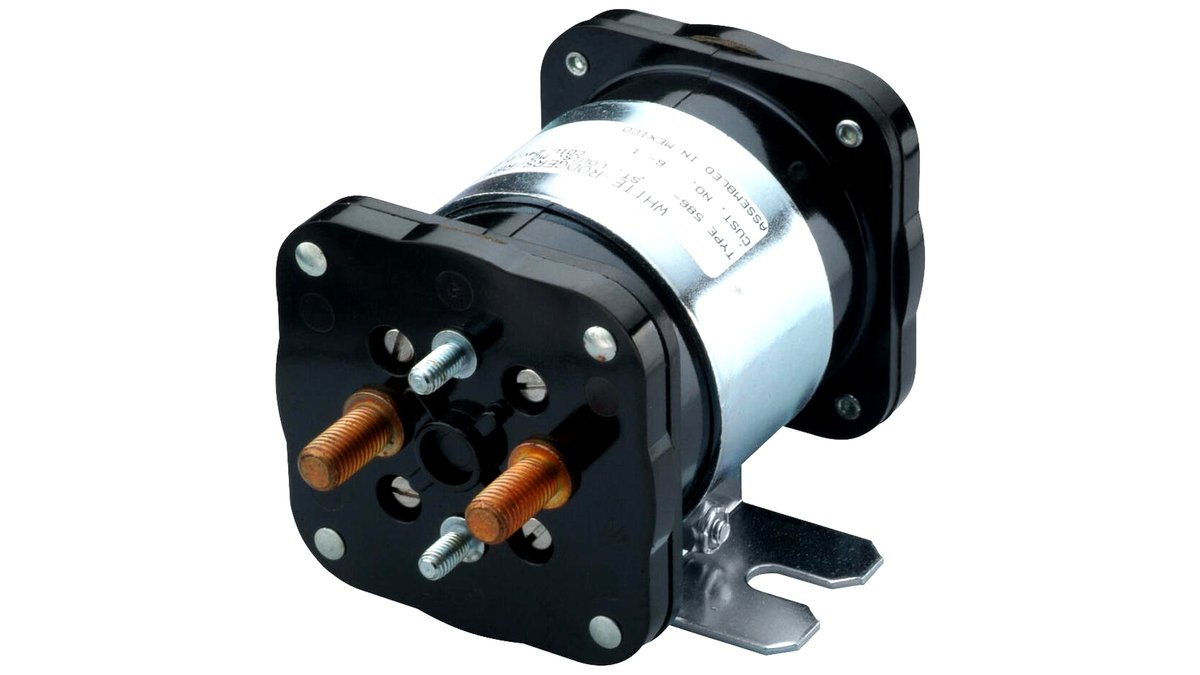
- Standard 4-terminal continuous-duty solenoids: The most common replacement type for 36V carts, with two large battery/motor terminals and two smaller coil terminals. Best for straightforward like-for-like replacement.
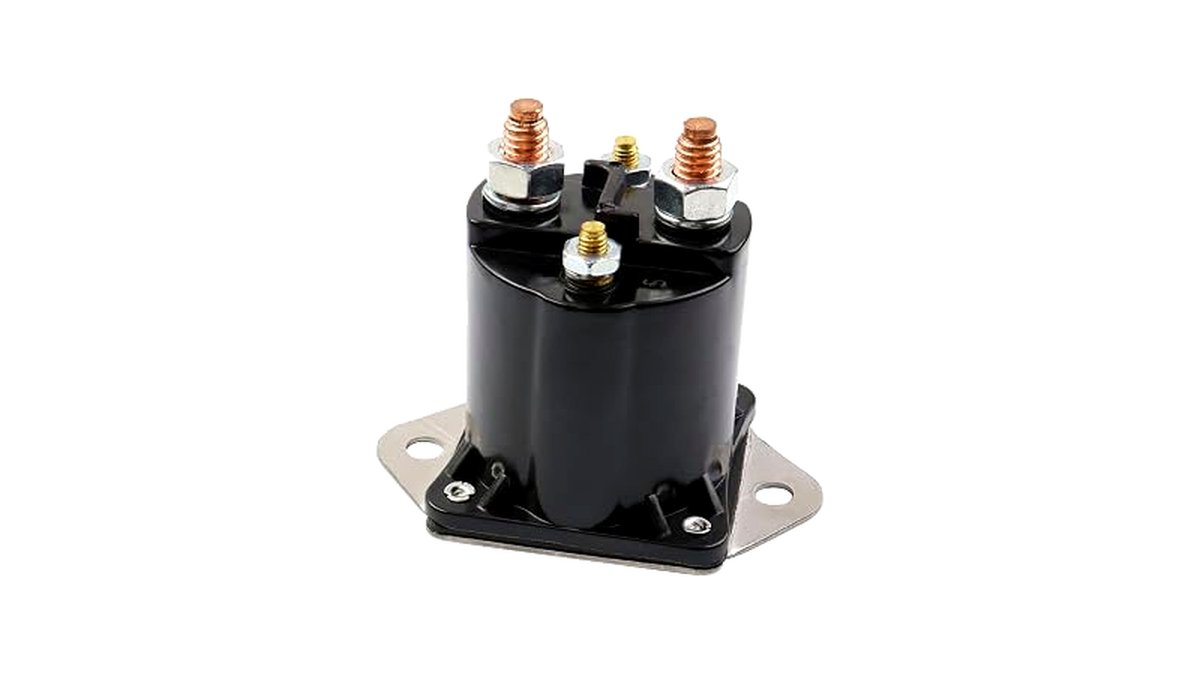
- 5-terminal solenoids: Add an extra terminal, often used in carts with specific forward/reverse or accessory wiring configurations. Best for carts whose factory wiring diagram specifically calls for this configuration.
- Intermittent-duty solenoids: Rated for shorter engagement cycles, sometimes used in simpler accessory circuits rather than the main drive circuit. Not generally appropriate as a main drive solenoid replacement.
- Heavy-duty/high-amperage solenoids: Rated for higher continuous current, sometimes chosen by owners who’ve added heavier accessories or who use the cart under sustained heavy load. Best for upgrade situations rather than simple stock replacement.
Owners replacing a failed stock solenoid on a 36V golf cart do best matching the exact terminal configuration and amperage rating their cart’s manufacturer specifies, while anyone upgrading for heavier accessory loads or frequent high-draw use benefits from a higher continuous-duty-rated solenoid built for the same 36V system. A golf cart solenoid is a safety-critical electrical part, so matching specifications to your cart’s existing wiring matters far more than brand name.
As an Amazon Associate, we earn from qualifying purchases made through links on this page.
What a Golf Cart Solenoid Actually Does
The solenoid acts as the high-current switch between the battery pack and the motor controller, closing when you press the accelerator and interrupting power when you release it or engage certain safety switches. On a 36V golf cart, the solenoid must be rated to handle the cart’s battery voltage and the inrush current the motor draws at startup, which is typically much higher than its running current. A solenoid sized incorrectly for voltage or current can fail to engage reliably, weld its contacts shut, or burn out prematurely.
Because this part sits directly in the high-current path between the battery and motor, electrical work on it should follow the cart manufacturer’s service manual, and any uncertainty about wiring, sizing, or diagnosis is worth bringing to a qualified golf cart technician or electrician rather than guessing.
Types of Golf Cart Solenoids
- Standard 4-terminal continuous-duty solenoids: The most common replacement type for 36V carts, with two large battery/motor terminals and two smaller coil terminals. Best for straightforward like-for-like replacement.
- 5-terminal solenoids: Add an extra terminal, often used in carts with specific forward/reverse or accessory wiring configurations. Best for carts whose factory wiring diagram specifically calls for this configuration.
- Intermittent-duty solenoids: Rated for shorter engagement cycles, sometimes used in simpler accessory circuits rather than the main drive circuit. Not generally appropriate as a main drive solenoid replacement.
- Heavy-duty/high-amperage solenoids: Rated for higher continuous current, sometimes chosen by owners who’ve added heavier accessories or who use the cart under sustained heavy load. Best for upgrade situations rather than simple stock replacement.
36V Golf Cart Solenoids at a Glance
| Type | Best For | Key Stated Specs | Limits |
|---|---|---|---|
| Standard 4-terminal continuous-duty | Direct replacement on most stock 36V carts | Makers commonly list 36V coil voltage and a continuous current rating matched to typical golf cart motor draw | Must match the cart’s original terminal layout; not universal across all brands |
| 5-terminal solenoid | Carts with specific factory wiring requiring the extra terminal | Same 36V coil rating plus one additional terminal connection | Only correct for carts whose wiring diagram specifies this configuration |
| Intermittent-duty solenoid | Non-drive accessory circuits | Lower duty-cycle rating than continuous-duty types | Not suitable as a main drive circuit replacement |
| Heavy-duty/high-amperage solenoid | Carts with added accessory load or heavy sustained use | Makers commonly list a higher continuous amperage rating than stock solenoids | Must still match 36V coil voltage and terminal layout of the cart |
Pick the One That Fits
| If you… | Pick this |
|---|---|
| Are replacing a failed stock solenoid with no other cart modifications | Standard 4-terminal continuous-duty solenoid matching OEM specs |
| Have a cart whose wiring diagram shows a 5-terminal layout | 5-terminal solenoid matching that exact configuration |
| Have added significant accessory load (lift kits with bigger motors, heavy racks, etc.) | Heavy-duty/high-amperage solenoid rated above stock, still at 36V |
| Are unsure which configuration your cart uses | Check the cart’s wiring diagram or service manual, or consult a qualified technician before buying |
| Need a part for a non-drive accessory circuit only | An intermittent-duty solenoid rated for that specific circuit, per the accessory’s own wiring documentation |
Fit and Compatibility Notes
Confirm your cart’s exact voltage system before ordering — 36V and 48V golf cart electrical systems are common, and a solenoid’s coil is built for a specific voltage range; installing a mismatched voltage solenoid can cause it to fail to engage properly or to engage and not release cleanly, which is a safety issue, not just a performance one.
Match the terminal count and physical mounting pattern to the original part. Many golf cart solenoids share a similar external look across brands, but terminal spacing, stud size, and coil terminal placement vary, and connecting the wrong wire to the wrong terminal on this high-current component is a real fire and injury risk. When in doubt, cross-reference the original part number in your cart manufacturer’s parts catalog or service manual rather than relying on visual similarity alone.
Check the amperage rating against your cart’s actual motor draw, especially if you’ve added a bigger motor, lift kit, or heavy accessories since the cart was new; a solenoid sized for stock specs can run hotter and wear out faster under added load it wasn’t rated for.
Installation and Safety Notes
- Disconnect the battery pack fully before replacing a solenoid; this is a high-current circuit and residual charge can cause sparking or shock.
- Follow the cart manufacturer’s wiring diagram exactly when reconnecting terminals; reversed or swapped connections on the coil terminals versus the main power terminals are a common installation mistake.
- Check for corrosion or heat discoloration on the surrounding wiring and terminals while the solenoid is out; a failed solenoid sometimes indicates a related wiring or connection problem that should be addressed at the same time.
- Test the cart’s forward/reverse and safety interlock functions after installation, following the manufacturer’s testing procedure, before resuming normal use.
- If you’re not confident diagnosing or wiring this component, have a qualified golf cart technician or electrician handle the replacement.
Alternatives Worth Considering
A full controller/solenoid diagnostic from a golf cart repair shop is worth considering if you’re not certain the solenoid itself is actually the failed component, since symptoms like a cart that won’t move can also trace back to the controller, batteries, or wiring.
OEM replacement parts kits that bundle the solenoid with matching connectors and wiring can simplify sourcing correct components versus buying a solenoid alone.
Rebuilt or remanufactured solenoids from specialty golf cart parts suppliers can be a lower-cost option versus new, though warranty terms and remaining lifespan are worth checking against a new part.
Frequently Asked Questions
How do I know if the solenoid is the actual cause of my cart not moving?
A clicking sound when pressing the accelerator with no cart movement is a common symptom pointing toward the solenoid, but similar symptoms can also come from a failed controller, weak batteries, or a loose connection. A multimeter test following the cart’s service manual, or a diagnostic from a qualified technician, confirms the actual cause before replacing parts.
Can I use a 48V solenoid on a 36V cart, or vice versa?
No, the coil voltage must match the cart’s electrical system; using a mismatched voltage solenoid can prevent proper engagement or release and creates a safety risk. Always match the solenoid’s rated coil voltage to your cart’s actual system voltage.
Do I need any special tools to replace a golf cart solenoid?
Basic hand tools (wrenches or sockets matching the terminal hardware) are typically sufficient, along with a multimeter for testing before and after installation. Always disconnect the battery pack fully before beginning work on this high-current component.
How long does a golf cart solenoid typically last?
Lifespan varies with usage intensity, load, and environmental exposure like moisture and corrosion; there’s no fixed replacement interval stated universally across the category. Watching for symptoms like clicking without engagement, visible contact pitting, or heat discoloration is a more reliable guide than a fixed time estimate.
Is it safe to bypass a failing solenoid temporarily?
No, bypassing the solenoid defeats a safety-critical switching function in the drive circuit and is not a safe workaround under any circumstance. Replace a failing solenoid with a correctly matched part rather than attempting to bypass it.
Should I replace the solenoid myself or have a professional do it?
If you’re comfortable working with high-current electrical systems, following a wiring diagram precisely, and have confirmed the solenoid is the actual failed part, a straightforward swap is within reach for an experienced DIYer. If there’s any uncertainty about diagnosis, wiring, or safety procedure, a qualified golf cart technician or electrician is the safer choice.