Key takeaways
- Screen type: budget models often use a small clip-on or handheld LCD screen; some newer models transmit to a smartphone app over Wi-Fi instead of a dedicated screen.
- Cable stiffness: a semi-rigid cable pushes through bends more reliably than an overly flexible one, though overly stiff cable can struggle with tight elbow joints common in household plumbing.
- Depth/distance counter: a built-in counter on the cable or in the app tells the user how far into the pipe the camera head has traveled, useful for marking where a clog or crack is located from outside.
Choose a short, flexible push-rod camera with a small screen for checking sink and shower drains close to an access point, a longer push-rod camera with a self-leveling head for main sewer lines running further underground, and a wireless borescope-style camera on a phone mount only for quick, shallow peeks where a dedicated monitor isn’t needed. Plumbing inspection cameras vary mainly by cable length, camera head size, and display type, and matching those to the pipe diameter and run length matters more than any single headline spec.
As an Amazon Associate, we earn from qualifying purchases made through links on this page.
Why Pipe Diameter and Cable Length Drive the Choice
A camera head sized for a 4-inch main sewer line will not fit through a 1.5-inch sink trap, and a 30-foot cable that comfortably reaches a kitchen drain cleanout will fall well short of a sewer line running to the street. Reviewers at outlets covering tool reviews, including sites focused on trade and DIY tools, consistently flag cable length and head diameter as the two specs buyers most often get wrong, since a camera that is too short or too wide for the job is effectively useless for that inspection.
Compact Drain Cameras
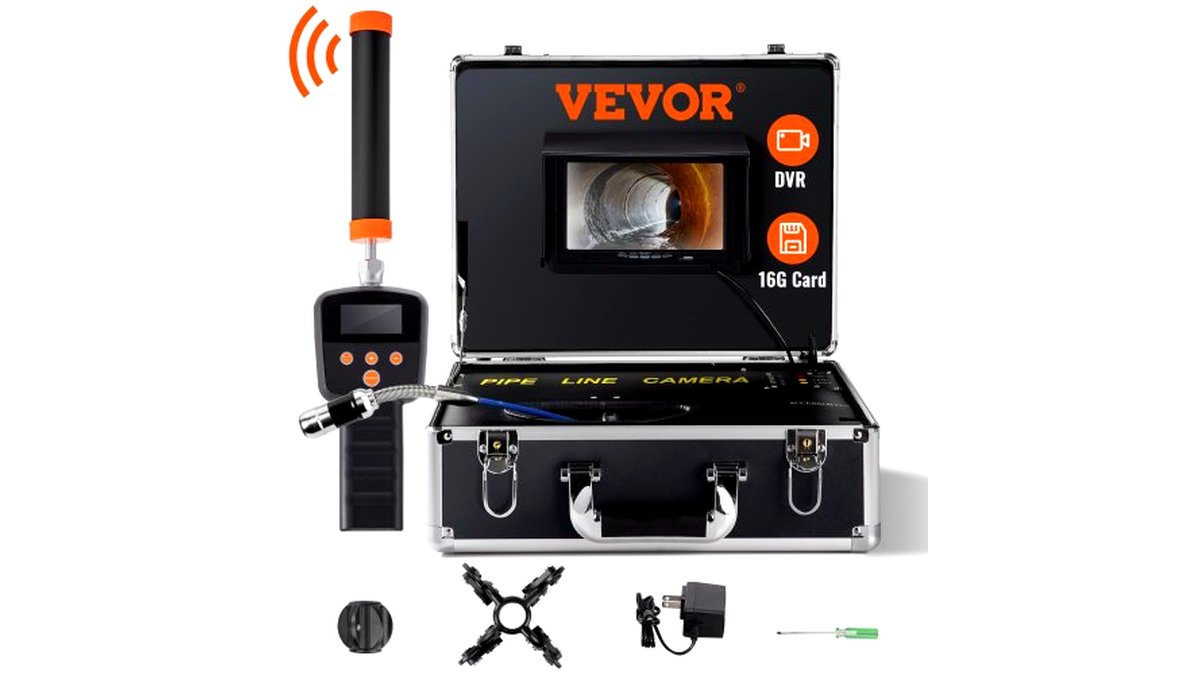
Compact cameras with cable lengths roughly in the 30 to 60-foot range and smaller camera heads suit sinks, showers, and secondary drain lines. These are typically the most affordable tier and the easiest for a homeowner to use without plumbing experience.
- Screen type: budget models often use a small clip-on or handheld LCD screen; some newer models transmit to a smartphone app over Wi-Fi instead of a dedicated screen.
- Cable stiffness: a semi-rigid cable pushes through bends more reliably than an overly flexible one, though overly stiff cable can struggle with tight elbow joints common in household plumbing.
- Depth/distance counter: a built-in counter on the cable or in the app tells the user how far into the pipe the camera head has traveled, useful for marking where a clog or crack is located from outside.
Sewer and Main Line Cameras
For main sewer line inspections, cameras typically need cable lengths of 100 feet or more and a self-leveling camera head, which keeps the image right-side-up as the camera rotates while traveling through the pipe. The maker on these systems usually lists the camera head as rated for the 3 to 10-inch pipe diameter range typical of residential and light commercial sewer lines.
- Self-leveling head: prevents a disorienting rotating image, a feature reviewers treat as close to mandatory for longer sewer line runs rather than optional.
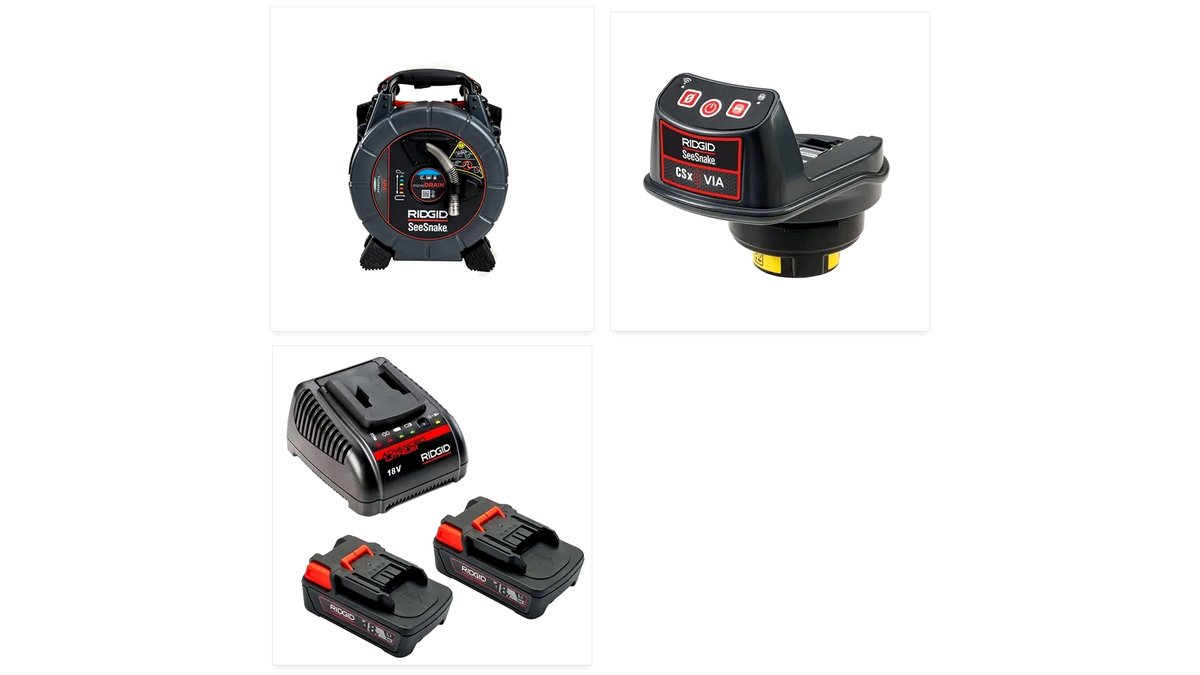
- Sonde/locator capability: some mid-range and professional-grade systems include a transmitter in the camera head that lets a separate locator tool find the camera’s exact position from above ground, useful for pinpointing a problem before digging.
- Recording and export: the ability to save video or still images for a contractor, insurance claim, or home inspection report is a feature that varies between models; some save to an SD card, others to an app.
At a Glance
| Camera Type | Best For | Key Stated Specs | Limits |
|---|---|---|---|
| Compact drain camera (30-60 ft) | Sinks, showers, secondary drains | Small camera head, handheld or app display | Too short for main sewer lines |
| Mid-length drain camera (60-100 ft) | Longer household drain runs, laundry lines | Depth counter, moderate head size | Head size may not suit very large pipe diameters |
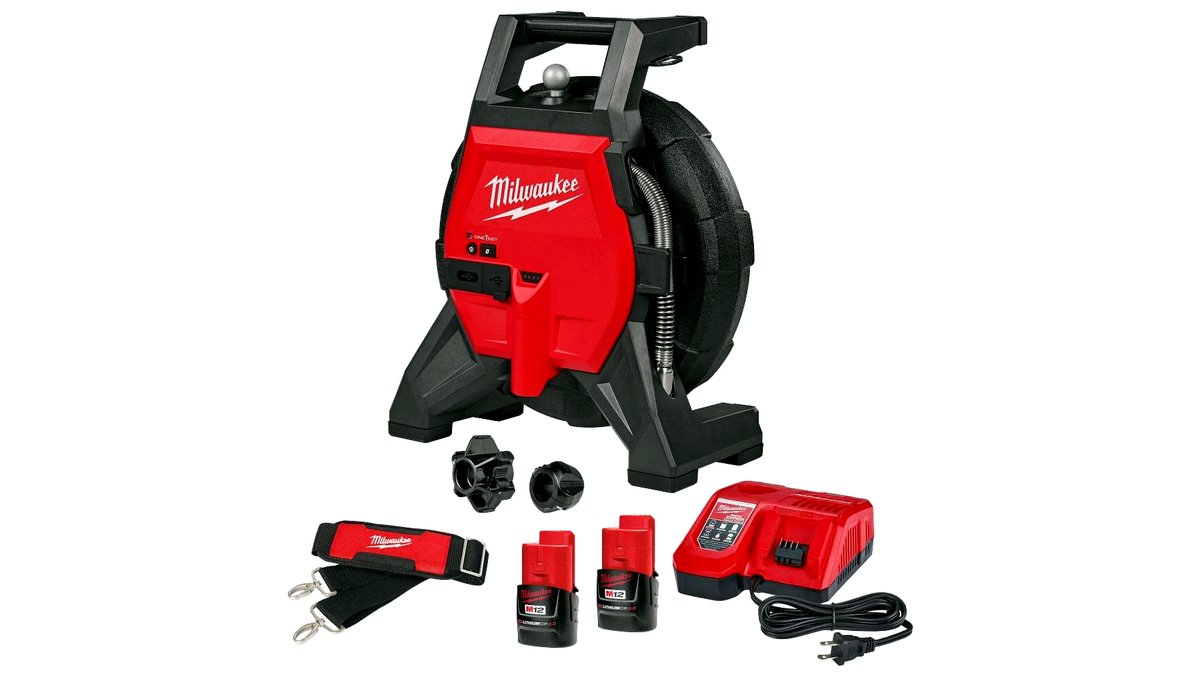
| Main sewer line camera (100+ ft) | Sewer lateral inspections, pre-purchase home checks | Self-leveling head, longer stiff-flexible cable | Bulkier reel; steeper learning curve |
| Professional-grade locator camera | Contractors, pinpointing underground issues | Sonde/locator transmitter, video export | Highest price tier; more equipment to carry |
| Wireless borescope on phone mount | Quick shallow peeks, tight spaces | Wi-Fi transmission, phone-based display | Shortest practical reach; weaker in low light |
Pick X If…
| Situation | Recommended Pick |
|---|---|
| You want to check a slow kitchen or bathroom drain | Compact drain camera under 60 feet |
| You’re inspecting a main sewer line before buying a home | Self-leveling main sewer line camera, 100+ feet |
| You need to find exactly where a blockage or crack sits underground | A camera system with sonde/locator capability |
| You only need a quick look inside a wall cavity or tight gap | Wireless borescope camera on a phone mount |
| You want to document findings for a contractor or insurance claim | A camera with video/image export via SD card or app |
Fit and Compatibility Notes
Confirm the camera head’s stated diameter fits through the pipe’s cleanout or access point; a head too large for the opening cannot be used regardless of cable length. For older homes, check whether the plumbing includes narrow or sharply angled sections (common in cast iron or older clay pipe), since a stiffer cable may struggle to navigate tight bends that newer PVC plumbing doesn’t have. Battery-powered handheld units should be checked for charge time and runtime, since a mid-inspection battery death on a long sewer line run is a common complaint in user reviews.
Alternatives Worth Considering
- Hiring a licensed plumber with professional equipment: for a one-time main sewer line inspection, especially before a home purchase, a professional inspection with calibrated, high-end equipment and an experienced eye can catch issues a consumer-grade camera or an untrained viewer might miss.
- Drain inspection without a camera (basic snake with no camera): for a simple, known clog near the drain opening, a basic plumbing snake without a camera is cheaper and may clear the problem without needing to see inside the pipe at all.
- Combination camera and drain-clearing tool: some product lines combine a camera head with an attached cleaning or cutting tool, letting the user clear a clog and inspect the result in one pass, though these tend to sit at a higher price tier.
Frequently Asked Questions
Can a plumbing inspection camera get stuck in the pipe?
Yes, especially when forcing the cable through a sharp bend, a collapsed section of pipe, or past tree roots. Most cameras include a reasonably flexible cable designed to navigate standard household bends, but working slowly and backing off resistance rather than pushing hard reduces the risk of a stuck head.
Do I need to shut off water before using a drain inspection camera?
It isn’t strictly required for most quick inspections, but running water can obscure the camera’s view and make it harder to see cracks or blockages clearly. Many users run the inspection on a dry or mostly dry line, then test with water afterward to confirm the issue.
How do I know what pipe diameter my camera head will fit?
The camera’s product listing or manual states the minimum and maximum pipe diameter the head is designed for; measuring the cleanout opening or a known pipe section with a tape measure before buying avoids a mismatch. Sink and shower drains are usually 1.5 to 2 inches, while main sewer lines commonly run 3 to 4 inches or larger.
Can I use a plumbing inspection camera to check for tree root intrusion?
A main sewer line camera with sufficient cable length can usually show visible root intrusion inside the pipe, which is one of the more common reasons homeowners buy one of these cameras. A self-leveling head helps keep the image oriented correctly when roots or debris cause the camera to rotate inside the pipe.
Is it worth buying a camera instead of hiring a plumber for a one-time inspection?
For a single inspection, especially of a main sewer line, hiring a plumber with professional-grade equipment is often more cost-effective than buying a camera system used once. For homeowners who expect to deal with recurring drain issues or want to do periodic maintenance checks, owning a mid-range camera can pay off over several uses.
Do these cameras work in completely dark pipes?
Yes, virtually all plumbing inspection cameras include built-in LED lighting around the camera head specifically because pipes have no ambient light. The maker typically lists adjustable brightness as a feature on mid-range and higher models, since reflective water or condensation can otherwise wash out the image at full brightness.